Philip, Son of Herod the Great
Philip was a member of the Herodian dynasty and the original husband of Herodias, whose subsequent marriage to Herod Antipas led to the imprisonment of John the Baptist.
Philip was a son of Herod the Great, the king of Judea, and a member of the complex and often volatile Herodian royal family. Unlike his brothers who governed significant territories, Philip is primarily known in the New Testament through the domestic and political scandal involving his wife, Herodias. The Gospel accounts identify him as the legal husband of Herodias before she entered into an illicit union with his brother, Herod Antipas.
His role in the biblical narrative is passive but foundational to one of the most significant confrontations in the Life of Jesus: the rebuke of Herod Antipas by John the Baptist. By the time of the public ministries of John and Jesus, Philip appears to have been living in a private capacity, distinct from his siblings who held titles as tetrarchs or ethnarchs.
Background and Family
Philip was a descendant of the Herodian line, born to Herod the Great, the king who reigned at the time of Jesus' birth. His family tree was marked by internal strife, shifting political alliances, and complex marital arrangements. The biblical record establishes Philip as the brother of several key figures in the New Testament era, including Archelaus and Herod Antipas. While his brothers were granted administrative control over portions of their father's kingdom following his death in 4 BC, this Philip is characterized primarily by his relationship to Herodias.
Philip and Herodias had a daughter named Salome. Although Salome is not named in the specific verses identifying Philip, the historical context of the Herodian family connects her as the daughter of Herodias and her first husband.
Major Life Events
The most significant event associated with Philip in the biblical text is the dissolution of his marriage to Herodias. According to the Synoptic Gospels, Herod Antipas—Philip’s brother and the tetrarch of Galilee—took Herodias to be his own wife while Philip was still living. This act was not merely a family betrayal but a violation of Jewish Law, specifically the prohibitions against marrying a brother’s wife while the brother was alive (Leviticus 18:16).
There is no record of Philip’s reaction to this event or any subsequent political involvement. The biblical narrative focuses instead on the moral and spiritual fallout of this union, which served as the catalyst for the arrest and eventual execution of John the Baptist.
Relationship to Other Biblical Figures
Philip’s primary connection to the New Testament narrative is his role as the wronged party in the eyes of the Law. John the Baptist, acting as a prophetic voice, publicly rebuked Herod Antipas for the marriage. Matthew 14:3 states, "Now Herod had arrested John and bound him and put him in prison on account of Herodias, his brother Philip’s wife."
Philip is thus the silent figure behind the conflict between the Herodian state and the precursor to Jesus. His status as the legal husband of Herodias provided the legal and moral grounds upon which John the Baptist based his critique, leading to John's martyrdom.
Spiritual Significance
Though Philip never speaks in the biblical text, his existence and his marriage are essential to the fulfillment of John the Baptist’s ministry. The controversy surrounding Philip’s wife highlights the corruption and moral decay of the Judean leadership during the life of Jesus. It serves as a stark contrast between the earthly power of the Herods and the spiritual authority of the Kingdom of God preached by John and Jesus. Philip remains a witness to the fact that even the highest levels of society were subject to the divine standards of righteousness championed by the prophets.
Spiritual Significance
Philip serves as a crucial historical and legal link in the narrative of John the Baptist's martyrdom. His marriage to Herodias is the specific point of contention that John used to challenge the morality of the ruling class, demonstrating that the Gospel message confronted even the highest political powers. Although he is a background figure, his family ties provide the necessary context for the political climate into which Jesus was born and ministered.
Frequently Asked Questions
Was this Philip a ruler like his brothers?
The Philip mentioned in Matthew 14:3 and Mark 6:17 is presented in a private capacity, distinguished from his brother Herod the Tetrarch. While he was a son of Herod the Great, the biblical text does not assign him a specific territory to govern.
How was Philip related to Herodias?
Philip was the first husband of Herodias. According to the Gospels, she left him to marry his brother, Herod Antipas, which was a violation of Jewish Law.
Did Philip have any children?
The biblical tradition identifies him as the father of the daughter of Herodias (traditionally known as Salome), who danced before Herod Antipas.
Why is Philip mentioned in the Gospels?
He is mentioned to provide the legal context for John the Baptist's rebuke of Herod Antipas, as Herodias was still considered 'Philip's wife' under the Law.
Connected Figures
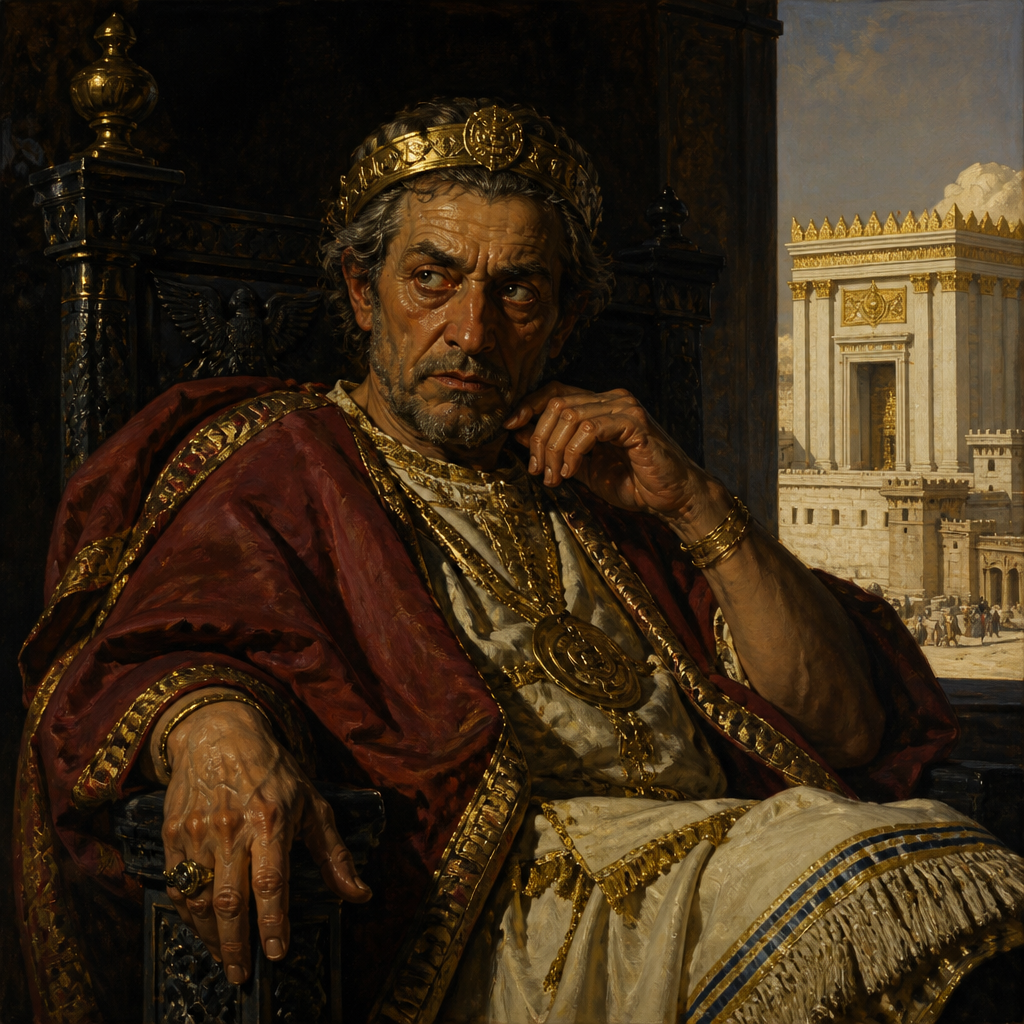
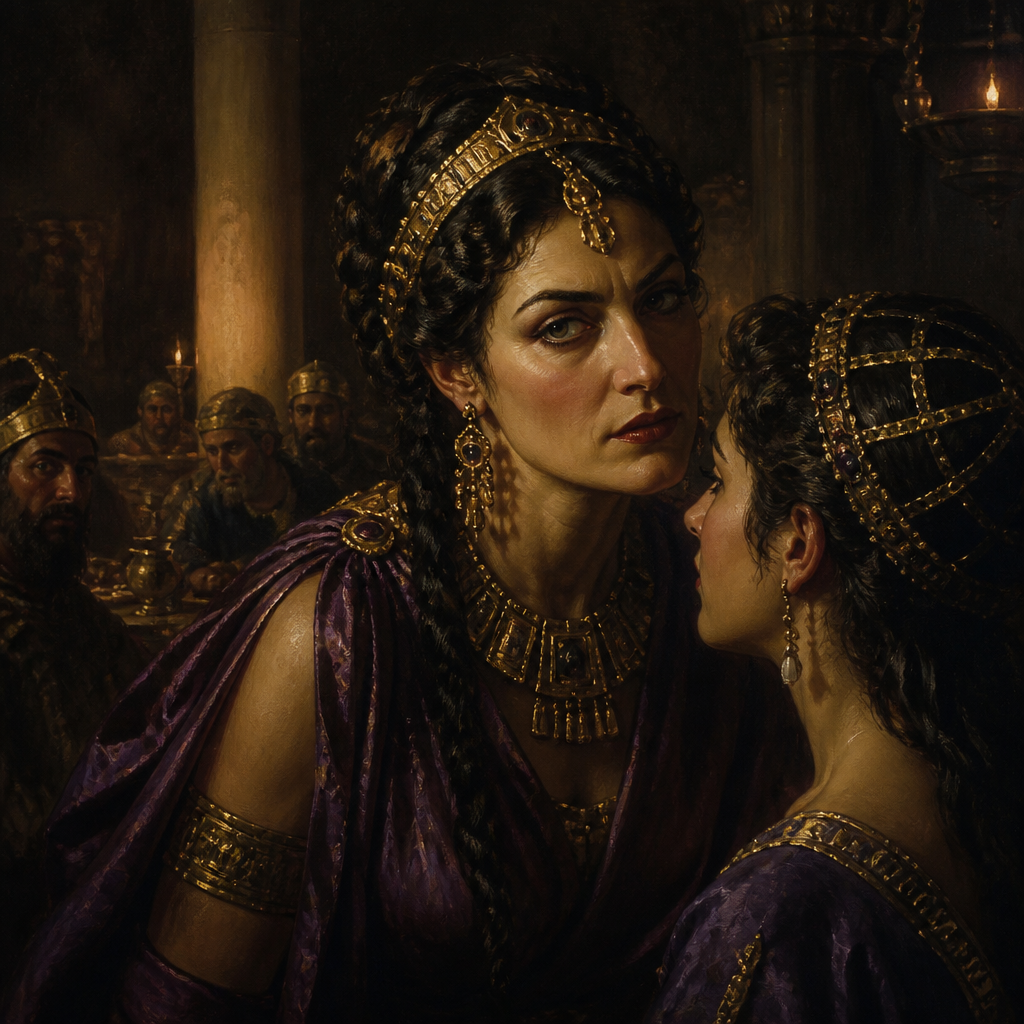
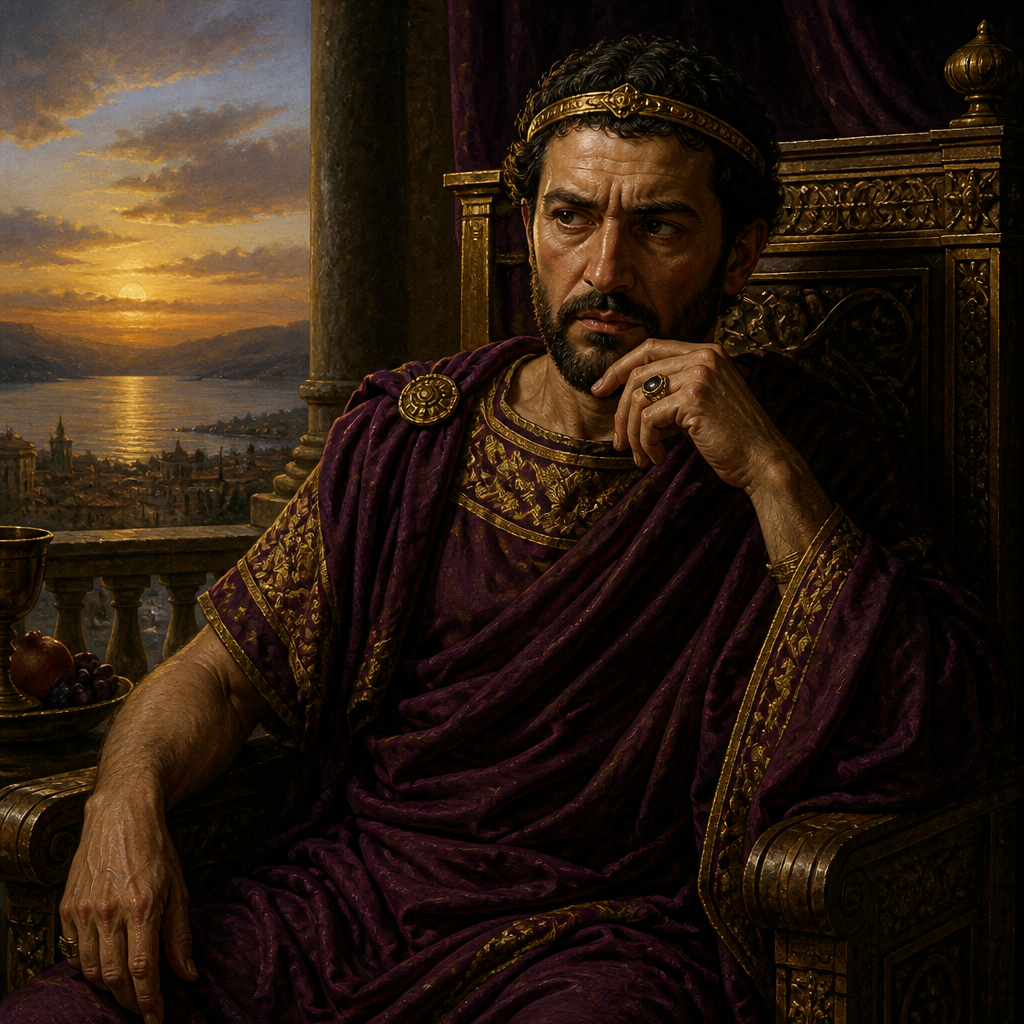
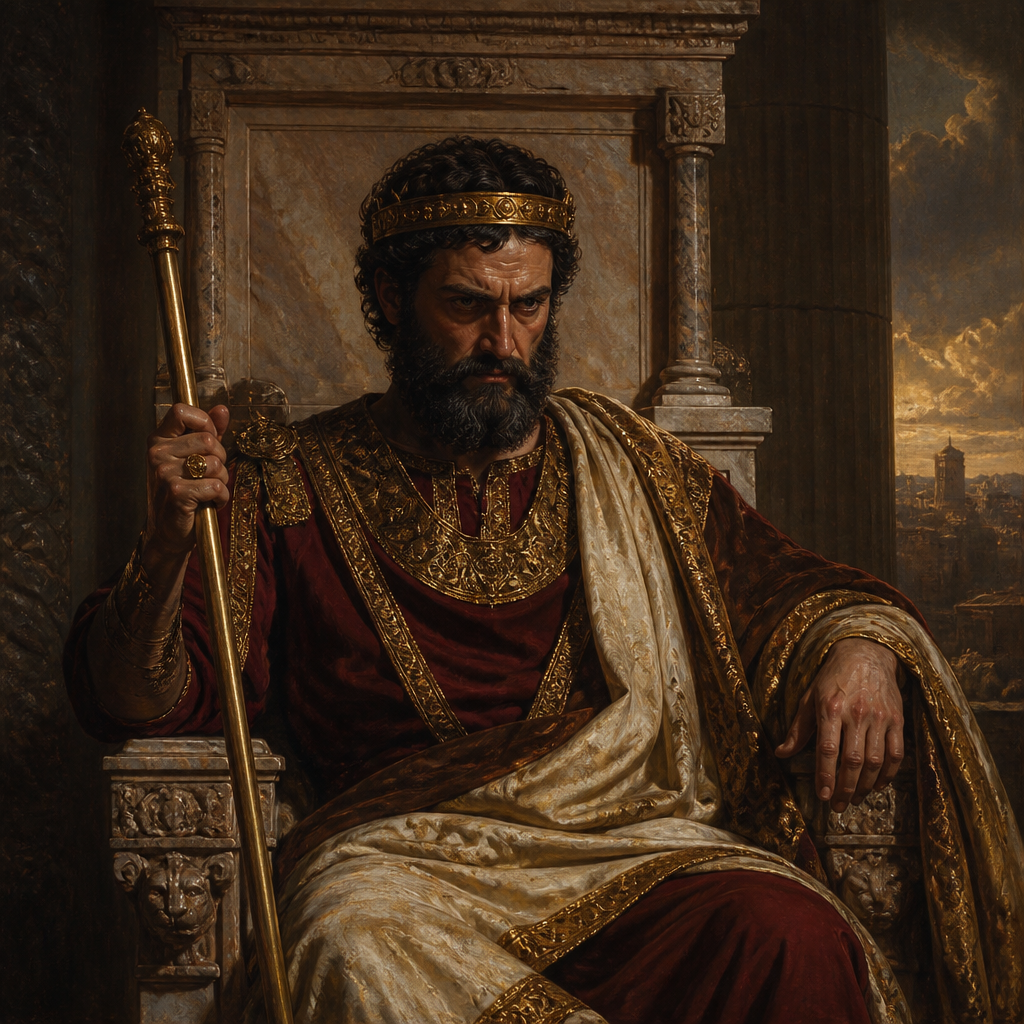
Categories
Mentions by Book
- Luke1
- Mark1
- Matthew1
Family & Relationships
Child
Matthew 14:3
Sibling
Matthew 14:3
Sibling
Matthew 14:3
Spouse / partner
Matthew 14:3
Sibling
Matthew 14:3
Sibling
Matthew 2:22
Sibling
Matthew 14:1
Parent
Matthew 2:1
Spouse / partner
Matthew 14:3
Sibling
Luke 3:1