John, Son of Zebedee and Apostle
One of the twelve apostles of Jesus, a son of Zebedee, and a key leader in the early Church who received the vision recorded in Revelation.
John, a prominent figure in the New Testament, was the son of Zebedee and Salome, and the brother of James. Originally a fisherman by trade in the region of Galilee, he was among the first disciples called by Jesus to leave his occupation and follow Him. Alongside his brother, he was given the nickname 'Boanerges' (Sons of Thunder) by Jesus, a title reflecting his zealous and perhaps volatile temperament early in his ministry.
John became part of an inner circle of three disciples—alongside Peter and James—who were granted exclusive access to pivotal moments in Jesus' ministry, including the Transfiguration and the agony in Gethsemane. Following the resurrection and ascension of Christ, John emerged as a 'pillar' of the Jerusalem church, working closely with Peter to spread the Gospel and face persecution from the religious authorities. In his later years, he was exiled to the island of Patmos, where he received the apocalyptic visions that conclude the biblical canon.
Background and Family
John was the son of Zebedee, a fisherman who possessed enough means to employ hired servants (Mark 1:19-20). His mother is identified as Salome, who was among the women following Jesus and supporting His ministry. John worked in partnership with his brother James and the brothers Simon Peter and Andrew. The family business was centered on the Sea of Galilee, specifically near Capernaum or Bethsaida. John’s transition from a tradesman to a disciple began when Jesus encountered him and James mending their nets and called them to become 'fishers of men.'
Major Life Events
Call to Apostleship and the Inner Circle
John’s life changed radically when he left his father’s boat to follow Jesus (Matthew 4:21). He was subsequently named one of the twelve apostles (Matthew 10:2). Within this group, John, James, and Peter formed a distinct inner circle. This trio alone witnessed the raising of Jairus’s daughter (Mark 5:37), the Transfiguration on the mountain where Jesus’ glory was revealed (Matthew 17:1), and Jesus' private prayer in the Garden of Gethsemane (Mark 14:33).
The 'Sons of Thunder'
John’s early character is marked by a fiery zeal. Jesus surnamed the brothers 'Boanerges,' or 'Sons of Thunder' (Mark 3:17). This temperament is evident when John sought to stop a man from casting out demons because he was not part of their specific group (Mark 9:38), and notably when he and James suggested calling down fire from heaven to consume a Samaritan village that had rejected Jesus (Luke 9:54). Furthermore, John and his brother displayed personal ambition by asking Jesus for seats of honor—one at His right hand and one at His left—in the coming kingdom (Mark 10:35-37).
The Early Church and Acts
After the Ascension, John is seen as a leader of the nascent Christian community. He and Peter were instrumental in the healing of a lame man at the Temple gate called Beautiful, which led to their arrest and trial before the Sanhedrin (Acts 3-4). The council noted that John was an 'unschooled, ordinary' man but recognized he had 'been with Jesus' (Acts 4:13). Later, John traveled to Samaria with Peter to confirm the new converts there, laying hands on them to receive the Holy Spirit (Acts 8:14).
Exile and Revelation
The biblical record of John concludes with his exile to the island of Patmos 'because of the word of God and the testimony of Jesus' (Revelation 1:9). It was here that he received the series of visions concerning the end of the age, the judgment of the world, and the descent of the New Jerusalem (Revelation 21:2). He identifies himself simply as 'John' and a 'partner in the tribulation' (Revelation 1:9, 22:8).
Relationship to Other Biblical Figures
John’s most constant human association was with his brother James and his ministry partner Peter. While John and James were often portrayed as a pair (Luke 5:10), the Book of Acts highlights the synergy between Peter and John as they spearheaded the mission in Jerusalem. John was also present when his brother James became the first apostle to be martyred, executed by Herod Agrippa I (Acts 12:2). In the wider scope of the early church, the apostle Paul recognized John as one of the 'pillars' of the church during his visit to Jerusalem (Galatians 2:9).
Spiritual Significance
John’s spiritual trajectory is one of transformation—from a 'Son of Thunder' seeking to destroy enemies to a 'pillar' of the church and a recipient of divine revelation. His presence at the Transfiguration and the cross (implied by his role as a witness) positioned him as a primary authority on the deity and humanity of Christ. His recording of the Revelation provided the early Church with a cosmic perspective on the victory of God over evil, offering hope to those facing Roman persecution. He remains a symbol of the transition from a disciple in training to a seasoned apostle who bore witness to the 'revelation of Jesus Christ' (Revelation 1:1).
Spiritual Significance
John serves as a crucial bridge between the earthly ministry of Jesus and the theological developments of the early Church. As one of the 'pillars' mentioned by Paul, his authority helped validate the mission to both Jews and Gentiles. His unique inclusion in the inner circle allowed him to testify to aspects of Jesus' life that others did not witness, such as the Transfiguration.
Theologically, John is the primary conduit for the New Testament's most detailed eschatology. Through the Book of Revelation, he provides the canonical conclusion to the biblical narrative, moving from the creation in Genesis to the 'New Jerusalem' in his own vision. His life illustrates the power of proximity to Jesus to transform a man of narrow, thunderous ambition into a steadfast witness of God's sovereign plan.
Frequently Asked Questions
Who were John's parents?
John was the son of Zebedee, a fisherman, and Salome, who was a follower of Jesus.
What does 'Boanerges' mean?
It is a Hebrew/Aramaic term meaning 'Sons of Thunder,' a name Jesus gave to John and his brother James, likely due to their fiery or impulsive temperaments.
Where was John exiled?
John was exiled to the island of Patmos, a small Greek island in the Aegean Sea, because of his testimony about Jesus.
What significant events did John witness alone with Peter and James?
They were the only disciples present for the raising of Jairus's daughter, the Transfiguration of Jesus, and Jesus' time of distress in the Garden of Gethsemane.
Which book did John write according to the text?
The text explicitly identifies John as the recipient and writer of the Book of Revelation (Revelation 1:1, 1:4, 22:8).
Connected Figures
James, Son of Zebedee
Brother and fellow apostle
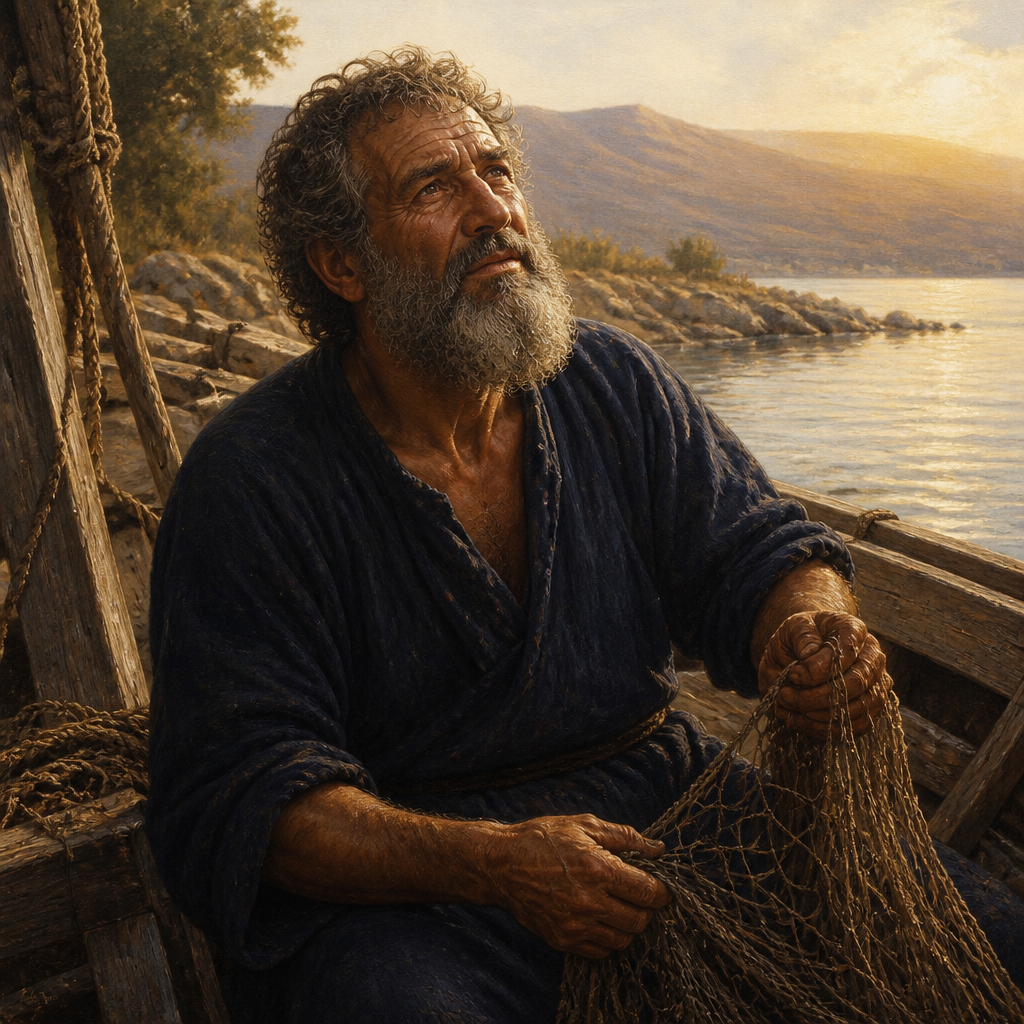
Zebedee
Father
Salome
Mother
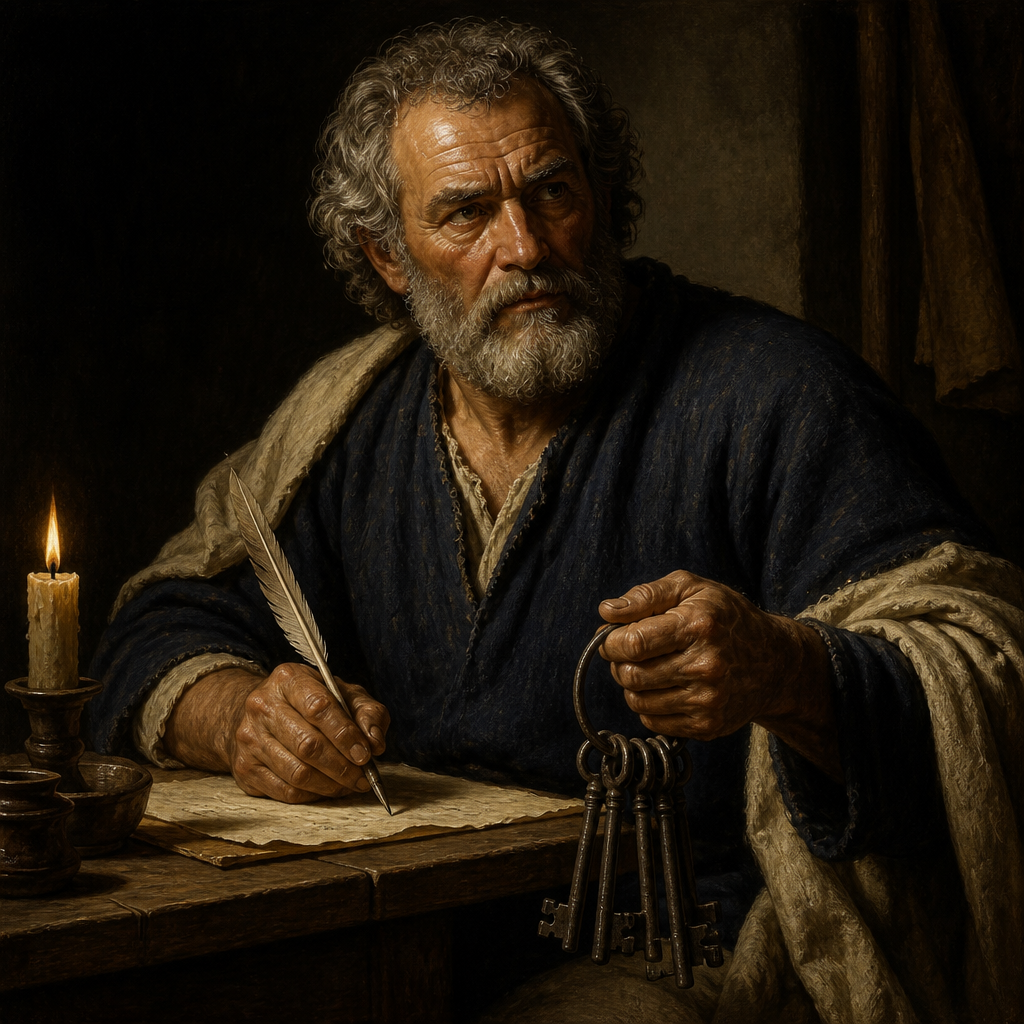
Peter
Ministry partner and fellow apostle
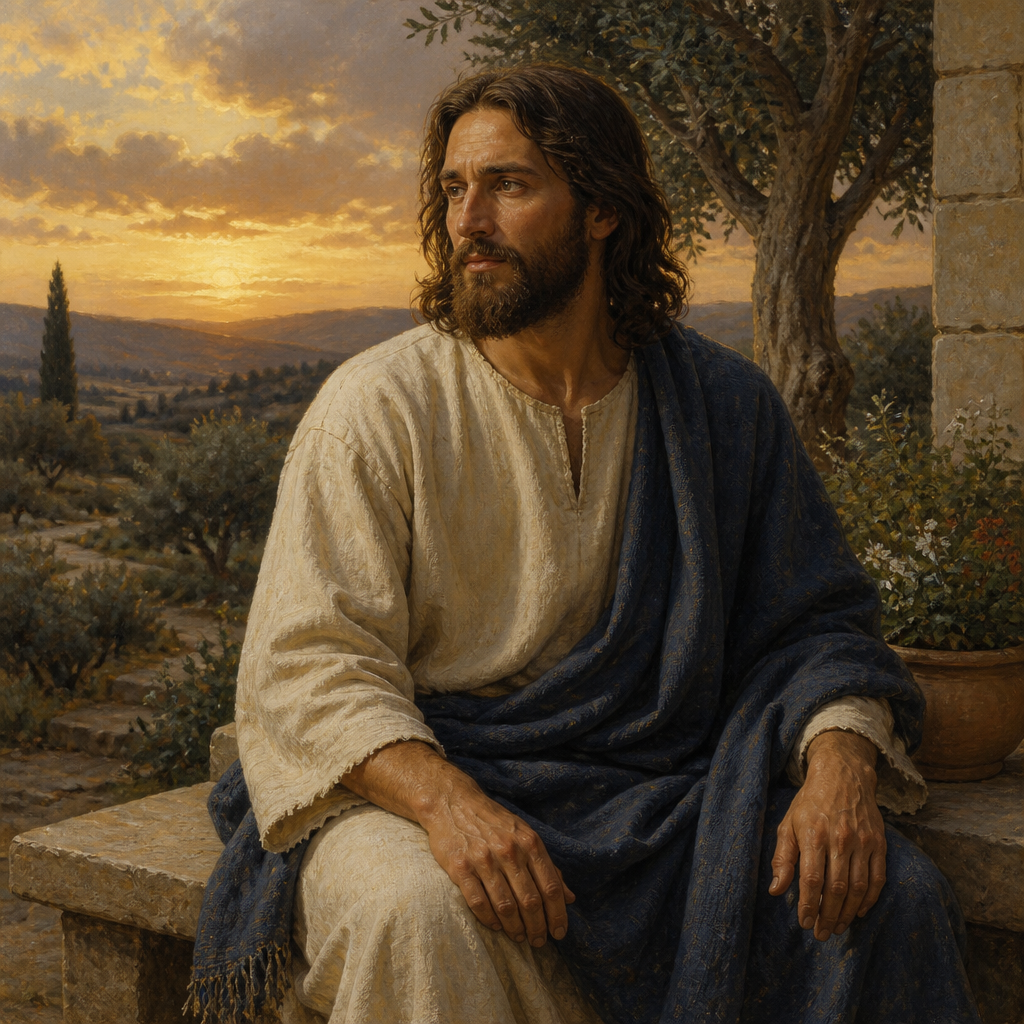
Jesus
Teacher and Lord
Categories
Mentions by Book
- Mark10
- Acts9
- Luke7
- Revelation5
- Matthew3
- Galatians1
Family & Relationships
Sibling
Matthew 4:21
Sibling
Matthew 4:21
Parent
Matthew 4:21
Parent
Salome, Mother of the Sons of Zebedee
Matthew 20:20
Others Named John
John, Member of the High Priest's FamilyActs 4:6
A member of the aristocratic high-priestly family in Jerusalem who sat in judgment of the apostles Peter and John after the healing of a lame man.
John, Father of Simon PeterJohn 21:15
A man of the first century AD primarily known as the father of the prominent apostles Simon Peter and Andrew.