Mary, Hard Worker of Rome
A prominent woman in the first-century Roman church commended by the Apostle Paul for her exceptional labor and dedication to the Christian community.
Mary is an individual mentioned by the Apostle Paul in his closing greetings to the church in Rome. While the New Testament contains several women with this name, this specific Mary is distinguished solely by her residency in Rome and her reputation for diligent service. She is one of the many laborers who formed the backbone of the early urban Christian communities, operating within the house-church structures of the imperial capital.
Paul’s mention of her is brief but emphatic, utilizing a Greek verb that implies strenuous, exhausting toil. Though her specific background and the nature of her work are not detailed in the text, her inclusion in the Roman salutations indicates she was a person of recognized standing and vital importance to the mission of the early church during the mid-first century AD.
Background and Family
The biblical record provides no specific details regarding the lineage, tribe, or nationality of Mary. Given her presence in Rome, she was likely a member of the diverse Christian community in the capital, which consisted of both Jewish and Gentile converts. Her name, Maria, is the Greek form of the Hebrew Miriam, which was the most common female name among Jewish populations in the first century AD. However, by this era, the name had also been transliterated into Latin and was used within Roman contexts. Consequently, it is impossible to determine her ethnic origin from the text alone. There are no recorded relationships or family members associated with her in the Epistle to the Romans.
Major Life Events
The only recorded event in the life of this Mary is her reception of a formal greeting from the Apostle Paul. In Romans 16:6, Paul writes: "Greet Mary, who has worked very hard for you." This statement suggests that Mary’s work was directed toward the local believers in Rome rather than Paul himself.
Historically, this greeting is part of a larger list of twenty-eight individuals Paul identifies in the Roman church. This suggests that while Paul had not yet visited Rome at the time of writing (c. 57 AD), he was well-informed of the specific contributors to the Roman mission. Mary’s labor was significant enough to have reached the ears of the Apostle, marking her as a central figure in the communal life of the Roman saints.
Relationship to Other Biblical Figures
Mary is primarily linked to the Apostle Paul through his recognition of her ministry. Paul uses the Greek word ekopiasen to describe her work, a term he frequently applies to his own apostolic labors and the work of other prominent ministers. This linguistic connection places Mary in the same category as other dedicated coworkers mentioned in the same chapter, such as Persis, Tryphena, and Tryphosa. While the text does not state that Mary worked directly with Paul, it affirms her role as a vital contributor to the body of believers he intended to visit.
Spiritual Significance
The spiritual significance of Mary lies in her representation of the "unsung" laborers of the early church. She exemplifies the role of women in the Pauline missions—individuals who were not necessarily apostles or elders but whose "hard work" was essential for the growth and sustainability of the church. In the context of Romans 16, Mary serves as a testament to the high value placed on service (diakonia) and the exhaustion of oneself for the sake of the Gospel. Her inclusion in the canon, despite the brevity of her mention, underscores the biblical principle that every act of service in the church is noticed by God and worthy of honor among the saints.
Spiritual Significance
Mary represents the essential role of communal service in the early church. Paul’s commendation of her 'hard work' (Greek: *kopiaō*) highlights that the spread of Christianity relied on the physical and spiritual exhaustion of dedicated local believers. Her presence in the text affirms the visibility and value of women's labor in the first-century Roman mission.
Furthermore, she stands as a historical witness to the diversity of the Roman church. By being singled out by name, she illustrates that the early Christian movement was not an anonymous mass but a network of individuals whose specific efforts were known and appreciated across geographic distances, bridging the gap between the apostles and the local congregations.
Frequently Asked Questions
What kind of work did Mary do in Rome?
The Bible does not specify the exact nature of her work. The Greek word used (kopiaō) implies labor to the point of exhaustion, which could refer to manual labor, hospitality, teaching, or administrative support within the church.
Was Mary a leader in the Roman church?
While the text does not grant her a formal title like 'deacon' or 'apostle,' Paul’s public commendation suggests she held a position of significant influence and respect due to her service.
Did Mary know the Apostle Paul personally?
It is unlikely they had met, as Paul wrote Romans before his first visit to the city. However, Paul knew of her reputation and her specific contributions to the Roman believers.
Is Mary mentioned anywhere else in the Bible?
No. This specific Mary is only mentioned in Romans 16:6. She is distinct from the other women named Mary who appear in the Gospels and Acts.
What is the meaning of the name Mary in this context?
The name is the Greek form of Miriam. In the Roman context, it could signify Jewish heritage, but it was also a common name in the broader Mediterranean world of the first century AD.
Connected Figures
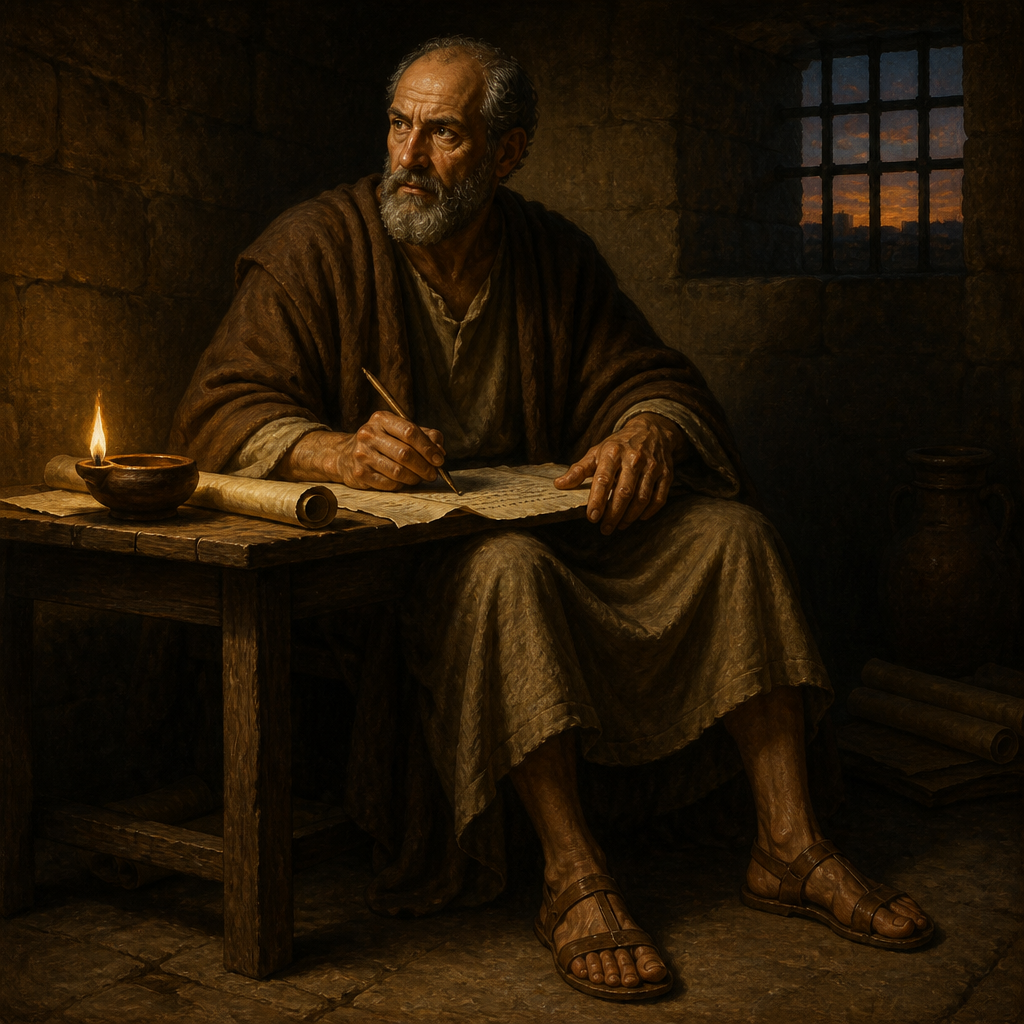
Paul the Apostle
Apostle who commended her
Tryphena
Fellow worker in Rome
Tryphosa
Fellow worker in Rome
Persis
Fellow worker in Rome
Categories
Mentions by Book
- Romans1
Others Named Mary
Mary, Mother of John MarkActs 12:12
A prominent woman in the early Jerusalem church whose home served as a primary meeting and prayer location for the apostles.
Mary, Sister of Martha and LazarusLuke 10:39
A devoted follower of Jesus from Bethany known for her contemplative posture at Christ's feet and her sacrificial act of anointing Him with expensive perfume.
Mary, Mother of James and JosesMatthew 27:56
A dedicated follower of Jesus who witnessed His crucifixion, prepared for His burial, and was among the first to witness the empty tomb.