Ananias of the Early Church
A member of the early Christian community in Jerusalem who was struck dead for lying to the Holy Spirit regarding the sale of his property.
Ananias was a first-century AD follower of the Way within the fledgling Christian community in Jerusalem. His account, though brief, serves as a sobering turning point in the Book of Acts, illustrating the internal challenges of the early church as it transitioned from a small group of disciples into a structured community. Living during the apostolic era shortly after Pentecost, Ananias participated in the communal economic practice where believers sold their possessions to support the collective needs of the church.
His legacy is defined entirely by a single, tragic event involving a financial transaction and a subsequent act of deception. Unlike other figures of the period who are remembered for their missionary zeal or martyrdom at the hands of external persecutors, Ananias is recorded as the first internal disciplinary case of the New Testament church. His story emphasizes the absolute requirement for integrity and the presence of the Holy Spirit as a discerning force within the body of believers.
Background and Family
The biblical record concerning Ananias is contained exclusively within the fifth chapter of the Book of Acts. No information is provided regarding his tribe, lineage, or geographic origin, though he was clearly an established member of the Jerusalem assembly. The text identifies him primarily through his marriage to Sapphira, who was his partner in both his financial dealings and his eventual deception. The couple appears to have been of some means, as they owned a piece of property—a significant asset in the agrarian and urban economy of first-century Judea.
Major Life Events
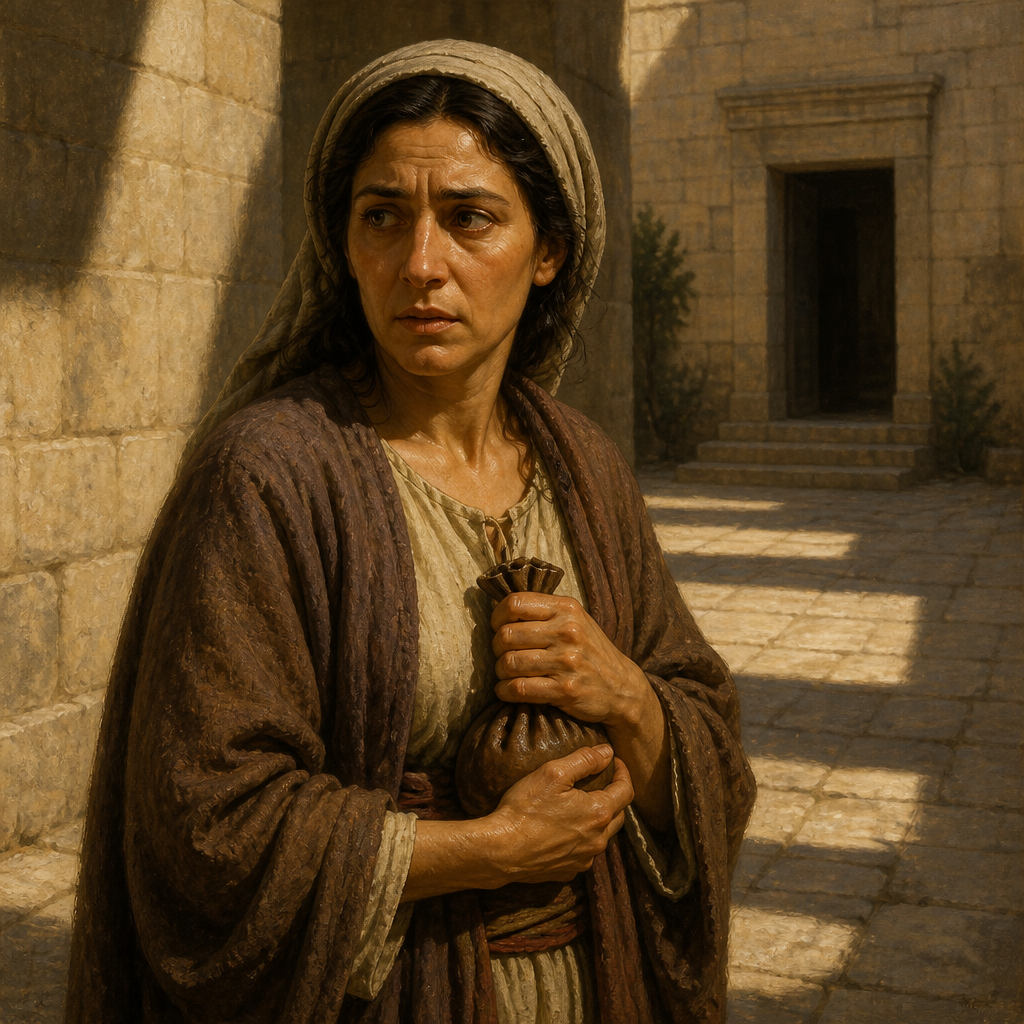
The narrative begins with Ananias and Sapphira deciding to sell a piece of land. In the early church, it was common for owners of lands or houses to sell them and bring the proceeds to the apostles to distribute to those in need. However, Ananias, with his wife’s full knowledge, conspired to keep back a portion of the sale price for himself while presenting the remainder as the full amount to the apostles.
When Ananias presented the money to Peter, he did not merely commit a financial fraud; he attempted a spiritual deception. Peter, moved by the Holy Spirit, confronted Ananias directly, asking, "Ananias, how is it that Satan has filled your heart to lie to the Holy Spirit and withhold some of the proceeds from the land?" (Acts 5:3). Peter clarified that the property belonged to Ananias and the money was his to use as he saw fit, but the sin lay in the false pretense of total consecration.
Upon hearing Peter’s rebuke and the exposure of his lie, Ananias immediately fell down and died. His death was not the result of a human execution but was a divine judgment that occurred instantly in the presence of the assembly. The text notes that young men came forward, wrapped his body, carried him out, and buried him.
Relationship to Other Biblical Figures
Ananias is inextricably linked to his wife, Sapphira, who shared his conspiratorial intent and suffered the same fate three hours later. His primary interaction is with the Apostle Peter, who acted as the primary authority and vessel for the Holy Spirit's discernment in the Jerusalem church. While he was a member of the wider community of believers, his actions placed him in direct opposition to the unity and sincerity characterized by the rest of the group at that time.
Spiritual Significance
The account of Ananias serves as a stern warning regarding the gravity of hypocrisy within the religious community. It marks the first recorded instance of sin threatening the internal purity of the New Testament church. Theologically, the episode is often cited to demonstrate the personhood and divinity of the Holy Spirit, as Peter equates lying to the Holy Spirit with lying to God. The immediate consequence of his actions resulted in "great fear" coming upon the whole church and all who heard the news, serving as a catalyst for a renewed sense of awe and reverence for the divine presence among the apostles.
Spiritual Significance
Ananias represents the danger of outward religiosity masking inward corruption. His story establishes the precedent that the Holy Spirit is not merely an impersonal force but a discerning presence that governs the integrity of the church. The judgment he faced underscores the transition from the communal idealism of Acts 4 to the realistic internal struggles of the growing body of Christ.
Furthermore, the episode functions as a literary and theological parallel to the Old Testament account of Achan, who also withheld devoted items for himself, resulting in judgment. For the early church, the death of Ananias served to validate the authority of the apostles and the seriousness of the covenantal life they had entered together.
Frequently Asked Questions
What was the specific sin of Ananias?
His sin was not keeping the money, but lying about it. He claimed to be giving the full amount of the sale to the church while secretly keeping a portion for himself, thus attempting to deceive the Holy Spirit.
Did Ananias have to sell his property?
No. The Apostle Peter explicitly stated that the land belonged to Ananias and he was under no compulsion to sell it or give the proceeds away.
Who was Ananias's wife?
His wife was Sapphira, who was complicit in the plan to withhold the money and died shortly after him for the same deception.
How did Ananias die?
According to Acts 5:5, after hearing Peter's rebuke, Ananias fell down and died instantly. This is traditionally interpreted as a direct act of divine judgment.
Connected Figures

Categories
Mentions by Book
- Acts3
Family & Relationships
Others Named Ananias of the Early Church
Ananias the High PriestActs 23:2
The Jewish high priest who presided over the initial trial of the Apostle Paul and later prosecuted him before the Roman governor Felix.
Ananias of DamascusActs 9:10
A devout Jewish disciple in Damascus who, following a divine vision, restored the sight of the newly converted Saul of Tarsus and baptized him.