
Holy Week
From the triumphal entry to the tomb
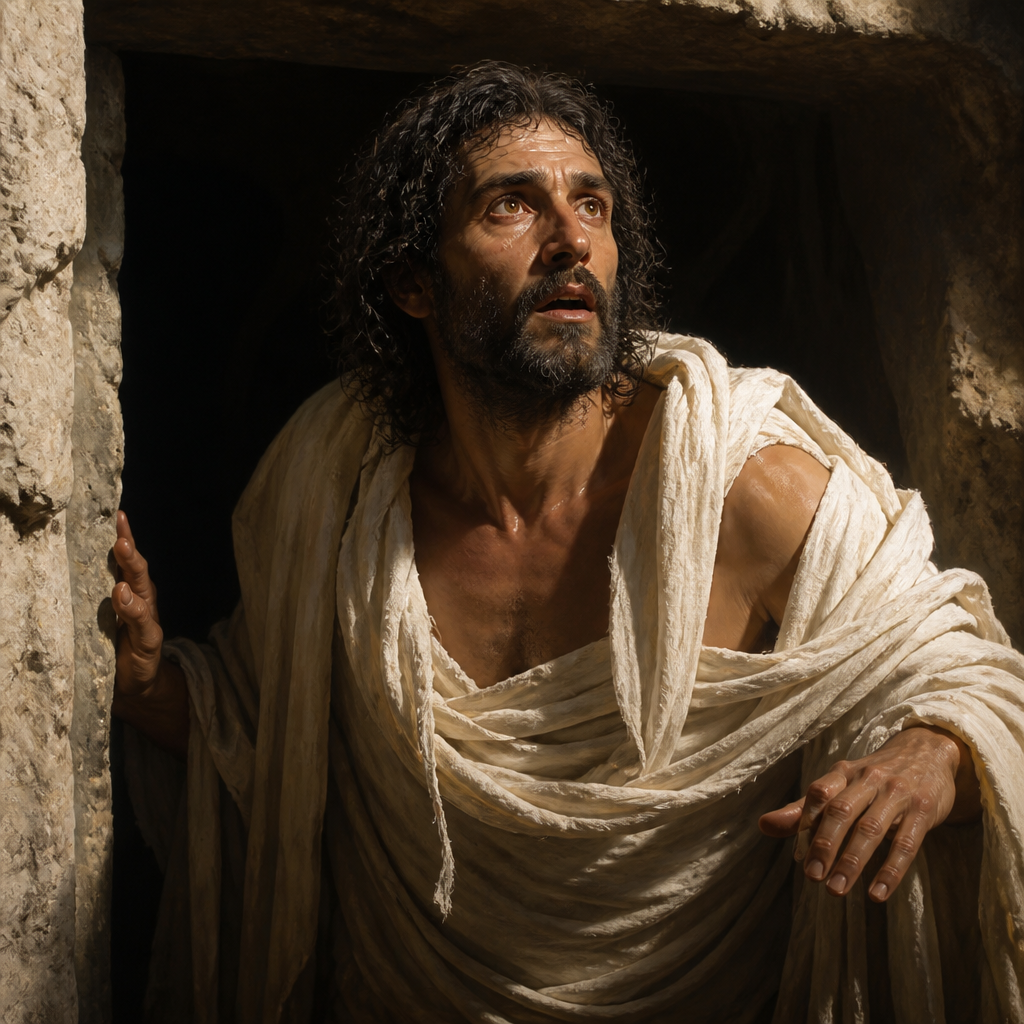
The events of Holy Week describe the final days of the earthly life of Jesus beginning with his entry into Jerusalem and concluding with his burial (Matthew 21:1–11, John 19:38–42). The narrative opens in Bethany at the home of Simon the Leper, where Jesus is anointed for his burial (Matthew 26:6–12). While in Bethany, Jesus also visits Lazarus of Bethany, whom he had previously raised from the dead (John 12:1–2). During the Passover meal, Jesus identifies Judas Iscariot as the one who will hand him over to the authorities for thirty pieces of silver (Matthew 26:14–25). Following the meal, Jesus retreats to a garden where Peter, James son of Zebedee, and John the Apostle fall asleep while Jesus prays (Matthew 26:36–46).
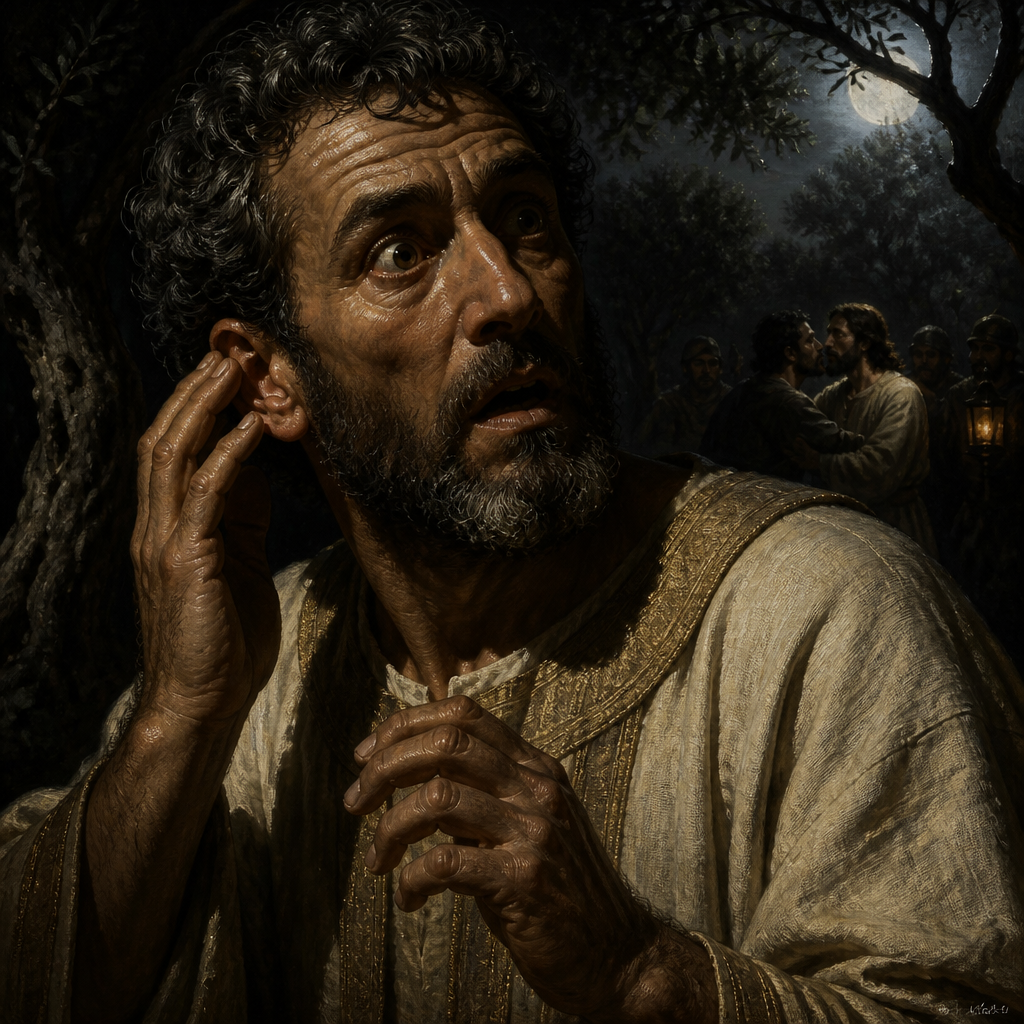
The arrest occurs when Judas Iscariot leads a crowd to the garden, prompting Peter to draw a sword and cut off the ear of Malchus, a servant of the high priest (John 18:10). Jesus is first taken to Annas for questioning before being sent to the high priest Caiaphas, who presides over the council that condemns him (John 18:13–24, Matthew 26:57–66). The legal proceedings move to the Roman governor Pilate, who finds no guilt in him and sends him to Herod Antipas for further interrogation (Luke 23:1–12). Although Pilate offers to release Jesus, the crowd instead demands the release of a prisoner named Barabbas (Matthew 27:15–26).
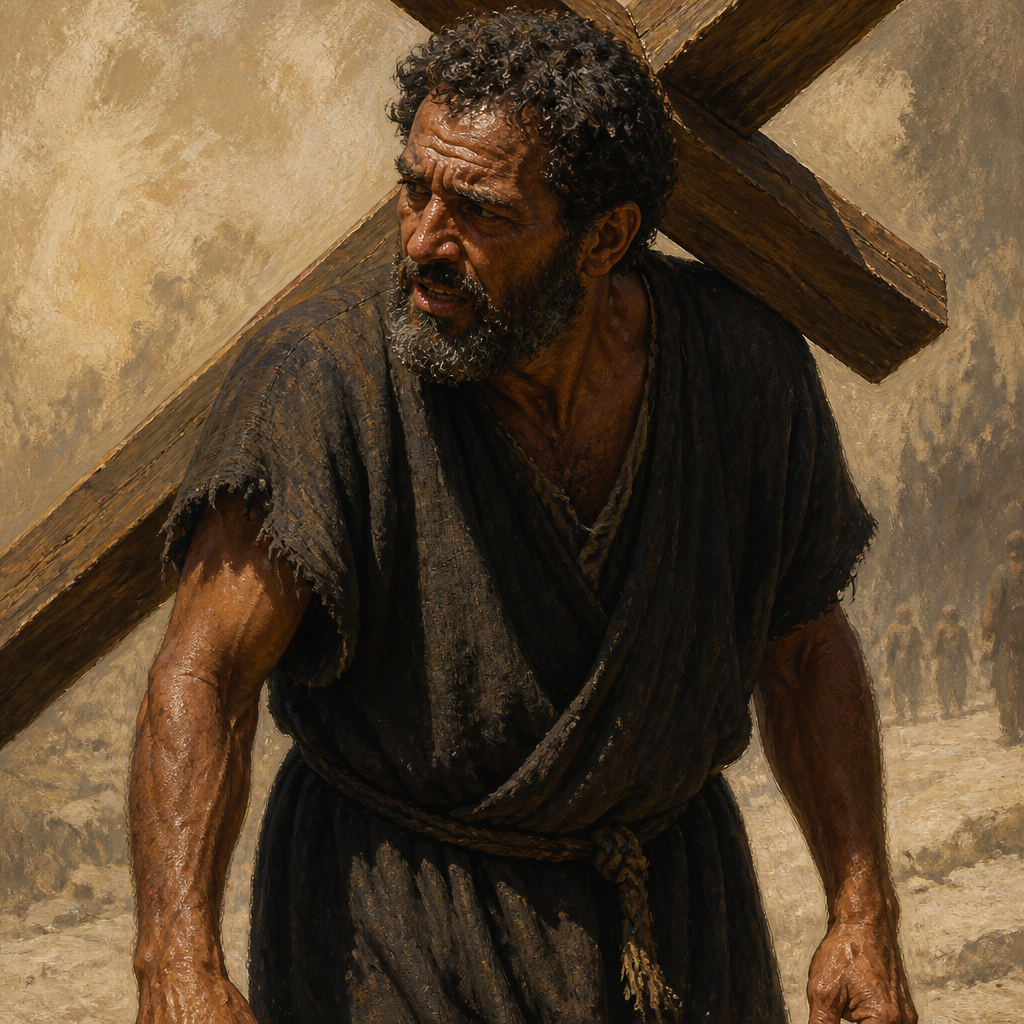
The execution takes place at Golgotha after Simon of Cyrene is forced by soldiers to carry the cross (Matthew 27:32). Several women witness the crucifixion from a distance, including Mary, Mary Magdalene, and Salome (John 19:25, Mark 15:40). Also present are Mary and her son Joses (Mark 15:40–47). After Jesus dies, Joseph of Arimathea requests the body from Pilate to place it in a new tomb (Matthew 27:57–60). He is assisted by Nicodemus, who brings a large quantity of myrrh and aloes to wrap with the body in linen cloths (John 19:39–40).
This sequence of events functions as the climax of the four Gospel accounts, fulfilling specific prophecies regarding the rejection and suffering of the Messiah. The text emphasizes the transition of authority from the reign of Tiberius and local leaders like Herod Antipas to the establishment of a new covenant through the death of Jesus (Luke 3:1, Matthew 26:28). The participation of the apostles, including James son of Alphaeus and the other members of the Twelve, establishes the historical foundation for the subsequent ministry of the early church (Matthew 10:2–4, Acts 1:13). The week concludes with the body of Jesus secured in a tomb, set behind a stone and watched by a guard (Matthew 27:62–66).
Everyone in this list

Annas
High Priest who led the preliminary trial of Jesus and daughter's husband was Caiaphas
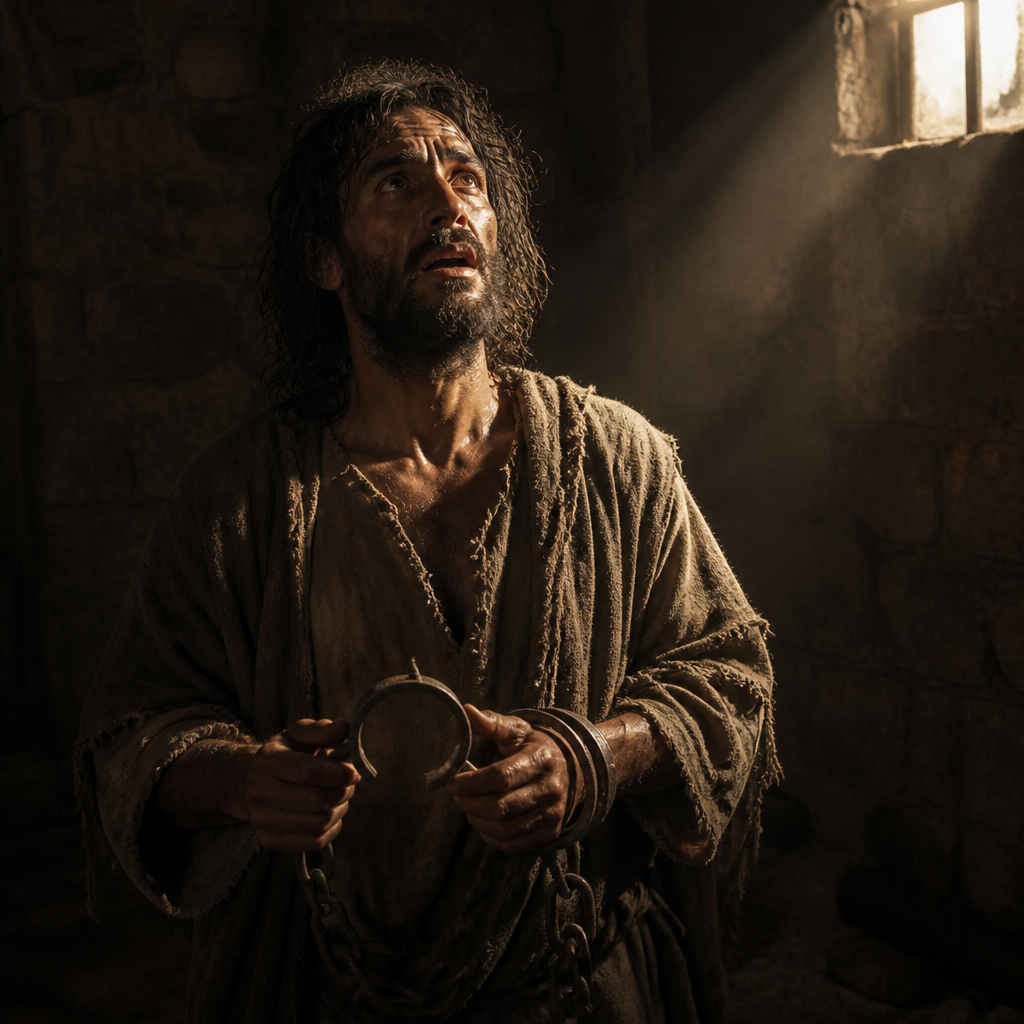

Caiaphas
High Priest who presided over the Sanhedrin during the trial of Jesus
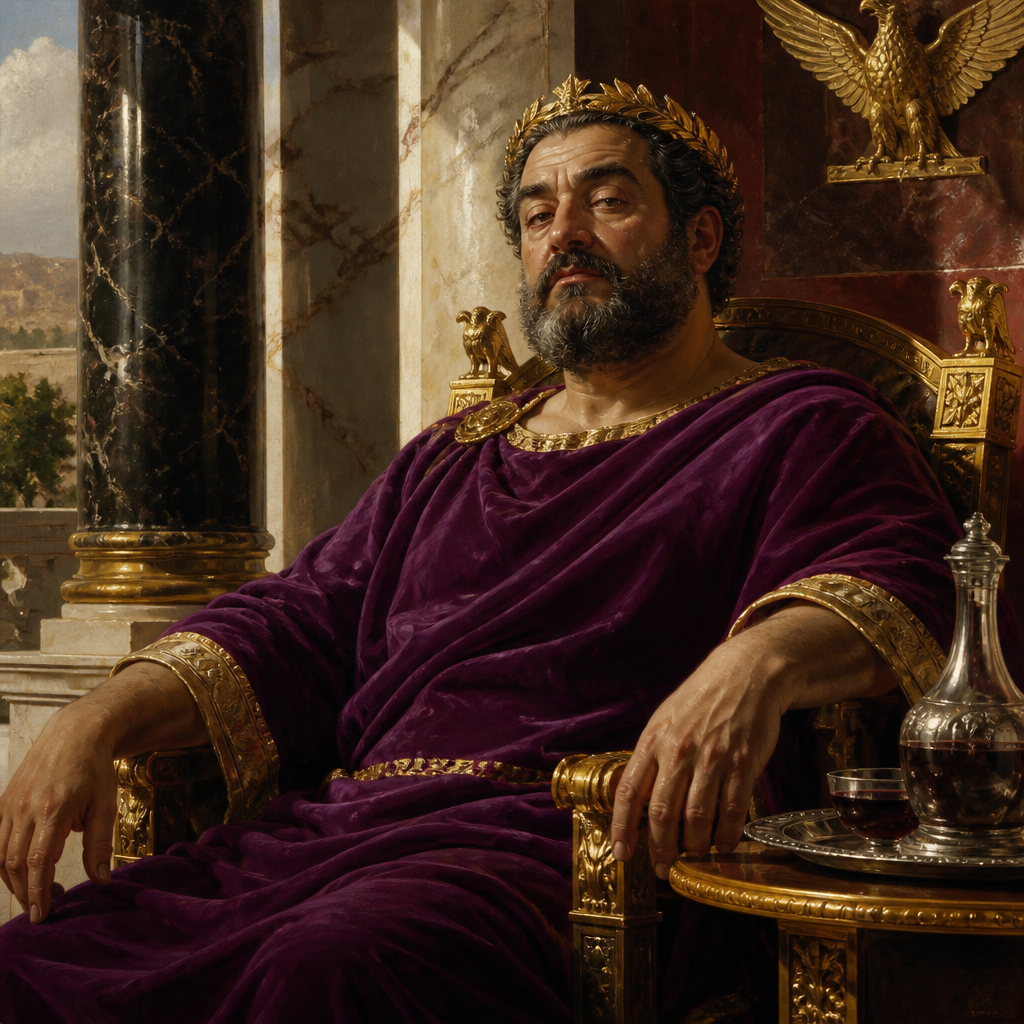
Herod Antipas
Tetrarch of Galilee who executed John the Baptist and mocked Jesus Christ
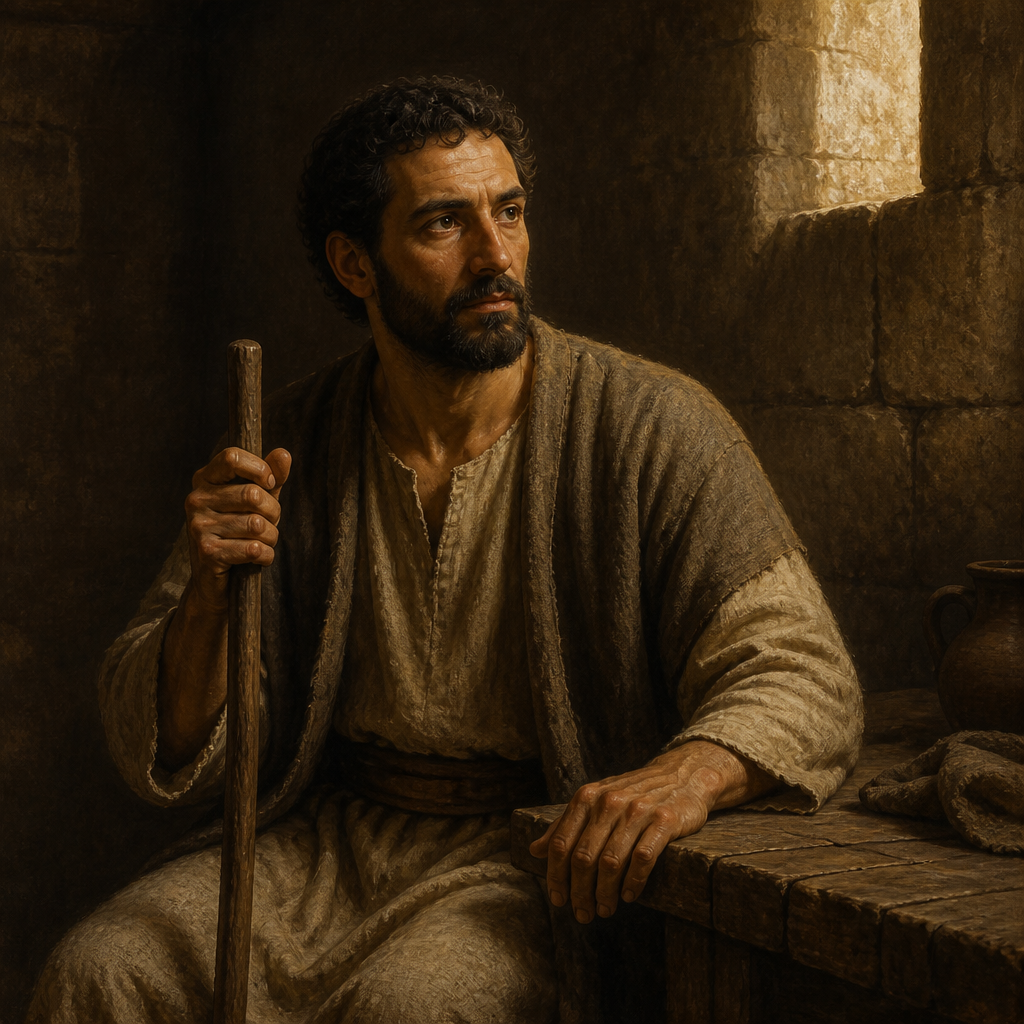
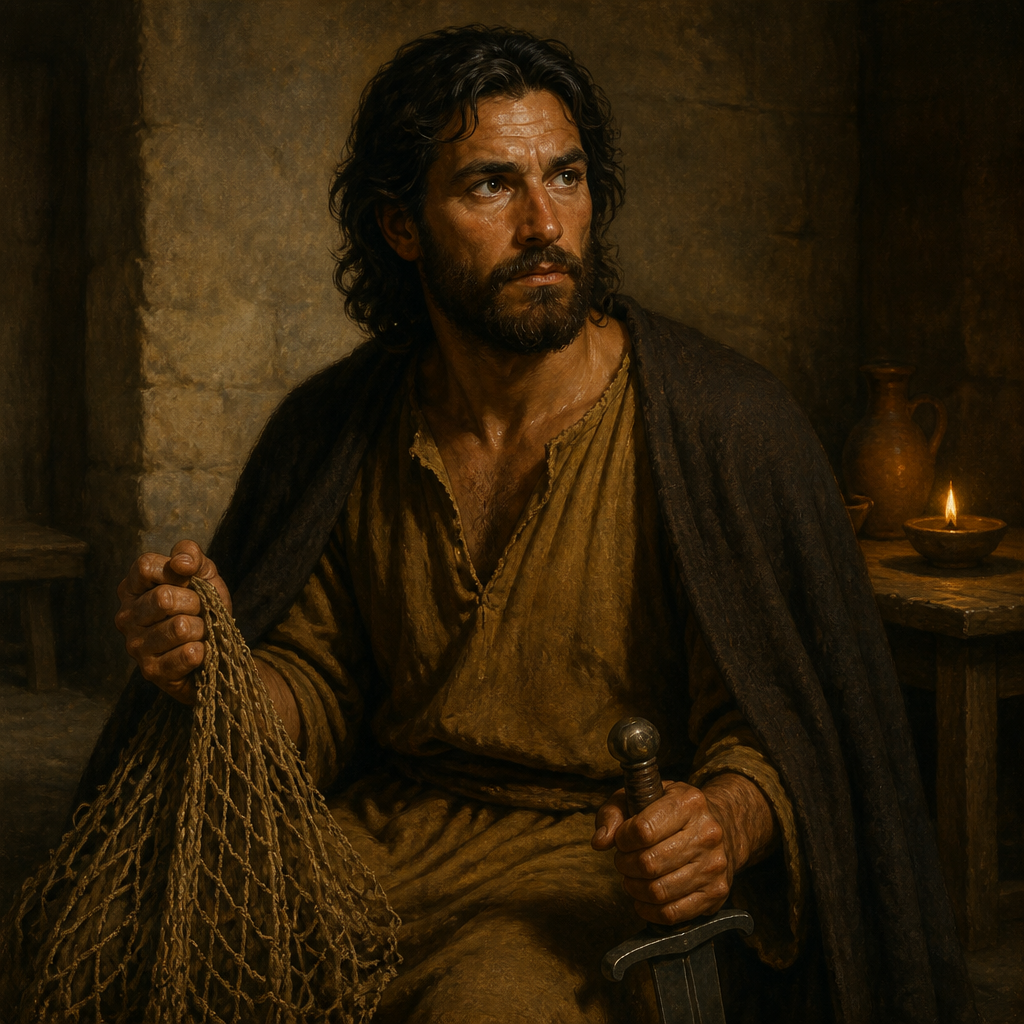
James son of Zebedee
Apostle and brother of John who was the first of the Twelve to be martyred
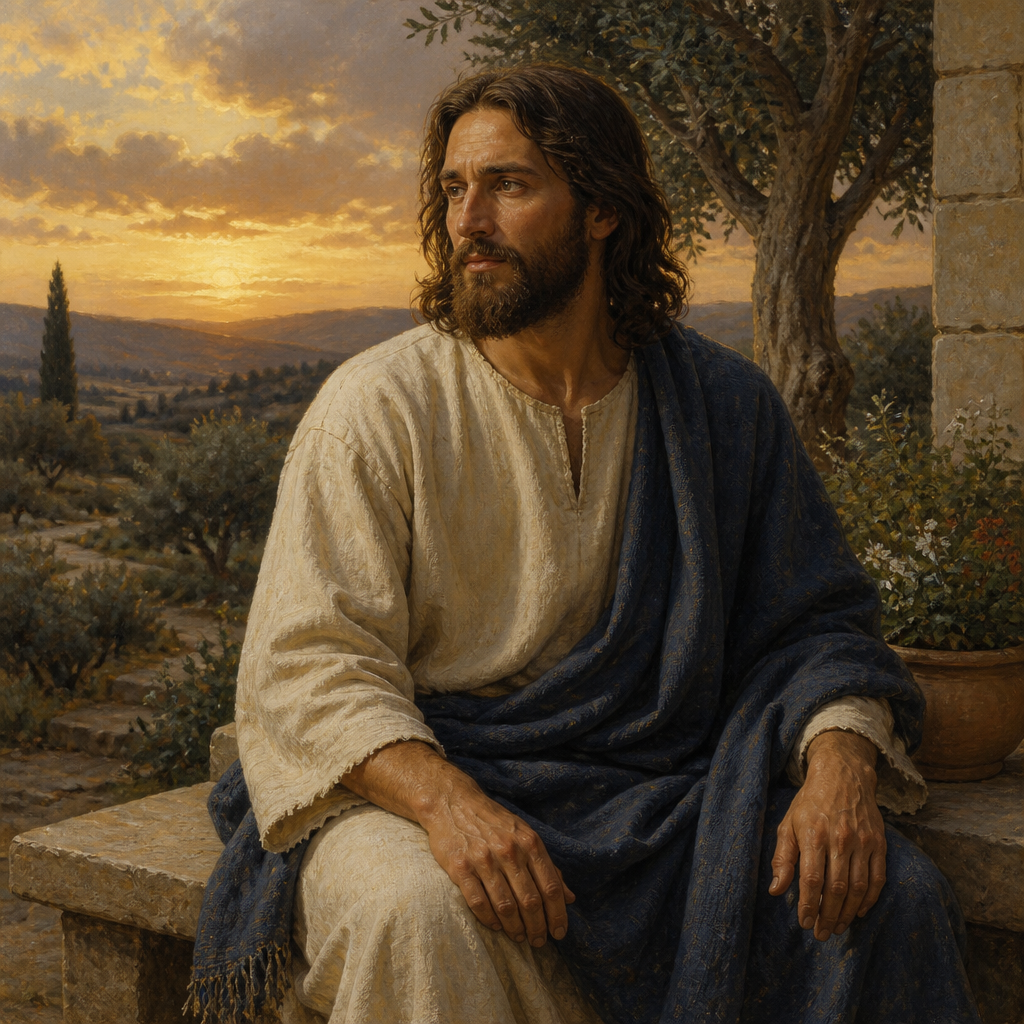
Jesus
Messiah and central figure of the New Testament whose life, death, and resurrection form the basis of the Christian faith
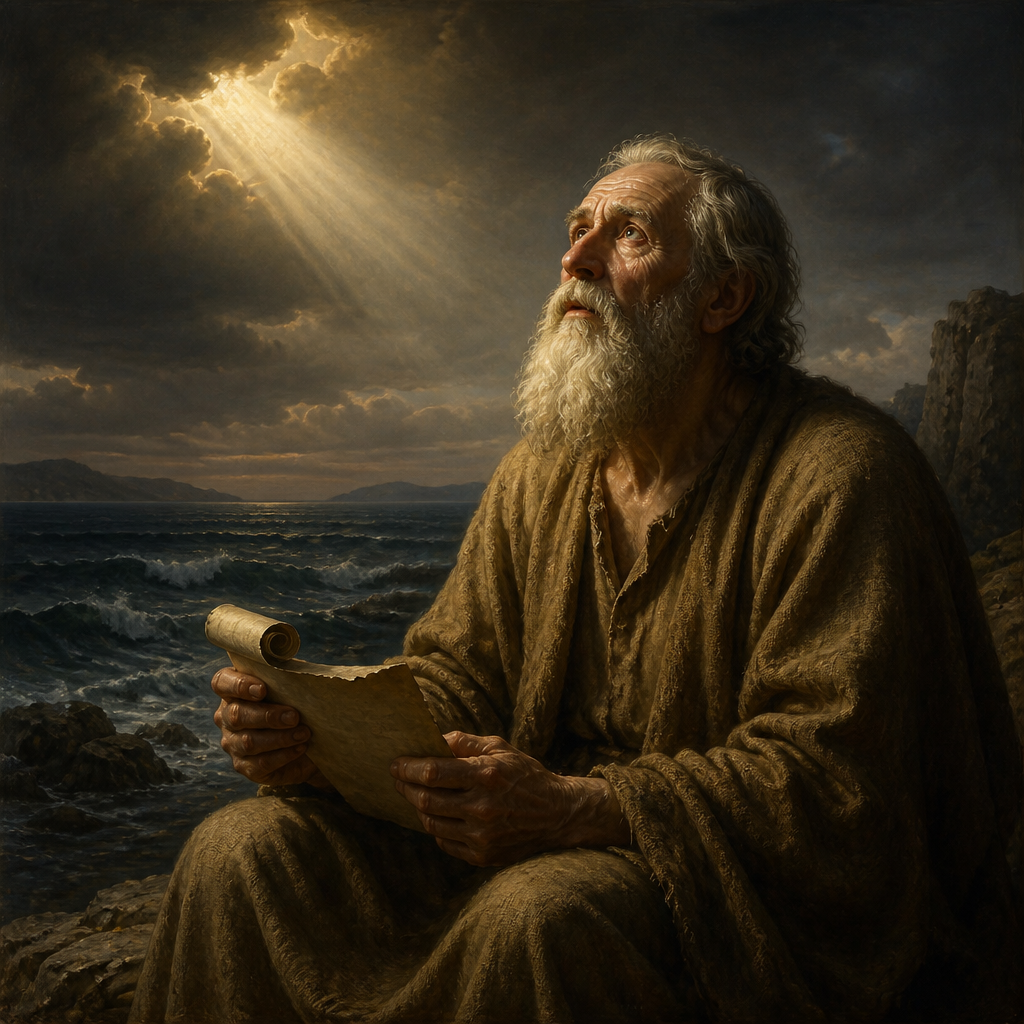
John the Apostle
Apostle and brother of James who received the visions of Revelation
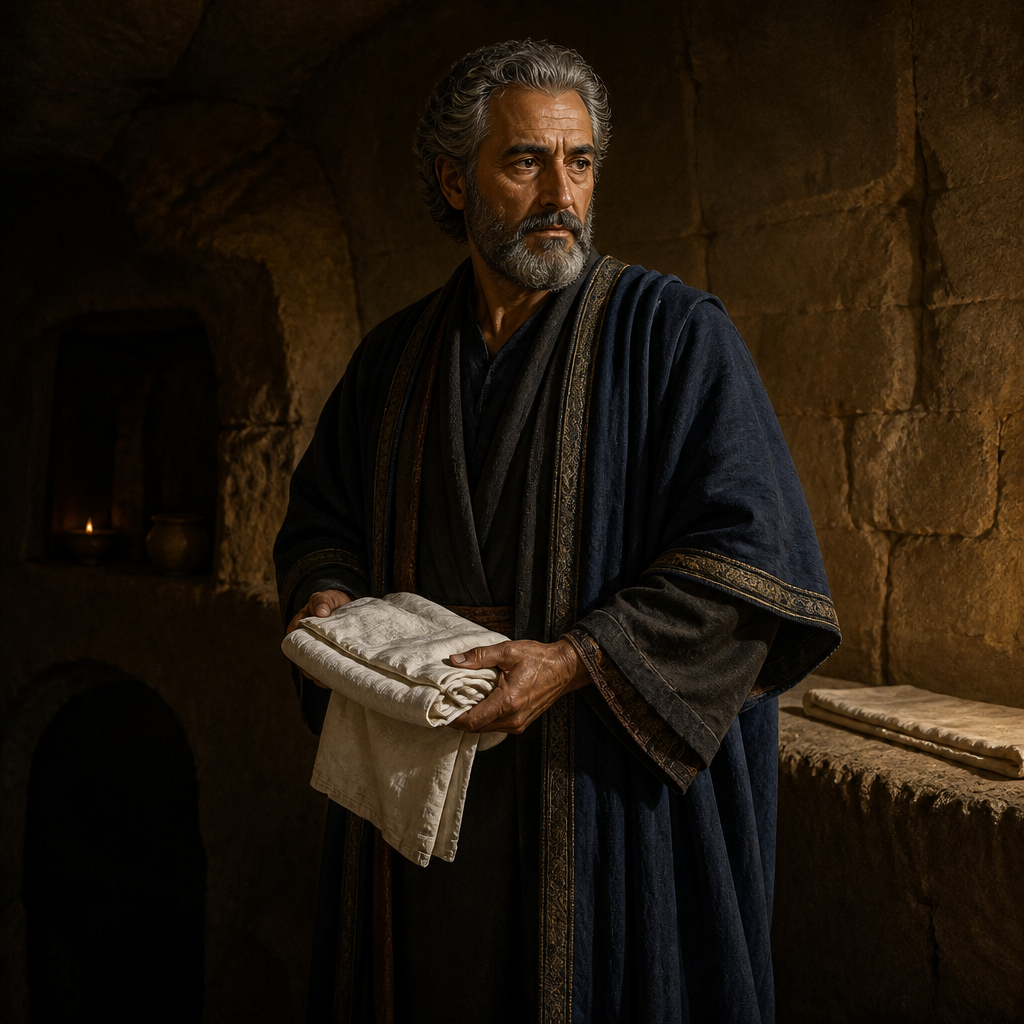
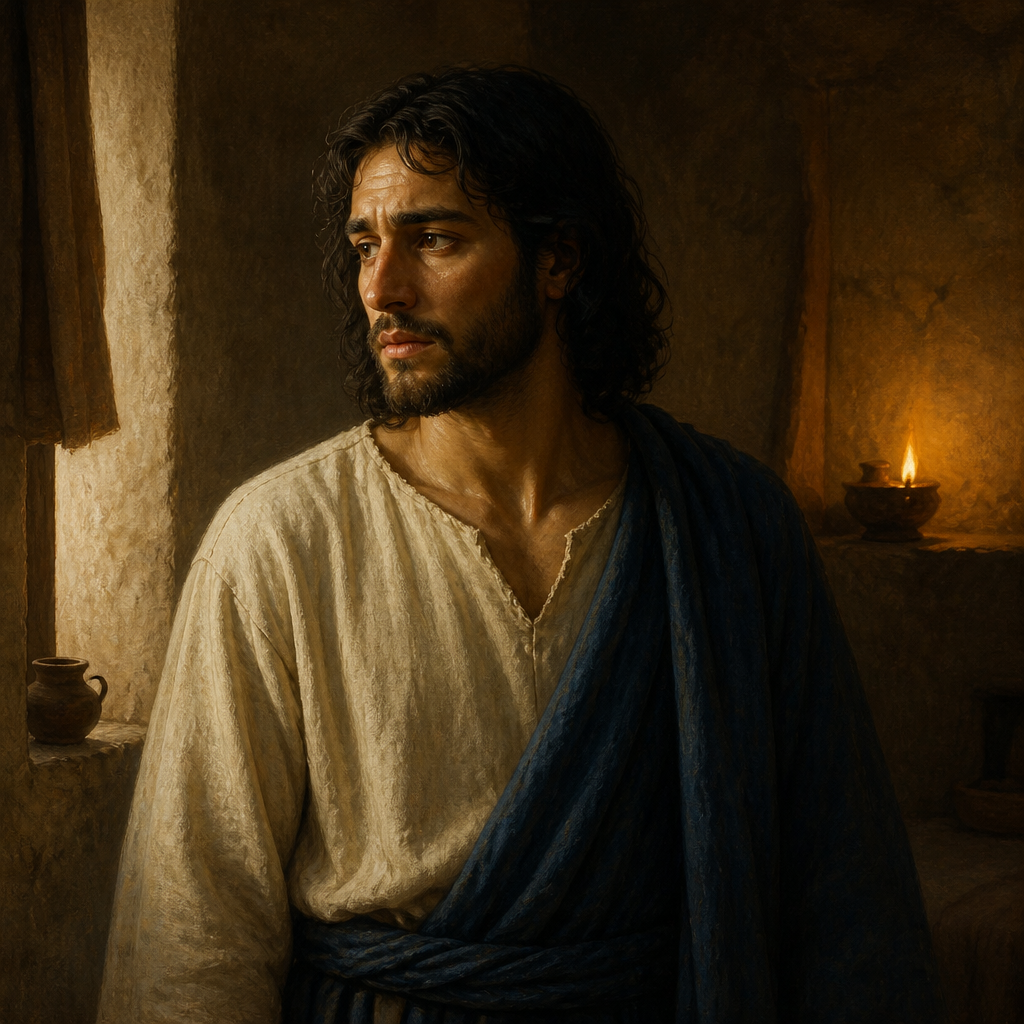
Joses, Son of Mary
son of Mary and brother of James the Younger who is mentioned in the crucifixion narrative
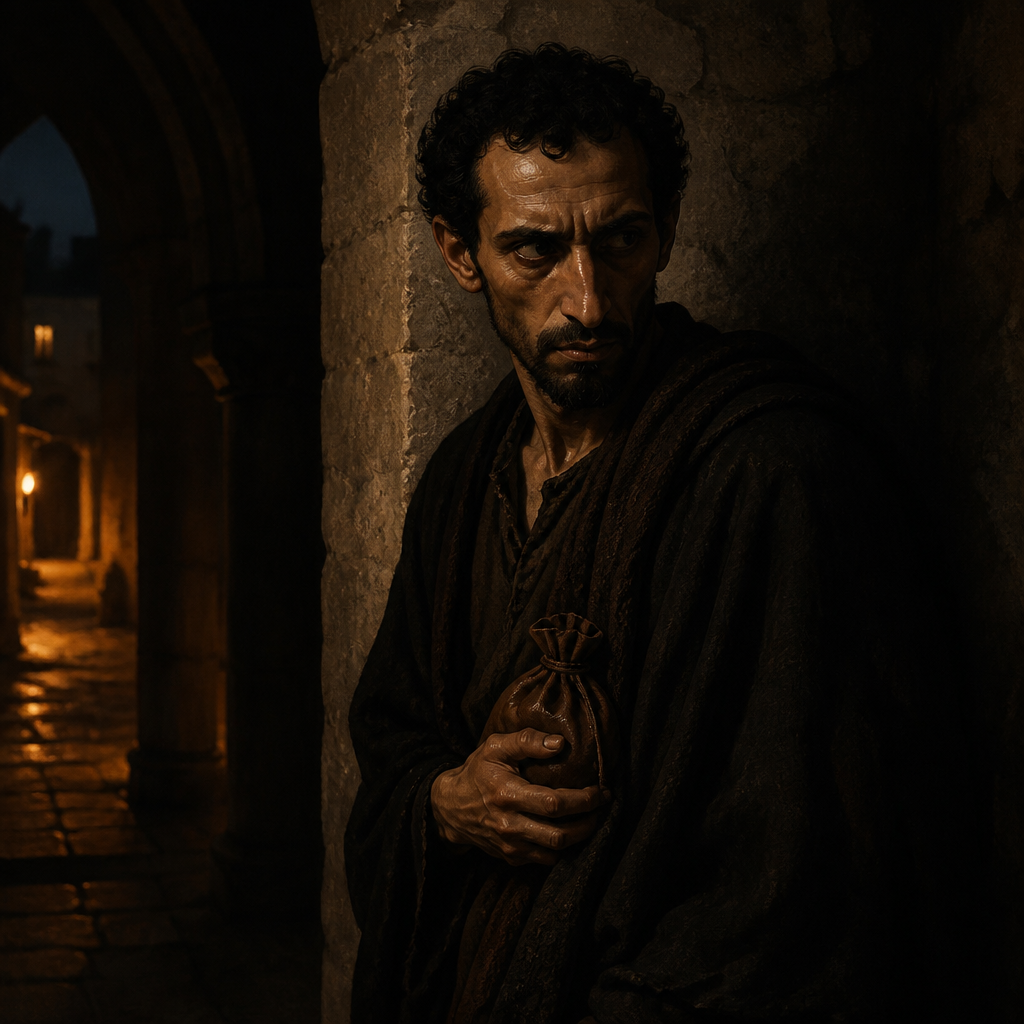
Judas Iscariot, Betrayer of Jesus
Apostle who betrayed Jesus for thirty pieces of silver
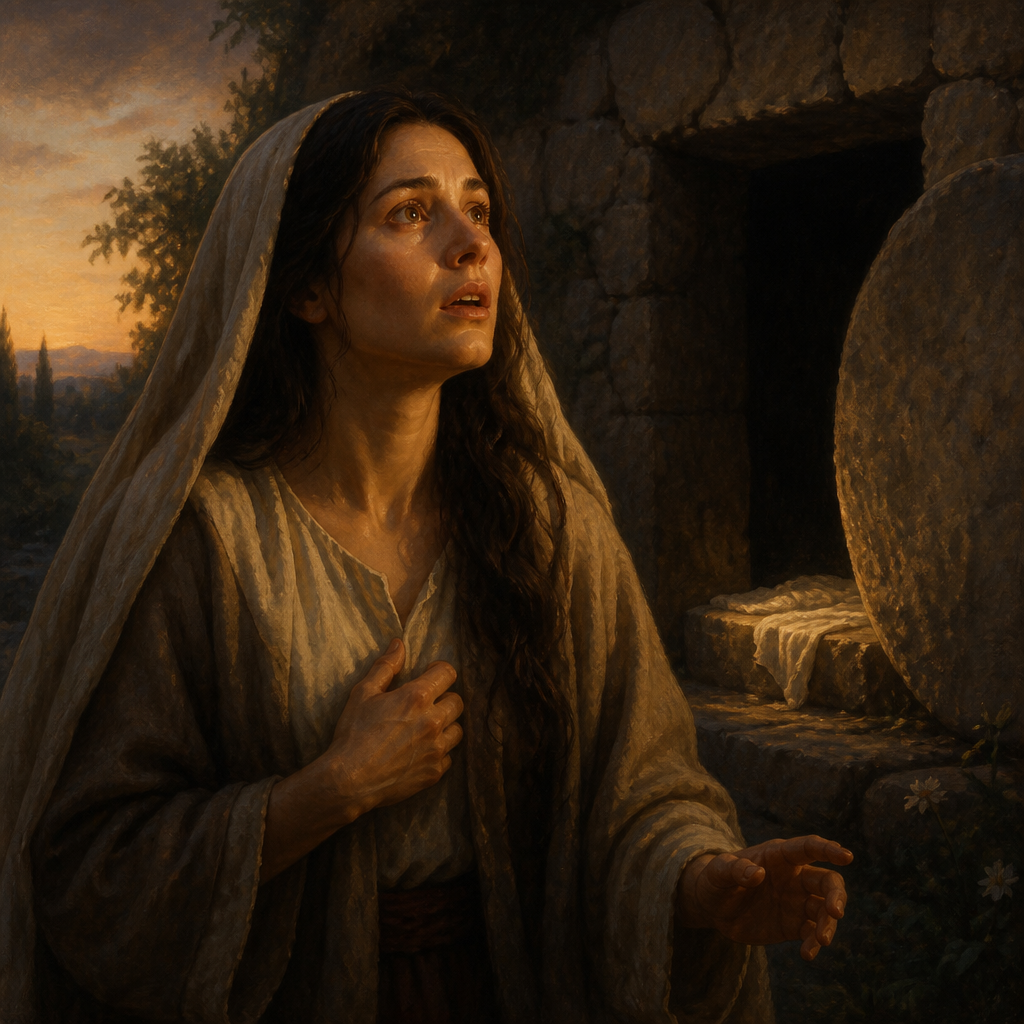
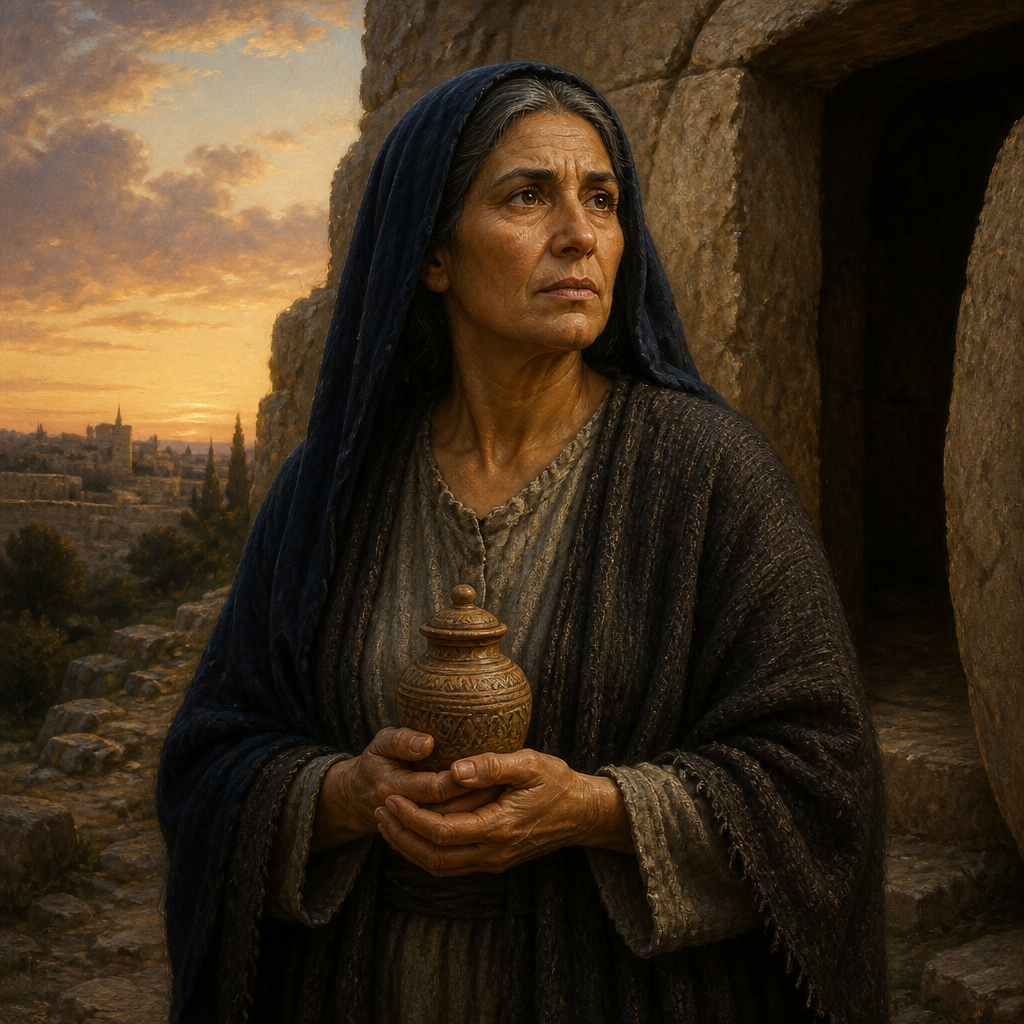
Mary, Mother of James and Joses
mother of James and Joses who witnessed the crucifixion and resurrection of Jesus
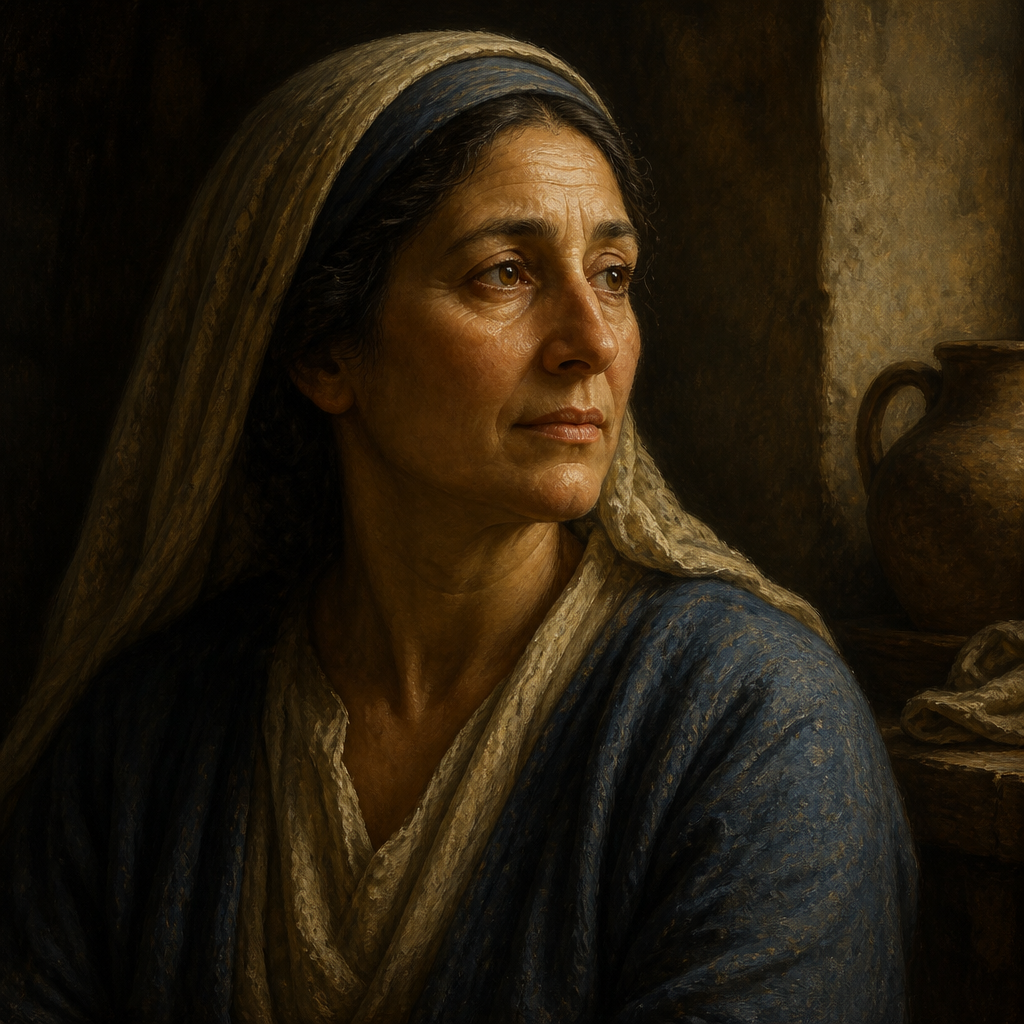
Mary, Mother of Jesus
Mother of Jesus Christ who accepted the call of God despite the risk of social disgrace
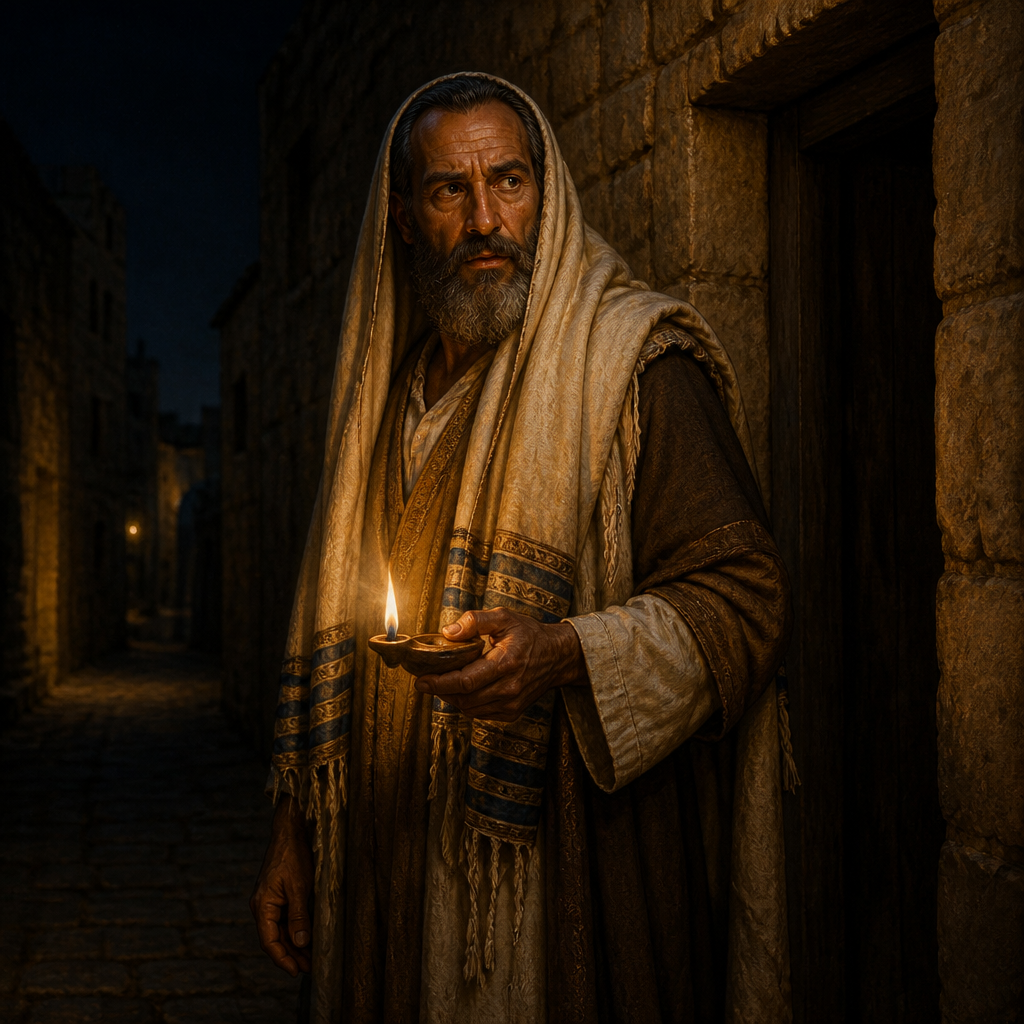
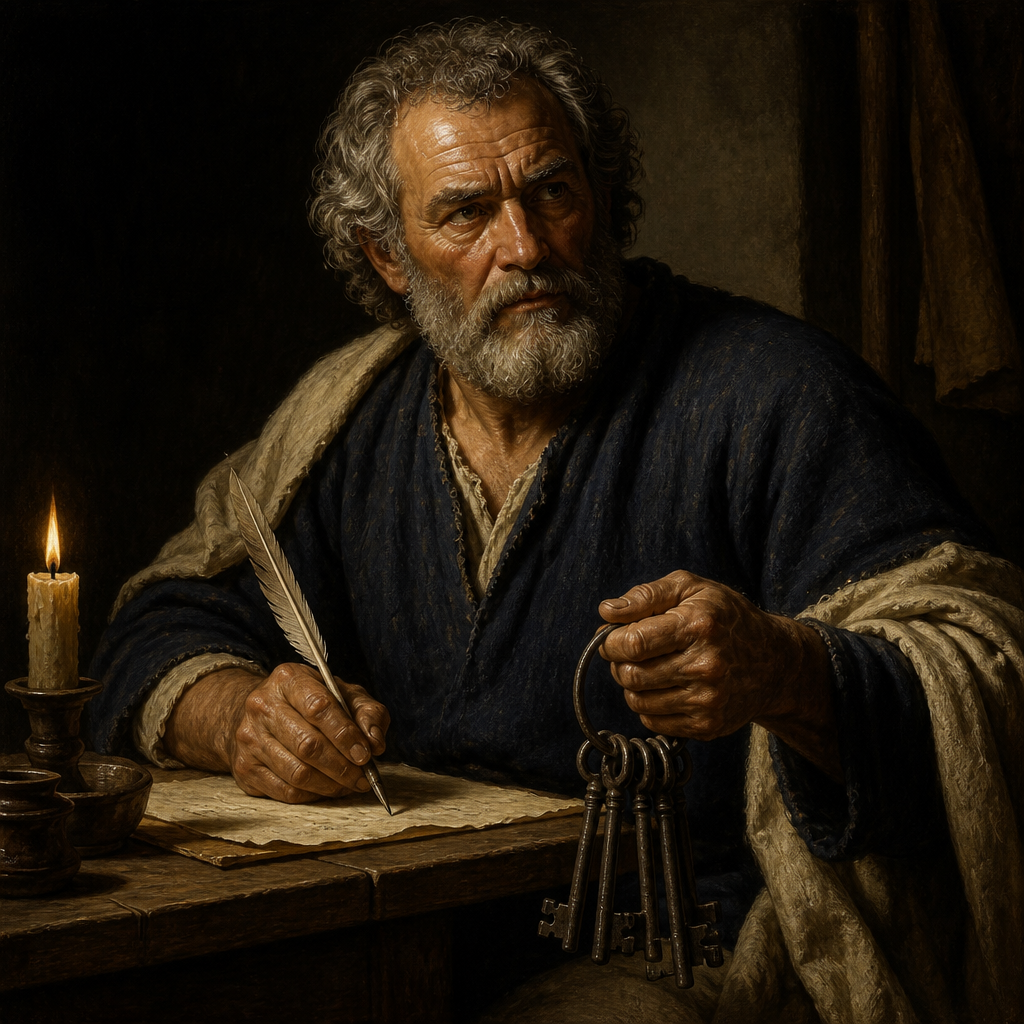
Peter
Apostle who served as the spokesman for the Twelve and the leader of the early Church in Jerusalem
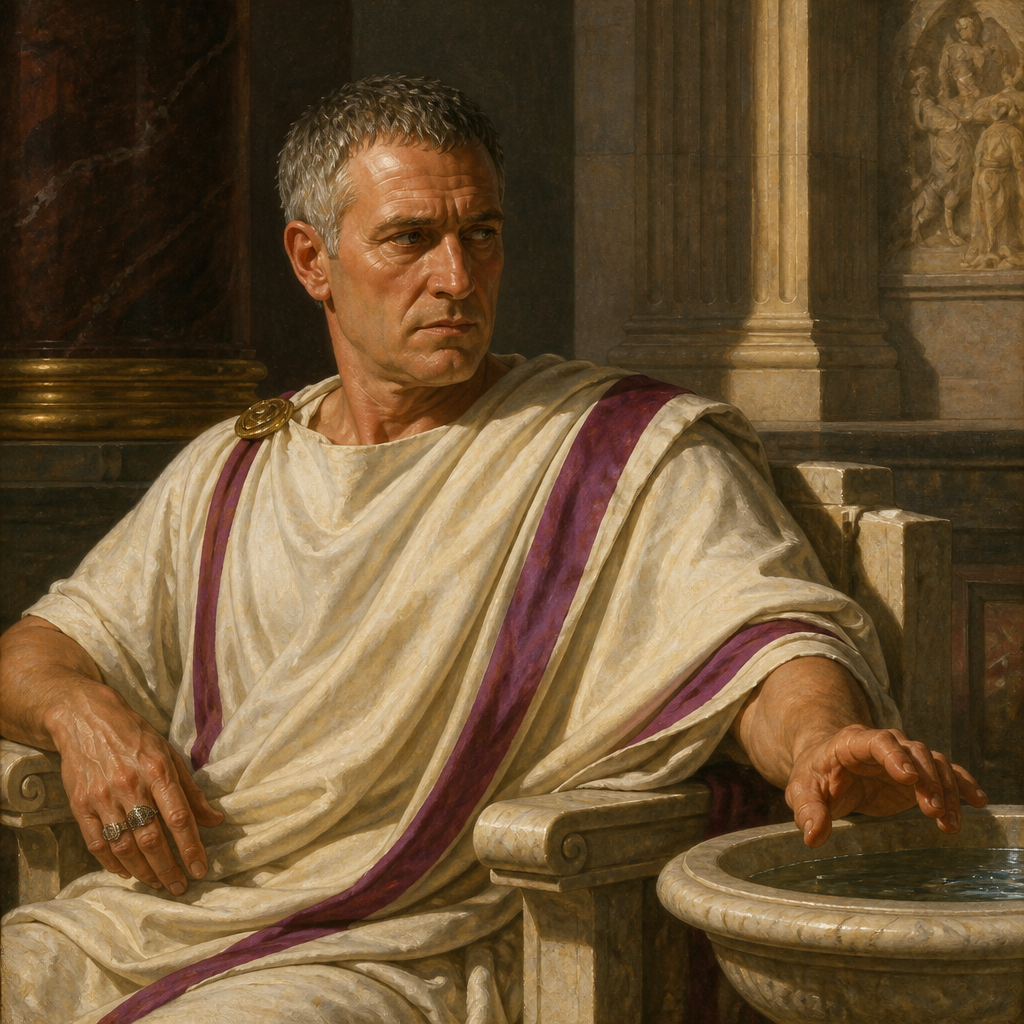
Pilate
Roman governor who presided over the trial of Jesus and ordered His crucifixion
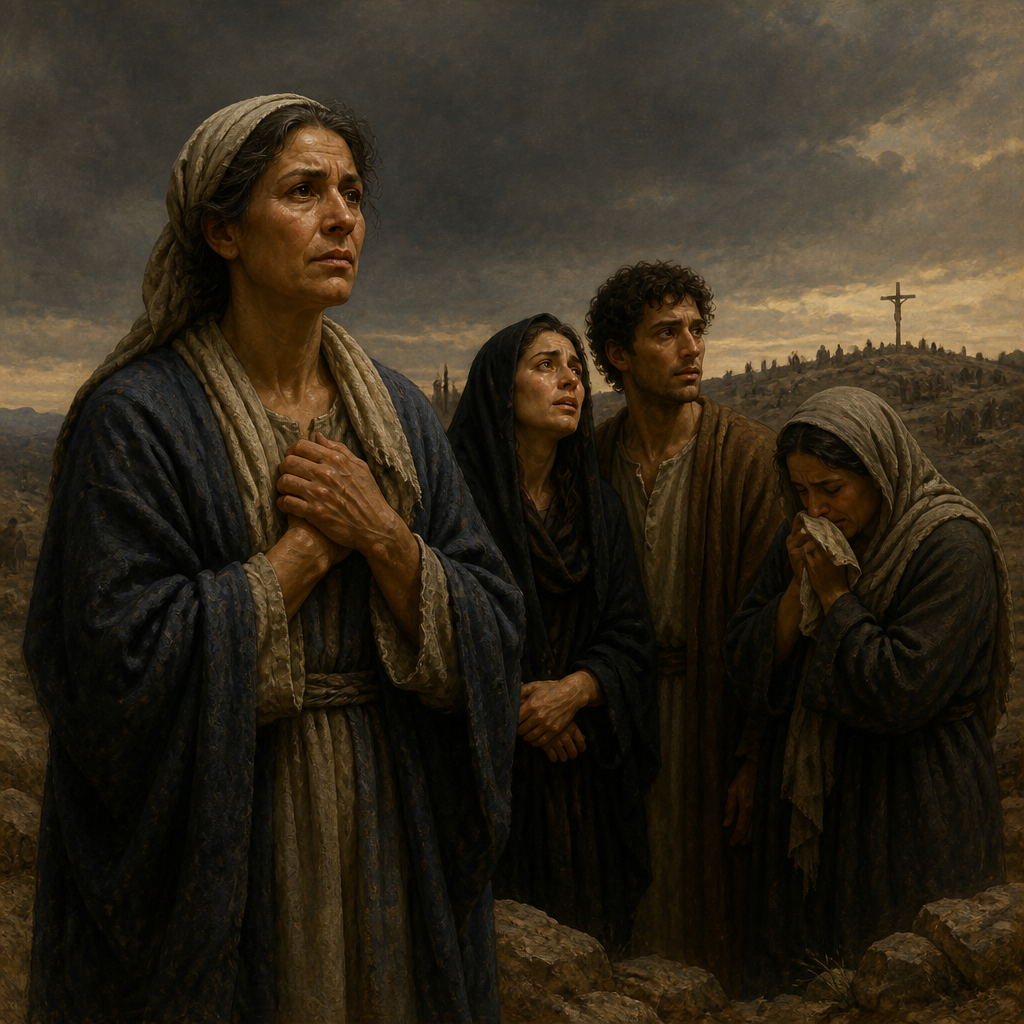
Salome, Mother of the Sons of Zebedee
Mother of the apostles James and John who witnessed the crucifixion and visited the empty tomb
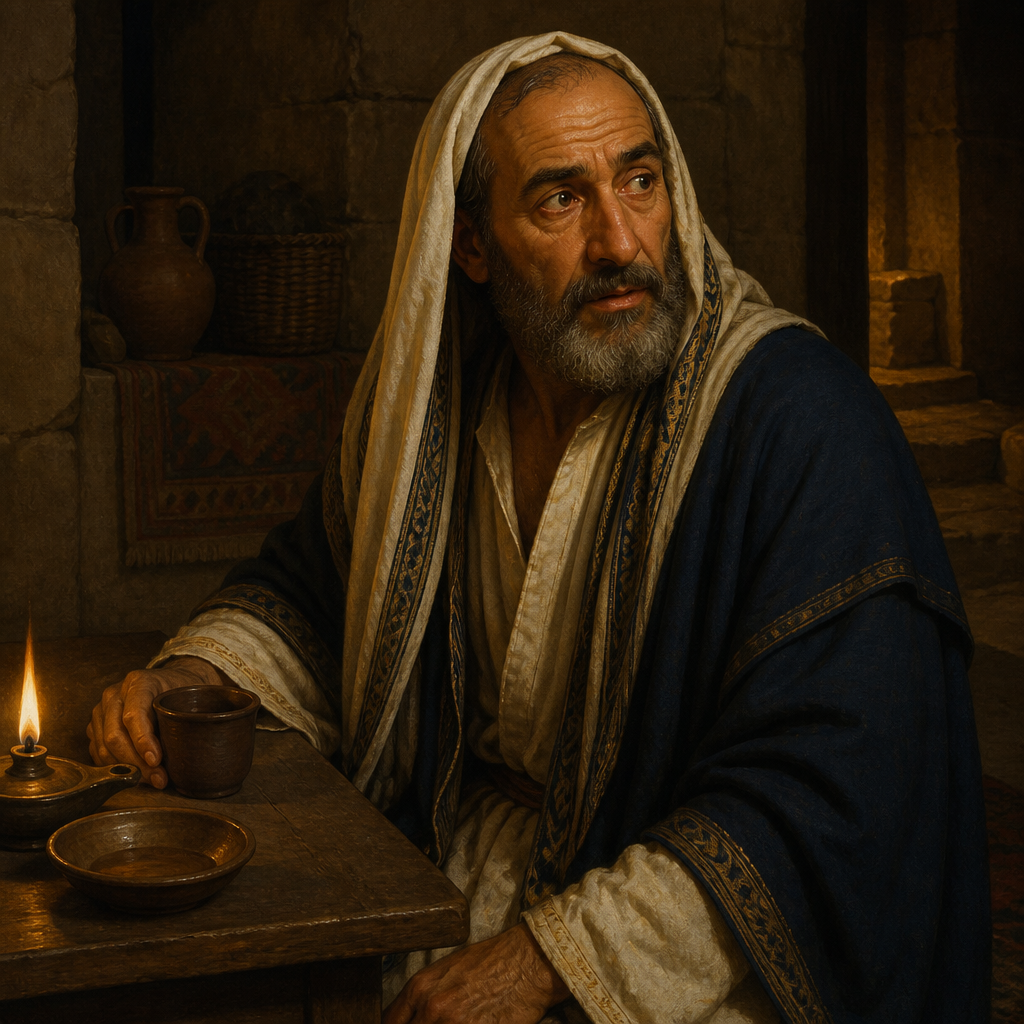
Simon the Leper
Host of the dinner in Bethany where Jesus was anointed by a woman with an alabaster jar