Major Prophets
People who first appear in Isaiah, Jeremiah, Lamentations, Ezekiel, or Daniel.
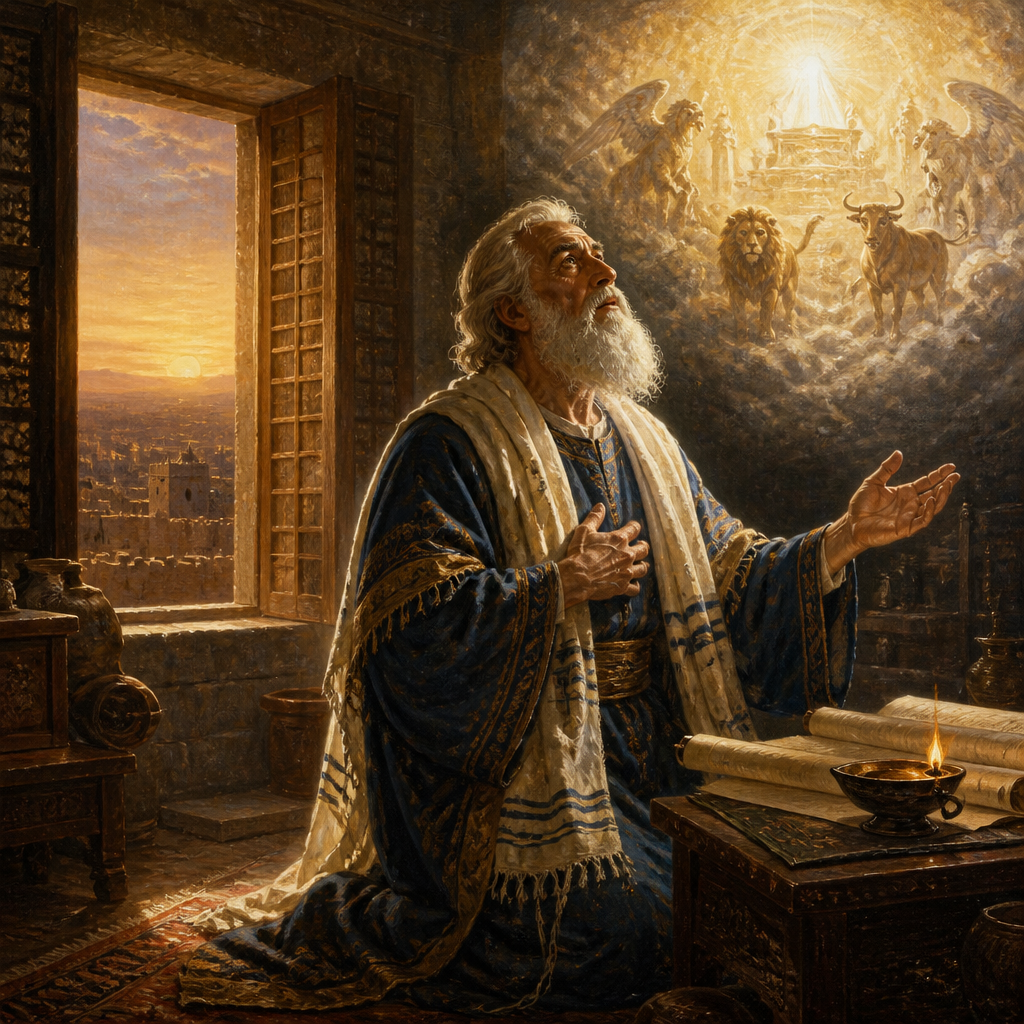
The Major Prophets are a collection of books that record the words and experiences of figures who first appear in Isaiah, Jeremiah, Lamentations, Ezekiel, or Daniel. These texts document the collapse of the Judean monarchy and the subsequent period of exile under foreign powers. The narrative arc of these books begins with warnings of judgment and moves toward the physical destruction of Jerusalem, followed by the survival of the Jewish people in the courts of their conquerors.
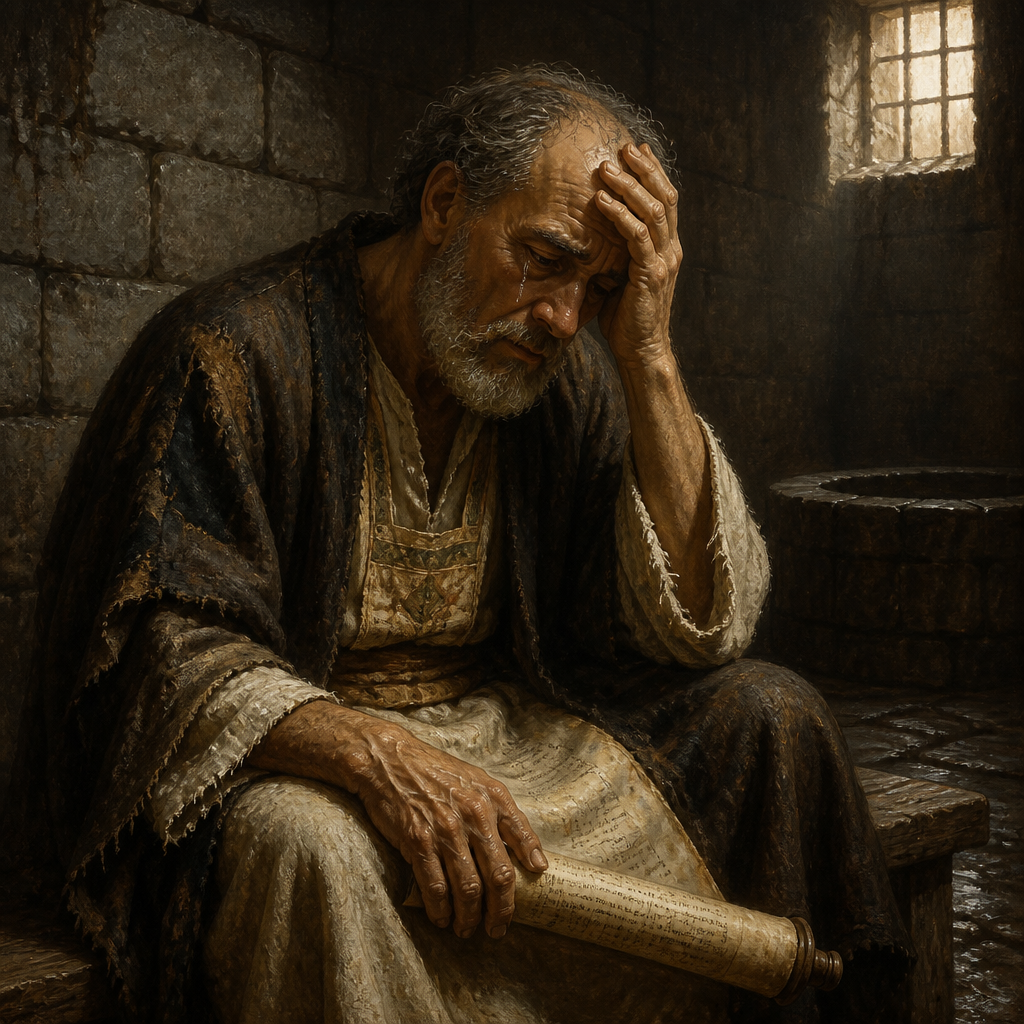
In the book of Jeremiah, the prophet’s message is preserved through the work of Baruch, who transcribed the prophetic scrolls and read them to the public (Jeremiah 32:12). This work faced intense opposition from officials like Pashhur, a priest who beat the prophet and placed him in the stocks (Jeremiah 20:1). During the final siege of Jerusalem, Ebed-melech, a Cushite official, intervened to rescue the prophet from a muddy cistern where he had been left to die (Jeremiah 38:7). The text also describes the symbolic actions of Jonadab, whose descendants maintained a nomadic lifestyle and avoided wine as a sign of faithfulness (Jeremiah 35:8). As the city fell, Nebuchadnezzar, the King of Babylon, oversaw the conquest and the deportation of the Judean leadership (Jeremiah 21:2).
The focus then shifts to the exilic experience in Ezekiel and Daniel. Ezekiel, a prophet who served as a sign to the exiles, witnessed the death of Pelatiah son of Benaiah during a vision of Jerusalem’s leadership (Ezekiel 11:1). In the Babylonian court, Daniel rose to prominence by interpreting dreams and surviving the lions' den (Ezekiel 14:14). He was supported by companions such as Hananiah, who was miraculously preserved after being thrown into a fiery furnace for refusing to worship a golden idol (Daniel 1.6). The later years of the exile involved figures like Belshazzar, the king who witnessed supernatural writing on a wall during a feast (Daniel 8:1), and Darius the Mede, who eventually acknowledged the power of the living God after Daniel’s deliverance (Daniel 9:1).
These books function as a record of the transition from a sovereign nation to a scattered people living under imperial rule. They detail the internal conflicts between those who advocated for submission to Babylon and those who resisted, as well as the theological struggle to maintain identity in a foreign land. By documenting the lives of both royal officials and captive prophets, the Major Prophets provide a comprehensive account of the fall of Jerusalem and the preservation of its religious traditions during the exile.
Everyone in this list

Abdeel
father of Shelemiah who was ordered to arrest the prophet Jeremiah

Arioch, Commander of the King’s Guard
Babylonian commander who facilitated Daniel’s interpretation of Nebuchadnezzar’s dream

Ashpenaz
Chief court official who selected Daniel and the Hebrew youths for service in Babylon

Azariah, Companion of Daniel
Youth who survived the fiery furnace with Shadrach and Meshach

Azriel, Father of Seraiah
Father of Seraiah, an officer ordered by King Jehoiakim to arrest the prophet Jeremiah

Azzur, Father of Jaazaniah
father of Jaazaniah who was a corrupt leader in Jerusalem during Ezekiel's vision

Baruch, Scribe of Jeremiah
Scribe of the prophet Jeremiah who transcribed and publicly read the prophetic scrolls

Belshazzar
King of Babylon who saw the supernatural writing on the wall during a sacrilegious feast

Belshazzar's Queen
Queen who advised King Belshazzar to summon Daniel to interpret the writing on the wall

Benaiah, Father of Pelatiah
Father of Pelatiah, a leader of Jerusalem whose death was witnessed by Ezekiel in a vision

Cushi, Great-Grandfather of Jehudi
Patriarch of a family of Judean officials mentioned in the book of Jeremiah

Daniel, Prophet of the Exile
Prophet who survived the lions' den and interpreted the handwriting on the wall
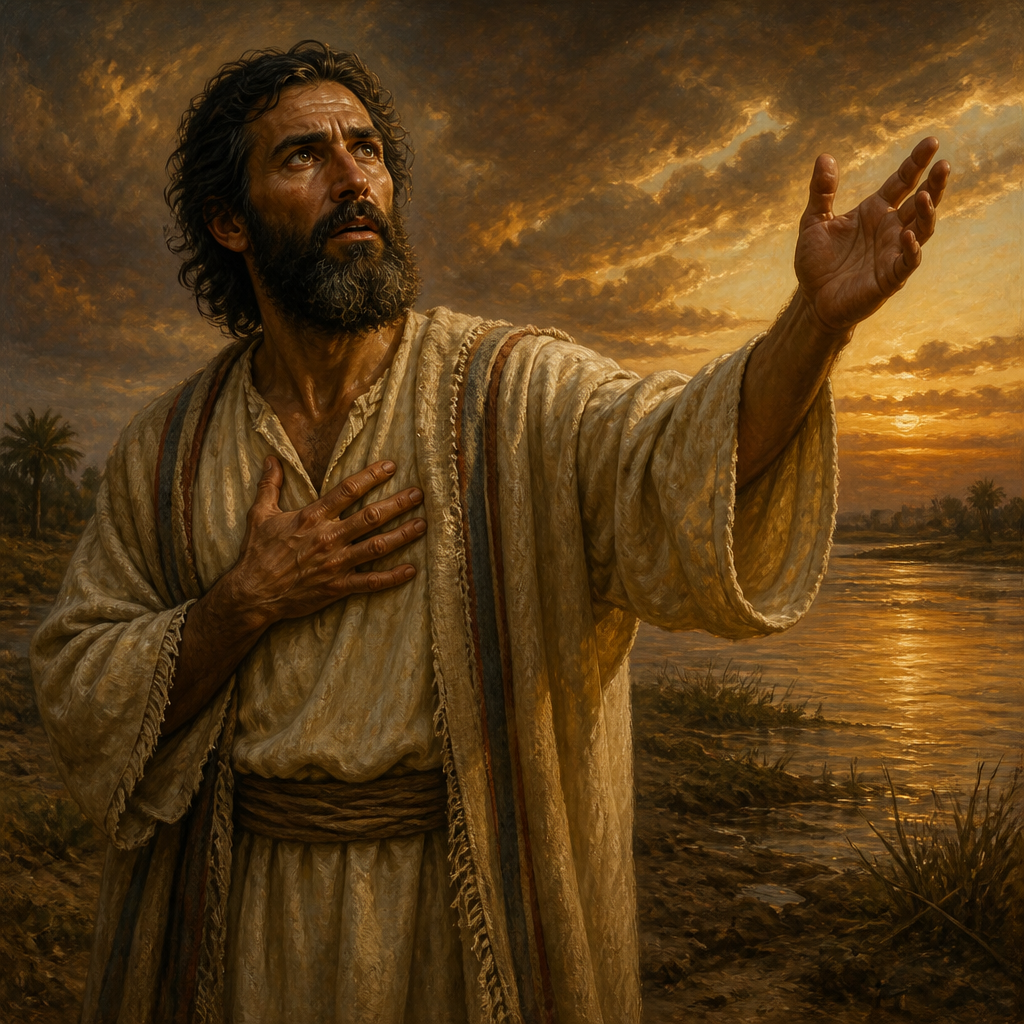
Darius the Mede
King who reluctantly cast Daniel into the lions' den and later praised the living God

Delaiah, Official of King Jehoiakim
official who pleaded with King Jehoiakim not to burn Jeremiah's scroll

Ebed-melech
Cushite official who rescued the prophet Jeremiah from a muddy cistern

Elasah, Son of Shaphan
Royal envoy who delivered Jeremiah's letter to the exiles in Babylon

Elishama, Scribe of the Divided Monarchy
Royal scribe whose palace chamber was used to store Jeremiah's prophetic scroll

Elnathan, son of Achbor
Official of King Jehoiakim who captured the prophet Uriah and later pleaded for the preservation of Jeremiah's scroll

Ephai
Patriarch whose sons were military captains under Governor Gedaliah

Ezekiel
Prophet who served as a sign to Israel during the Babylonian Exile
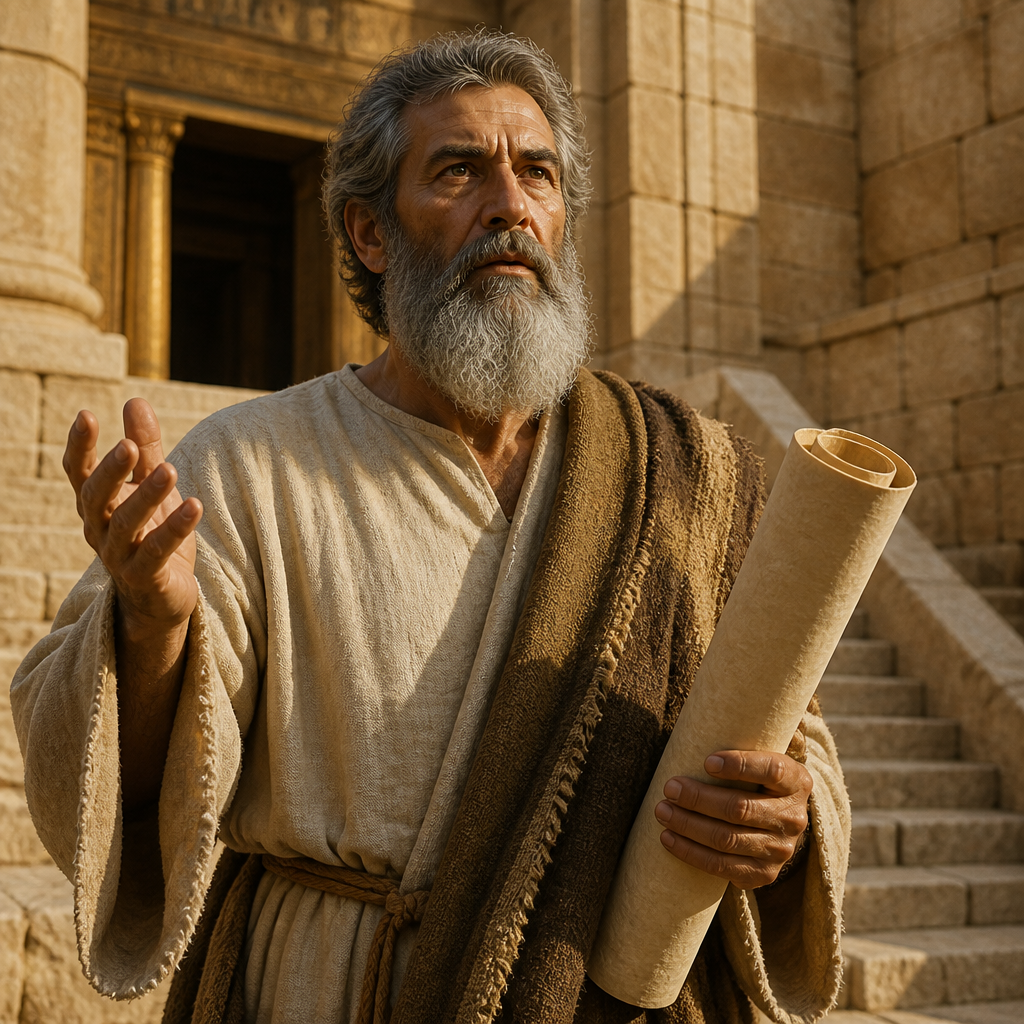
Ezekiel's Wife
Wife of the prophet Ezekiel whose death was a sign to Israel

Gedaliah, son of Pashhur
Official who sought the death of the prophet Jeremiah during the siege of Jerusalem

Gemariah, Son of Hilkiah
Envoy of King Zedekiah who carried Jeremiah's letter to the exiles in Babylon

Gemariah, Son of Shaphan
Official who pleaded with King Jehoiakim not to burn Jeremiah's scroll

Habazziniah
Patriarch of the Rechabite family mentioned in the book of Jeremiah

Hammelech
Royal father of Jerahmeel and Malchijah during the time of Jeremiah

Hanamel
Cousin of Jeremiah who sold him a field in Anathoth during the Babylonian siege

Hanan, son of Igdaliah
Man of God whose sons held a prominent chamber in the Temple during the time of Jeremiah

Hananiah, Friend of Daniel
Judean exile who survived being thrown into a fiery furnace for refusing to worship a golden idol

Hananiah, Grandfather of Irijah
Grandfather of Irijah the captain of the guard

Hananiah, Prophet of Gibeon
Prophet who falsely predicted the end of the Babylonian exile and died for his lie

Hilkiah, Father of Jeremiah
Priest of Anathoth and the father of the prophet Jeremiah

Hoshaiah, Father of Jezaniah
father of the military commanders who defied Jeremiah's warning not to go to Egypt

Igdaliah
Man of God whose descendants held a prestigious chamber in the Temple of Jerusalem

Irijah
Captain of the guard who arrested Jeremiah at the Gate of Benjamin

Jaazaniah, Son of Azzur
Leader in Jerusalem who gave wicked counsel during Ezekiel's vision

Jaazaniah, Son of Jeremiah
Rechabite leader who refused to drink wine in the Temple to honor his ancestral vows

Jaazaniah, Son of Shaphan
Elder of Israel seen by Ezekiel in a vision of Temple idolatry

Jehoiada, Priest Succeeded by Zephaniah
Priest whose office as chief temple officer was taken by Zephaniah

Jehucal
Royal official under King Zedekiah who opposed the prophet Jeremiah

Jerahmeel, Son of Hammelech
Royal official who was commanded by King Jehoiakim to arrest Jeremiah and Baruch

Jeremiah, Father of Jaazaniah
Rechabite patriarch and father of Jaazaniah who stood as a witness to the clan's faithfulness

Jezaniah
Military commander who consulted Jeremiah but later rejected his prophecy to stay in Judah

Jonadab, Son of Rechab
Patriarch of the Rechabites who prohibited wine and commanded a nomadic lifestyle to ensure faithfulness to Yahweh

Jonathan the Scribe
Scribe whose house was converted into a prison for the prophet Jeremiah

Jonathan, Son of Kareah
Judean military commander who joined Gedaliah at Mizpah after Jerusalem's fall

Kolaiah, Father of the False Prophet Ahab
father of the false prophet Ahab who was executed in Babylon

Maaseiah son of Shallum, Doorkeeper
Temple doorkeeper whose chamber served as a landmark in the Book of Jeremiah

Maaseiah, Father of Zedekiah the False Prophet
Father of the false prophet Zedekiah who was executed by Nebuchadnezzar

Maaseiah, Father of Zephaniah
Father of Zephaniah the priest during the reign of King Zedekiah

Mahseiah
Grandfather of Baruch the scribe and Seraiah the quartermaster

Malchiah
Royal official and son of the king whose cistern was used to imprison the prophet Jeremiah

Mattan, Father of Shephatiah
Judean man identified as the father of Shephatiah in the Book of Jeremiah

Melzar
Steward who allowed Daniel and his friends to eat vegetables instead of the King's meat

Micaiah, Son of Gemariah
official who reported the reading of Jeremiah's scroll to the royal court

Michael, the Chief Prince
Archangel who leads the heavenly host and protects the people of Israel

Mishael, Companion of Daniel
Judean noble who was renamed Meshach and miraculously survived the fiery furnace

Nebu-sar-sekim
Babylonian official present at the fall of Jerusalem in 586 BC

Nebuchadnezzar
King of Babylon who conquered Jerusalem and was humbled by God

Nebushazban
Babylonian official present at the destruction of Jerusalem in 586 BC

Nergal-sar-ezer of Samgar
Babylonian official who sat at the Middle Gate during the fall of Jerusalem in 586 BC

Nergal-sar-ezer the Rabmag
Babylonian official present at the fall of Jerusalem in 586 BC

Nethaniah, Son of Shelemiah
father of Jehudi who summoned Baruch the scribe

Oholibah
Symbolic figure representing Jerusalem's infidelity in the book of Ezekiel

Pashhur, Father of Gedaliah
father of the Judean official Gedaliah who opposed Jeremiah

Pashhur, Son of Immer
Priest who beat the prophet Jeremiah and put him in the stocks

Pashhur, Son of Malchijah
Official under King Zedekiah who petitioned for Jeremiah's execution

Pelatiah son of Benaiah
Leader of Jerusalem whose sudden death occurred during Ezekiel's prophecy

Pharaoh, Subject of Divine Judgment
Egyptian monarch listed among the nations destined to drink the cup of God's wrath in Jeremiah's prophecy

The Prophetess, Wife of Isaiah
Prophetess and wife of Isaiah whose son's birth was a prophetic sign

Rab-saris of the Babylonian Conquest
Babylonian official who occupied the Middle Gate of Jerusalem during its fall

Samgar
Babylonian prince who occupied Jerusalem's Middle Gate during the city's fall

The Satraps Who Accused Daniel
Officials who conspired to have Daniel thrown into the lions' den

Seraiah son of Azriel
Royal official commanded by King Jehoiakim to arrest Jeremiah the prophet

Seraiah, Quartermaster of Judah
Quartermaster of King Zedekiah who cast Jeremiah's scroll into the Euphrates River

Shallum (Father of Hilkiah)
Uncle of the prophet Jeremiah whose son sold a field to the prophet as a sign of hope

Shallum, Father of Maaseiah
Temple doorkeeper whose son Maaseiah had a chamber in the Temple of Jerusalem

Shallum, Uncle of Jeremiah
Uncle of the prophet Jeremiah and father of Hanamel who facilitated the redemption of ancestral land in Anathoth

Shaphan, Father of Jaazaniah
father of Jaazaniah who was one of the seventy elders in Ezekiel's vision

Shear-jashub
Son of Isaiah whose name served as a prophetic sign to King Ahaz

Shelemiah son of Abdeel
Official commissioned by King Jehoiakim to arrest Jeremiah and Baruch

Shelemiah, Ancestor of Jehudi
Grandfather of Jehudi and descendant of Cushi mentioned in the Book of Jeremiah

Shelemiah, Father of Irijah
father of Irijah, the captain who arrested the prophet Jeremiah

Shelemiah, Father of Jehucal
father of the royal official Jehucal who served King Zedekiah

Shemaiah the Nehelamite
Prophet who opposed Jeremiah by writing letters from Babylon. Called a Nehelamite, a designation of origin rather than a people group

Shemaiah, Father of Delaiah
father of Delaiah, an official under King Jehoiakim

Shemaiah, Father of Uriah the Prophet
Father of the prophet Uriah of Kiriath-jearim

Shephatiah, Son of Mattan
Official who sought the death of the prophet Jeremiah during the siege of Jerusalem

Tabeal
Patriarch whose son was the chosen puppet king for the Syro-Ephraimite coalition

Uriah, son of Shemaiah
Prophet who was extradited from Egypt and executed by King Jehoiakim

The Wise Men of Babylon
Royal advisors who failed to interpret Nebuchadnezzar's dream

Zedekiah son of Hananiah
Official in King Jehoiakim's court who heard the reading of Jeremiah's scroll

Zedekiah son of Maaseiah
False prophet who was roasted in the fire by King Nebuchadnezzar