Ahasbai
Who was Ahasbai in the Bible?
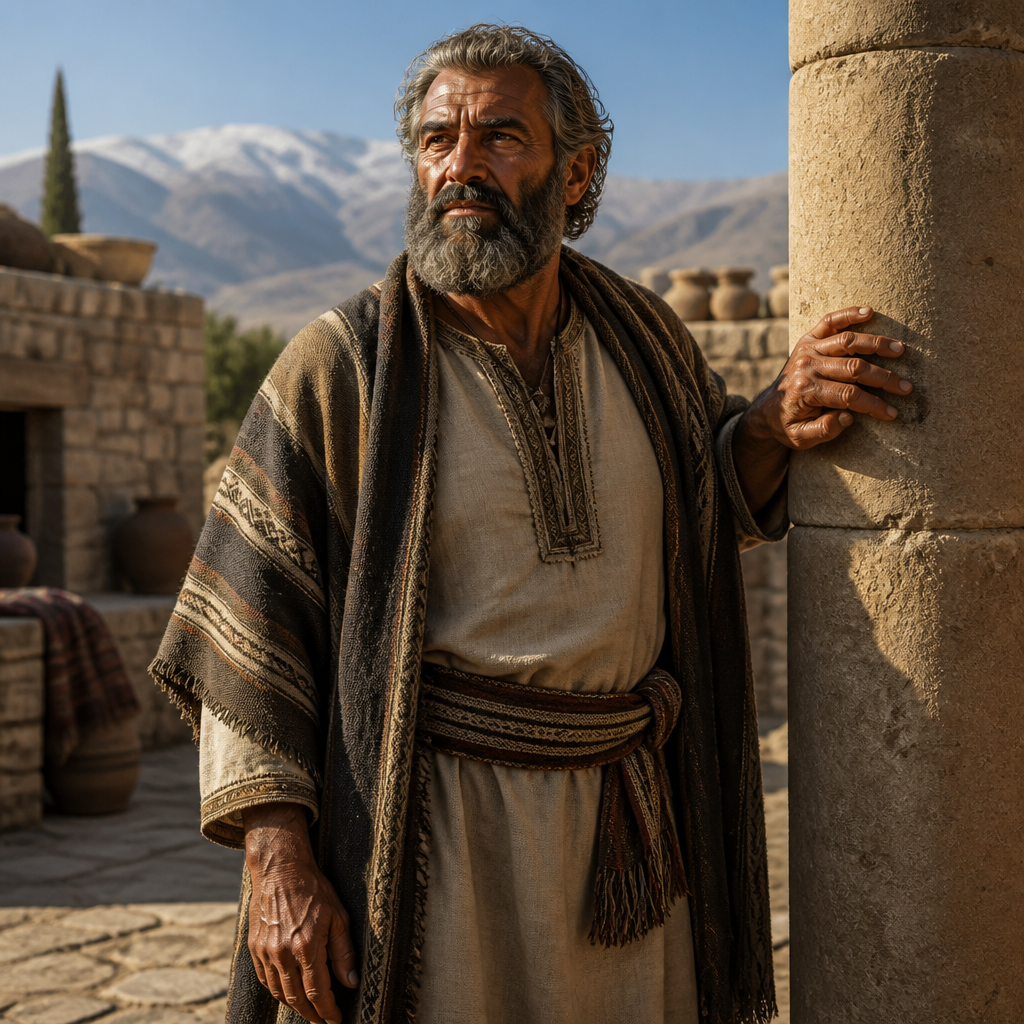
Ahasbai was a Maacathite man and the father of Eliphelet, one of King David’s elite warriors known as the Mighty Men.
Ahasbai is a figure mentioned in the Old Testament during the era of the United Monarchy. His primary identification in the biblical record is through his son, Eliphelet, who attained high military status under King David. Ahasbai is specifically identified as a 'Maacathite,' a designation that provides insight into his geographical or ancestral origins during the late 11th or early 10th century BC.
While Ahasbai himself does not appear in the narratives of David's rise or reign, his inclusion in the genealogical footnotes of the royal military roster signifies a family of standing.
Background and Family
Ahasbai lived during the United Monarchy, specifically during the reign of King David (c. 1010–970 BC). The biblical record identifies him in 2 Samuel 23:34 as the father of Eliphelet. He is further described as "the Maacathite." This descriptor suggests a connection to Maacah, a region located in northern Israel or southern Syria, near Mount Hermon. The Maacathites were an ancient group mentioned as early as the conquest of Canaan, and their presence in the list of David's warriors indicates that families from this region had become integrated into the administrative and military structure of the Israelite state.
Major Life Events
There are no specific biographical events recorded for Ahasbai in the biblical text. His presence in the scriptures serves as a patronymic identifier for his son, Eliphelet. In the context of 2 Samuel 23, the author is cataloging the "Mighty Men" (Hebrew: Gibborim) who served David. The mention of Ahasbai serves to validate the lineage and social standing of his son, ensuring that Eliphelet's achievements are grounded in his family history.
Relationship to Other Biblical Figures
Ahasbai’s primary relationship is with his son, Eliphelet. Eliphelet is listed among the elite warriors who protected the king and led his armies. The proximity of Ahasbai’s name to other notable figures in the list, such as Eliam the son of Ahithophel, places Ahasbai within the social circle of the Judean and regional aristocracy that supported the Davidic throne.
Spiritual Significance
From a scholarly perspective, Ahasbai represents the "hidden" figures of the biblical narrative whose legacy is found in their offspring. While he performed no recorded miracles and gave no recorded prophecies, his name is preserved in the holy record as a contributor to the strength of the nation through his son. The preservation of his name in the military archives of Israel highlights the biblical emphasis on heritage and the individual's place within the community of faith and national service.
Ahasbai’s significance lies in his contribution to the genealogical record of David's 'Mighty Men.' His inclusion demonstrates the diverse geographic origins of David's supporters, showing how the United Monarchy drew strength from peripheral regions like Maacah. The mention of Ahasbai ensures that the individual identity and family honor of his son, Eliphelet, were preserved for posterity within the sacred text.
Frequently Asked Questions
Who was Ahasbai in the Bible?
Ahasbai was the father of Eliphelet, one of King David's elite warriors known as the 'Mighty Men.'
What does the name Ahasbai mean?
The etymology of Ahasbai is uncertain, but it is often interpreted to mean 'I have taken refuge in the Lord' or 'Brother of my surrounding.'
Where was Ahasbai from?
He is identified as a Maacathite, referring to the region of Maacah in the northern part of Israel or southern Syria.
In which book of the Bible is Ahasbai mentioned?
Ahasbai is mentioned only once in the Bible, in 2 Samuel 23:34.
Family & Relationships
 AhasbaiThis page
Children
 Eliphelet, Son of AhasbaiSon2 Samuel 23:34Stated
Connected Figures
Family
Son · 2 Samuel 23:34
Eliphelet, son of Ahasbai, was a member of King David’s elite group of warriors known as 'The Thirty.'
United MonarchyFirst: 2 Samuel 23:341 versesWarrior of the Mighty Men
Categories
Mentions by Book
- 2 Samuel1
Scripture References
All 1 indexed verse, in canonical order, from the Berean Standard Bible.
2 Samuel · 1
- 2 Samuel 23:34
Eliphelet son of Ahasbai the Maacathite, Eliam son of Ahithophel the Gilonite,