Mehetabel, Queen of Edom
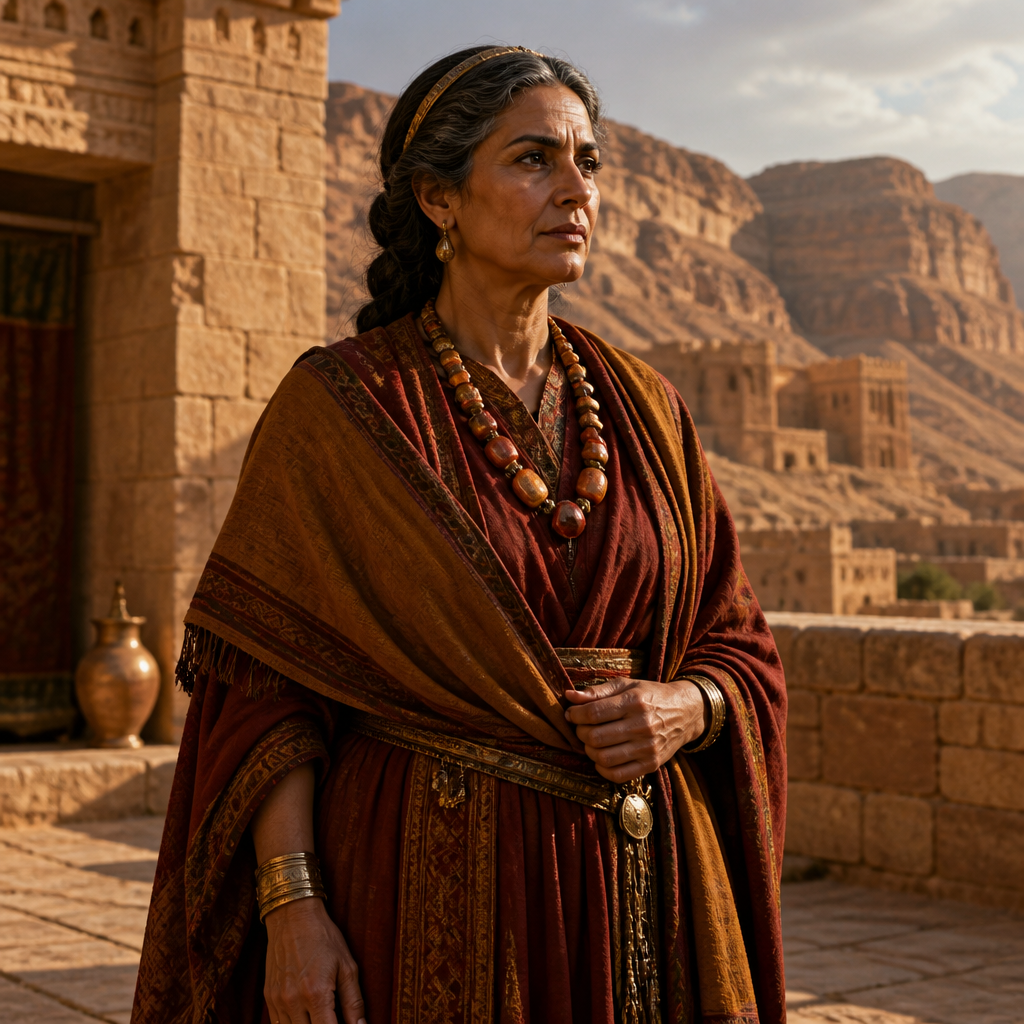
Mehetabel was the wife of Hadad, a king of Edom, and is noted for her high-status lineage as the daughter of Matred and granddaughter of Me-zahab.
Mehetabel is a significant figure within the genealogical records of the Edomite monarchy during the Patriarchal Period. She is identified specifically as the wife of Hadad, a king who rose to power following the death of Baal-hanan. Her inclusion in the biblical text is notable for the detailed recording of her maternal lineage, a rarity in the genealogies of the surrounding nations of Israel.
Her name, which translates to 'God does good' or 'God benefits,' suggests a cultural or linguistic connection to Semitic religious traditions. While the biblical narrative focuses primarily on the male lines of succession, Mehetabel’s presence highlights the diplomatic and social structures of Edom, an elder brother-nation to Israel descended from Esau.
Background and Family
Mehetabel appears in the biblical record within the context of the early Edomite kings. According to the accounts in both Genesis and 1 Chronicles, she was the daughter of Matred and the granddaughter of Me-zahab. This specific focus on her female ancestors—rather than just her father—is unique for the period. The name of her grandfather, Me-zahab, means 'waters of gold,' which has led some scholars to speculate that her family possessed significant wealth or was associated with a specific geographic region noted for its resources.
She lived in the city of Pau (also referred to as Pai), which served as the royal seat for her husband, Hadad. As Edom was organized as a series of successive kingships rather than a hereditary dynasty during this era, Mehetabel’s marriage to Hadad likely represented a significant alliance between powerful Edomite clans.
Major Life Events
The biblical text does not record specific deeds or speeches attributed to Mehetabel, focusing instead on her status as the consort of King Hadad. Her life is situated in the period before a king reigned in Israel, during a time when Edom was already a centralized power. Her husband, Hadad (identified by some as Hadad II to distinguish him from earlier Edomite rulers), took the throne after the death of Baal-hanan, son of Achbor. The mention of Mehetabel alongside the transition of power underscores her importance in the royal court at Pau.
Relationship to Other Biblical Figures
Mehetabel is directly linked to the lineage of Esau, as the kings mentioned in Genesis 36 are the leaders of the Edomite nation. Her husband, Hadad, is the primary figure through whom her story is told. She is defined by her relationship to her mother, Matred, which distinguishes her from many other women in the Old Testament who are only identified by their fathers. This suggests that her maternal line held independent social or political prestige that was worth preserving in the sacred record.
Spiritual Significance
In the broader context of the Pentateuch, the inclusion of Mehetabel serves to fulfill the promise made to Abraham and Isaac regarding the descendants of Esau. The detailed recording of the Edomite royal family demonstrates that God’s providential care and the fulfillment of national promises extended to the relatives of the Israelites. For the chronicler in 1 Chronicles, Mehetabel represents the historical reality of the nations surrounding Israel, grounding the theological narrative in a verifiable political past.
Spiritual Significance
Mehetabel's significance lies in her placement within the 'generations of Esau.' Her inclusion ensures that the history of Edom is treated with genealogical rigor, emphasizing that the Edomites were a structured and sophisticated society with recognized royalty long before the establishment of the Israelite monarchy. Her naming alongside her mother and grandfather highlights a specific noble pedigree within the Edomite structure.
Frequently Asked Questions
Who was Mehetabel's husband?
Mehetabel was the wife of Hadad, the king of Edom who reigned in the city of Pau.
What does the name Mehetabel mean?
The name Mehetabel is Hebrew in origin and means 'God does good' or 'God benefits'.
Who were Mehetabel's parents?
The Bible identifies her as the daughter of Matred, though it also lists her grandfather Me-zahab to emphasize her lineage.
Where did Mehetabel live?
She lived in the city of Pau (also called Pai), which was the capital or royal residence of King Hadad in Edom.
Connected Figures
Categories
Mentions by Book
- 1 Chronicles1
- Genesis1
Family & Relationships
Spouse / partner
Genesis 36:39
Spouse / partner
Genesis 36:39
Parent
Genesis 36:39
Parent
Genesis 36:39
Others Named Mehetabel
Mehetabel, Father of DelaiahNehemiah 6:10
Mehetabel was a Jewish man of the post-exilic period, identified as the grandfather of the false prophet Shemaiah who opposed Nehemiah.