Gideon's Three Hundred
A select band of 300 Israelite warriors chosen by God through a unique water-drinking test to defeat the Midianite army during the Period of the Judges.
Gideon's Three Hundred refers to a specific elite group of Israelite soldiers selected by divine decree during the era of the Conquest and the Judges. These men were chosen from an initial assembly of 32,000 volunteers who had gathered to oppose the Midianite oppression. Through a process of elimination based on courage and a specific physical behavior at a spring, this small company became the instrument through which the nation of Israel achieved a decisive victory over a vastly superior force.
Historically and biblically, this group represents the principle of divine strength overcoming human weakness. Rather than relying on traditional military might, the three hundred employed psychological warfare and unconventional tactics—including the use of trumpets, jars, and torches—to throw the Midianite camp into a state of lethal confusion. Their actions at the outskirts of the camp near Mount Gilead mark one of the most distinctive military engagements in the Old Testament.
Background and Selection
The account of the Three Hundred begins with a massive mobilization of Israelite forces under the leadership of Gideon, a judge of the tribe of Manasseh. Faced with a Midianite coalition that occupied the valley below Mount Gilead, Gideon gathered 32,000 men. However, the biblical record in Judges 7:2 states that the Lord considered this number too large, as a victory by such a force might lead Israel to claim, "My own hand has saved me."
The first reduction of the force was based on courage. Gideon proclaimed that anyone "fearful and trembling" could leave, resulting in the departure of 22,000 men. With 10,000 remaining, the Lord insisted the group was still too large. The final sifting took place at a body of water. Gideon was instructed to observe how the men drank. Those who knelt to drink were dismissed, while those who "lapped the water with their tongues like a dog," bringing it to their mouths with their hands, were selected. This group numbered exactly three hundred men.
Major Life Events
The Three Hundred were tasked with an unconventional night assault. Gideon divided the men into three companies of one hundred each. Eschewing traditional weaponry for the initial charge, every man was equipped with a ram’s horn (shofar) and a large clay jar containing a burning torch. This logistical arrangement meant that every single soldier acted as a signal-bearer, a role usually reserved for a tiny fraction of an army.
Approaching the Midianite camp during the middle watch (roughly 10:00 PM to 2:00 AM), the three companies took positions around the perimeter. Following Gideon's lead, the men simultaneously shattered their jars, revealing the hidden torches, and blew their horns. The synchronized noise and sudden appearance of 300 lights created the illusion of a massive surrounding army. The Three Hundred shouted the battle cry, "A sword for the LORD and for Gideon!"
According to Judges 7:22, the result was immediate chaos within the enemy camp. The Midianites, gripped by panic and confusion, turned their swords against one another. The surviving enemy forces fled toward Beth-shittah and the border of Abel-meholah, effectively ending the immediate Midianite threat to Israel’s sovereignty.
Relationship to Other Biblical Figures
The Three Hundred functioned as a collective unit under the absolute command of Gideon. The text indicates a high degree of discipline and loyalty; Gideon commanded them to "Watch me and do as I do," and they followed his instructions with precision at the outskirts of the camp. While the text mentions Gideon’s servant, Purah, who accompanied Gideon on a reconnaissance mission, the Three Hundred are treated as a unified entity rather than a list of named individuals. Their primary relationship was their shared status as the chosen instruments of God's deliverance.
Spiritual Significance
The theological weight of the Three Hundred lies in the concept of "sifting." The biblical narrative emphasizes that the selection process was designed to ensure that the glory for the victory belonged solely to God. The specific method of selection—lapping water like a dog—has been interpreted by scholars in various ways: some suggest it showed a high degree of alertness (keeping eyes on the horizon), while others argue it was an arbitrary test designed solely to reach a small number. Regardless of the physical reason, the spiritual reality remained that God could achieve total victory with a small, disciplined minority. The Three Hundred serve as a biblical archetype for the idea that divine power is made perfect in human limitation.
Spiritual Significance
The narrative of Gideon's Three Hundred serves as a pivotal lesson on divine sovereignty and human pride. By reducing an army of 32,000 to a mere 300, the biblical text explicitly removes the possibility of Israel attributing the victory to their own military prowess. This group represents the theological theme that God does not require large numbers or conventional strength to fulfill His purposes.
Furthermore, the Three Hundred illustrate the importance of obedience and unconventional faith. Their willingness to enter a battlefield armed with jars and torches rather than swords and shields demonstrates a radical reliance on divine strategy. This event remained a touchstone in Israelite memory, cited as a moment where the 'yoke of Midian' was broken through supernatural intervention rather than human might.
Frequently Asked Questions
Why did God reduce the size of Gideon's army?
God reduced the army to prevent Israel from boasting that they had saved themselves. He wanted the victory to be clearly recognized as a divine act.
What was the specific test used to choose the 300 men?
The men were taken to water to drink. Those who knelt down were sent home, while those who lapped the water with their hands to their mouths were chosen.
What weapons did the 300 men carry during the attack?
Initially, they did not use traditional weapons. Each man carried a ram’s horn (shofar) and a torch hidden inside a clay jar.
What was the battle cry of the 300?
Their shout was, 'A sword for the LORD and for Gideon!'
How did 300 men defeat a whole army?
They caused a panic by breaking jars and blowing horns simultaneously. The Midianites became confused in the dark and began fighting each other before fleeing.
Connected Figures
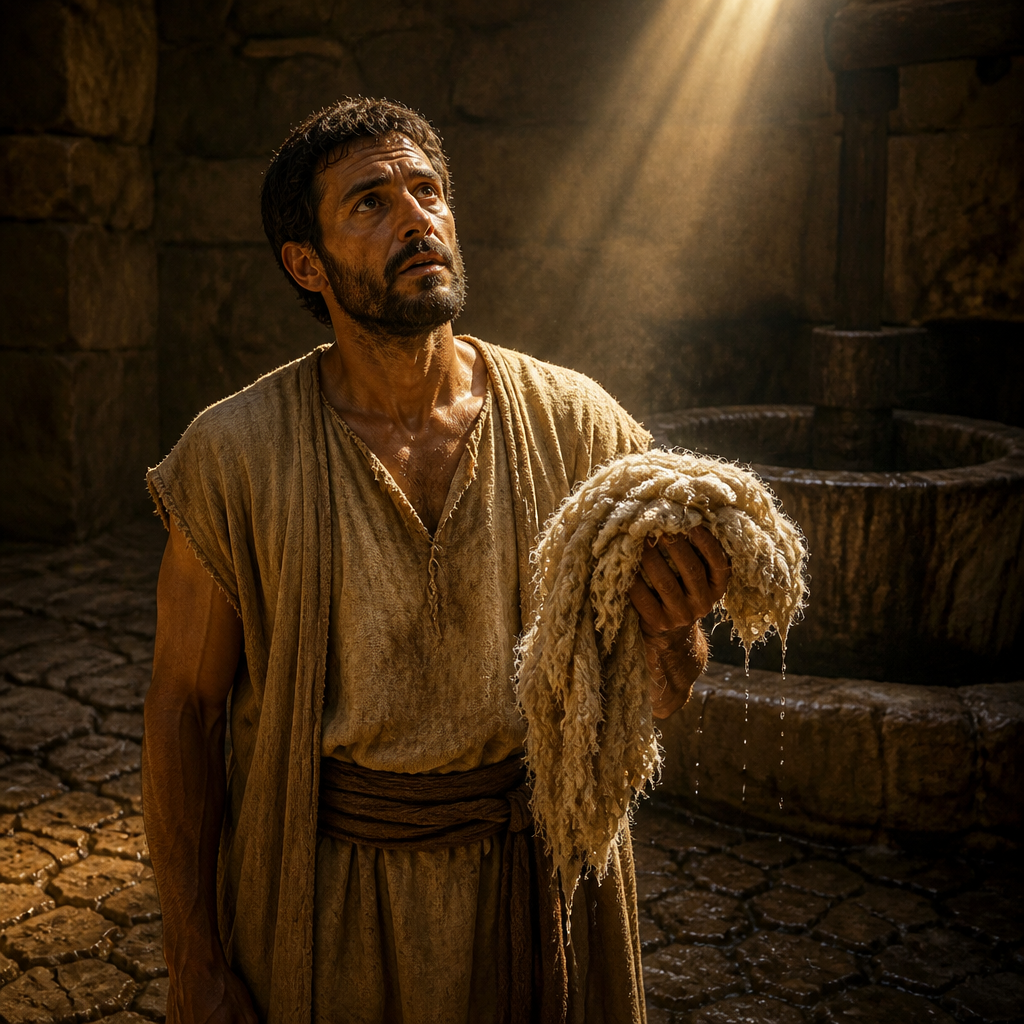
Gideon
Commander and leader of the 300
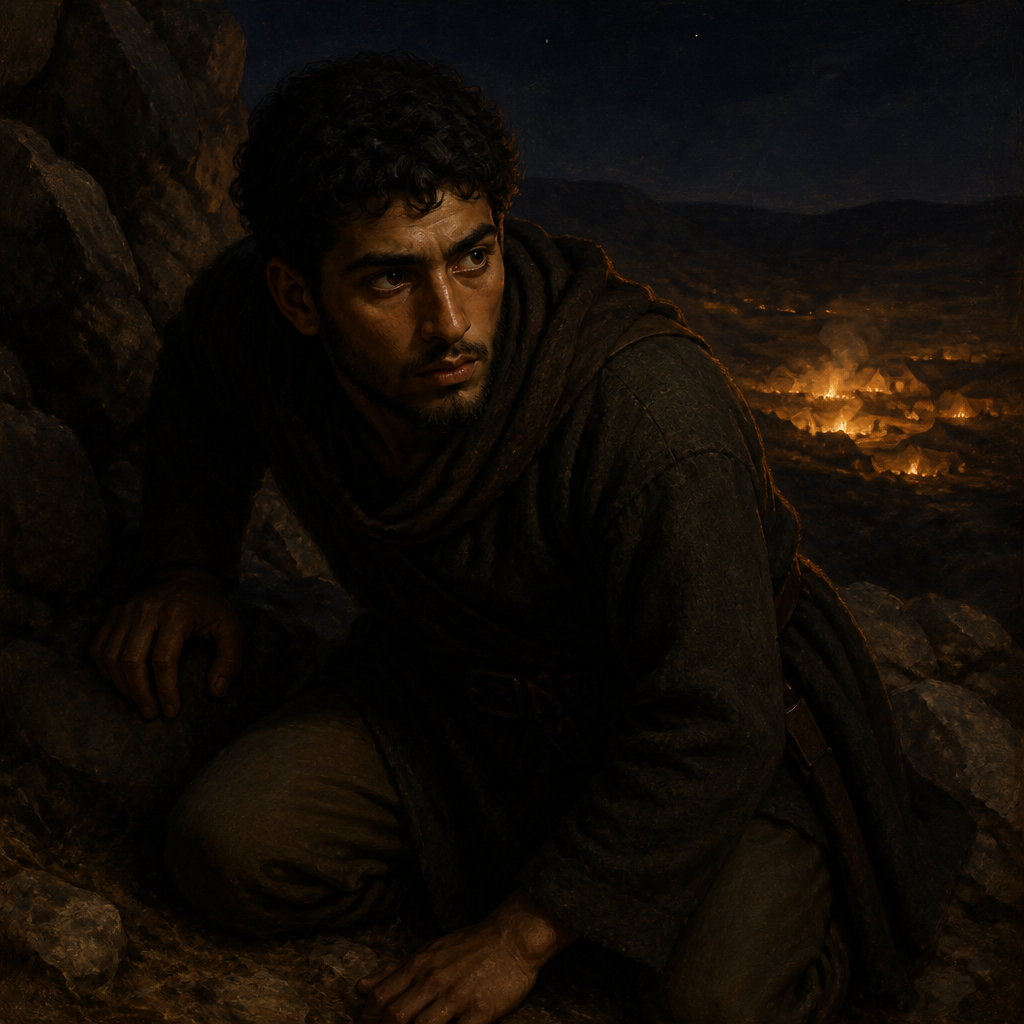
Purah
Gideon's servant who witnessed the Midianite camp
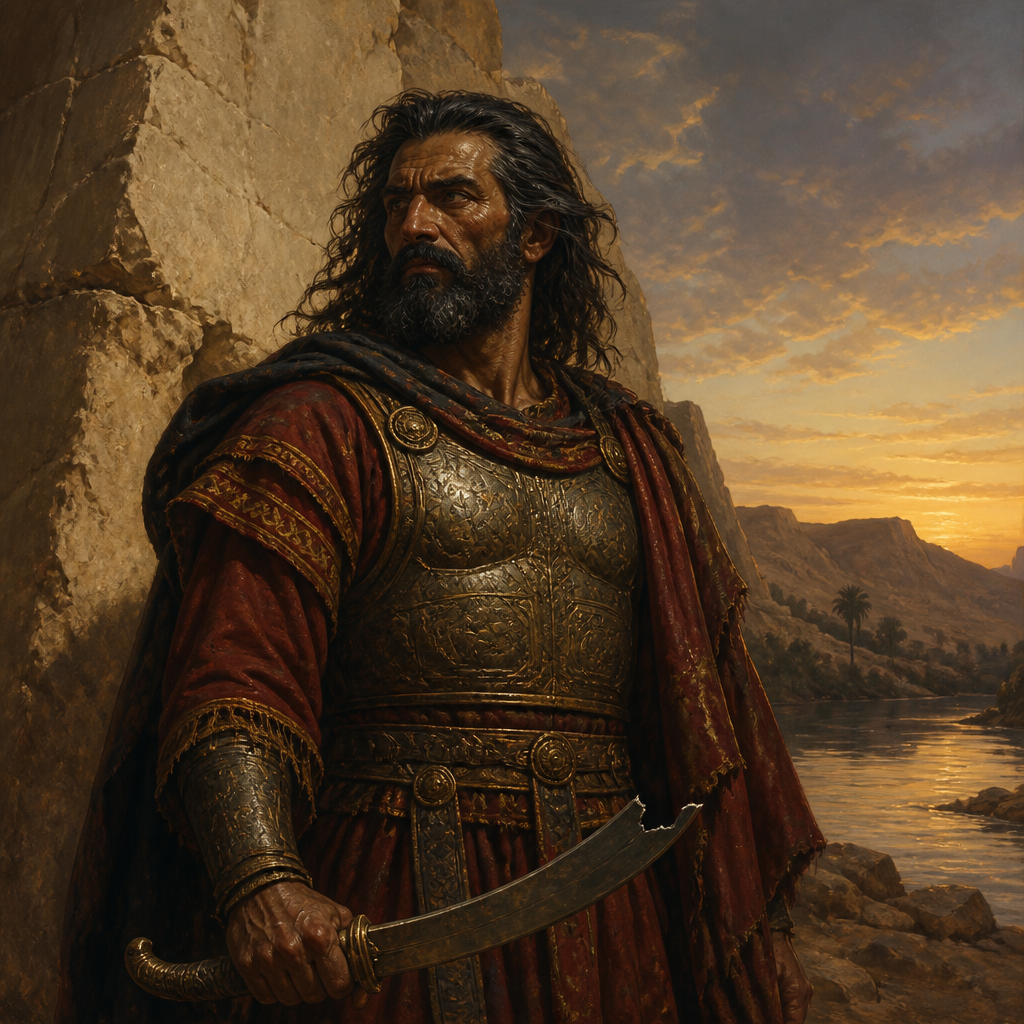
Oreb
Midianite prince defeated during the pursuit
Categories
Mentions by Book
- Judges14