Tobijah of the Post-Exilic Return
A Jewish exile who returned from Babylon to Jerusalem and provided silver and gold for a symbolic crown for the High Priest.
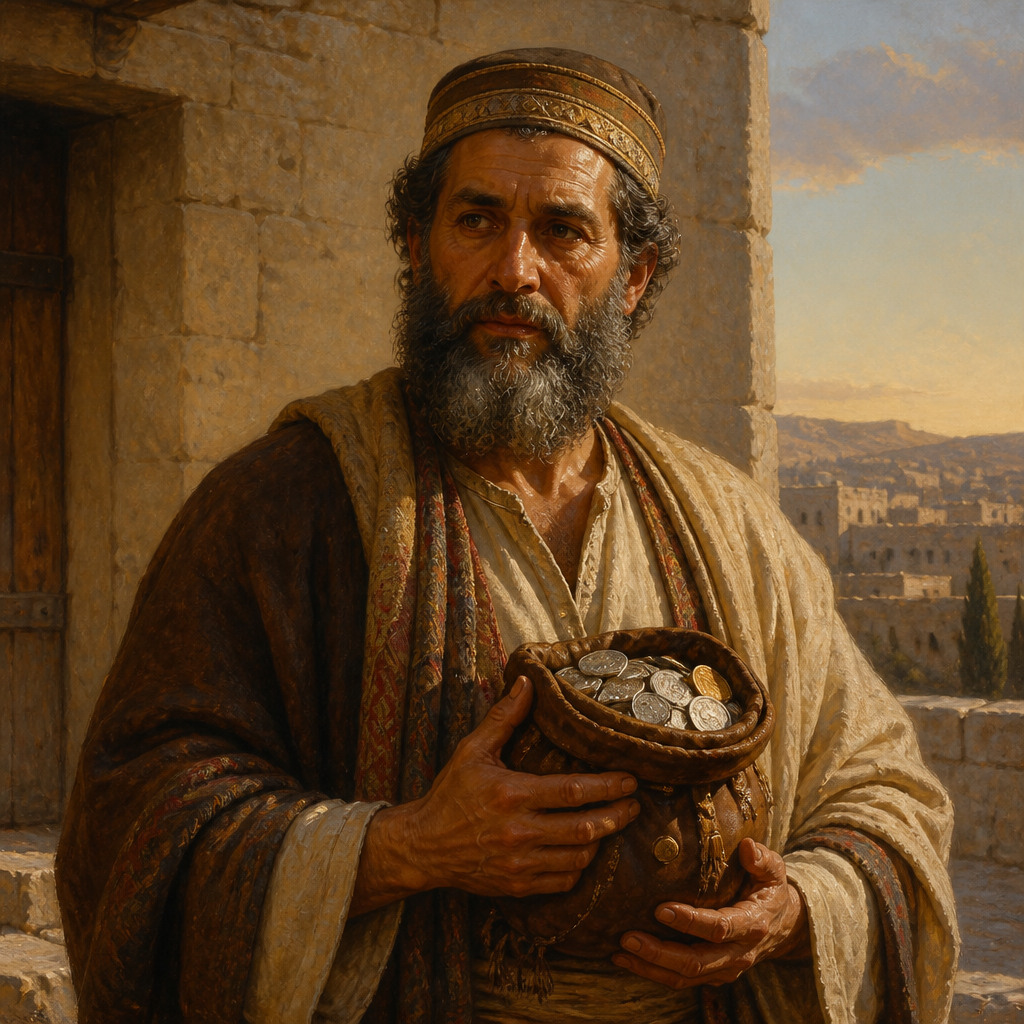
Tobijah was a prominent member of the Jewish community who lived during the late 6th century BC. He was among the group of exiles who traveled from Babylon to Jerusalem following the decree of Cyrus the Great, participating in the restoration of the Jewish community in their ancestral homeland.
His role in the biblical narrative is specifically linked to the prophetic ministry of Zechariah. Tobijah is identified as one of the individuals who brought gifts of precious metals from the Babylonian diaspora to support the struggling remnant in Jerusalem. His arrival and his contributions served as a catalyst for a significant prophetic sign-act involving the High Priest Joshua.
Background and Family
Tobijah appears in the biblical record during the critical period of the Post-Exilic Return (c. 520 BC). The text identifies him as one of the "exiles" who arrived from Babylon. While the Bible does not explicitly state his tribe or his specific lineage, his ability to provide significant quantities of silver and gold suggests he was a man of means and influence among the Jewish diaspora. He is grouped with two other men, Heldai and Jedaiah, who also made the journey from the East to the house of Josiah son of Zephaniah in Jerusalem.
Major Life Events
The primary event involving Tobijah is recorded in the book of Zechariah. Upon his arrival in Jerusalem, the prophet Zechariah received a divine command to take silver and gold from Tobijah and his companions. This metal was not merely a donation for the temple treasury but was intended for a specific, symbolic purpose.
Zechariah was instructed to fashion a crown (or multiple crowns) from the metals provided by Tobijah and his associates. This crown was then placed upon the head of Joshua son of Jozadak, the High Priest. This act was highly unusual, as crowns were typically reserved for the Davidic kings, not the priesthood. The ceremony served as a messianic prophecy concerning the "Branch," a figure who would build the temple of the LORD and rule as both a king and a priest.
Following this ceremony, the crown was not kept by the High Priest but was placed within the Temple of the LORD. According to Zechariah 6:14, the crown remained there as a "memorial" to the men who provided the materials, including Tobijah. This ensured that his name and his contribution to the restoration were preserved within the sacred precincts of the rebuilt temple.
Relationship to Other Biblical Figures
Tobijah is closely associated with Heldai and Jedaiah; the three are consistently mentioned together as the representatives of the Babylonian exiles. The group met at the home of Josiah son of Zephaniah, which appears to have served as a meeting place or a repository for the arriving travelers. Tobijah’s actions also linked him to the ministry of the prophet Zechariah and the leadership of the High Priest Joshua.
Spiritual Significance
Tobijah represents the faithfulness of the "Golah" (the exiles). Even those who had lived for decades in Babylon remained committed to the restoration of Jerusalem. His willingness to part with his wealth to honor the High Priest and the future Messianic King highlights the collaborative nature of the Post-Exilic period. In the biblical text, his name—which means "Yahweh is good"—is forever associated with the physical materials that formed a prophetic symbol of the coming Messiah. The preservation of his name in the temple memorial signifies that God remembers the specific acts of devotion performed by individual believers during times of national rebuilding.
Spiritual Significance
Tobijah serves as a historical witness to the continued support of the Babylonian diaspora for the Jerusalem restoration. His contribution of silver and gold was transformed into a prophetic symbol—a crown—that unified the offices of king and priest, foreshadowing the Messianic office. His inclusion in the Temple memorial underscores the theological theme that God honors and remembers those who contribute to his sanctuary and his people's spiritual renewal.
Frequently Asked Questions
Where did Tobijah come from?
Tobijah arrived in Jerusalem from Babylon, where he had been living among the Jewish exiles.
What did Tobijah give to the prophet Zechariah?
He provided silver and gold which were used to fashion a crown for the High Priest.
Who was the crown placed upon?
The crown made from Tobijah's gift was placed on the head of Joshua son of Jozadak, the High Priest.
What happened to the crown after the ceremony?
The crown was placed in the Temple of the LORD as a memorial to Tobijah and his companions.
In which book of the Bible is Tobijah mentioned?
Tobijah is mentioned in the book of Zechariah, specifically in chapter 6.
Connected Figures
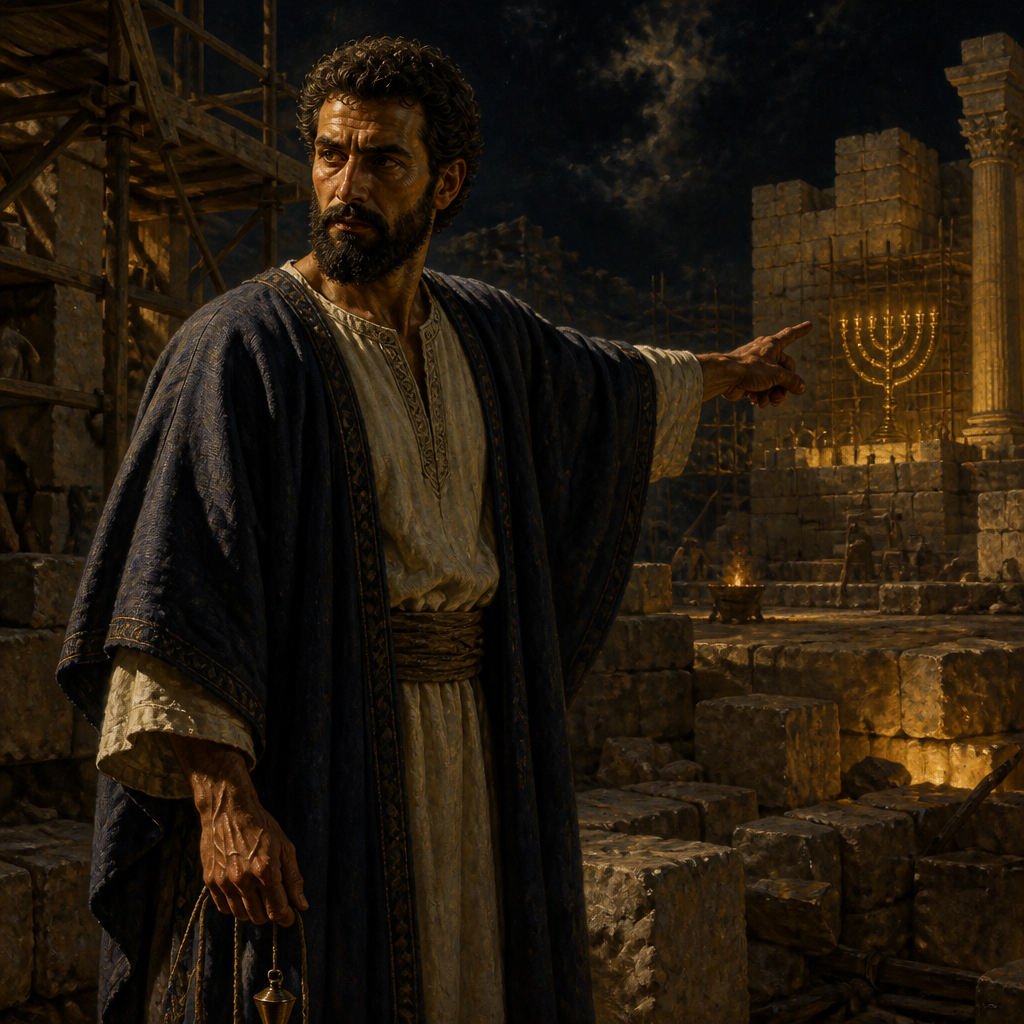
Zechariah
Prophet who took his offering
Heldai
Fellow exile and companion
Jedaiah
Fellow exile and companion
Joshua son of Jozadak
High Priest who wore the crown
Categories
Mentions by Book
- Zechariah2
Others Named Tobijah of the Post-Exilic Return
Tobijah, Levite of the Divided Monarchy2 Chronicles 17:8
A Levite appointed by King Jehoshaphat of Judah to travel throughout the kingdom and teach the Law of the Lord to the people.