Sharezer of Bethel
A representative from Bethel sent to Jerusalem during the Post-Exilic Period to inquire of the priests and prophets regarding the continuation of ritual mourning.
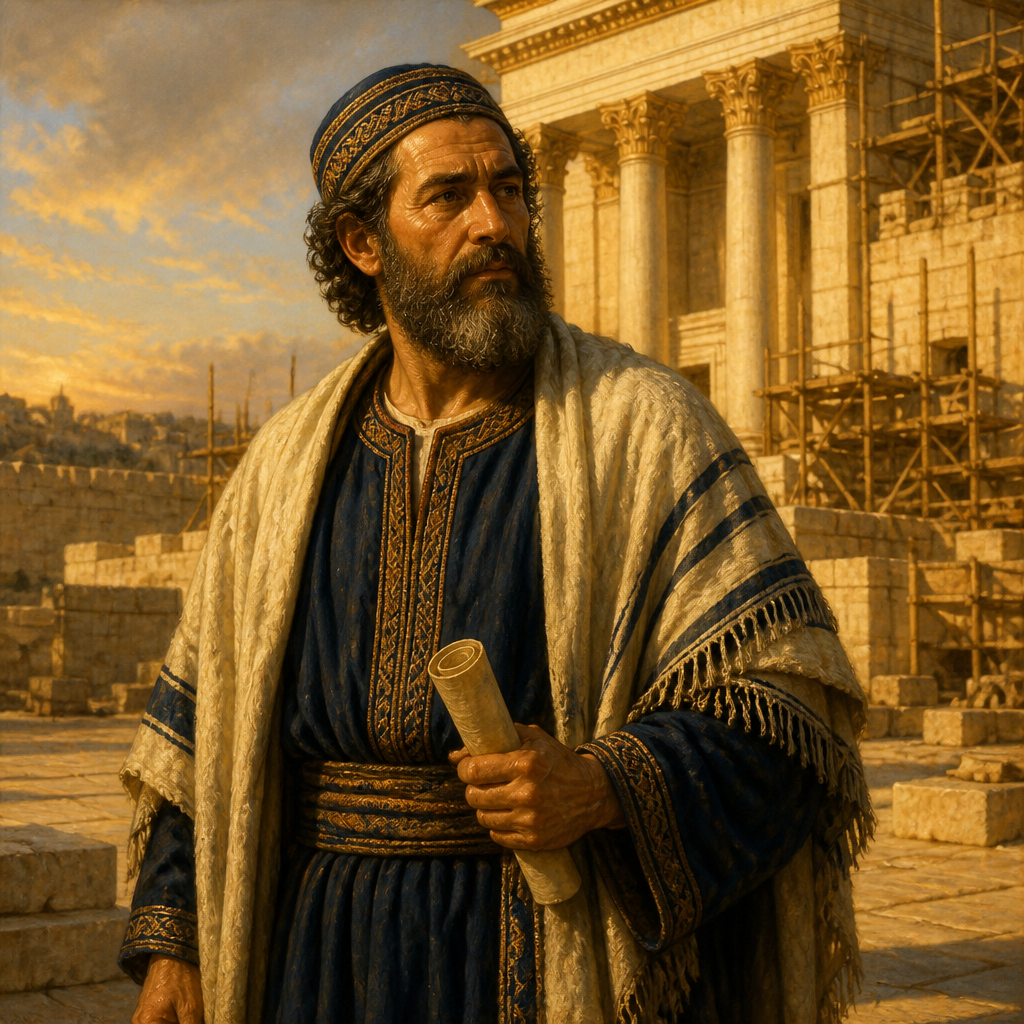
Sharezer was a prominent member of the community at Bethel during the restoration period following the Babylonian Exile. Appearing in the prophetic record of Zechariah, he was part of a formal delegation sent to the newly rebuilt Second Temple in Jerusalem. His mission was to seek a divine ruling on matters of religious law and liturgical practice that had been established during the years of captivity.
His appearance in the biblical text occurs in 518 BC, during the fourth year of the reign of the Persian King Darius. As a representative of the people of Bethel, Sharezer’s inquiry highlights the transition of the Jewish people from a state of mourning over the destruction of the First Temple to a new era of reconstruction and spiritual renewal under the leadership of Zerubbabel and Joshua the high priest.
Background and Family
The biblical record concerning Sharezer is contained within a single verse in the Book of Zechariah. He is identified as a leader or representative from the town of Bethel, a location of significant historical and religious weight in Israelite history. While the text does not provide a specific genealogy or tribal affiliation, his involvement in a formal religious delegation suggests he held a position of status or communal authority within the Post-Exilic community. The era of the Exile and Return was a time of significant social reorganization, and figures like Sharezer acted as intermediaries between local settlements and the centralized religious authority in Jerusalem.
Major Life Events
In the fourth year of King Darius (518 BC), Sharezer, along with Regem-melech and a group of attendants, was dispatched from Bethel to the house of the LORD in Jerusalem. Their primary objective was "to plead before the LORD" (Zechariah 7:2) and to pose a specific ritual question to the priests and prophets, including Zechariah himself.
The delegation asked whether they should continue to weep and fast in the fifth month—a practice that had been observed for seventy years to commemorate the burning of the Temple by the Babylonians. Because the Second Temple was nearing completion, the people of Bethel questioned if these specific rites of mourning were still necessary. Sharezer’s role was pivotal in initiating this dialogue, which prompted a series of four oracles from the LORD through Zechariah. These oracles challenged the motives behind the fasts and redirected the people toward justice, mercy, and truth.
Relationship to Other Biblical Figures
Sharezer is directly associated with Regem-melech, who served as his partner in the delegation to Jerusalem. The text mentions they traveled with "their men," indicating a party of sufficient size to require attendants or a formal escort. His interaction was directed toward the collective body of "the priests of the house of the LORD of Hosts and the prophets" (Zechariah 7:3). This interaction places him in the company of the spiritual elite of the restoration era, though the biblical record does not detail any personal correspondence beyond this specific official inquiry.
Spiritual Significance
Sharezer represents the post-exilic desire for divine guidance in a changing cultural landscape. His inquiry served as the catalyst for one of Zechariah’s most significant ethical teachings: that ritual fasting is secondary to moral conduct. The response Sharezer received emphasized that God values "true justice" and "mercy and compassion" (Zechariah 7:9) over the mere performance of sorrow. Through Sharezer’s question, the biblical narrative clarifies that the end of the exile was not just a physical return to the land, but a call to a transformed spiritual life characterized by joy and social righteousness rather than perpetual mourning.
Spiritual Significance
Sharezer’s significance lies in his role as a petitioner whose practical question about religious tradition prompted a profound prophetic revelation regarding the nature of true worship. His inquiry allowed the prophet Zechariah to transition the focus of the returning exiles from past traumas to future ethical responsibilities. By seeking the mind of God on liturgical matters, Sharezer facilitated the establishment of new norms for the Second Temple period, helping to define the spiritual identity of the Jewish people after seventy years of captivity.
Frequently Asked Questions
What was Sharezer’s mission in the Bible?
Sharezer was sent by the people of Bethel to Jerusalem to ask the priests and prophets if they should continue the ritual fasts that mourned the destruction of the First Temple.
When did Sharezer live?
He lived during the Post-Exilic Period, specifically appearing in the biblical record in 518 BC, during the fourth year of King Darius's reign.
Who went to Jerusalem with Sharezer?
He was accompanied by Regem-melech and a group of their men.
What town did Sharezer represent?
He represented the town of Bethel, which was being resettled by those returning from the Babylonian exile.
Connected Figures
Regem-melech
Companion and fellow delegate from Bethel
Zechariah
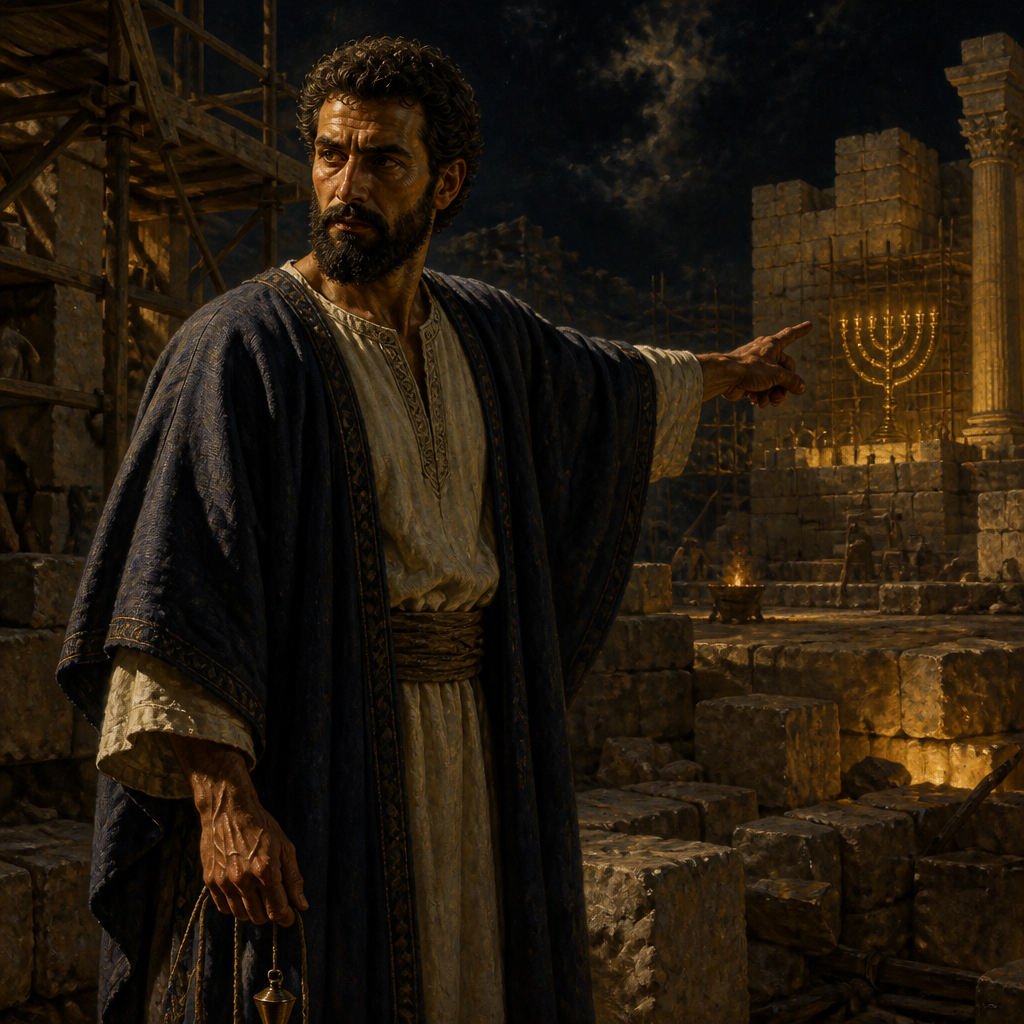
Prophet who answered his inquiry
Darius I
Persian King reigning during his mission
Categories
Mentions by Book
- Zechariah1
Others Named Sharezer of Bethel
Sharezer, Son of Sennacherib2 Kings 19:37
An Assyrian prince during the Divided Monarchy who, alongside his brother Adrammelech, assassinated their father King Sennacherib while he worshiped in the temple of Nisroch.