Zemirah
Who was Zemirah in the Bible?
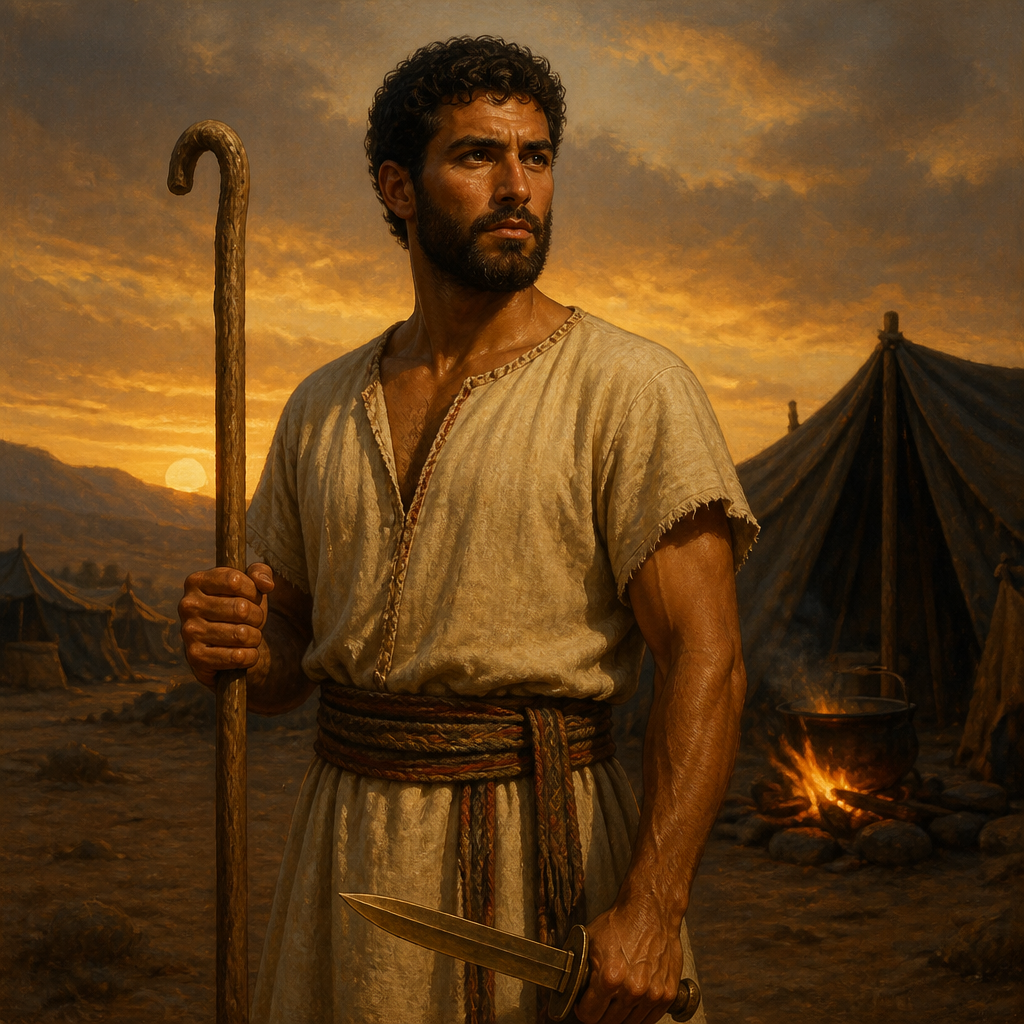
Zemirah was the firstborn son of Becher and a grandson of the patriarch Benjamin, listed in the tribal genealogies of 1 Chronicles.
Zemirah is a biblical figure mentioned in the genealogical records of the tribe of Benjamin. As the eldest son of Becher, he represents a significant branch of the Benjamite lineage during the transition between the Egyptian sojourn and the settlement in the Promised Land. The name Zemirah is derived from the Hebrew root meaning 'song' or 'melody,' though some scholars suggest it may relate to the pruning of vines.
His placement in the biblical record is found exclusively in the Book of Chronicles, a text intended to re-establish the identity and heritage of the Israelite tribes following the Babylonian exile. By tracing his lineage back to Benjamin, the chronicler affirms Zemirah's status among the heads of the houses of their fathers, characterized as 'mighty men of valor.'
Background and Family
Zemirah appears in the genealogical lists of 1 Chronicles 7:8 as a member of the tribe of Benjamin. He is identified as the first of nine sons born to Becher, who was the second son of the patriarch Benjamin (Genesis 46:21). The biblical record lists his brothers as Joash, Eliezer, Elioenai, Omri, Jeremoth, Abijah, Anathoth, and Alemeth.
According to the chronicler, these sons were all recognized as heads of their respective ancestral houses. The text emphasizes their status as "mighty men of valor," noting that their recorded genealogy numbered 20,200 men (1 Chronicles 7:9). This indicates that Zemirah was not merely an individual, but the progenitor of a significant military and social division within the tribe of Benjamin during the era of the Egypt and Wilderness periods and into the early settlement.
Major Life Events
There are no specific narrative events or personal anecdotes recorded for Zemirah in the Masoretic Text. His life is defined by his inclusion in the tribal census and genealogical record. As a son of Becher, he would have been part of the generational transition of the Israelites as they migrated and multiplied.
His primary function in the biblical text is to serve as a link in the preservation of the Benjamite heritage. The chronicler includes his name to ensure that the specific branches of Becher’s family—distinct from other Benjamite lines—were formally acknowledged in the national registry of Israel.
Relationship to Other Biblical Figures
Zemirah’s primary relationships are vertical and horizontal within his immediate family. He is the grandson of Benjamin, one of the twelve sons of Jacob (Israel). His relationship with his father, Becher, is central to his identity, as Becher is one of the few sons of Benjamin mentioned by name across multiple genealogical sources (compare Genesis 46:21 and 1 Chronicles 7:6).
He shared his status with eight brothers, all of whom are described collectively as leaders. This suggests a collaborative or parallel leadership structure among the siblings as they managed the affairs of the clan of Becher.
Spiritual Significance
The spiritual significance of Zemirah lies in the biblical theme of remembrance and the importance of tribal identity. In the post-exilic context of 1 Chronicles, the listing of Zemirah served to prove that God had preserved the specific families of Israel through the centuries. Though his individual deeds are not recorded, his name stands as a testament to the fulfillment of the promise to Abraham regarding numerous descendants. As a "mighty man of valor," he represents the strength and military readiness that the tribe of Benjamin was historically known for in the service of the nation of Israel.
Zemirah’s inclusion in the biblical text underscores the meticulous nature of Israelite record-keeping and the theological importance of lineage. By being named as the firstborn of Becher, Zemirah holds a place of honor within the tribe of Benjamin, reinforcing the tribe's internal structure and its survival through historical upheavals.
Theologically, Zemirah represents the 'silent' majority of the biblical record—individuals who did not perform miracles or lead nations but were essential to the continuity of the covenant people.
Frequently Asked Questions
Who was Zemirah's father?
Zemirah was the son of Becher, who was a son of Benjamin.
What tribe did Zemirah belong to?
He belonged to the tribe of Benjamin.
How many brothers did Zemirah have?
Zemirah had eight brothers: Joash, Eliezer, Elioenai, Omri, Jeremoth, Abijah, Anathoth, and Alemeth.
What does the name Zemirah mean?
The name is generally understood to mean 'song' or 'melody' in Hebrew.
In which book of the Bible is Zemirah mentioned?
Zemirah is mentioned only once in the Bible, in 1 Chronicles 7:8.
Family & Relationships
Parents
 Becher, Son of BenjaminFather1 Chronicles 7:8Stated
 ZemirahThis page
 Abijah, Son of BecherBrother1 Chronicles 7:8Stated
 Alemeth, Son of BecherBrother1 Chronicles 7:8Stated
 Anathoth, Son of BecherBrother1 Chronicles 7:8Stated
 Eliezer, Son of BecherBrother1 Chronicles 7:8Stated
 Elioenai, Son of BecherBrother1 Chronicles 7:8Stated
 Jeremoth, Son of BecherBrother1 Chronicles 7:8Stated
 Joash, Son of BecherBrother1 Chronicles 7:8Stated
 Omri, Son of BecherBrother1 Chronicles 7:8Stated
Connected Figures
Family
Father · 1 Chronicles 7:8
Becher was a son of the patriarch Benjamin who migrated to Egypt with his family and became a foundational ancestor of a major Benjamite clan.
Brother · 1 Chronicles 7:8
A grandson of the patriarch Benjamin and son of Becher, recognized in the biblical genealogies as a head of a family within the tribe of Benjamin during the era of the Egyptian sojourn.
Egypt and WildernessFirst: 1 Chronicles 7:81 versesHead of a tribal householdBenjamin
Brother · 1 Chronicles 7:8
Alemeth was a prominent descendant of Benjamin and a son of Becher, listed among the heads of families during the Egyptian sojourn and wilderness era.
Brother · 1 Chronicles 7:8
Anathoth was a descendant of Benjamin through Becher, listed as a prominent head of a household during the Israelite sojourn in Egypt and the Wilderness.
Egypt and WildernessFirst: 1 Chronicles 7:81 versesHead of a tribal householdBenjamin
Brother · 1 Chronicles 7:8
Eliezer was a descendant of the tribe of Benjamin, specifically the third named son of Becher.
Egypt and WildernessFirst: 1 Chronicles 7:81 versesmighty man of valorBenjamin
Brother · 1 Chronicles 7:8
A Benjamite descendant and son of Becher, recorded in the genealogies of 1 Chronicles during the Egyptian Sojourn and Wilderness era.
Brother · 1 Chronicles 7:8
A Benjamite descendant and son of Becher recorded in the genealogical records of the tribe of Benjamin during the era of Egypt and the Wilderness.
Egypt and WildernessFirst: 1 Chronicles 7:81 versesHead of a paternal houseBenjamin
Brother · 1 Chronicles 7:8
Joash was a son of Becher and a grandson of the patriarch Benjamin, recorded as a tribal leader and head of a father's house during the Egyptian sojourn.
Brother · 1 Chronicles 7:8
A Benjamite listed in the genealogies of 1 Chronicles, identified as a son of Becher and a descendant of the patriarch Jacob.
Egypt and WildernessFirst: 1 Chronicles 7:81 verseswarriorBenjamin
Categories
Mentions by Book
- 1 Chronicles1
Scripture References
All 1 indexed verse, in canonical order, from the Berean Standard Bible.
1 Chronicles · 1
- 1 Chronicles 7:8
The sons of Becher: Zemirah, Joash, Eliezer, Elioenai, Omri, Jeremoth, Abijah, Anathoth, and Alemeth; all these were Becher’s sons.