Palti, son of Raphu
Who was Palti, son of Raphu, in the Bible?
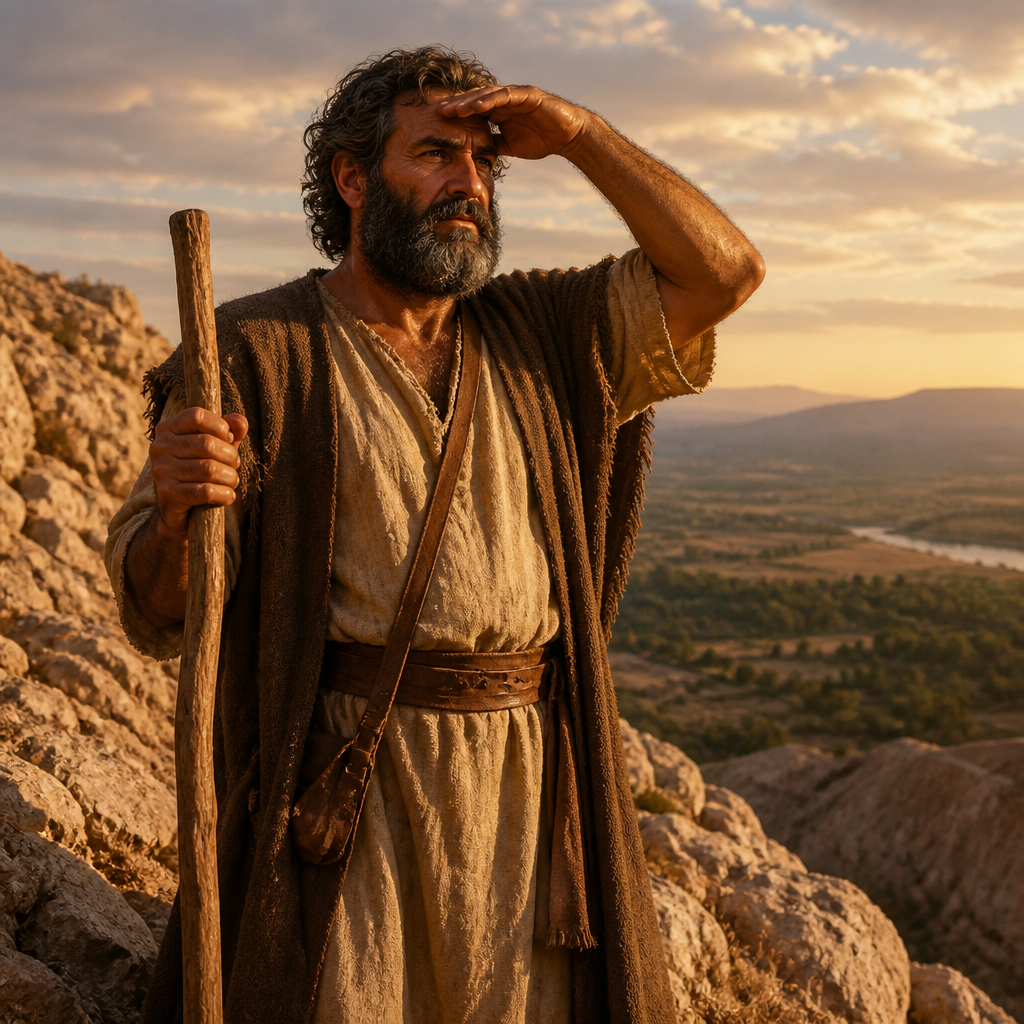
Palti, son of Raphu, was the representative from the tribe of Benjamin chosen by Moses to scout the land of Canaan during the wilderness wanderings.
This is one of 2 people named Palti in the Bible. See all 2 →
Palti, son of Raphu, is a figure mentioned in the biblical record during the transition of the Israelites from their wanderings in the Sinai wilderness toward the conquest of Canaan. As a representative of the tribe of Benjamin, he was selected for a critical reconnaissance mission that would determine the immediate future of the Hebrew nation.
His role is documented within the context of the twelve spies (scouts) sent by Moses to evaluate the fertility of the land, the strength of its inhabitants, and the fortification of its cities. While his name is preserved in the ancestral lists of the Pentateuch, Palti remains a figure whose specific actions are subsumed into the collective narrative of the scouting party.
Background and Family
Palti is identified in the Book of Numbers as the son of Raphu. He belonged to the tribe of Benjamin, one of the twelve tribes of Israel descended from the youngest son of Jacob. The name Palti is derived from the Hebrew root palat, meaning "delivered" or "escaped," suggesting a meaning such as "my deliverance" or "the Lord delivers."
At the time of his appearance in the biblical text, the Israelites were stationed in the Wilderness of Paran. Moses, acting under divine instruction, commanded that one leader from each of the ancestral tribes be sent to explore the land of Canaan (Numbers 13:1-3). Palti was the chosen "head" or leader representing the Benjamites, indicating that he held a position of significant communal standing and physical capability before being selected for the mission.
Major Life Events
The primary event associated with Palti is the forty-day scouting expedition into Canaan. Palti and his eleven companions traveled from the Negev as far north as Rehob. Their objectives were specific: to assess whether the people living there were strong or weak, few or many; to see if the land was good or bad; and to determine if the cities were unwalled camps or strongholds.
"From the tribe of Benjamin, Palti son of Raphu;" (Numbers 13:9, BSB)
Upon their return, the scouts presented a report that acknowledged the land's bounty—symbolized by a single cluster of grapes so large it required two men to carry—but also emphasized the terrifying stature of the inhabitants, including the Anakim (giants). Although the text does not record Palti's individual words, he was part of the majority group of ten spies who discouraged the Israelites, claiming the land "devours its inhabitants" and that the Hebrews were like "grasshoppers" in comparison to the Canaanites.
Relationship to Other Biblical Figures
Palti served directly under the leadership of Moses and worked alongside notable figures such as Joshua (representing Ephraim) and Caleb (representing Judah). While Joshua and Caleb provided a minority report of faith and encouragement, Palti is associated with the ten leaders who incited a rebellion among the congregation, leading to the divine decree that the generation would wander in the desert for forty years.
Spiritual Significance
In biblical history, Palti serves as a cautionary figure regarding the responsibilities of leadership. As a tribal head, his influence contributed to a national loss of faith. His inclusion in the text preserves the historical reality that even those chosen for high office and endowed with tribal authority can falter when faced with physical opposition rather than relying on divine promises. Because he was among the spies who brought a bad report, it is understood within the broader context of Numbers 14 that he was among those who perished by a plague before the Lord, never entering the Promised Land.
Palti represents the failure of human leadership when detached from faith. As a prince of Benjamin, he was granted the privilege of seeing the Promised Land firsthand, yet he is remembered as part of the collective group that prevented an entire generation from entering their inheritance due to fear. His life underscores the biblical theme that status within a community does not guarantee spiritual insight.
Frequently Asked Questions
Which tribe did Palti represent?
Palti represented the tribe of Benjamin during the scouting of Canaan.
Who was Palti's father?
Palti was the son of Raphu.
Was Palti one of the 'good' spies?
No. Palti was one of the ten spies who brought back a negative report, unlike Joshua and Caleb who encouraged the people to trust God.
What does the name 'Palti' mean?
The name is generally understood to mean 'my deliverance' or 'escaped' in Hebrew.
Did Palti enter the Promised Land?
No. As one of the spies who brought a bad report, he died in the wilderness along with his generation.
Family & Relationships
Parents
 RaphuFatherNumbers 13:9Stated
 Palti, son of RaphuThis page
Connected Figures
Family
Father · Numbers 13:9
Raphu was a man from the tribe of Benjamin whose son, Palti, was selected as one of the twelve spies sent by Moses to scout the land of Canaan.
Categories
Mentions by Book
- Numbers1
Scripture References
All 1 indexed verse, in canonical order, from the Berean Standard Bible.
Numbers · 1
- Numbers 13:9
from the tribe of Benjamin, Palti son of Raphu;
Others Named Palti
Compare all 2 bearers →Palti, Husband of Michal1 Samuel 25:44
A Benjamite from Gallim who was given King Saul’s daughter Michal in marriage after David fled the royal court.