Jogli
Who was Jogli in the Bible?
A Danite mentioned as the father of Bukki, who served as a tribal leader during the division of the Promised Land.
Jogli is a figure appearing in the Mosaic records of the Old Testament, specifically within the book of Numbers. He lived during the pivotal era of the Egyptian Sojourn and the subsequent Wilderness wanderings of the Israelites. Though Jogli himself does not appear in the narrative action of the Exodus, his inclusion in the genealogies of the wilderness generation establishes his status within the social and political hierarchy of the Tribe of Dan.
He is primarily identified by his relationship to his son, Bukki, who was appointed by Yahweh through Moses to oversee the distribution of the land of Canaan. Jogli represents the transitional generation of Israelites who endured the wilderness period, ensuring the continuity of tribal leadership for the conquest of the Promised Land. His presence in the biblical text is brief, appearing in only one verse, yet he remains an essential link in the lineage of Danite authority.
Background and Family
Jogli was a member of the Tribe of Dan during the late stages of the Israelite journey through the wilderness. His name, derived from the Hebrew root galah, carries connotations of being "exiled" or "carried away," perhaps reflecting the migratory state of the Hebrew people during the 15th century BC. As the father of Bukki, Jogli held a position of ancestral importance. In the patriarchal structure of ancient Israel, the reputation and standing of a son were often reflections of the father’s status within the clan. The fact that Jogli's son was chosen as a "prince" or "leader" (nasi) of the tribe suggests that Jogli belonged to a family of significant influence and noble standing among the Danites.
Major Life Events
The biblical record does not preserve specific details regarding Jogli’s birth, personal exploits, or death. His historical footprint is localized entirely within the administrative preparations for the settlement of Canaan. In Numbers 34, as the Israelites were camped on the plains of Moab by the Jordan across from Jericho, God provided Moses with a list of men who would be responsible for apportioning the land as an inheritance among the tribes. Jogli is mentioned in verse 22 as the father of the man selected for this duty on behalf of the Tribe of Dan. While Jogli likely belonged to the generation that perished in the wilderness due to the lack of faith shown at Kadesh-barnea, he lived on through the leadership of his son.
Relationship to Other Biblical Figures
Jogli’s primary relationship in the biblical text is to his son, Bukki. Bukki son of Jogli served alongside prominent figures such as Eleazar the priest and Joshua son of Nun. Within the specific list provided in Numbers 34:16–28, Jogli is grouped alongside other tribal fathers like Ephod (father of Hanniel) and Parnach (father of Elizaphan). This genealogical placement connects Jogli to the elite families of the twelve tribes who were tasked with the transition from nomadic life to settled agrarian life in the Levant.
Spiritual Significance
Though Jogli’s personal spiritual life is not detailed, his inclusion in the sacred text serves a specific theological and structural purpose. He represents the fulfillment of the promise that the tribes of Israel would maintain their distinct identities and leadership structures throughout their trials. In the context of the book of Numbers, names like Jogli serve as a testament to the meticulous nature of God’s covenantal order. By recording the father of the tribal leader, the text emphasizes that the leadership of the new generation was rooted in established familial lines, providing a sense of stability and divine sanction as the nation prepared to cross the Jordan River.
Jogli’s significance lies in his role as a genealogical link within the Tribe of Dan. He represents the silent majority of the wilderness generation who, while not participating in the entry into Canaan themselves, raised the leaders who would facilitate the fulfillment of the Abrahamic covenant. His name stands as a permanent record of the Danite lineage during the Mosaic era.
Furthermore, Jogli’s mention in the specific context of land distribution underscores the importance of heritage in the Old Testament. The inclusion of his name ensures that the authority of his son, Bukki, was recognized as legitimate and grounded in his paternal ancestry, which was vital for the legal and social framework of the early Israelite tribal confederacy.
Frequently Asked Questions
Who was Jogli in the Bible?
Jogli was an Israelite from the Tribe of Dan, best known as the father of Bukki, the leader chosen to help divide the Promised Land.
What does the name Jogli mean?
The name Jogli (Hebrew: יׇגְלִי) is generally understood to mean 'led into exile' or 'he is revealed.'
In which book of the Bible is Jogli mentioned?
Jogli is mentioned only once in the Bible, in the Book of Numbers, chapter 34, verse 22.
Was Jogli a leader of the Tribe of Dan?
The Bible identifies his son, Bukki, as the leader (prince) of the Tribe of Dan, though Jogli’s mention suggests he was from a prominent family within the tribe.
Did Jogli enter the Promised Land?
The Bible does not explicitly say, but as he was of the generation of the Exodus, it is highly probable he was among those who died in the wilderness before the crossing of the Jordan.
Family & Relationships
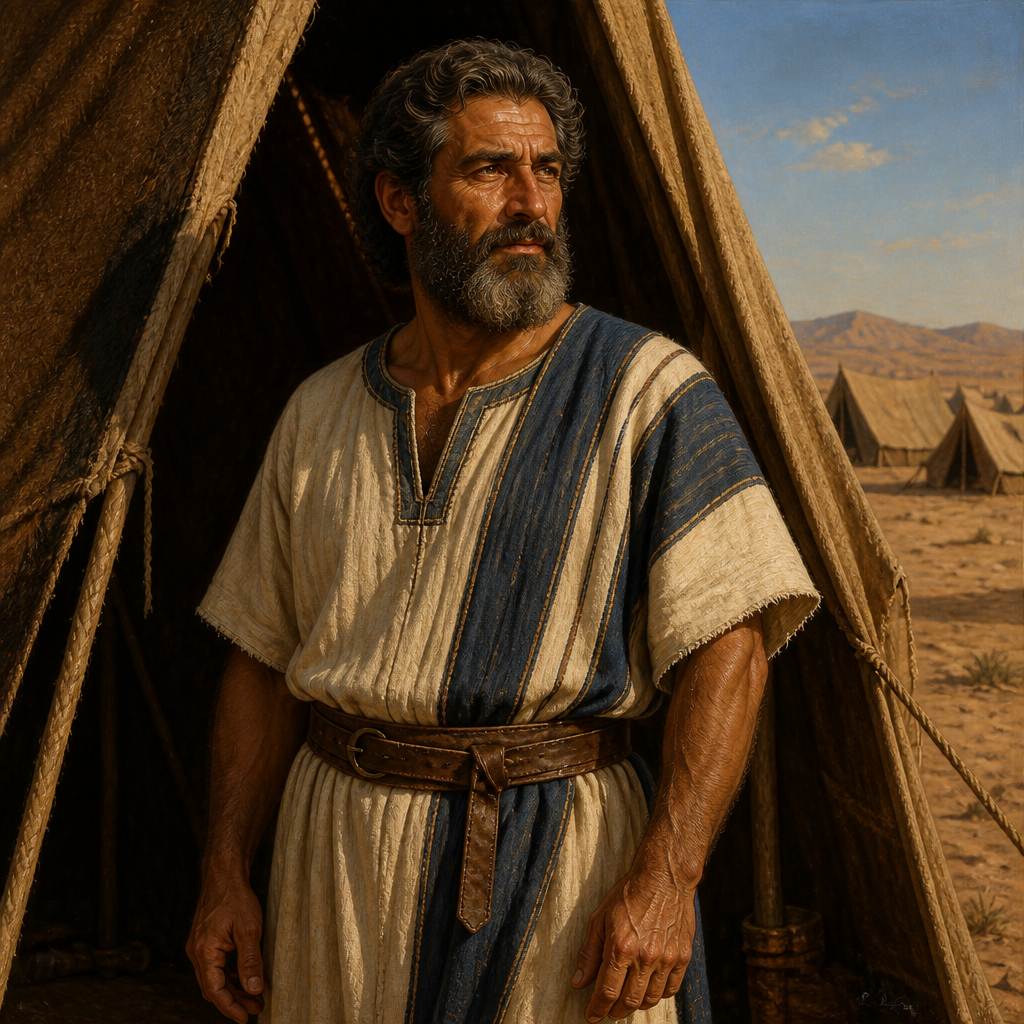 JogliThis page
Children
 Bukki, Leader from the Tribe of DanSonNumbers 34:22Stated
Connected Figures
Family
Son · Numbers 34:22
A tribal leader of Dan appointed by God to oversee the division of the Promised Land among the Israelites.
Egypt and WildernessFirst: Numbers 34:221 versesCommissionerDan
Categories
Mentions by Book
- Numbers1
Scripture References
All 1 indexed verse, in canonical order, from the Berean Standard Bible.
Numbers · 1
- Numbers 34:22
Bukki son of Jogli, a leader from the tribe of Dan;