Shiphi
Who was Shiphi in the Bible?
A Simeonite leader and descendant of Allon whose lineage is recorded during the Divided Monarchy period in the genealogies of 1 Chronicles.
Shiphi is a minor figure in the biblical record, appearing exclusively within the genealogical records of the Tribe of Simeon. His identity is defined by his lineage: he is the son of Allon and the father of Ziza. These genealogies serve as vital historical links during the Divided Monarchy, preserving the identities of the southern tribes who maintained their territory within the borders of Judah.
While the biblical text provides no narrative details regarding Shiphi’s personal life or specific deeds, his inclusion in the chronicler's record signifies his status within the clan of Simeon. He represents a generation that maintained the Simeonite heritage during a tumultuous era of Israel's history, leading toward the territorial expansions that would define his son Ziza’s generation.
Background and Family
Shiphi is situated within the genealogical framework of the Tribe of Simeon, one of the twelve tribes of Israel. According to 1 Chronicles 4:37, Shiphi was the son of Allon, who descended through a line including Jedaiah, Shimri, and Shemaiah. This specific lineage identifies Shiphi as part of a prominent Simeonite family that survived the shifts of the Divided Monarchy.
The Tribe of Simeon is unique in biblical history for having its inheritance located within the territory of the Tribe of Judah (Joshua 19:1). By the time of the Divided Monarchy—the period following the death of Solomon in 931 BC when the kingdom split into Israel and Judah—the Simeonites remained largely associated with the southern kingdom of Judah. Shiphi’s place in this record ensures the continuity of the Simeonite identity during this period of geopolitical division.
Major Life Events
There are no specific life events, speeches, or actions attributed to Shiphi in the Masoretic Text. The biblical record for Shiphi is strictly genealogical. He appears as a transitional figure between his father, Allon, and his son, Ziza.
However, his historical context is significant. Shiphi lived during the era of the Divided Monarchy, and his son, Ziza, is listed among the "leaders by name" who participated in a significant Simeonite expansion during the reign of King Hezekiah (c. 715–686 BC). This suggests that Shiphi was a man of status whose descendants were capable of mobilizing tribal forces to secure new pasturage for their flocks in the valley of Gedor.
Relationship to Other Biblical Figures
Shiphi’s primary relationships are defined by his ancestry and his offspring. As the son of Allon, he inherited the legacy of a family that had meticulously tracked its lineage back to the early days of the tribal settlements.
His most notable relationship is as the father of Ziza. The text highlights Ziza as a prince or leader among the Simeonites. Because the chronicler often uses genealogies to establish the legitimacy of later leaders, Shiphi serves as the necessary link that validates Ziza’s authority within the tribe.
Spiritual Significance
In a theological context, Shiphi represents the preservation of the promise. The chronicler’s inclusion of Shiphi in the post-exilic record (written after the return from Babylon) served to remind the Israelites that God had preserved specific families throughout the Divided Monarchy and the subsequent exile.
Shiphi’s inclusion demonstrates that even individuals who do not perform miraculous signs or lead nations are integral to the unfolding history of the people of God. His name, which may be related to a Hebrew root meaning "abundant," stands as a marker of the survival and continued presence of the Tribe of Simeon within the covenant community.
Shiphi’s significance lies in the preservation of tribal identity. By being recorded in the official genealogies of 1 Chronicles, he serves as a witness to the continuity of the Tribe of Simeon during the Divided Monarchy. This record was essential for the post-exilic community to reclaim their ancestral heritage and land rights.
Furthermore, Shiphi acts as the genealogical bridge to Ziza, a leader who expanded Simeonite territory. His presence in the text affirms the biblical emphasis on family history and the importance of every generation in maintaining the covenant line that eventually leads to the restoration of Israel.
Frequently Asked Questions
Who was Shiphi's father?
Shiphi was the son of Allon, a descendant of the Tribe of Simeon.
Which tribe did Shiphi belong to?
Shiphi was a member of the Tribe of Simeon, whose territory was located within the borders of Judah.
In what book of the Bible is Shiphi mentioned?
Shiphi is mentioned only once in the Bible, in 1 Chronicles 4:37.
What era of biblical history did Shiphi live in?
Shiphi lived during the Divided Monarchy, the period when the kingdom of Israel was split into Northern and Southern kingdoms.
What is the meaning of the name Shiphi?
The name Shiphi (שִׁפְעִי) is generally understood to mean 'abundant' or 'numerous' in Hebrew.
Family & Relationships
Parents
 AllonFather1 Chronicles 4:37Stated
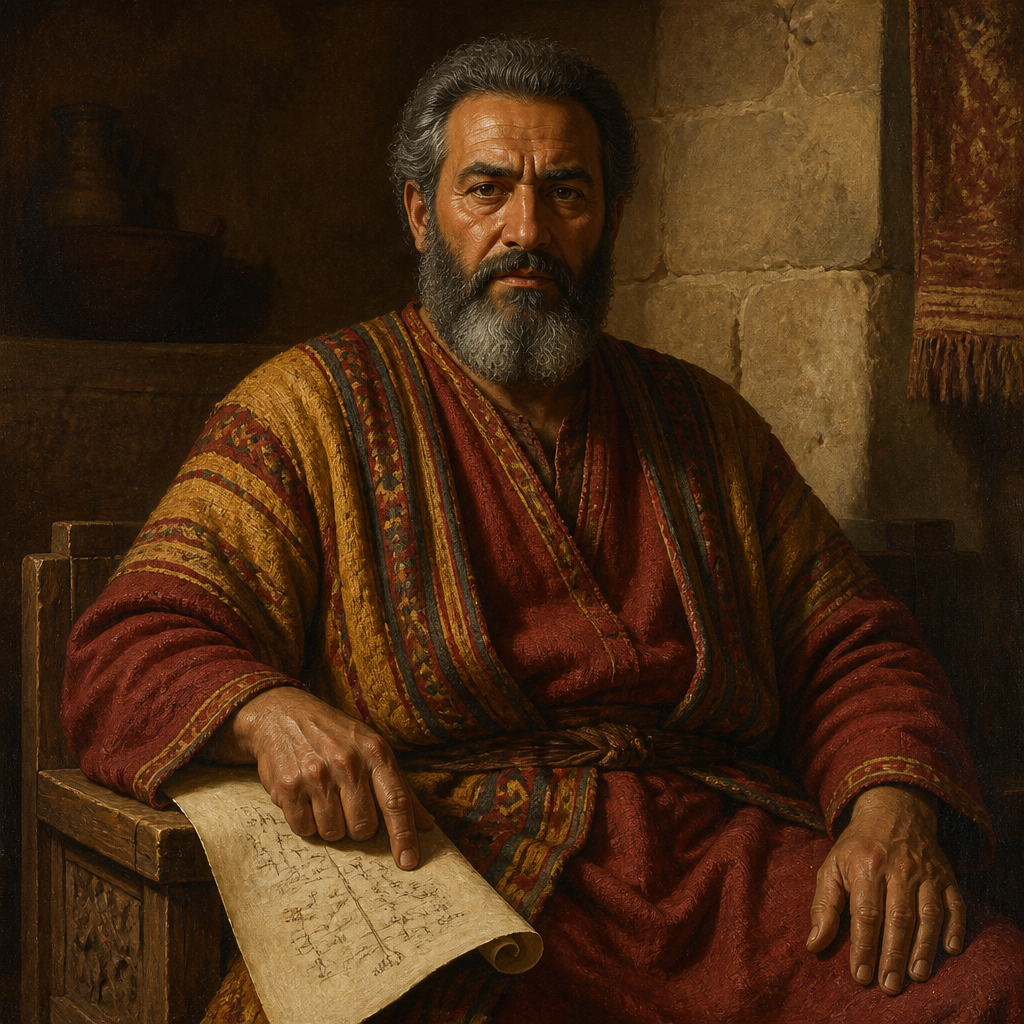 ShiphiThis page
Children
 Ziza, Simeonite of the Divided MonarchySon1 Chronicles 4:37Stated
Connected Figures
Family
Father · 1 Chronicles 4:37
A Simeonite descendant who lived during the period of the Divided Monarchy and is recorded in the genealogical records of 1 Chronicles.
Son · 1 Chronicles 4:37
A prince and leader of the tribe of Simeon during the Divided Monarchy who is recorded in the genealogies of 1 Chronicles.
Divided MonarchyFirst: 1 Chronicles 4:371 versesPrinceSimeon
Categories
Mentions by Book
- 1 Chronicles1
Scripture References
All 1 indexed verse, in canonical order, from the Berean Standard Bible.
1 Chronicles · 1
- 1 Chronicles 4:37
and Ziza son of Shiphi (son of Allon, son of Jedaiah, son of Shimri, son of Shemaiah).