Shaharaim
Who was Shaharaim in the Bible?
A Benjaminite who settled in the land of Moab and became the progenitor of several prominent family lines after divorcing two of his wives.
Shaharaim is a figure appearing in the genealogical records of the tribe of Benjamin during the era of the Divided Monarchy. His life is characterized by migration and complex domestic transitions, specifically his move to the territory of Moab. This movement reflects the fluid nature of tribal boundaries and the occasional settlement of Israelites in neighboring foreign lands during this period of biblical history.
While his individual actions are not detailed in narrative form, the chronicler highlights his role as a patriarch who established a large household. His inclusion in the record serves to trace the lineage of specific Benjaminite clans that remained significant to the post-exilic community's identity and land claims.
Background and Family
Shaharaim was a member of the tribe of Benjamin, a group noted for its fierce independence and strategic location between the northern and southern kingdoms. His history is preserved in 1 Chronicles 8, a chapter dedicated to the descendants of Benjamin. The text specifically notes that Shaharaim fathered children in the "country of Moab." This detail is significant as it suggests a period of dwelling outside the traditional borders of Israel, possibly due to famine, trade, or political shifts during the Divided Monarchy.
His domestic life was marked by the divorce of two wives, Hushim and Baara. The reasons for these divorces are not provided in the biblical text. Following these separations, Shaharaim fathered a new branch of his lineage through his wife Hodesh. The sons born to him in Moab became the heads of their respective houses, ensuring the survival and expansion of his name within the tribal registry.
Major Life Events
The primary event recorded in the life of Shaharaim is his migration and the subsequent restructuring of his family. The scripture states, "Shaharaim had sons in the country of Moab after he had divorced his wives Hushim and Baara" (1 Chronicles 8:8). Through his union with Hodesh, he fathered seven sons: Jobab, Zibia, Mesha, Malcam, Jeuz, Sachia, and Mirmah. Additionally, through his earlier union with Hushim, he was the father of Abitub and Elpaal. This extensive list of progeny highlights his role as a significant tribal contributor.
Relationship to Other Biblical Figures
Shaharaim’s primary relationships are defined by his roles as a husband and a father. His sons, particularly Elpaal, became significant figures in their own right; the text notes that Elpaal’s descendants were responsible for building cities such as Ono and Lod. Through these connections, Shaharaim is linked to the physical reconstruction and habitation of the land of Israel. His wives—Hushim, Baara, and Hodesh—are preserved in the record to validate the legitimacy of the different branches of his family tree.
Spiritual Significance
In the context of the Books of Chronicles, figures like Shaharaim represent the continuity of the people of God despite historical upheavals. His move to Moab and back into the tribal records of Israel illustrates the theme of preservation. Even when members of the tribe were scattered or lived in foreign lands, their identity as Benjaminites remained intact. His life serves as a genealogical bridge, connecting the ancient tribal foundations to the families that would eventually return from exile to inhabit the ancestral lands.
Shaharaim’s significance lies in his contribution to the Benjaminite genealogy, specifically providing the link to the clans that inhabited Ono and Lod. His record demonstrates that even during the Divided Monarchy, Israelite identity was maintained through careful genealogical tracking, even when individuals resided in foreign territories like Moab.
Furthermore, he is one of the few figures in the tribal lists whose domestic changes—specifically divorce—are mentioned explicitly. This provides a rare glimpse into the social and familial dynamics of the period, emphasizing that these historical records were concerned with the legal and biological origins of the clans that constituted the nation of Israel.
Frequently Asked Questions
Which tribe did Shaharaim belong to?
Shaharaim was a member of the tribe of Benjamin.
Where did Shaharaim live when he had his sons?
The Bible records that he had sons in the country of Moab.
Who were the wives of Shaharaim?
His wives were Hushim, Baara, and Hodesh.
How many sons are recorded for Shaharaim?
He is credited with at least nine sons across his relationships: Abitub, Elpaal, Jobab, Zibia, Mesha, Malcam, Jeuz, Sachia, and Mirmah.
Why is Shaharaim mentioned in 1 Chronicles?
He is mentioned to document the lineage of the tribe of Benjamin and to establish the ancestry of the families who settled in towns like Ono and Lod.
Family & Relationships
 BaaraWife1 Chronicles 8:8Stated
 HodeshWife1 Chronicles 8:9Stated
 Hushim, Wife of ShaharaimWife1 Chronicles 8:8Stated
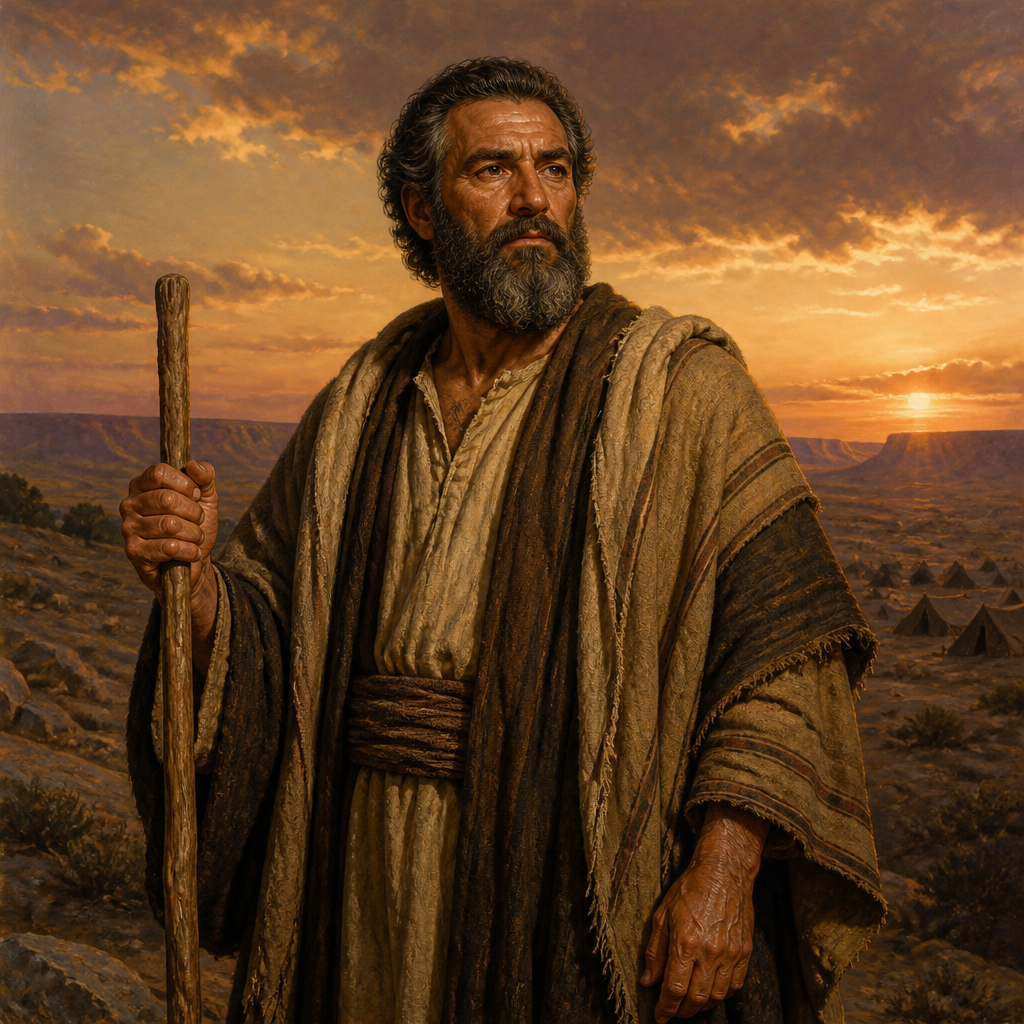 ShaharaimThis page
Children
 AbitubSon1 Chronicles 8:8
Inferred
No verse names Abitub and Shaharaim together; the father link is carried from the surrounding genealogy and is not stated in Scripture.Evidence: 1 Chronicles 8:8
 ElpaalSon1 Chronicles 8:8
Inferred
No verse names Elpaal and Shaharaim together; the father link is carried from the surrounding genealogy and is not stated in Scripture.Evidence: 1 Chronicles 8:8
 JeuzSon1 Chronicles 8:8
Inferred
No verse names Jeuz and Shaharaim together; the father link is carried from the surrounding genealogy and is not stated in Scripture.Evidence: 1 Chronicles 8:8
 Jobab, Son of ShaharaimSon1 Chronicles 8:8
Inferred
No verse names Jobab and Shaharaim together; the father link is carried from the surrounding genealogy and is not stated in Scripture.Evidence: 1 Chronicles 8:8
 MalcamSon1 Chronicles 8:8
Inferred
No verse names Shaharaim and Malcam together; the son link is carried from the surrounding genealogy and is not stated in Scripture.Evidence: 1 Chronicles 8:8
 Mesha, Son of ShaharaimSon1 Chronicles 8:8
Inferred
No verse names Mesha and Shaharaim together; the father link is carried from the surrounding genealogy and is not stated in Scripture.Evidence: 1 Chronicles 8:8
 MirmahSon1 Chronicles 8:8
Inferred
No verse names Mirmah and Shaharaim together; the father link is carried from the surrounding genealogy and is not stated in Scripture.Evidence: 1 Chronicles 8:8
 SachiaSon1 Chronicles 8:8
Inferred
No verse names Sachia and Shaharaim together; the father link is carried from the surrounding genealogy and is not stated in Scripture.Evidence: 1 Chronicles 8:8
 ZibiaSon1 Chronicles 8:8
Inferred
No verse names Shaharaim and Zibia together; the son link is carried from the surrounding genealogy and is not stated in Scripture.Evidence: 1 Chronicles 8:8
Connected Figures
Family
Wife · 1 Chronicles 8:8
A woman of the tribe of Benjamin during the Divided Monarchy who was a wife of Shaharaim before being divorced in the land of Moab.
Wife · 1 Chronicles 8:9
Hodesh was a woman of the tribe of Benjamin during the Divided Monarchy and a wife of Shaharaim, notable for being the mother of seven sons listed in the Benjamite genealogy.
Divided MonarchyFirst: 1 Chronicles 8:93 versesMatriarch of Benjamite clansBenjamin
Wife · 1 Chronicles 8:8
Hushim was a Benjamite woman and a wife of Shaharaim who bore him two sons, Abitub and Elpaal, during the era of the Divided Monarchy.
Divided MonarchyFirst: 1 Chronicles 8:82 versesMatriarchBenjamin
Son · 1 Chronicles 8:8
A member of the tribe of Benjamin and the son of Shaharaim and Hushim, mentioned in the genealogical records of 1 Chronicles.
Son · 1 Chronicles 8:8
A prominent Benjamite leader and patriarch during the Divided Monarchy whose descendants were responsible for the construction of the cities of Ono and Lod.
Son · 1 Chronicles 8:8
A son of Shaharaim and Hodesh within the tribe of Benjamin, recognized as a head of a family during the period of the Divided Monarchy.
Son · 1 Chronicles 8:8
A son of the Benjamite Shaharaim and his wife Hodesh, listed in the post-exilic genealogies of the Tribe of Benjamin during the Divided Monarchy.
Son · 1 Chronicles 8:8
Malcam was a Benjamite, the son of Shaharaim and Hodesh, recorded in the genealogical records of the tribe of Benjamin.
Son · 1 Chronicles 8:8
Mesha was a descendant of Benjamin born in the land of Moab to Shaharaim and his wife Hodesh during the Divided Monarchy era.
Son · 1 Chronicles 8:8
A Benjamite leader and son of Shaharaim, recognized in the post-exilic genealogies as a head of a family during the Divided Monarchy era.
Son · 1 Chronicles 8:8
Sachia was a Benjamite family head born in Moab during the Divided Monarchy period to Shaharaim and his wife Hodesh.
Son · 1 Chronicles 8:8
A son of Shaharaim and Hodesh, identified as a head of a household within the tribe of Benjamin during the era of the Divided Monarchy.
Categories
Mentions by Book
- 1 Chronicles4
Scripture References
All 4 indexed verses, in canonical order, from the Berean Standard Bible.
1 Chronicles · 4
- 1 Chronicles 8:8
Shaharaim had sons in the country of Moab after he had divorced his wives Hushim and Baara.
- 1 Chronicles 8:9Partial
His sons by his wife Hodesh: Jobab, Zibia, Mesha, Malcam,
Cited as evidence on a family card; added so References, Key Verses and Mentions by Book share one index.
- 1 Chronicles 8:10Partial
Jeuz, Sachia, and Mirmah. These were his sons, heads of families.
Cited as evidence on a family card; added so References, Key Verses and Mentions by Book share one index.
- 1 Chronicles 8:11Partial
He also had sons by Hushim: Abitub and Elpaal.
Cited as evidence on a family card; added so References, Key Verses and Mentions by Book share one index.