Baara
Who was Baara in the Bible?
A woman of the tribe of Benjamin during the Divided Monarchy who was a wife of Shaharaim before being divorced in the land of Moab.
Baara is a figure appearing in the genealogical records of the tribe of Benjamin, specifically during the period of the Divided Monarchy. Her presence in the biblical text is exceptionally brief, confined to a single verse within the extensive family lineages recorded in the book of 1 Chronicles. She is identified as one of the wives of Shaharaim, a Benjamite who migrated to the country of Moab.
The biblical record concerning Baara is primarily focused on her marital status and her subsequent displacement. She is mentioned within the context of Shaharaim’s complex domestic history, which involved multiple wives and a significant geographic move from the tribal lands of Israel into foreign territory. Her inclusion in the text serves to clarify the lineage of the Benjamite families that emerged from these unions.
Background and Family
Baara was a member of the tribe of Benjamin, though her specific parentage is not preserved in the biblical record. She lived during the era of the Divided Monarchy, a time when tribal identities remained central to Israelite social structure. Her primary identification in scripture is through her marriage to Shaharaim, a man of the tribe of Benjamin.
The genealogy in 1 Chronicles 8 suggests that Shaharaim left the traditional tribal boundaries to settle in the country of Moab. It was during this period, or leading up to it, that Baara was part of his household. The text lists her alongside another wife named Hushim, indicating a polygamous domestic arrangement that was common among the tribal leaders of that era.
Major Life Events
The only recorded event in Baara's life is her divorce. The Chronicler notes in 1 Chronicles 8:8 that Shaharaim "had sons in the country of Moab after he had divorced his wives Hushim and Baara." This concise statement provides the entirety of her known biography. The reasons for the divorce are not explicitly stated, nor does the text clarify if the divorce occurred before or after the move to Moab, though the phrasing suggests a transition in Shaharaim’s family life that preceded the birth of his children by a third wife, Hodesh.
Unlike many other women mentioned in Benjamite genealogies, there is no mention of Baara having children. While it is possible she remained childless, it is equally possible that her offspring were simply not the focus of this specific genealogical branch. Her departure from the household marks the end of her involvement in the recorded history of the tribe.
Relationship to Other Biblical Figures
Baara’s primary relationship is with her husband, Shaharaim. She is also linked textually to Hushim, her co-wife who shared the same fate of divorce. Following Baara’s departure from the family, Shaharaim married Hodesh, who bore him seven sons who became heads of their respective households. Consequently, Baara is positioned as part of the 'pre-Moab' or early Moabite phase of Shaharaim's lineage, representing a branch of the family tree that was pruned or redirected.
Spiritual Significance
In the context of 1 Chronicles, Baara serves a structural rather than a moral or spiritual role. The genealogies were written to help the post-exilic community reclaim their identity and land rights. Her mention ensures the accuracy of the family record of Benjamin. Historically, her divorce and the mention of Moab reflect the fluid boundaries and social complexities of the Divided Monarchy, where Israelites often interacted with neighboring nations like Moab, despite the theological tensions such associations often created.
Baara’s significance lies in her inclusion in the meticulous genealogical records of the tribe of Benjamin. Her presence highlights the historical reality of domestic transitions and the movement of Israelite families into foreign lands like Moab during the Divided Monarchy. She represents the often-unseen individuals whose lives were caught in the shifting social and geographic landscape of ancient Israel.
While her specific contribution to the lineage is not detailed through descendants, her name preserved in 1 Chronicles 8:8 serves as a testament to the Bible's concern for historical precision. She is a reminder of the complex family structures that underpinned the tribal system, ensuring that even those who were divorced or displaced were not entirely forgotten in the national memory.
Frequently Asked Questions
Who was Baara's husband?
Baara was married to Shaharaim, a man from the tribe of Benjamin.
What happened to Baara?
According to 1 Chronicles 8:8, Baara was divorced by her husband, Shaharaim.
Did Baara have any children?
The Bible does not record any children for Baara; after her divorce, the text focuses on the sons Shaharaim had with his subsequent wife, Hodesh.
Where did Baara live?
She was associated with the tribe of Benjamin and lived during the time her husband moved to or resided in the country of Moab.
Who was Baara's co-wife?
Her co-wife was named Hushim, who was also divorced by Shaharaim at the same time as Baara.
Family & Relationships
 ShaharaimHusband1 Chronicles 8:8Stated
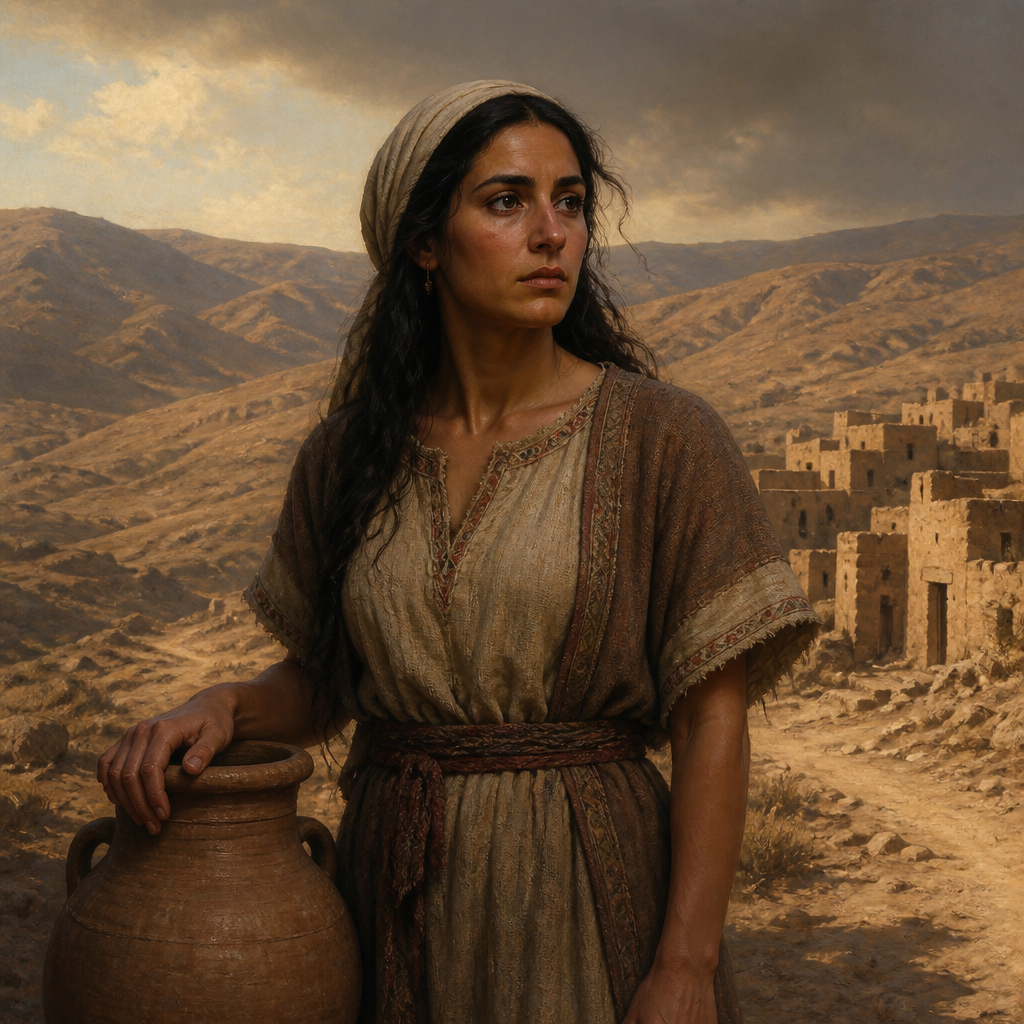 BaaraThis page
Connected Figures
Family
Husband · 1 Chronicles 8:8
A Benjaminite who settled in the land of Moab and became the progenitor of several prominent family lines after divorcing two of his wives.
Categories
Mentions by Book
- 1 Chronicles1
Scripture References
All 1 indexed verse, in canonical order, from the Berean Standard Bible.
1 Chronicles · 1
- 1 Chronicles 8:8
Shaharaim had sons in the country of Moab after he had divorced his wives Hushim and Baara.