Reaiah, Reubenite of the Divided Monarchy
Reaiah was a descendant of Reuben and the son of Micah, positioned within the genealogical record of the Northern Kingdom's tribes.
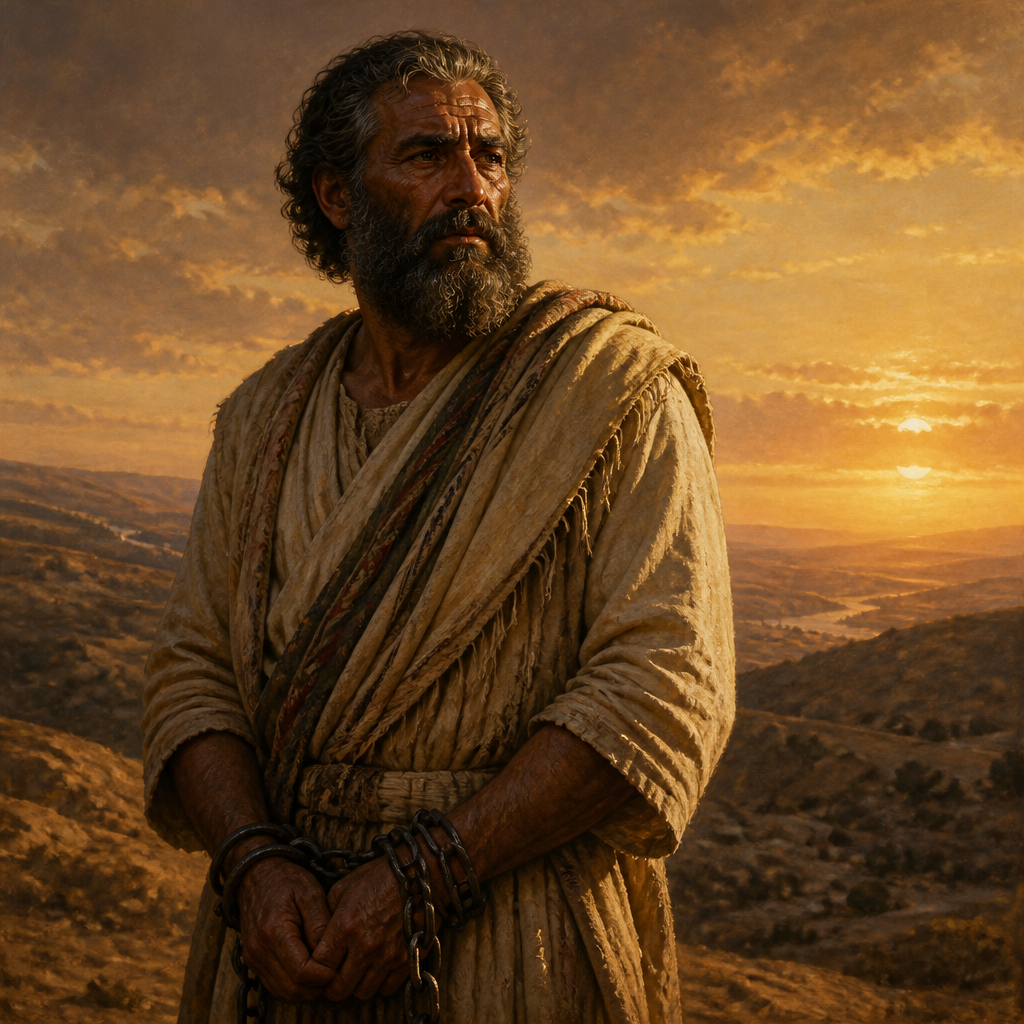
Reaiah was a member of the Tribe of Reuben during the period of the Divided Monarchy. He is identified in the biblical record as the son of Micah and the father of Baal. His lineage is preserved within the genealogical records of 1 Chronicles, which document the prominent families of the Transjordan tribes before their eventual captivity by the Assyrians.
As a Reubenite, Reaiah belonged to the firstborn tribe of Israel, which settled east of the Jordan River. While his personal deeds are not detailed in the text, his inclusion in the chronicler's list signifies his status as a link in the ancestral chain of the Reubenite leadership and heritage during a turbulent era of Israel's history.
Background and Family
Reaiah appears in the genealogical records of the Tribe of Reuben, one of the three tribes (along with Gad and the half-tribe of Manasseh) that settled in the Transjordan region. According to 1 Chronicles 5:5, Reaiah was the son of Micah. The text further identifies him as the father of Baal. This specific lineage is part of a broader descent leading toward Beerah, a prince of the Reubenites who was eventually carried away into exile by Tilgath-pilneser (Tiglath-Pileser III), the King of Assyria.
Major Life Events
The biblical text provides no specific biographical anecdotes regarding the life of Reaiah. His existence is verified strictly through his placement in the tribal registers. Living during the era of the Divided Monarchy, Reaiah would have been part of the Northern Kingdom's social structure. The records of this period serve to validate the identity and heritage of the Reubenite families who occupied the lands of Bashan and Gilead.
Relationship to Other Biblical Figures
Reaiah is defined primarily by his immediate kin. He is the biological successor to Micah and the predecessor to Baal. In the context of 1 Chronicles 5, his line is listed to establish the legal and historical claims of the Reubenites to their territory and their place within the covenant community of Israel.
Spiritual Significance
While Reaiah is a minor figure, his inclusion in the Holy Scriptures underscores the biblical emphasis on individual identity within the community of faith. In the Chronicles, genealogies like Reaiah's served a vital function for the post-exilic community, proving that even those lost to the Assyrian captivity—such as the Reubenites—remained part of the recorded memory of God's people. His name, which may be interpreted as "Yahweh has seen," reflects the ongoing presence of the Divine name within the tribal families of the north.
Spiritual Significance
Reaiah's significance lies in the preservation of the Reubenite lineage. During the Divided Monarchy, the tribes east of the Jordan were often the first to face foreign incursions; Reaiah represents the continuity of the patriarchal lines despite these pressures. His record ensures that the family history of the Tribe of Reuben was maintained for future generations of Israel.
Frequently Asked Questions
Who was Reaiah's father?
According to 1 Chronicles 5:5, Reaiah was the son of Micah.
Which tribe did Reaiah belong to?
Reaiah belonged to the Tribe of Reuben, the descendants of the firstborn son of Jacob.
Who was the son of Reaiah?
Reaiah was the father of Baal, as recorded in the genealogical list of 1 Chronicles.
In what book of the Bible is this Reaiah mentioned?
This specific Reaiah is mentioned only in the book of 1 Chronicles, specifically in chapter 5, verse 5.
Connected Figures
Categories
Mentions by Book
- 1 Chronicles1
Family & Relationships
Child
Baal, Reubenite of the Divided Monarchy
1 Chronicles 5:5
Parent
Micah, Reubenite of the Divided Monarchy
1 Chronicles 5:5
Others Named Reaiah
Reaiah, Head of a Family of NethinimEzra 2:47
Reaiah was the patriarch of a family of Nethinim (temple servants) who returned from the Babylonian Exile to Jerusalem with Zerubbabel.