Mahath, Overseer of the Temple
Mahath was a high-ranking official and overseer in the Jerusalem temple during the religious reforms of King Hezekiah in the late 8th century BC.
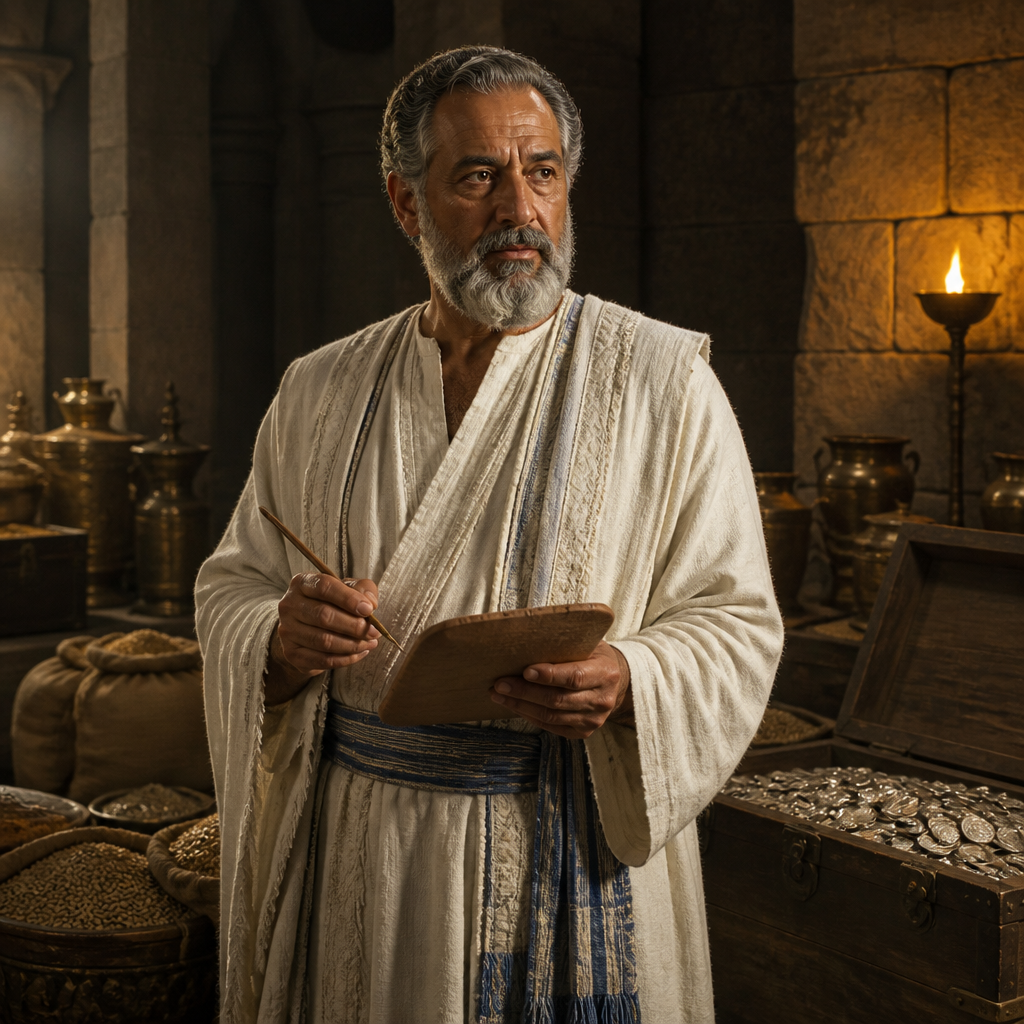
Mahath, an overseer of the Divided Monarchy, served during the pivotal reign of King Hezekiah. He is mentioned in the context of the massive administrative reorganization of the temple following the national return to Yahwism. His role was specifically tied to the management of the sacred contributions brought by the people of Judah after the restoration of the Passover and the destruction of idolatrous high places.
Working under the direct supervision of Conaniah and Shimei, Mahath was part of a select group of ten men appointed to ensure the integrity and distribution of the tithes and offerings. His position was not merely clerical but carried significant religious weight, as these supplies were essential for the maintenance of the Levites and priests who had returned to active service in the temple.
Background and Family
The biblical record for Mahath is remarkably precise yet limited to his professional function within the Judean bureaucracy. He lived during the late 8th century BC, a period characterized by the aggressive religious reforms of King Hezekiah. While the text of 2 Chronicles 31:13 does not explicitly name his father or his specific tribal lineage, his association with the management of temple offerings and his subordinate status to the Levites Conaniah and Shimei strongly suggests he was of the tribe of Levi. In the context of the Divided Monarchy, such roles were strictly reserved for those consecrated to the service of the Tabernacle and Temple.
Major Life Events
The single recorded event of Mahath’s life is his appointment as an overseer (Hebrew paqid) during the peak of Hezekiah’s reforms. After the king ordered the purification of the temple and the restoration of the sacrificial system, the people of Israel and Judah responded with overwhelming generosity. They brought in vast heaps of tithes, including grain, new wine, olive oil, and honey.
To manage this sudden influx of resources, King Hezekiah and Azariah, the chief official of the house of God, established a formal oversight committee. Mahath was named as one of the ten specific individuals chosen for this task. The scripture records:
"Jehiel, Azaziah, Nahath, Asahel, Jerimoth, Jozabad, Eliel, Ismachiah, Mahath, and Benaiah were overseers under the authority of Conaniah and his brother Shimei, by appointment of King Hezekiah and of Azariah the chief official of the house of God." (2 Chronicles 31:13)
This appointment placed Mahath at the heart of the national spiritual revival, ensuring that the material needs of the priesthood were met so they could focus entirely on the Law of the Lord.
Relationship to Other Biblical Figures
Mahath operated within a clear hierarchy. He was directly accountable to Conaniah and Shimei, the two brothers who held primary responsibility for the contributions. Above them stood Azariah, the high priest and chief official of the temple, and King Hezekiah himself. Mahath’s relationship with the other nine overseers listed alongside him indicates a collaborative effort in managing the storehouses (chambers) of the temple. These men were essentially the custodians of the national tithe.
Spiritual Significance
The presence of Mahath in the biblical narrative underscores the importance of administration as a spiritual discipline. While he is not credited with performing miracles or delivering prophecies, his faithful management of holy things facilitated the broader spiritual restoration of Judah. In the biblical worldview, the proper handling of the people's offerings was a matter of high sanctity. Mahath’s inclusion by name in the Chronicler’s record serves as a testament to the value of administrative integrity in the service of God.
Spiritual Significance
Mahath represents the essential administrative support required for large-scale spiritual reform. His role as an overseer ensured that the resources dedicated to God were handled with accountability and order, allowing the sacrificial system to function according to the Mosaic Law. In the context of 2 Chronicles, his inclusion highlights the organized nature of Hezekiah’s revival, suggesting that true worship requires both a willing heart from the people and faithful stewards to manage the results.
Frequently Asked Questions
What was Mahath's job in the temple?
Mahath was an overseer responsible for the management, storage, and oversight of the tithes, offerings, and consecrated gifts brought to the temple by the people.
Who was Mahath's supervisor?
He served under Conaniah and Shimei, who were the chief officers in charge of the temple storehouses.
When did Mahath live?
He lived during the Divided Monarchy, specifically during the reign of King Hezekiah of Judah (late 8th century BC).
Which book of the Bible mentions this Mahath?
This specific Mahath is mentioned only in 2 Chronicles 31:13.
Connected Figures
Categories
Mentions by Book
- 2 Chronicles1
Others Named Mahath
Mahath, Levite of the Divided Monarchy2 Chronicles 29:12
A Kohathite Levite who participated in the spiritual purification of the temple during the religious reforms of King Hezekiah.