Kish, Son of Abdi
Who was Kish, Son of Abdi, in the Bible?
A Merarite Levite during the reign of King Hezekiah who assisted in the sanctification of the Temple in Jerusalem.
This is one of 4 people named Kish in the Bible. See all 4 →
Kish, the son of Abdi, was a member of the Levite tribe during the era of the Divided Monarchy. He is specifically identified as a descendant of Merari, one of the three main branches of the Levitical priesthood. His presence is recorded during the pivotal religious reforms of King Hezekiah of Judah in the late 8th century BC.
Kish is mentioned within the context of the spiritual restoration of the Kingdom of Judah. Following the apostasy and neglect of the Temple under Hezekiah’s predecessor, Ahaz, Kish was among the select group of Levites who answered the king's call to purify the house of the LORD and re-establish proper worship in Jerusalem.
Background and Family
Kish was a member of the Merarite clan, one of the three divisions of the Levites (the others being the Kohathites and the Gershonites). According to the genealogical record in 2 Chronicles 29:12, he was the son of Abdi. As a Merarite, Kish belonged to a lineage traditionally responsible for the structural elements of the Tabernacle and, later, various service duties within the Temple complex. The biblical text identifies him as an contemporary of King Hezekiah, placing his activity around 715 BC.
Major Life Events
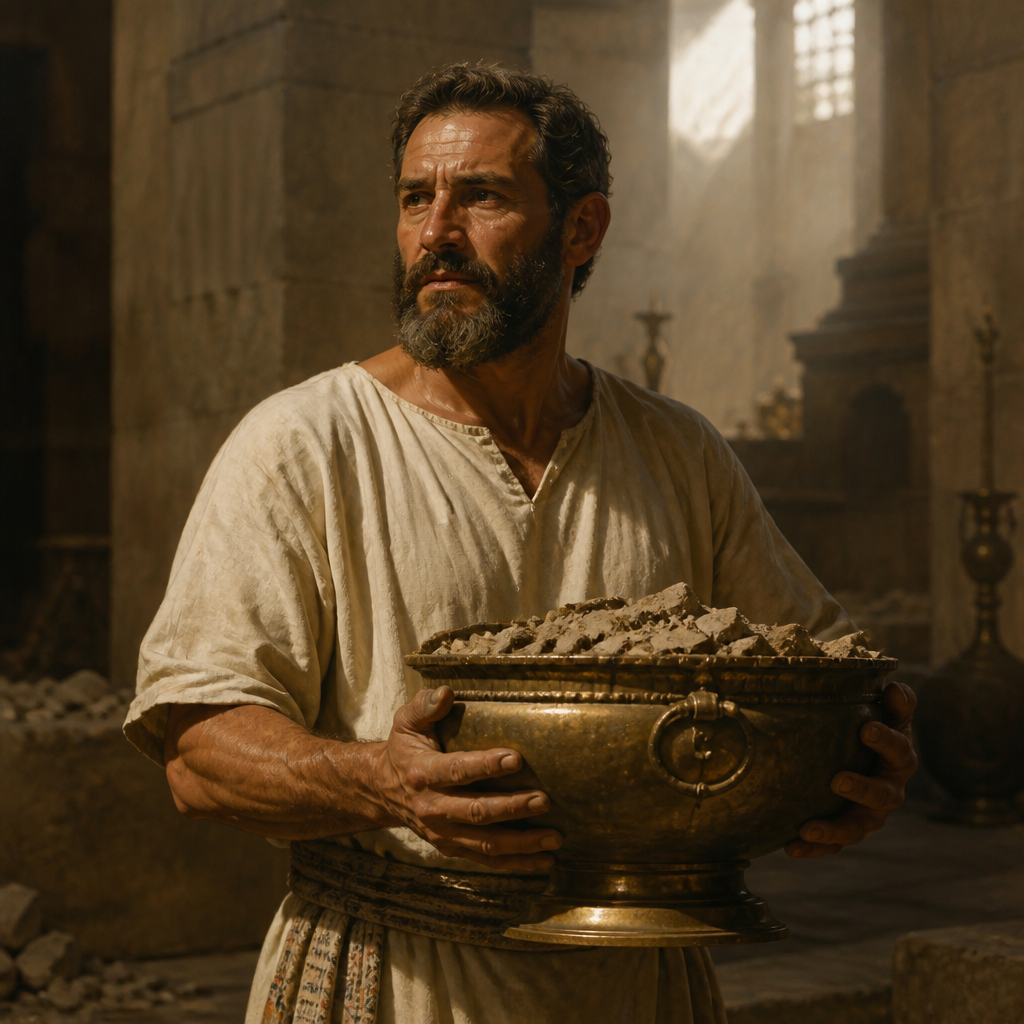
The sole recorded event in the life of Kish occurs in the first year of Hezekiah's reign. After the Temple had been closed and desecrated, Hezekiah gathered the priests and Levites, commanding them to consecrate themselves and cleanse the sanctuary. Kish was one of two Merarites—alongside Azariah son of Jehallelel—who "set to work" in response to the royal decree.
This process of sanctification involved removing the ceremonial uncleanness from the Temple and transporting it to the Kidron Valley. While the text does not detail Kish's specific physical movements, he is listed as a representative leader of his clan, indicating he likely supervised or personally participated in the sixteen-day purification process that culminated in the restoration of the Passover and the daily sacrifices.
Relationship to Other Biblical Figures
Kish is defined primarily by his vertical genealogy and his horizontal cooperation with his peers. He is listed alongside other prominent Levites of his generation, including Mahath and Joel of the Kohathites, and Joah and Eden of the Gershonites. His partnership with Azariah son of Jehallelel highlights the collaborative effort of the Merarite house during a time of national spiritual crisis. He is explicitly identified as the son of Abdi, distinguishing him from other men of the same name in different historical eras.
Spiritual Significance
Though his mention is brief, Kish represents the faithful remnant of the Levitical order that remained ready to serve despite years of institutional spiritual decay. His immediate response to Hezekiah’s call demonstrates a commitment to the Mosaic Law and the sanctity of the Temple. In the broader narrative of 2 Chronicles, Kish serves as an example of the necessary ecclesiastical support required for a political leader to enact lasting religious reform. His work was foundational to the subsequent celebration of the great Passover, which reunited elements of both Judah and the remnants of the northern tribes of Israel.
Kish, son of Abdi, serves as a historical marker of the Merarite contribution to the Hezekian reforms. His inclusion in the list of Levites who 'set to work' underscores the biblical theme that spiritual restoration requires the active participation of dedicated individuals across all divisions of the priesthood. He represents the continuity of the Levitical service during one of Judah's most significant periods of revival.
Theologically, Kish embodies the principle of readiness. When the opportunity for national repentance arose, he was positioned and willing to undertake the laborious task of purification. His role reminds readers that even those with brief mentions in the biblical record are essential to the fulfillment of God’s redemptive work in history.
Frequently Asked Questions
Which clan of the Levites did Kish belong to?
Kish was a member of the Merarite clan, one of the three primary divisions of the tribe of Levi.
When did Kish live?
Kish lived during the Divided Monarchy, specifically during the reign of King Hezekiah of Judah in the late 8th century BC (c. 715 BC).
What was Kish's role in the Temple?
He was one of the Levites who responded to King Hezekiah's command to sanctify and cleanse the Temple of the LORD after it had been neglected and defiled.
Who was the father of this Kish?
The Bible identifies his father as Abdi.
How many times is this Kish mentioned in the Bible?
This specific Kish is mentioned once, in 2 Chronicles 29:12.
Family & Relationships
Parents
 Abdi, Father of Kish the LeviteFather2 Chronicles 29:12Stated
 Kish, Son of AbdiThis page
Connected Figures
Family
Father · 2 Chronicles 29:12
A Levite of the clan of Merari during the Divided Monarchy whose son, Kish, assisted in King Hezekiah’s purification of the Temple.
Categories
Mentions by Book
- 2 Chronicles1
Scripture References
All 1 indexed verse, in canonical order, from the Berean Standard Bible.
2 Chronicles · 1
- 2 Chronicles 29:12
Then the Levites set to work: Mahath son of Amasai and Joel son of Azariah from the Kohathites; Kish son of Abdi and Azariah son of Jehallelel from the Merarites; Joah son of Zimmah and Eden son of Joah from the Gershonites;
Others Named Kish
Compare all 4 bearers →Kish, Son of Mahli1 Chronicles 23:21
A Levite of the Merarite clan during the era of Egypt and the Wilderness whose sons preserved the lineage of his brother Eleazar.
Kish, Father of King Saul1 Samuel 9:1
A wealthy and influential Benjamite landowner best known as the father of Saul, the first king of Israel.
Kish, Great-grandfather of MordecaiEsther 2:5
A Benjamite man whose lineage in the Persian diaspora led to the prominent Jewish official Mordecai.