Bilgah, Priest of the Divided Monarchy
Bilgah was a Levite and priest who served as the head of the fifteenth priestly division in the liturgical system established by King David.
Bilgah was a descendant of Aaron and a ranking priest within the Levite order during the era of the Divided Monarchy. His name appears within the historical records of the Temple organization, specifically regarding the rotation of service. As a member of the priestly class, Bilgah held a position of significant religious responsibility, overseeing the specific duties assigned to his house during their allotted time at the sanctuary.
In the organizational structure attributed to the reign of David, the priests were divided into twenty-four courses or lots. This system ensured that the heavy demands of the sacrificial system and Temple maintenance were distributed fairly and consistently among the descendants of Eleazar and Ithamar. Bilgah is identified as the head of the fifteenth lot, marking his lineage and his household as central to the administrative history of Israel's worship.
Background and Family
Bilgah was a priest of the tribe of Levi, specifically descending from the line of Aaron. During the late United Monarchy and the subsequent transition into the Divided Monarchy, the biblical record in 1 Chronicles 24 details how the priestly families were organized to manage the growing complexities of the Tabernacle and the planned Temple. The priesthood had grown so numerous that a system of rotation was required to ensure order. Bilgah represents one of these foundational houses. Though the biblical text does not provide his father's name or a list of his children, his inclusion in the twenty-four courses indicates he was a recognized leader of a major paternal house among the sons of Aaron.
Major Life Events
The defining event of Bilgah’s career, as preserved in the biblical record, is his assignment to the fifteenth course of the priestly rotation. According to 1 Chronicles 24, King David, assisted by Zadok and Ahimelek, divided the descendants of Aaron by their duties and by lot. This process was intended to prevent partiality and to maintain a divine order in the sanctuary service. When the lots were cast in the presence of the king and the leaders of the Levites, the fifteenth lot fell to Bilgah. This meant that twice a year, for one week at a time, Bilgah and his entire household were responsible for the daily sacrifices, the burning of incense, and the overall maintenance of the holy place.
Relationship to Other Biblical Figures
Bilgah is mentioned in direct relation to his colleagues in the priestly order. He follows the fourteenth lot, which fell to Jeshebeab, and precedes the sixteenth lot, which was assigned to Immer. His work was part of a collective effort involving high-ranking figures such as Zadok (representing the line of Eleazar) and Ahimelek (representing the line of Ithamar). While he is not depicted in personal dialogue with these figures, his status as the head of a course places him in the upper echelons of the religious hierarchy of the time.
Spiritual Significance
The record of Bilgah’s name serves as a testament to the biblical emphasis on order and divine selection. In the liturgical life of Israel, the "fifteenth course" was not merely a bureaucratic designation but a holy calling. Bilgah represents the hundreds of named and unnamed priests who maintained the spiritual bridge between God and the people through the sacrificial system. His inclusion in the eternal record of the Chronicles highlights the value placed on administrative faithfulness and the preservation of the Aaronic lineage during the era of the monarchy.
Spiritual Significance
Bilgah’s primary significance lies in the formalization of Israelite worship. By being recorded as the head of the fifteenth course, he represents the transition from the portable Tabernacle service to the fixed, organized Temple service. His presence in the biblical text validates the historical continuity of the priesthood and the meticulous nature of the Levite records during the Divided Monarchy.
Theologically, Bilgah reminds the reader that every aspect of the sanctuary service was under divine guidance, determined by the casting of lots to signify God's choice. His role underscores the requirement for holiness and order among those who were called to approach the presence of the Lord on behalf of the nation.
Frequently Asked Questions
Who was Bilgah in the Bible?
What tribe did Bilgah belong to?
In which book of the Bible is this Bilgah mentioned?
What was the significance of the fifteenth lot?
Did Bilgah serve in the Temple of Solomon?
Connected Figures
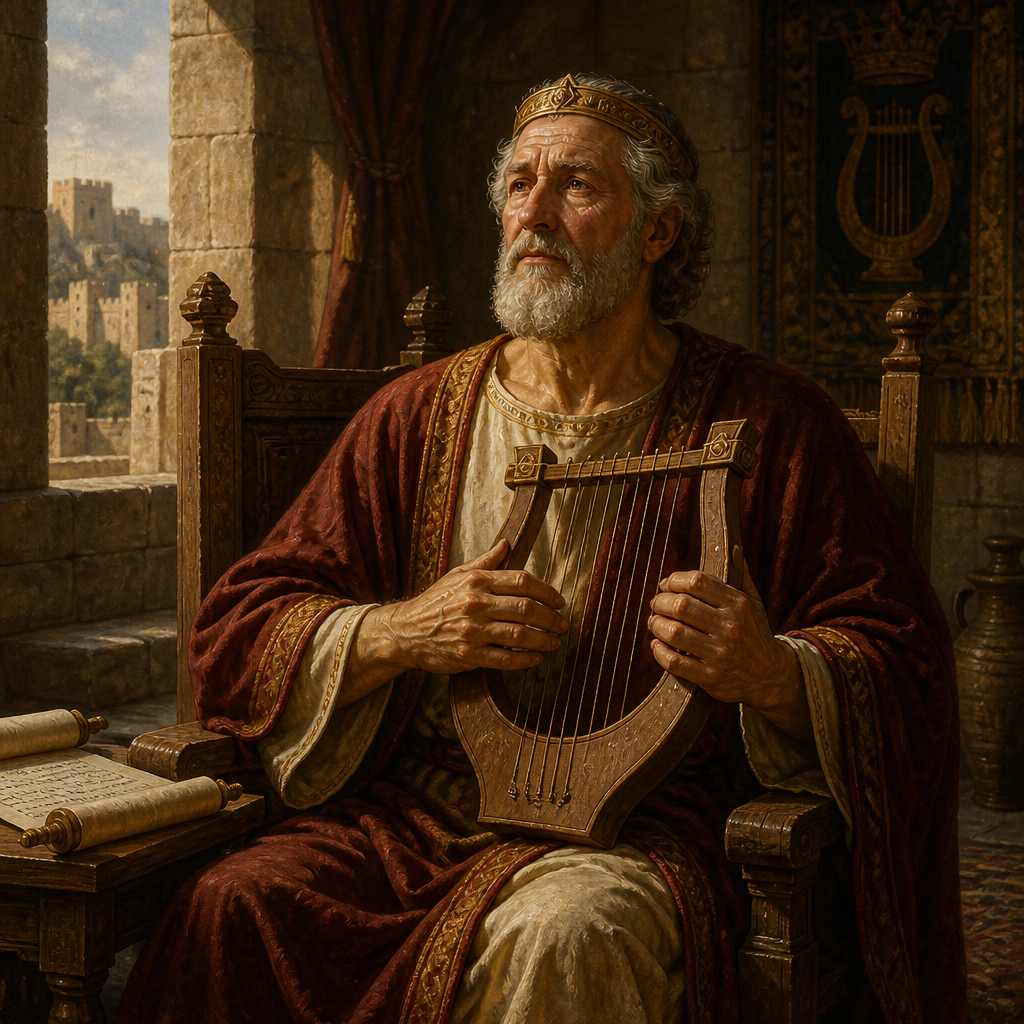
David
King who organized the priestly lots
Zadok
High Priest who assisted in the division
Immer
Head of the sixteenth priestly lot
Categories
Mentions by Book
- 1 Chronicles1
Others Named Bilgah
Bilgah, Priest of the Post-Exilic PeriodNehemiah 12:5
Bilgah was a prominent priest who returned from the Babylonian Exile with Zerubbabel and later participated in the covenant renewal under Nehemiah.