Ahi, Son of Shemer
Ahi was a descendant of Asher and a member of the Tribe of Asher during the Divided Monarchy, recorded in the genealogical registers of the Chronicler.
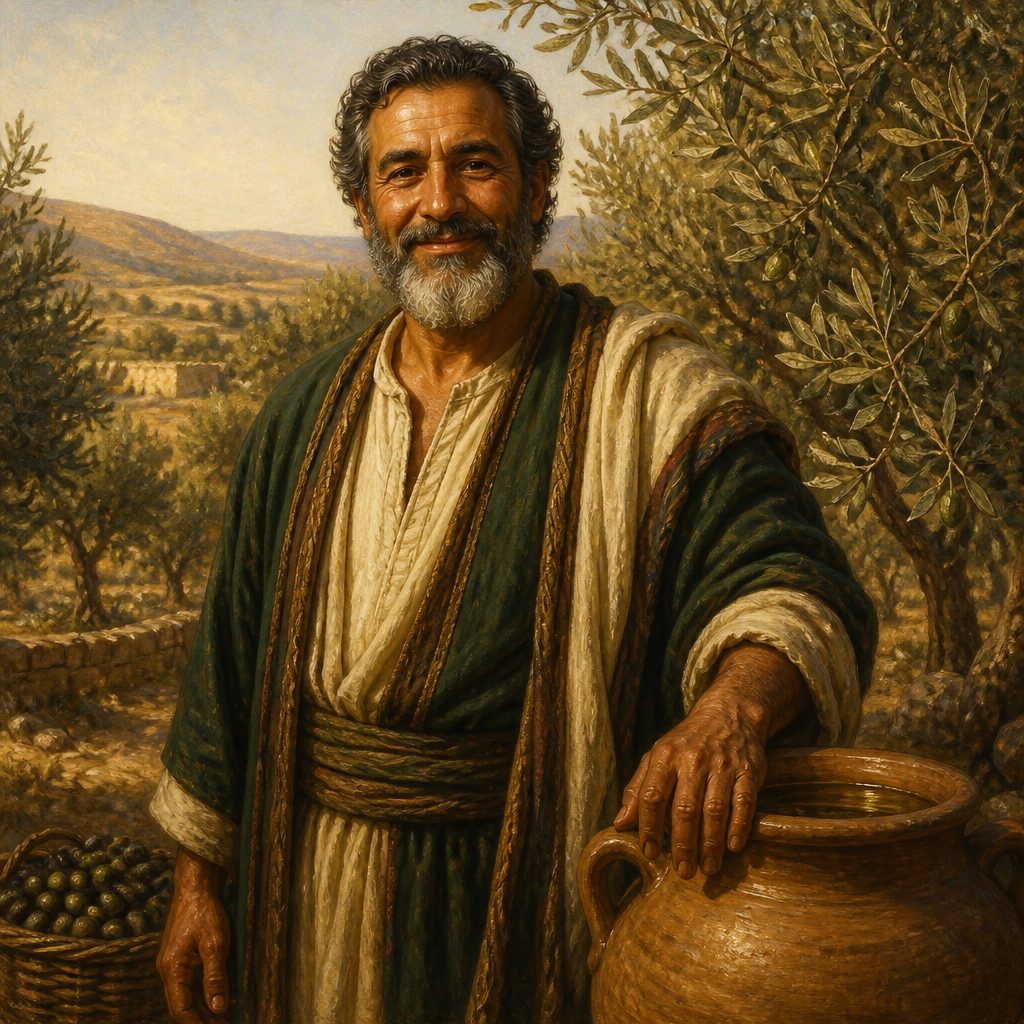
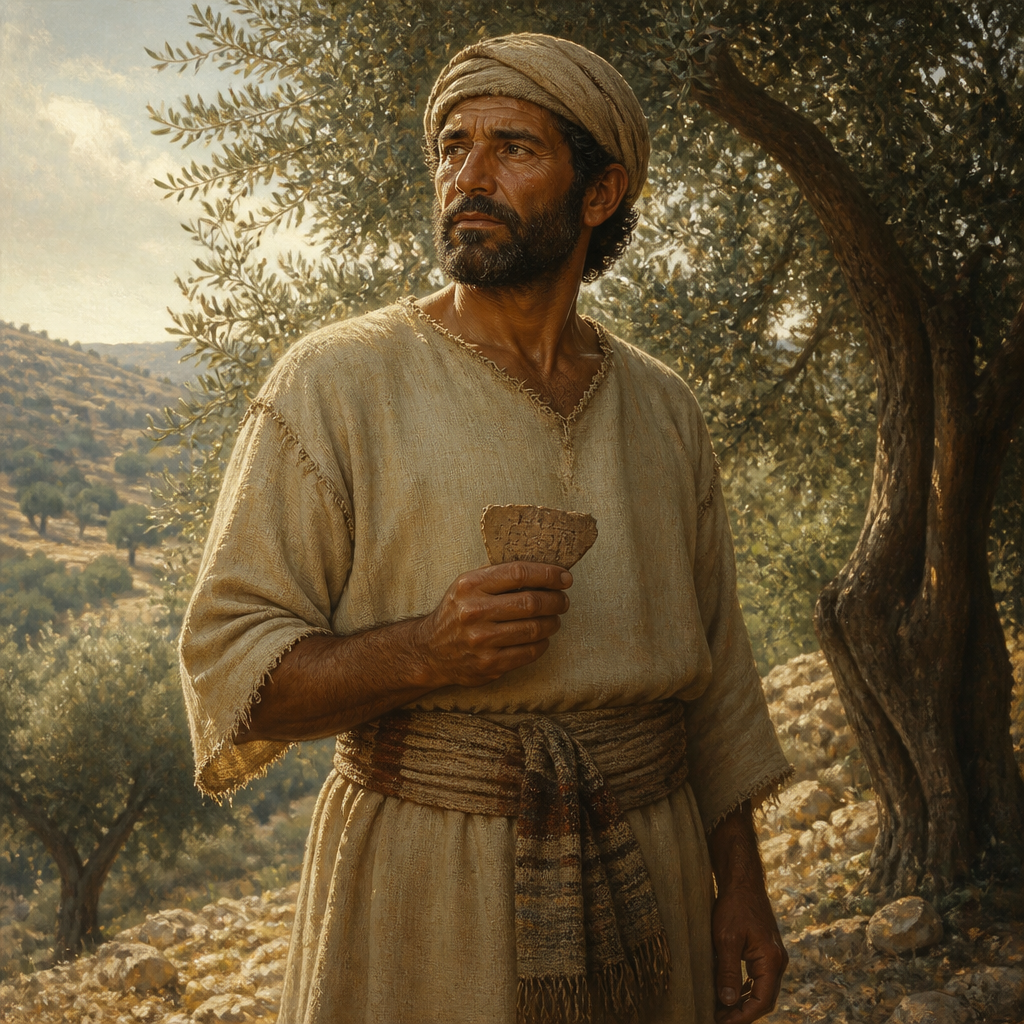
Ahi was a member of the Tribe of Asher, specifically listed within the genealogical records of 1 Chronicles. He was one of the sons of Shemer (also referred to as Shomer), placing him in the lineage of the northern tribes of Israel. The inclusion of Ahi in the biblical text serves to preserve the ancestral heritage of the Asherites, who occupied the fertile coastal regions of northern Canaan.
His mention occurs within a broader survey of the tribes of Israel, a section of Scripture intended to re-establish the identity of the covenant people following the Babylonian exile. As a son of Shemer, Ahi is situated within a specific clan structure that highlights the continuity of the Israelite families during the period of the Divided Monarchy.
Background and Family
Ahi was a member of the Tribe of Asher, the eighth son of Jacob. According to the genealogical record in 1 Chronicles 7:34, Ahi was a son of Shemer (identified elsewhere as Shomer). The Tribe of Asher is traditionally associated with the northern territory along the Mediterranean coast, known for its agricultural wealth and oil production, as prophesied by both Jacob (Genesis 49:20) and Moses (Deuteronomy 33:24).
Ahi was part of a family group that included three prominent brothers: Rohgah, Hubbah (or Jehubbah), and Aram. These siblings are listed together as the immediate descendants of Shemer, who was himself a grandson of Beriah and a great-grandson of Asher. This lineage places Ahi firmly within the tribal aristocracy of the Divided Monarchy period, a time when tribal identities remained vital for land inheritance and military organization.
Major Life Events
The biblical record provides no narrative account of Ahi’s specific actions, military exploits, or personal achievements. His presence in the biblical text is restricted to a single verse within the genealogical summaries of the book of Chronicles.
The sons of Shemer: Ahi, Rohgah, Hubbah, and Aram. (1 Chronicles 7:34)
Despite the brevity of this mention, Ahi’s inclusion in the record indicates his status as a head of a family or a notable figure within the Asherite social structure. During the Divided Monarchy, such genealogies were essential for maintaining the administrative and religious order of the nation, ensuring that each family could trace its legal right to ancestral lands.
Relationship to Other Biblical Figures
Ahi is defined primarily by his immediate kin. He is the son of Shemer and the grandson of Heber (through the line of Beriah). His siblings—Rohgah, Hubbah, and Aram—represent the immediate branches of his specific clan. As a descendant of Asher, he is related to the broader family of Israel, though his specific branch was located in the far north of the kingdom. The names of his brothers suggest a close-knit family unit that was recognized by the Chronicler as essential to the survival of the Asherite heritage.
Spiritual Significance
While Ahi is not credited with prophetic words or heroic deeds, his presence in the Bible reflects the theological theme of divine remembrance. The Chronicler emphasizes that every member of the covenant community, even those whose lives are not detailed in narrative prose, is known to God and occupies a place in the history of salvation. Ahi represents the thousands of faithful Israelites who lived during the Divided Monarchy, maintaining their tribal identity and contributing to the continuity of the nation of Israel through generations of political and spiritual upheaval.
Spiritual Significance
Ahi’s significance lies in the preservation of the Tribe of Asher’s lineage. His name in the genealogical record of 1 Chronicles ensures that the specific family of Shemer is documented for posterity, illustrating the importance of family heritage in the post-exilic restoration of Israel's identity. He serves as a representative of the northern tribes whose individual stories were largely lost during the Assyrian deportations but whose names were preserved by the grace of God.
Frequently Asked Questions
Which tribe did Ahi belong to?
Ahi belonged to the Tribe of Asher, one of the twelve tribes of Israel.
Who was Ahi's father?
Ahi was the son of Shemer (also spelled Shomer).
In which book of the Bible is Ahi mentioned?
Ahi is mentioned in the Book of 1 Chronicles, specifically in chapter 7, verse 34.
Who were Ahi's brothers?
Ahi's brothers were Rohgah, Hubbah (Jehubbah), and Aram.
Connected Figures
Categories
Mentions by Book
- 1 Chronicles1
Family & Relationships
Sibling
1 Chronicles 7:34
Sibling
1 Chronicles 7:34
Sibling
1 Chronicles 7:34
Parent
1 Chronicles 7:32
Sibling
1 Chronicles 7:34
Sibling
1 Chronicles 7:34
Sibling
1 Chronicles 7:34
Others Named Ahi
Ahi, Head of a Gadite Family1 Chronicles 5:15
Ahi was a tribal leader of the Gadites during the period of the Divided Monarchy, noted in the genealogies of 1 Chronicles.