Simon the Tanner of Joppa
A resident of Joppa and a tanner by trade who hosted the Apostle Peter during the early expansion of the Christian church.
Simon the Tanner was a resident of the coastal city of Joppa during the early decades of the Christian movement in the 1st century AD. While he is a minor figure in terms of the number of verses dedicated to him, his presence in the book of Acts serves as a crucial geographical and social anchor for one of the most significant turning points in the New Testament: the extension of the gospel to the Gentiles.
Simon is identified specifically by his profession as a tanner, a detail that holds significant weight within the cultural and religious context of the time. His willingness to open his home to the Apostle Peter, and Peter’s willingness to stay there, highlights a shifting paradigm within the early church regarding traditional Jewish purity laws and the emerging Christian identity.
Background and Family
The biblical record provides no information regarding the genealogy, tribe, or family of Simon the Tanner. He is introduced simply as a resident of Joppa, an ancient port city on the Mediterranean coast. His primary identifier is his occupation: tanning. In the ancient world, tanning involved the processing of animal hides to create leather. This profession was often viewed with social and religious disdain by strict adherents to Jewish law because it involved constant contact with dead animals, which rendered a person ceremonially unclean (Leviticus 11:39-40).
Major Life Events
Simon’s role in the biblical narrative is centered on his hospitality toward the Apostle Peter. Following the resurrection of Tabitha (Dorcas) in Joppa, Peter remained in the city for several days, choosing to stay at Simon’s house (Acts 9:43). The text specifies that Simon’s house was located "by the sea" (Acts 10:6), a practical necessity for a tanner who required large amounts of water for the soaking and cleaning of hides, as well as a location that allowed the unpleasant odors of the trade to be carried away by offshore breezes.
While Peter was residing at Simon’s home, he experienced a pivotal vision on the rooftop—a sheet descending from heaven containing all kinds of animals, including those deemed unclean. This vision, which occurred while Peter was a guest in the home of a man whose profession dealt with ritual uncleanness, served to prepare the Apostle for the arrival of messengers from Cornelius, a Roman centurion. Simon’s house thus became the staging ground for the first major outreach to the Gentiles, as Peter left from there to travel to Caesarea (Acts 10:17-23).
Relationship to Other Biblical Figures
Simon the Tanner’s primary recorded relationship is his role as a host to Simon Peter. The text in Acts 10:32 notes that when the centurion Cornelius was instructed by an angel to seek out Peter, the specific instructions included the location: "He is a guest in the home of Simon the tanner, by the sea." This indicates that Simon the Tanner was well-known enough in his community for his house to be easily located by foreign messengers. Beyond Peter and the messengers from Cornelius, no other personal associations for Simon are mentioned in the dataset.
Spiritual Significance
The spiritual significance of Simon the Tanner lies largely in the subtle subversion of social barriers. By hosting the leader of the early church, Simon demonstrates the inclusivity of the burgeoning Christian community. For Peter, staying with a tanner—a man whose trade made him perpetually suspect under levitical purity codes—prepared his heart for the greater revelation that "God does not show favoritism" (Acts 10:34). Simon’s home provided the quiet, seaside environment where the barriers between Jew and Gentile, and clean and unclean, began to dissolve.
Spiritual Significance
Simon the Tanner represents the practical hospitality that sustained the early church. His house provided the physical setting for the Apostle Peter's vision of the clean and unclean animals, a moment that redefined the mission of the Church. By choosing to stay with a tanner, Peter signaled a departure from strict Pharisaic interpretations of purity, foreshadowing the inclusion of all nations in the body of Christ. Simon himself stands as a testament to the early believers who supported the apostles' work through their resources and homes, even if they did not preach or perform miracles themselves.
Frequently Asked Questions
What was a tanner in the Bible?
A tanner was a person who converted animal skins into leather. Because the process involved touching dead animals and using foul-smelling chemicals, the trade was often considered socially lowly and ritually unclean.
Where did Simon the Tanner live?
He lived in Joppa (modern-day Jaffa), a coastal city in Israel. His house was specifically noted as being located 'by the sea.'
Which apostle stayed with Simon the Tanner?
The Apostle Peter stayed with Simon the Tanner for several days after performing a miracle in Joppa.
Why is the location of Simon's house significant?
The location by the sea was necessary for the tanning trade's water needs and helped manage the smell. Theologically, it was on the rooftop of this house that Peter received the vision that led to the gospel being preached to Gentiles.
Connected Figures
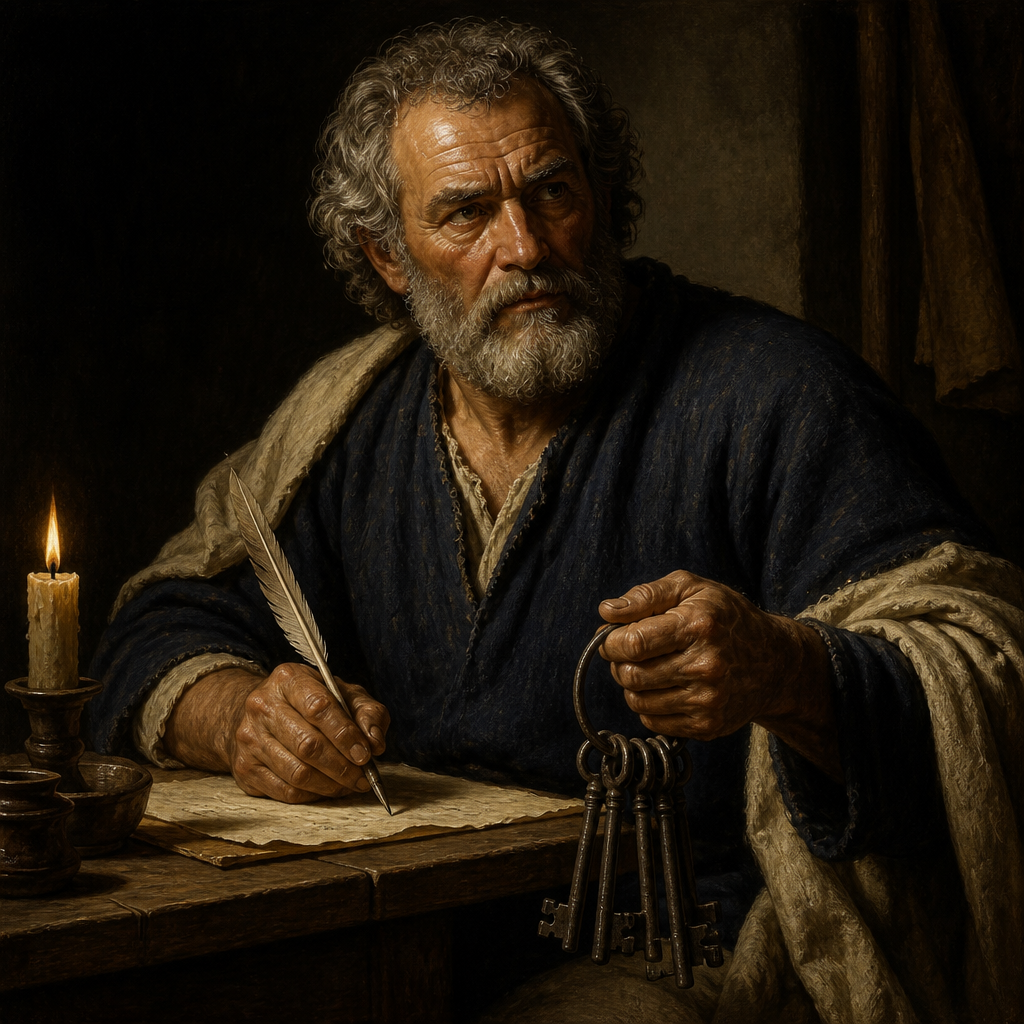
Peter
Guest and Apostle
Philip
Associated through the ministry in Samaria and the early church
Categories
Mentions by Book
- Acts5
Others Named Simon the Tanner of Joppa
Simon, Father of Judas IscariotJohn 6:71
Simon, also known as Simon Iscariot, was the father of Judas Iscariot, the disciple who ultimately betrayed Jesus Christ.
Simon the Sorcerer of SamariaActs 8:9
A practitioner of magic in Samaria who converted to Christianity and attempted to purchase the power of the Holy Spirit from the apostles.
Simon the LeperMatthew 26:6
A resident of Bethany and host to Jesus, Simon the Leper is famous for the dinner where a woman anointed Jesus with expensive perfume shortly before the Passion.