Gaius, Traveling Companion of Paul from Macedonia
A Macedonian Christian and traveling companion of the Apostle Paul who was seized by a mob during the Ephesian riot.
Gaius was a first-century Christian from the region of Macedonia who served as a traveling companion to the Apostle Paul during his third missionary journey. He is specifically identified in the biblical record during the volatile events in Ephesus, where he was caught up in the civil unrest triggered by the local silversmiths.
Though his personal background is not detailed in the scriptures, his presence alongside Paul in one of the most dangerous moments of the early mission highlights his commitment to the gospel. He is one of the few individuals named as being physically seized by the Ephesian crowd during the riot at the Great Theater.
Background and Family
The biblical record provides very little information regarding the lineage or family of this specific Gaius. The text of Acts 19:29 identifies his origin as Macedonia, a Roman province in the northern part of modern-day Greece. As a "traveling companion" of Paul, it is likely he was a convert from Paul’s earlier work in Macedonian cities such as Philippi, Thessalonica, or Berea. His name, Gaius, was a very common Roman praenomen, suggesting he may have been a Roman citizen or lived within a Romanized cultural context.
Major Life Events
The primary event involving Gaius occurs during Paul’s three-year ministry in Ephesus. The success of the Christian mission began to impact the local economy, specifically the trade of Demetrius and other silversmiths who manufactured silver shrines of the goddess Artemis. Fearing a loss of income and the subversion of their religious traditions, the craftsmen incited a city-wide riot.
As the city fell into disarray, the mob sought out Paul. Failing to find him immediately, they seized his companions. The scripture records:
Soon the whole city was in disarray. They rushed together into the theatre, dragging with them Gaius and Aristarchus, Paul’s traveling companions from Macedonia. (Acts 19:29, BSB)
Gaius was forcibly taken into the massive Great Theater of Ephesus, which could hold approximately 25,000 people. The environment was one of extreme danger and confusion, with the crowd shouting for two hours in support of Artemis. While the text does not record Gaius speaking or being harmed, his survival is implied by the eventual dispersal of the crowd by the city clerk.
Relationship to Other Biblical Figures
Gaius is directly linked to the Apostle Paul as a trusted associate (synekdemous or "fellow-traveler"). He is also closely associated with Aristarchus, another Macedonian from Thessalonica who was seized alongside him. These men represented the fruits of Paul’s labor in Macedonia and served as support staff and witnesses to the ministry in Asia Minor.
Spiritual Significance
Gaius serves as a historical example of the risks faced by the rank-and-file members of the early church. While he did not possess the apostolic authority of Paul, he shared in the physical peril of the mission. His willingness to be identified with Paul in a hostile pagan environment like Ephesus demonstrates the courage required of early believers. His mention in the text serves to authenticate the historical narrative of the Ephesian riot, providing specific names of those who witnessed the intersection of the Gospel and Roman-Ephesian civic life.
Spiritual Significance
Gaius represents the collaborative nature of the early Christian mission, showing that the Apostle Paul did not labor alone but was supported by dedicated companions from the mission fields. His presence in the Ephesian theater highlights the physical dangers and social pressures faced by the first-century church as it collided with pagan economic and religious systems.
Though his role in the text is brief, he is memorialized as one who suffered for the sake of the Gospel during a period of intense persecution. His experience validates the volatility of the Ephesian ministry and provides a concrete human face to the legal and social struggles of the early Church.
Frequently Asked Questions
Where was Gaius from?
Gaius was from Macedonia, a Roman province in northern Greece.
What happened to Gaius in Ephesus?
He was seized by a rioting mob and dragged into the Great Theater of Ephesus because he was a traveling companion of the Apostle Paul.
Who was seized along with Gaius?
Aristarchus, another Macedonian traveling companion of Paul, was seized with him.
Did Gaius die in the Ephesian riot?
The Bible does not record his death; the riot was eventually quelled by the city clerk, and the companions were likely released.
Why did the mob target Gaius?
The mob was incited by silversmiths who were losing business because people were converting to Christianity; they targeted Gaius because he was closely associated with Paul.
Connected Figures
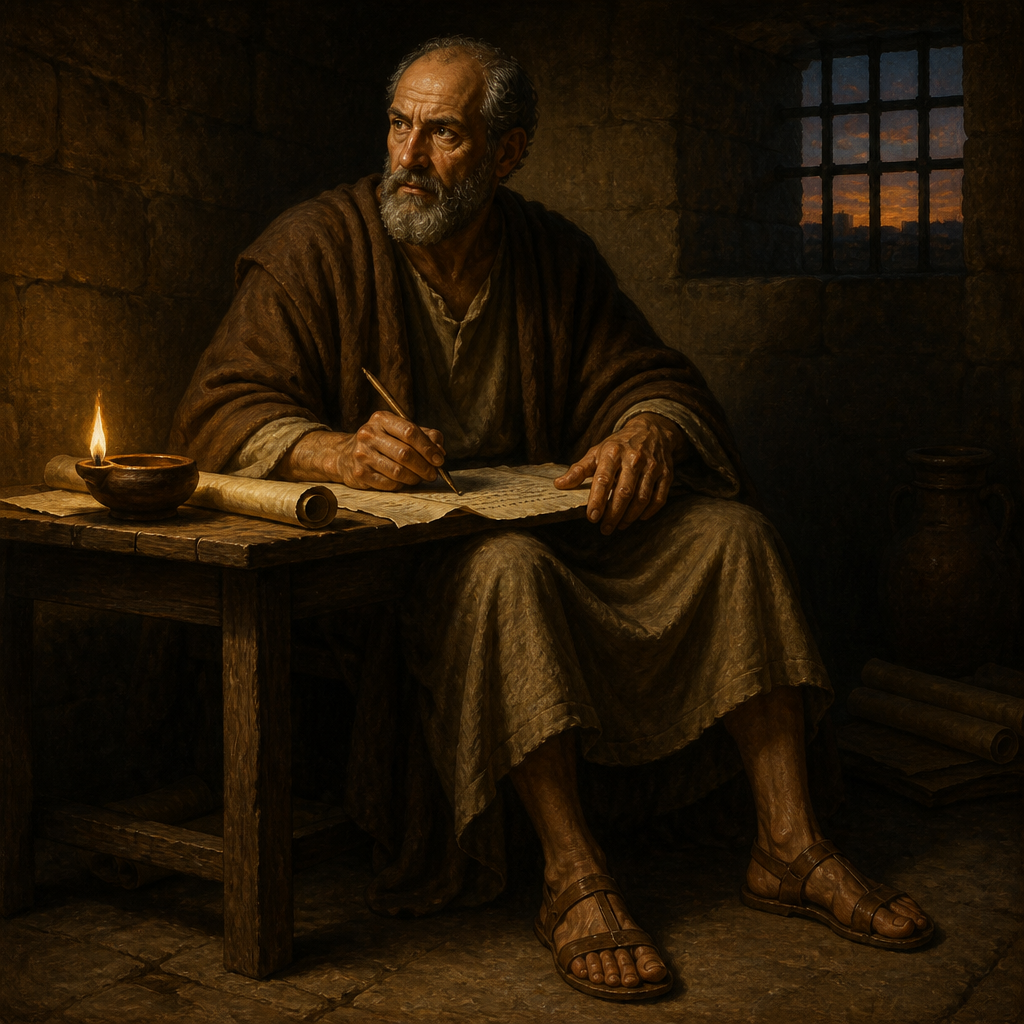
Paul the Apostle
Missionary Leader
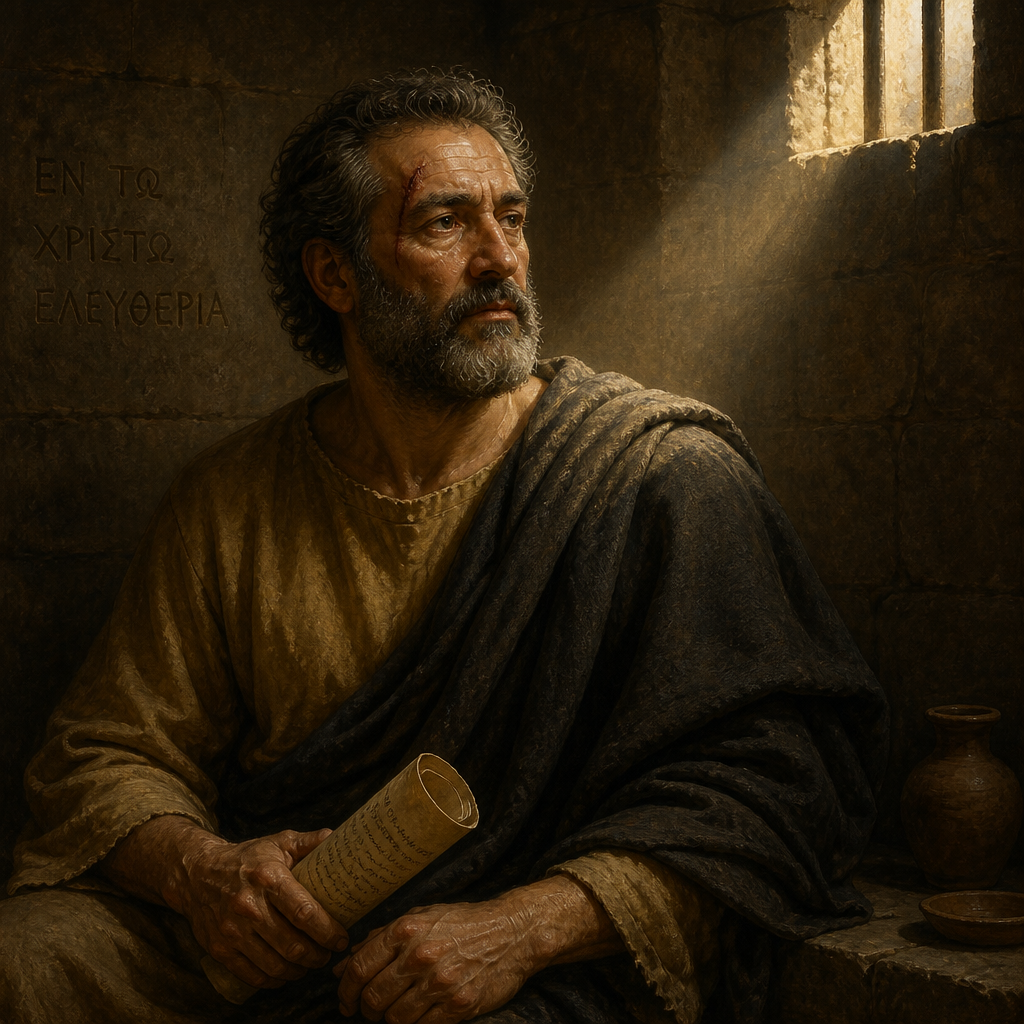
Aristarchus
Fellow Traveling Companion
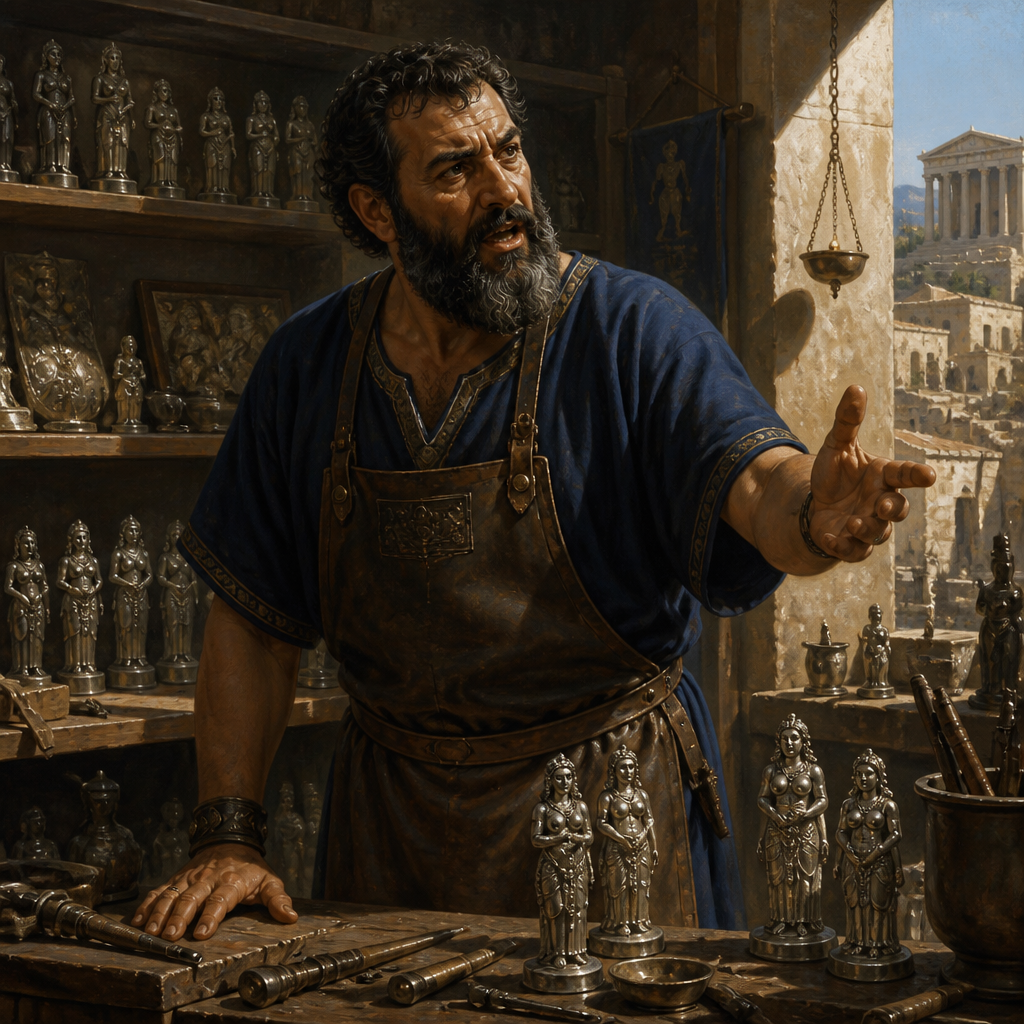
Demetrius the Silversmith
Antagonist / Riot Inciter
Categories
Mentions by Book
- Acts1
Others Named Gaius
Gaius, Host of the Corinthian ChurchRomans 16:23
A prominent Christian in Corinth known for his hospitality to the Apostle Paul and for being one of the few individuals personally baptized by him.
Gaius of DerbeActs 20:4
A 1st-century Christian from Derbe who served as a traveling companion to the Apostle Paul during his third missionary journey.