Gaius of Derbe
A 1st-century Christian from Derbe who served as a traveling companion to the Apostle Paul during his third missionary journey.
Gaius of Derbe was a member of the early Christian church in Lycaonia who accompanied the Apostle Paul during the final stages of his third missionary journey. He is specifically identified by his hometown, Derbe, a city in the Roman province of Galatia. His presence in Paul’s travel party marks him as a trusted associate during a critical phase of the early church's expansion into Jerusalem.
Historically, Gaius represents the fruits of the gospel in the region of Galatia, where Paul had previously labored during his first and second journeys. As a representative of the Derbe congregation, his participation in Paul’s mission likely involved the transport of the collection for the impoverished saints in Jerusalem, a primary objective of this specific journey.
Background and Family
The biblical record provides no specific details regarding the family lineage, tribe, or household of Gaius of Derbe. His identification is purely geographical, distinguishing him by his origin in Derbe (Acts 20:4). Derbe was a city located in the district of Lycaonia within the Roman province of Galatia. It was a site of significant success for the Apostle Paul; during his first missionary journey, Paul and Barnabas fled to Derbe after being persecuted in Lystra, where they "won a large number of disciples" (Acts 14:21). Gaius was likely one of these converts or a product of the ministry of the elders established there.
Major Life Events
The single recorded event in the life of Gaius of Derbe occurs during the conclusion of Paul’s third missionary journey (c. 57 AD). As Paul prepared to leave Greece (Macedonia and Achaia) to head toward Jerusalem, a plot by certain factions necessitated a change in travel plans. Instead of sailing directly to Syria, Paul traveled back through Macedonia.
Paul was accompanied by Sopater son of Pyrrhus from Berea, Aristarchus and Secundus from Thessalonica, Gaius from Derbe, Timothy, and Tychicus and Trophimus from the province of Asia. (Acts 20:4)
Gaius is listed among a diverse group of representatives from various mission fields—Berea, Thessalonica, Derbe, and Asia Minor. This group met Paul and Luke (the narrator) and preceded them to Troas, where they waited for the Apostle. This journey was significant not only for its destination but for its purpose: Paul was bringing a financial gift from the Gentile churches to the Jewish Christians in Jerusalem to demonstrate the unity of the body of Christ.
Relationship to Other Biblical Figures
Gaius of Derbe is closely linked to the Apostle Paul as a traveling companion and coworker. In the list provided in Acts 20:4, he is specifically paired with Timothy, who was also from the Lycaonian region (Lystra). This suggests a regional connection between the two men as representatives of the Galatian churches. He also worked alongside Sopater, Aristarchus, Secundus, Tychicus, and Trophimus, forming a multi-ethnic team that embodied the international scope of the early Christian movement.
Spiritual Significance
While the biblical record of Gaius of Derbe is brief, his inclusion in the text serves a specific historical and theological purpose. He stands as a living testament to the efficacy of the Great Commission in the "ends of the earth." Derbe was a frontier city of the Roman Empire, and Gaius’s willingness to travel across the Mediterranean with Paul demonstrates a high level of commitment to the gospel and the apostolic ministry.
Furthermore, Gaius represents the administrative and communal health of the early church. By traveling with the collection for Jerusalem, he acted as a steward and a witness, ensuring that the funds were handled with integrity and that the bond between Gentile and Jewish believers was physically represented by his presence.
Spiritual Significance
Gaius of Derbe is significant as a representative of the Galatian churches during the third missionary journey of the Apostle Paul. His presence in the narrative of Acts 20 underscores the collaborative nature of early Christian missions and the importance of accountability in the handling of church resources. He serves as an example of a 'lay' believer who dedicated his time and safety to support the broader work of the ministry.
Theologically, Gaius embodies the unity of the early church. As a man from Derbe traveling to Jerusalem, he bridged the geographic and cultural gaps that the early apostles sought to close. His mention by Luke provides historical authenticity to the account of Paul’s travels, placing a specific name and origin to the men who risked their lives for the sake of the gospel.
Frequently Asked Questions
Where was Gaius of Derbe from?
Gaius was from Derbe, a city located in the Lycaonian region of the Roman province of Galatia, in modern-day Turkey.
In which book of the Bible is Gaius of Derbe mentioned?
He is mentioned exclusively in the Book of Acts, specifically in Acts 20:4.
What was Gaius of Derbe doing in the Book of Acts?
He was traveling with the Apostle Paul and several other believers from Macedonia and Asia Minor, eventually waiting for Paul at Troas during his third missionary journey.
Was Gaius of Derbe related to Timothy?
The Bible does not state a biological relationship, but they were from the same general region (Derbe and Lystra) and traveled together as coworkers of Paul.
Connected Figures
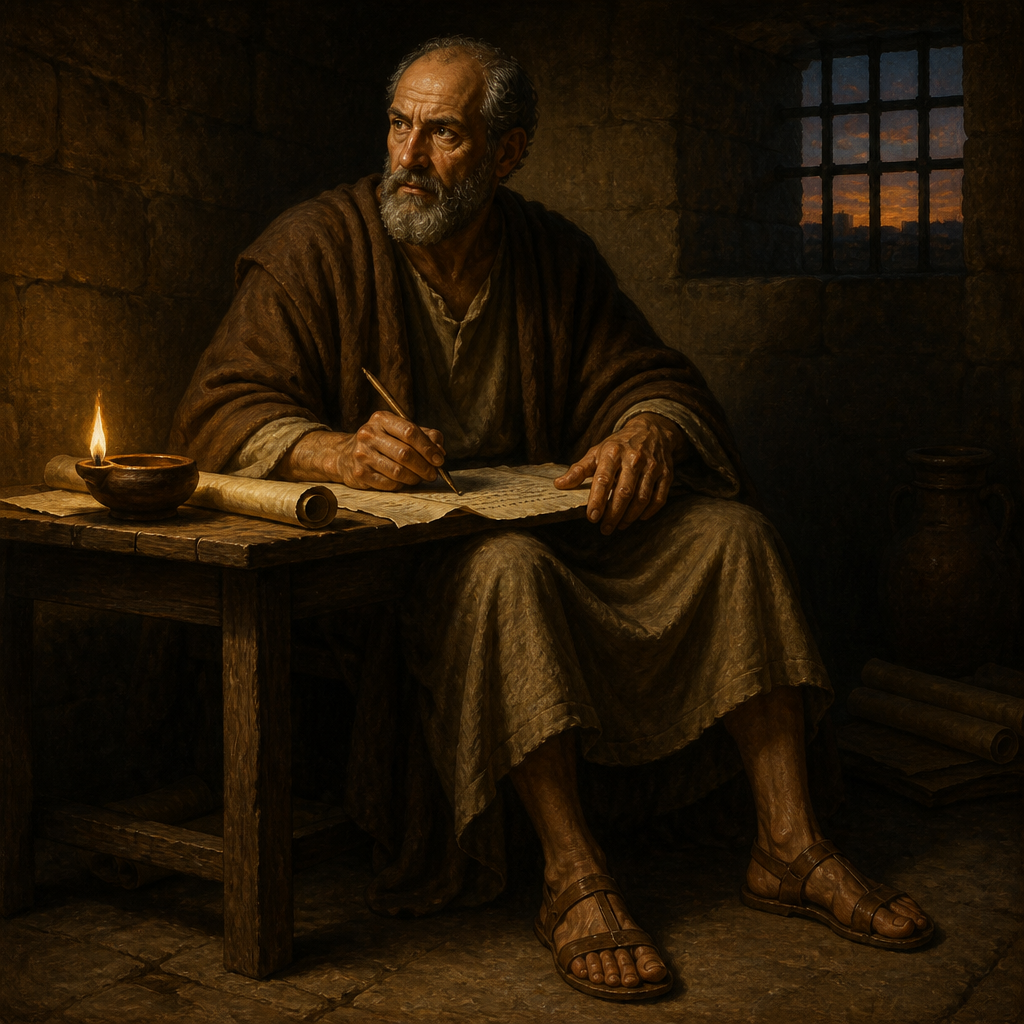
Paul the Apostle
Missionary leader and associate
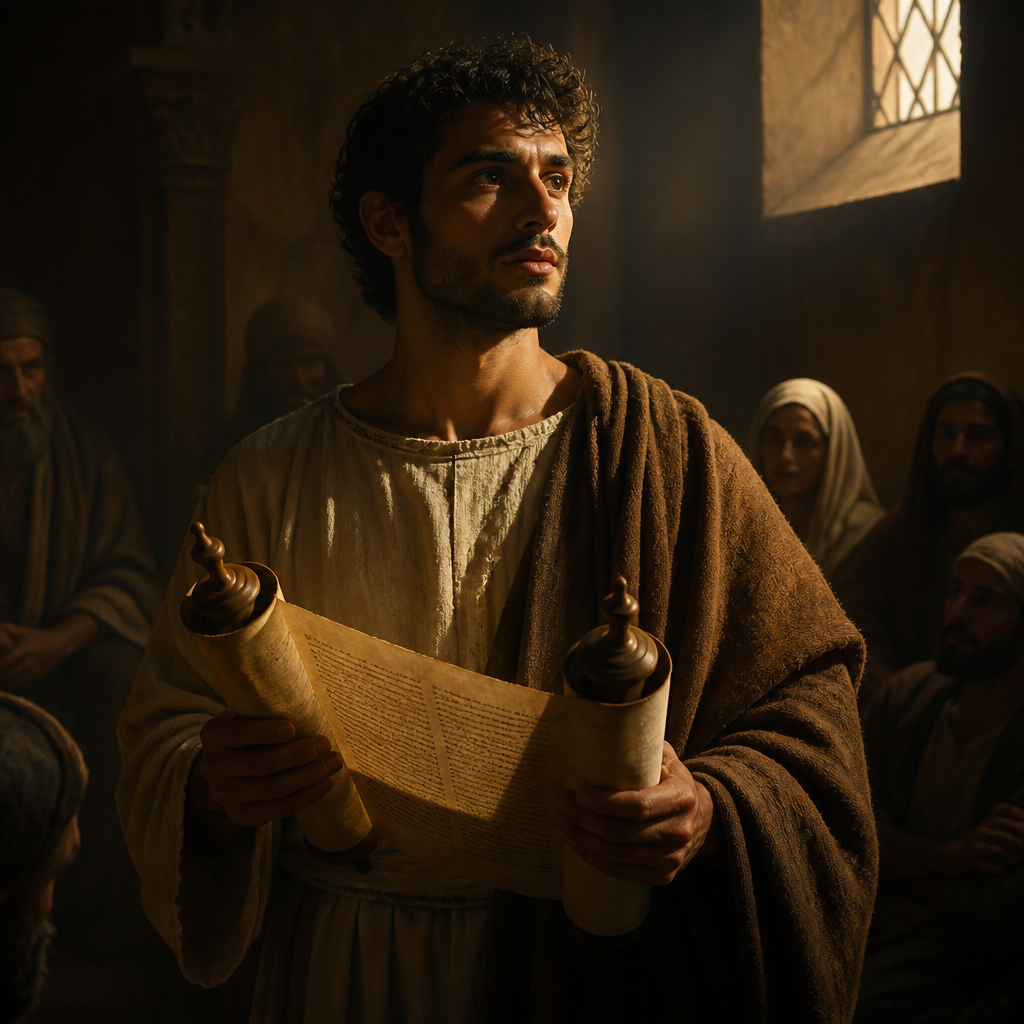
Timothy
Fellow traveler and regional associate
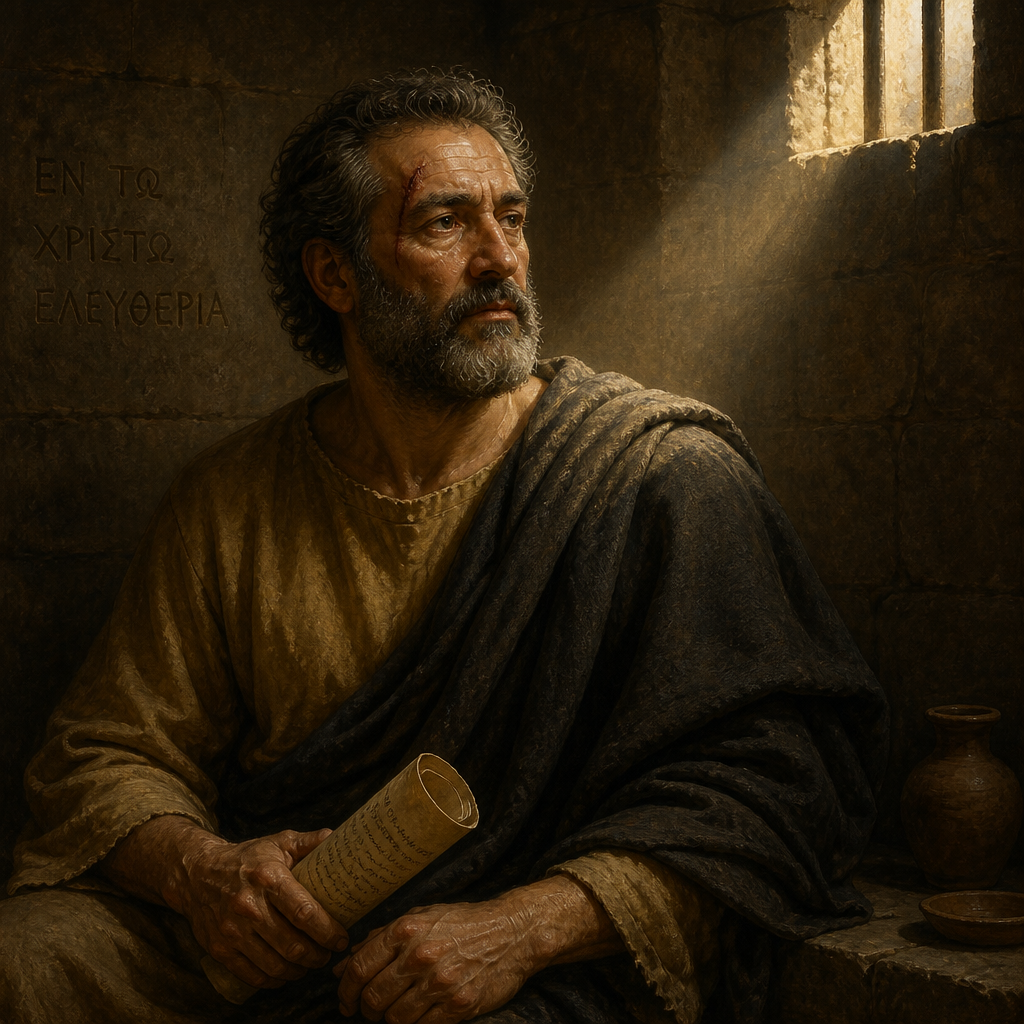
Aristarchus
Fellow traveling companion
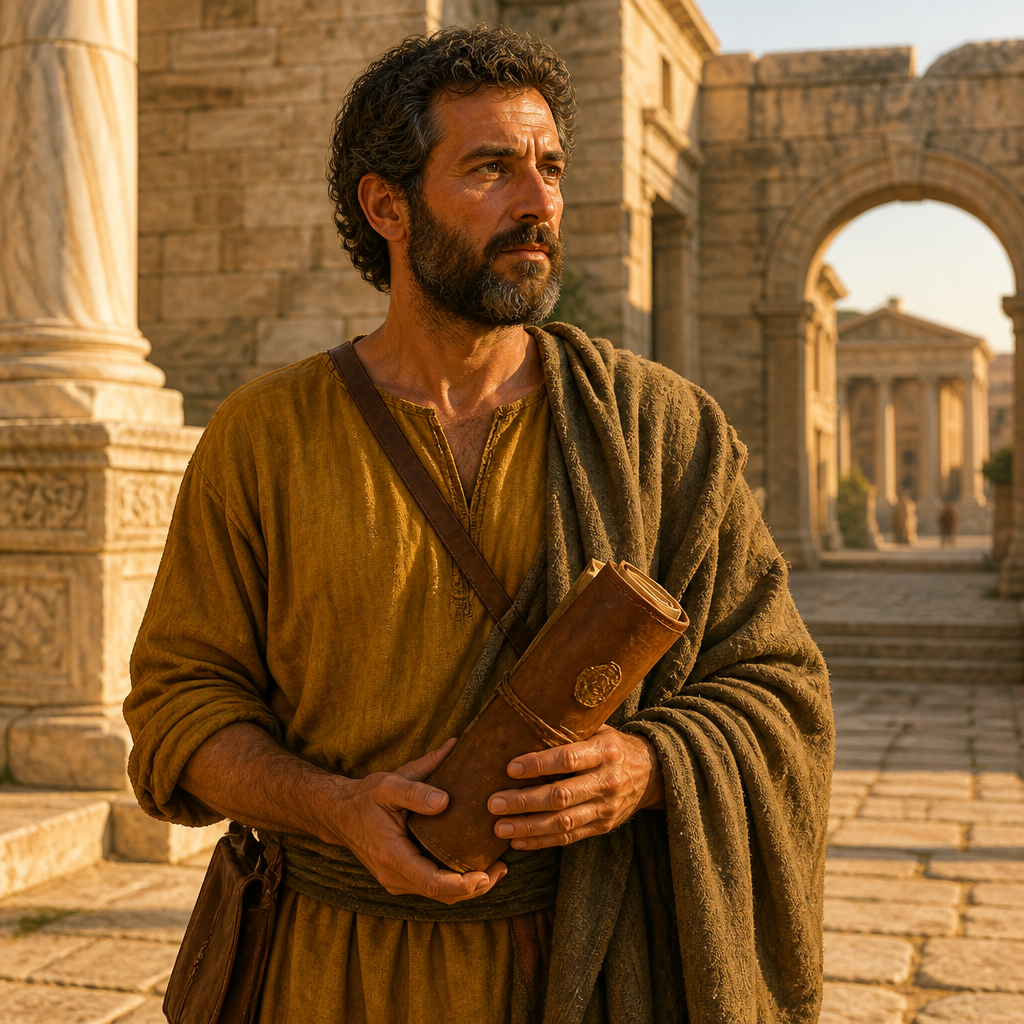
Tychicus
Fellow traveling companion
Categories
Mentions by Book
- Acts1
Others Named Gaius of Derbe
Gaius, Host of the Corinthian ChurchRomans 16:23
A prominent Christian in Corinth known for his hospitality to the Apostle Paul and for being one of the few individuals personally baptized by him.
Gaius, Traveling Companion of Paul from MacedoniaActs 19:29
A Macedonian Christian and traveling companion of the Apostle Paul who was seized by a mob during the Ephesian riot.