Jacob, the Father of Joseph in Jesus' Genealogy
A descendant of David through the line of Matthan and the legal father of Joseph, the husband of Mary.
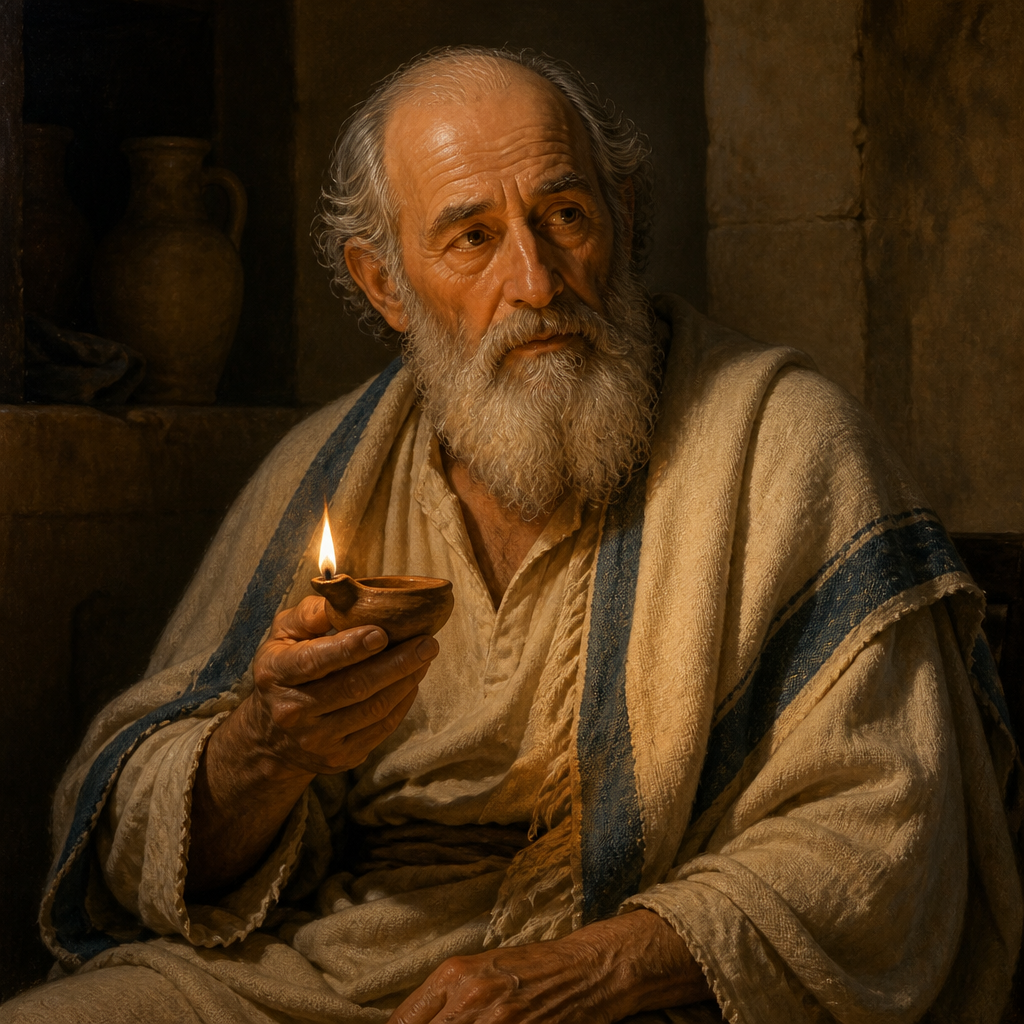
Jacob is a figure mentioned exclusively in the New Testament within the genealogical record of Jesus Christ. According to the Gospel of Matthew, Jacob was the son of Matthan and the father of Joseph, the husband of Mary. This placement identifies him as the paternal grandfather of Jesus in the legal, messianic lineage that traces the royal succession from King David.
While his name mirrors that of the great patriarch Jacob (son of Isaac), this Jacob lived centuries later during the late Intertestamental Period or early 1st century BC. His inclusion in the text serves a specific structural and theological purpose, bridging the post-exilic generations to the birth of the Messiah.
Background and Family
Jacob appears in the final section of Matthew’s genealogy, which covers the period from the Babylonian captivity to the birth of Christ. He was a member of the tribe of Judah and a direct descendant of the Davidic royal line. According to Matthew 1:15, Jacob was the son of Matthan. Following the genealogical pattern, Jacob represents the penultimate generation in this specific record of the ancestry of Jesus.
Major Life Events
The biblical text provides no narrative details regarding Jacob’s life, occupation, or residence. Given the chronology of the genealogy, he would have lived in Judea during the decades preceding the birth of Jesus, likely during the transition from Hasmonean rule to the Roman-appointed reign of Herod the Great. His primary role in the biblical record is the procreation of Joseph, ensuring the continuity of the legal line of David.
Relationship to Other Biblical Figures
Jacob is the son of Matthan and the father of Joseph. A notable scholarly point of discussion involves the discrepancy between Matthew 1:16, which names Jacob as Joseph’s father, and Luke 3:23, which identifies Heli as the father of Joseph. Various solutions have been proposed, such as the possibility that one record tracks the legal (Solomonic) line while the other tracks the biological (Nathanic) line, or that Jacob and Heli were half-brothers, leading to a levirate marriage situation.
Spiritual Significance
Jacob’s significance is rooted in the fulfillment of prophecy. By appearing in the Messianic line, he serves as a link in the chain that confirms Jesus’ right to the throne of David. His presence in the text emphasizes that even during centuries of prophetic silence and political upheaval, God preserved the specific lineage required to bring the Savior into the world according to the promises made to the patriarchs.
Spiritual Significance
Jacob serves as the final link in the genealogy provided by Matthew before Joseph, the husband of Mary. His inclusion confirms that Jesus was legally recognized as a son of David, satisfying the requirements for the Messianic office. His name demonstrates the continuity of the covenant promises from the ancient patriarchs down to the immediate family of Christ.
Frequently Asked Questions
Who was Jacob's father?
According to Matthew 1:15, Jacob's father was Matthan.
Is this the same Jacob who was the son of Isaac?
No. This Jacob lived much later, appearing at the very end of the genealogy of Jesus in the New Testament.
What tribe did Jacob belong to?
Jacob belonged to the tribe of Judah, the royal tribe of King David.
Why does Luke's genealogy name Heli as Joseph's father instead of Jacob?
Scholars suggest Matthew records the legal royal line through Jacob, while Luke may record the biological line through Heli, or vice-versa.
Connected Figures
Categories
Mentions by Book
- Matthew1
Family & Relationships
Child
An Unnamed Ancestor in Jesus' Genealogy
Matthew 1:15
Parent
Matthew 1:15
Others Named Jacob
An Unnamed Priest, Ancestor of Eli1 Kings 2:27
An unnamed member of the tribe of Levi and a descendant of Ithamar who served as the ancestral link between the priestly line of Aaron and the house of Eli.