
People of Titus
Every person who appears in the book of Titus, ordered by how often they are mentioned there.
The People of Titus are identified throughout this brief epistle as the specific individuals involved in the organization and support of the early Christian communities on the island of Crete. The letter begins with Paul, who identifies himself as a servant of God and an apostle of Jesus writing to provide instructions for church leadership (Titus 1:1). Paul addresses the letter to Titus, whom he describes as his true son in a common faith and whom he left in Crete to appoint elders in every town (Titus 1:4–5). The text establishes that the authority for this mission is rooted in the promise of eternal life granted through Jesus, who is described as the savior who gave himself to redeem a people for his own possession (Titus 2:13–14). While the text mentions the circumcision group and those who turn away from the truth, it focuses primarily on the specific instructions Paul gives to his representative regarding the behavior of various social groups within the household.
As the letter concludes, the text shifts from general instructions to specific logistical requests involving several coworkers. Paul informs his representative that he intends to send either Artemas or Tychicus to Crete, at which point the recipient is expected to meet Paul at Nicopolis (Titus 3:12). Tychicus is presented as a traveling companion capable of relieving the local leadership, while Artemas is named as another potential envoy. The text also gives instructions to provide for the journey of Zenas, who is identified as a lawyer, and Apollos, an influential teacher, ensuring that they lack nothing for their travels (Titus 3:13). These individuals represent the administrative and mobile network that connected the various Mediterranean congregations.
The inclusion of these names serves to ground the theological instructions of the letter in a concrete historical and social context. Although the text does not explicitly mention Judah it connects the current mission to the broader biblical heritage by referencing the grace of God that has appeared for all people (Titus 2:11). The interactions between Paul, Titus, and their colleagues like Zenas and Apollos demonstrate the collaborative nature of the early church's expansion. By naming these specific figures, the epistle documents the transition from initial evangelism to the establishment of formal local governance and the ongoing support of traveling ministers.
Everyone in this list
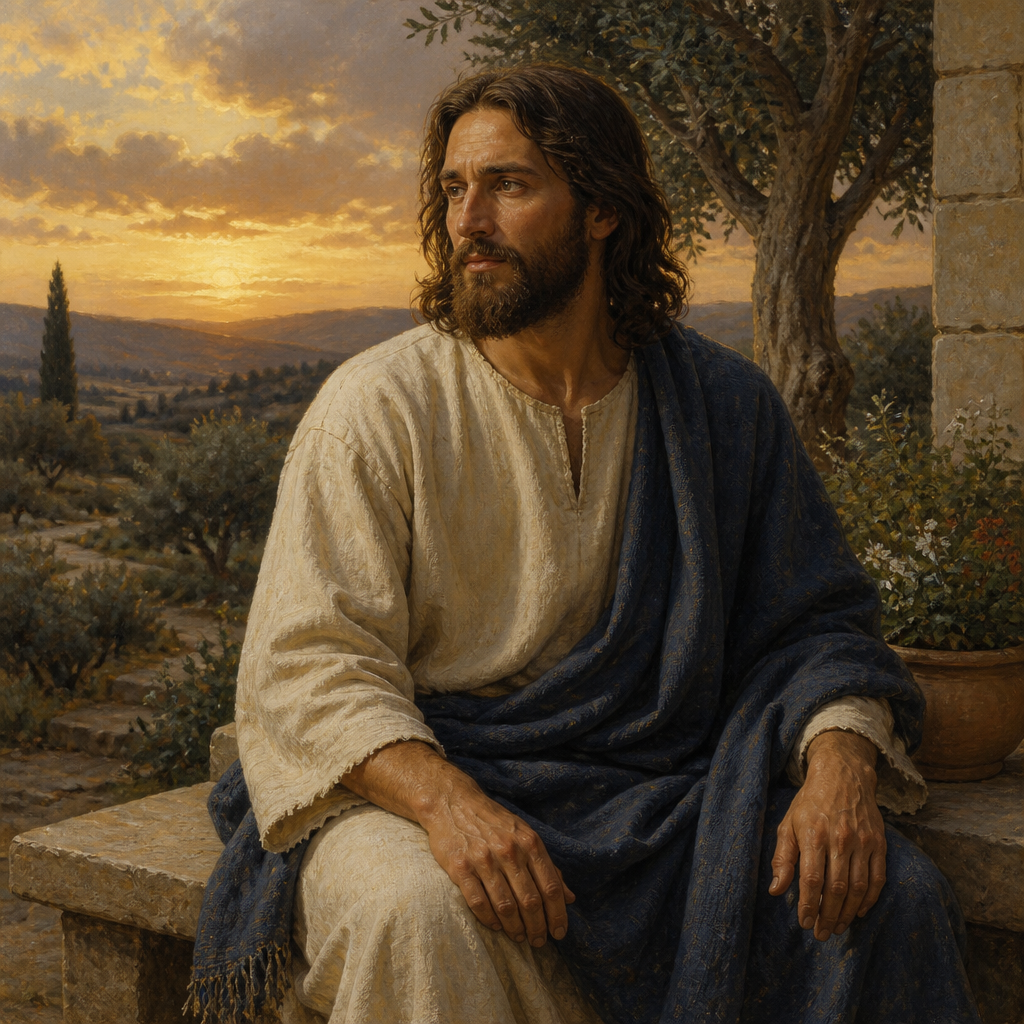
Jesus
Messiah and central figure of the New Testament whose life, death, and resurrection form the basis of the Christian faith
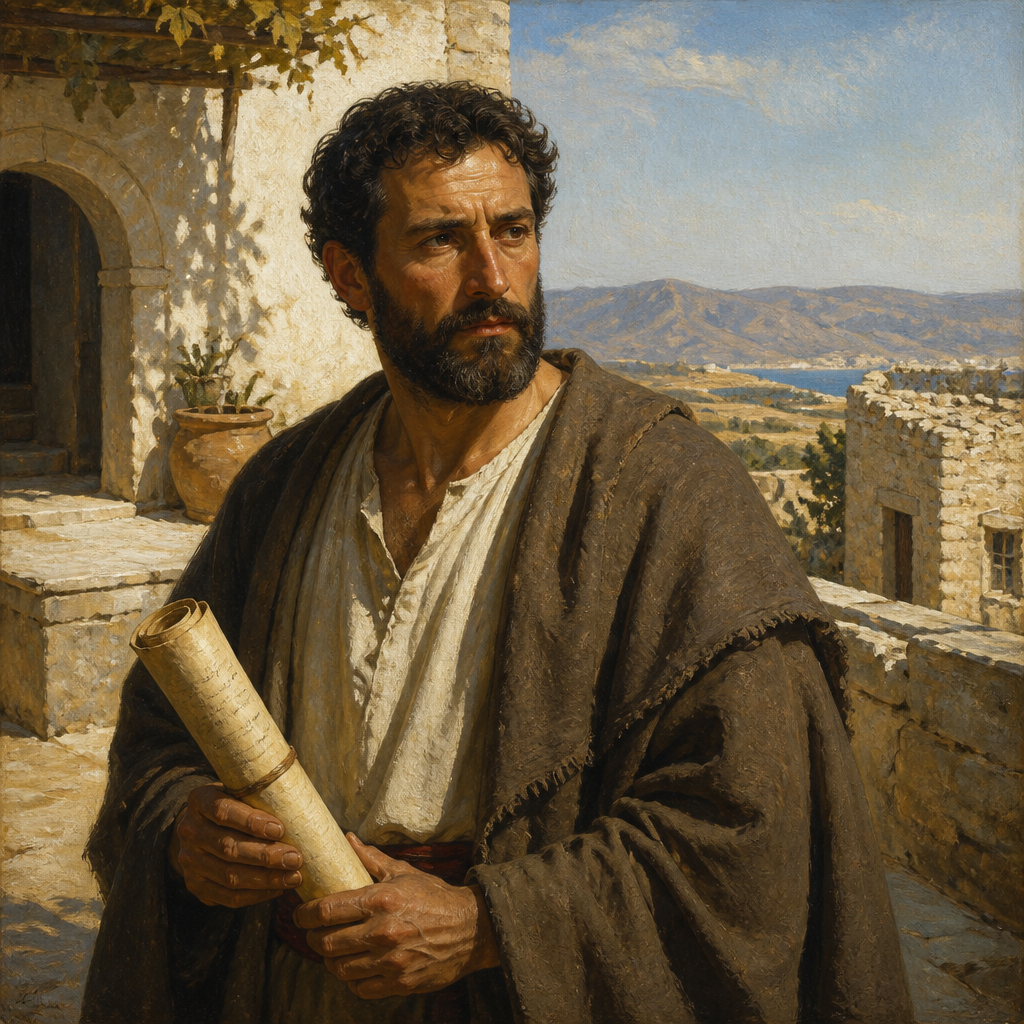
Titus
Greek companion of Paul who organized the church in Crete and mediated the Corinthian crisis
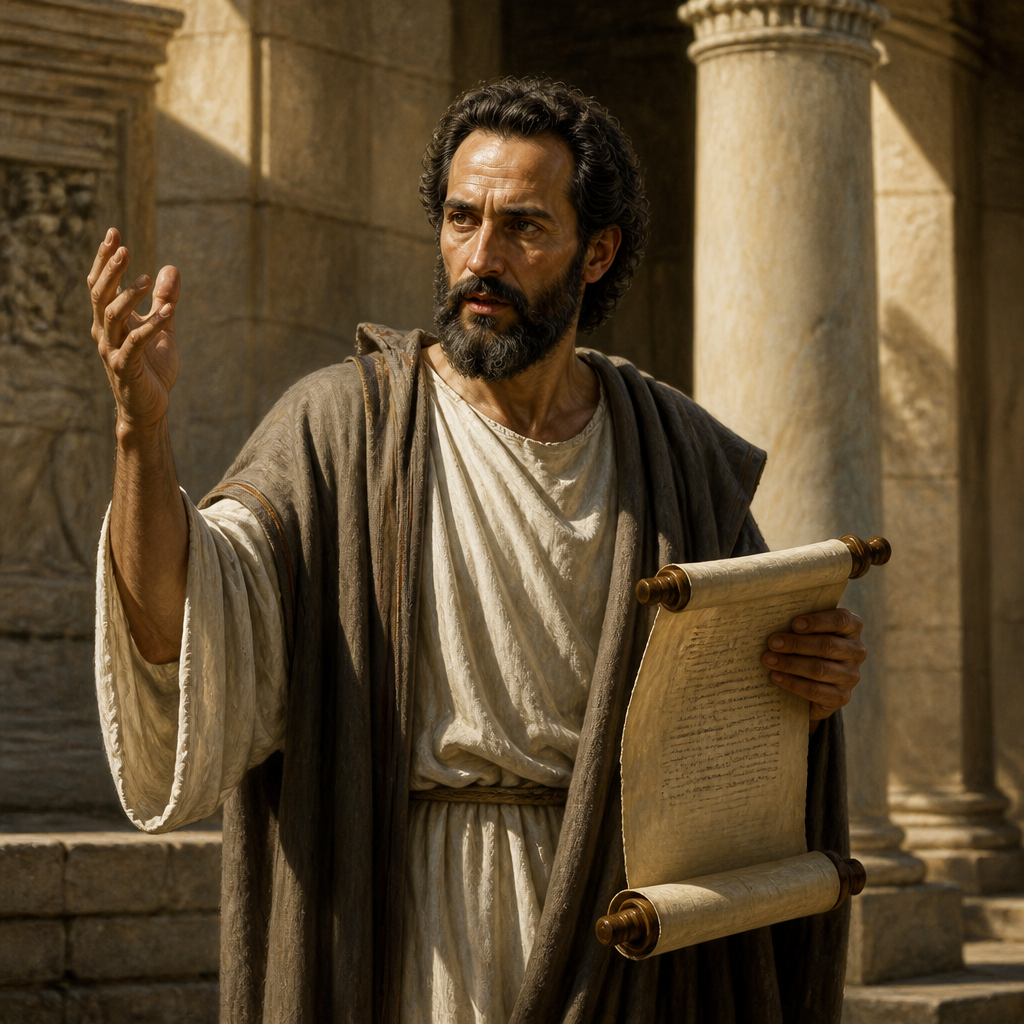
Apollos
Eloquent Alexandrian preacher and colleague of the Apostle Paul
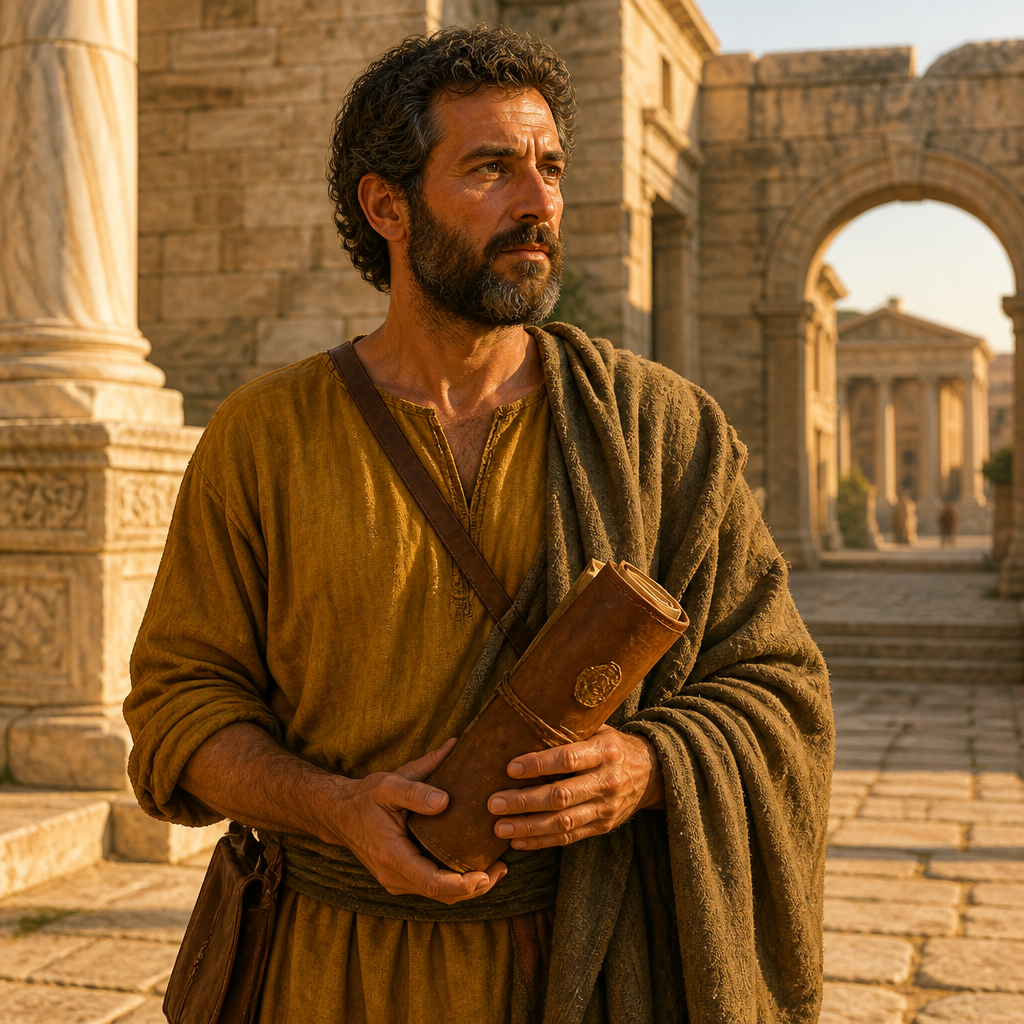
Tychicus
Minister from Asia who delivered Paul's letters to the Ephesians and Colossians
Artemas
Colleague of the Apostle Paul mentioned in the Epistle to Titus
Epimenides
Greek poet and prophet quoted by the Apostle Paul in both Acts and Titus
Zenas
Lawyer and companion of Apollos mentioned in the Epistle to Titus