People of 1 John
Every person who appears in the book of 1 John, ordered by how often they are mentioned there.
The People of 1 John are presented in a theological letter that contrasts the nature of God with the actions of humanity. The author addresses a specific community, referring to them as little children, to explain the relationship between the physical manifestation of the divine and the ethical requirements of faith. The text centers on the testimony of those who heard, saw, and touched the word of life, establishing a historical basis for the message being shared (1 John 1:1).
The primary figure in the letter is Jesus, who is described as the advocate with the Father and the atoning sacrifice for the sins of the whole world (1 John 2:1–2). The text identifies Jesus as the Son of God whose appearance was intended to destroy the works of the devil (1 John 3:8). In contrast to this model of righteousness, the author introduces Cain as a negative example of human conduct. The text states that Cain belonged to the evil one and murdered his brother because his own actions were evil while his brother’s were righteous (1 John 3:12). This specific reference serves as a warning against hating one's fellow believer, which the author equates with the spirit of a murderer (1 John 3:15).
Organizationally, the letter distinguishes between those who acknowledge Jesus and those who deny him. The text warns of antichrists who have departed from the community, defining them as anyone who denies that Jesus is the Christ (1 John 2:18–22). The author emphasizes that to have the Son is to have life, while those who do not have the Son of God do not have life (1 John 5:12). The narrative arc concludes by reinforcing the certainty of the community's knowledge regarding the true God and eternal life through his Son.
This list matters because it defines the boundaries of the early Christian community through the lens of love and obedience. By invoking the ancient figure of Cain, the author connects the immediate ethical struggles of the readers to the broader history of human sin recorded in the Hebrew scriptures. The focus on Jesus as a physical reality who was seen and touched serves to counter specific internal arguments regarding his nature. Ultimately, the letter uses these figures to argue that true knowledge of God is inseparable from the practice of loving others and adhering to the testimony regarding the Son.
Everyone in this list
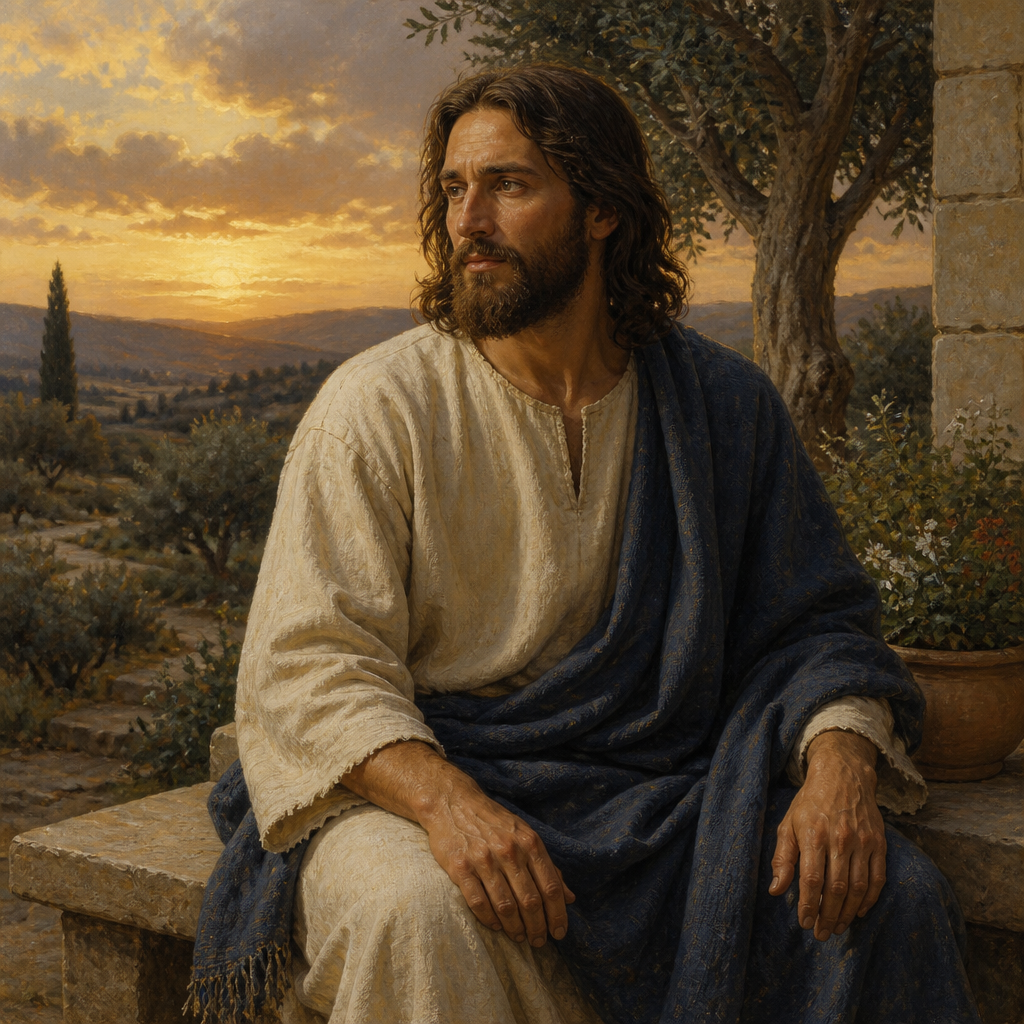
Jesus
Messiah and central figure of the New Testament whose life, death, and resurrection form the basis of the Christian faith
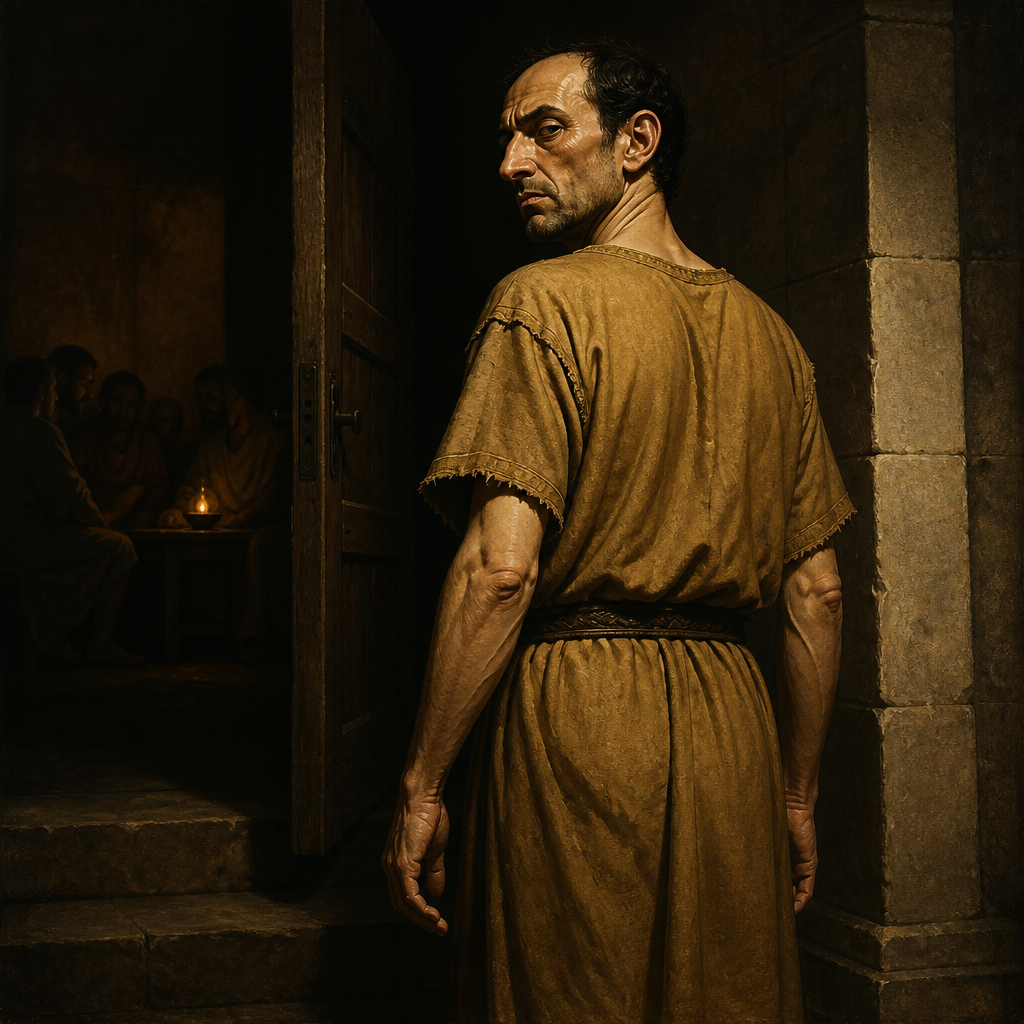
Antichrists
Apostates who abandoned the early church to deny the incarnation of Jesus Christ