Hur, Father of Solomon's Deputy
Who was Hur, Father of Solomon's Deputy, in the Bible?
A man of the tribe of Ephraim during the United Monarchy whose son served as one of King Solomon’s twelve district governors.
This is one of 4 people named Hur in the Bible. See all 4 →
Hur was a figure of the United Monarchy of Israel during the 10th century BC. He is primarily known through his son, who is referred to in the biblical text as Ben-hur (literally 'Son of Hur'). During the administrative reorganization of Israel under King Solomon, Hur’s family rose to significant regional prominence, as his son was appointed to oversee the hill country of Ephraim.
While Hur himself is not recorded as holding a specific office, the mention of his name in the official records of Solomon’s court suggests he was a man of high standing or noble lineage within his tribe. His identification is inextricably linked to the prosperity and structured governance of the golden age of the Israelite monarchy.
Background and Family
Hur lived during the transition of Israel from a loosely affiliated group of tribes into a centralized, powerful empire under the United Monarchy. Though the text of 1 Kings 4:8 focuses on the administrative duties of his son, the inclusion of Hur’s name provides essential genealogical and social context. In the ancient Near East, an individual was often identified by their father's name (patronymic) to establish their legal and social status. Thus, Hur represents the patriarchal foundation of a family that Solomon deemed trustworthy enough to manage one of the most critical agricultural and strategic regions of the kingdom.
The Hill Country of Ephraim
Hur is associated with the hill country of Ephraim, a rugged and fertile territory in central Israel. This region was the heartland of the tribe of Ephraim, one of the most powerful and influential tribes during the United Monarchy. The fact that Hur’s son governed this specific area suggests that Hur was likely a prominent member of the Ephraimite nobility. Maintaining control over this region was vital for Solomon, as it sat between the capital of Jerusalem to the south and the northern territories of Manasseh and Galilee.
Major Life Events
The biblical record does not preserve the personal biography of Hur, such as his birth, marriage, or death. His singular mention in 1 Kings 4:8 serves as a historical marker for the reign of King Solomon (c. 970–931 BC).
"And these were their names: Ben-hur in the hill country of Ephraim;" (1 Kings 4:8, BSB)
This placement within the list of Solomon's twelve deputies indicates that Hur was the father of one of the king’s highest-ranking officials. These deputies were responsible for providing food for the king and his household, with each man being responsible for one month of the year. This required immense logistical skill and local authority, reflecting the high status of Hur’s household.
Relationship to Other Biblical Figures
Hur’s primary relationship in the biblical narrative is to his son, Ben-hur. While the son performed the actual labor of the governorship, the text attributes the son's identity to Hur. This suggests that Hur’s reputation in Ephraim may have been the catalyst for his son’s political appointment. By appointing the sons of established local leaders like Hur, Solomon was able to integrate tribal leadership into his centralized government, ensuring loyalty through existing social structures.
Spiritual Significance
While Hur is a minor figure in terms of narrative action, his presence in the Holy Scriptures underscores the biblical theme of order and God’s provision through human administration. The establishment of the twelve districts mirrored the twelve tribes of Israel, showing a continuity between the ancestral promises to the patriarchs and the reality of the Davidic and Solomonic kingdoms. Hur represents the quiet, foundational generation that supported the flourishing of Israel during its era of greatest peace and expansion. His inclusion in the sacred record serves as a reminder that even those who do not perform miracles or lead armies are known to God and are essential to the fulfillment of His national purposes for Israel.
Hur serves as a genealogical link in the administrative history of Israel, representing the high-ranking families that formed the backbone of Solomon’s government. His significance lies in his role as a patriarch of the Ephraimite district, demonstrating how the United Monarchy utilized local tribal leaders to maintain national stability and provide for the royal court.
Frequently Asked Questions
In what time period did Hur live?
Hur lived during the United Monarchy, specifically during the 10th century BC, coinciding with the reign of King Solomon.
What tribe was Hur from?
While the text does not explicitly state his tribe, he is strongly associated with the hill country of Ephraim, suggesting he was a member of the tribe of Ephraim.
What is the meaning of the name Ben-hur?
In Hebrew, 'Ben-hur' literally means 'Son of Hur,' which is how the biblical text identifies Hur's son who served Solomon.
What was Hur's role in the Bible?
Hur himself is not described as having a specific role, but he is identified as the father of one of Solomon's twelve district governors.
Family & Relationships
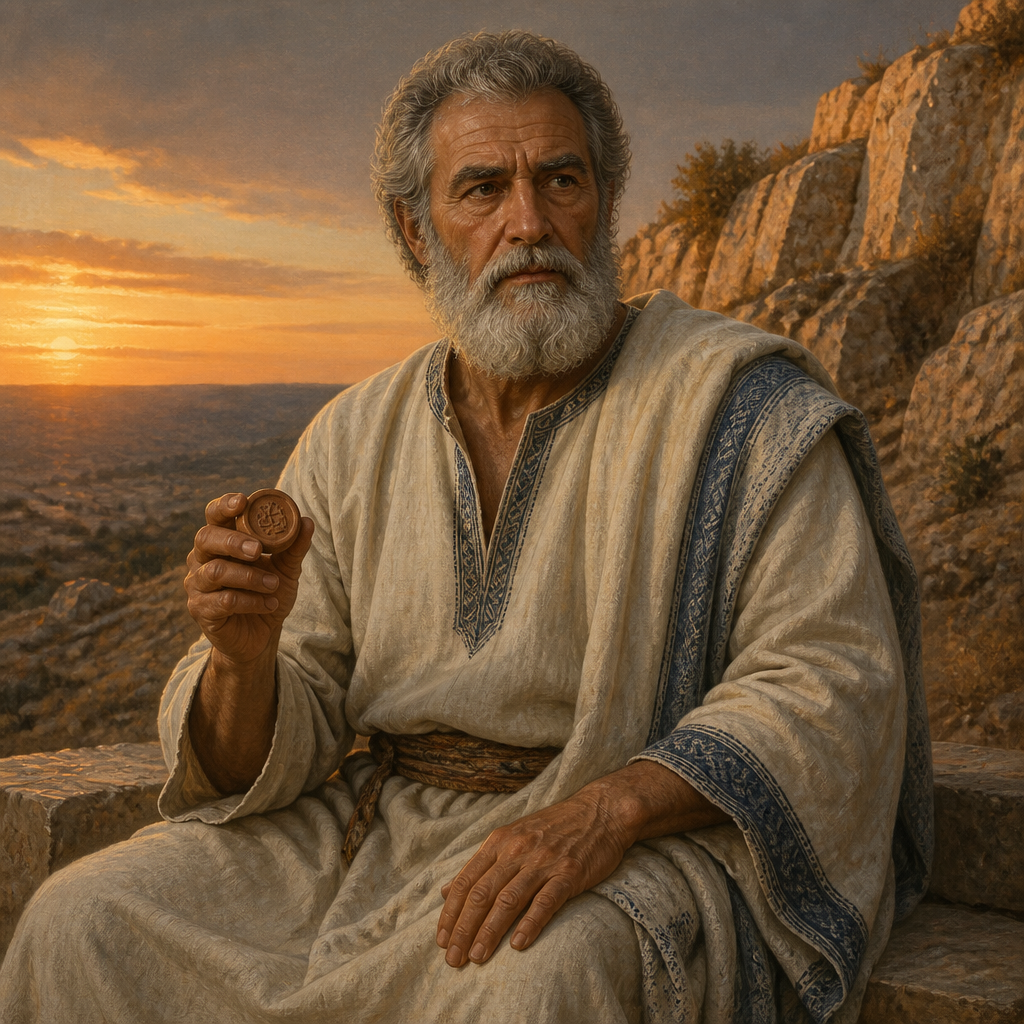 Hur, Father of Solomon's DeputyThis page
Children
 Ben-hurSon1 Kings 4:8
Inferred
No verse names Ben-hur and Hur together; the father link is carried from the surrounding genealogy and is not stated in Scripture.Evidence: 1 Kings 4:8
Connected Figures
Family
Son · 1 Kings 4:8
Ben-hur was a high-ranking official under King Solomon who served as the district governor over the hill country of Ephraim during the United Monarchy.
United MonarchyFirst: 1 Kings 4:81 versesDistrict Governor
Categories
Mentions by Book
- 1 Kings1
Scripture References
All 1 indexed verse, in canonical order, from the Berean Standard Bible.
1 Kings · 1
- 1 Kings 4:8
and these were their names: Ben-hur in the hill country of Ephraim;
Others Named Hur
Compare all 4 bearers →Hur, Father of RephaiahNehemiah 3:9
The father of Rephaiah, a high-ranking Judean official who oversaw the reconstruction of the Jerusalem wall during the post-exilic return under Nehemiah.
Hur, King of MidianNumbers 31:8
One of the five kings or chiefs of the Midianites who allied with the Moabites and was slain by the Israelites during the wilderness journey.
Hur of the Tribe of JudahExodus 17:10
A prominent leader of the tribe of Judah who supported Moses' hands during the battle against Amalek and served as a temporary leader of Israel.