Shebuel, Grandson of Moses
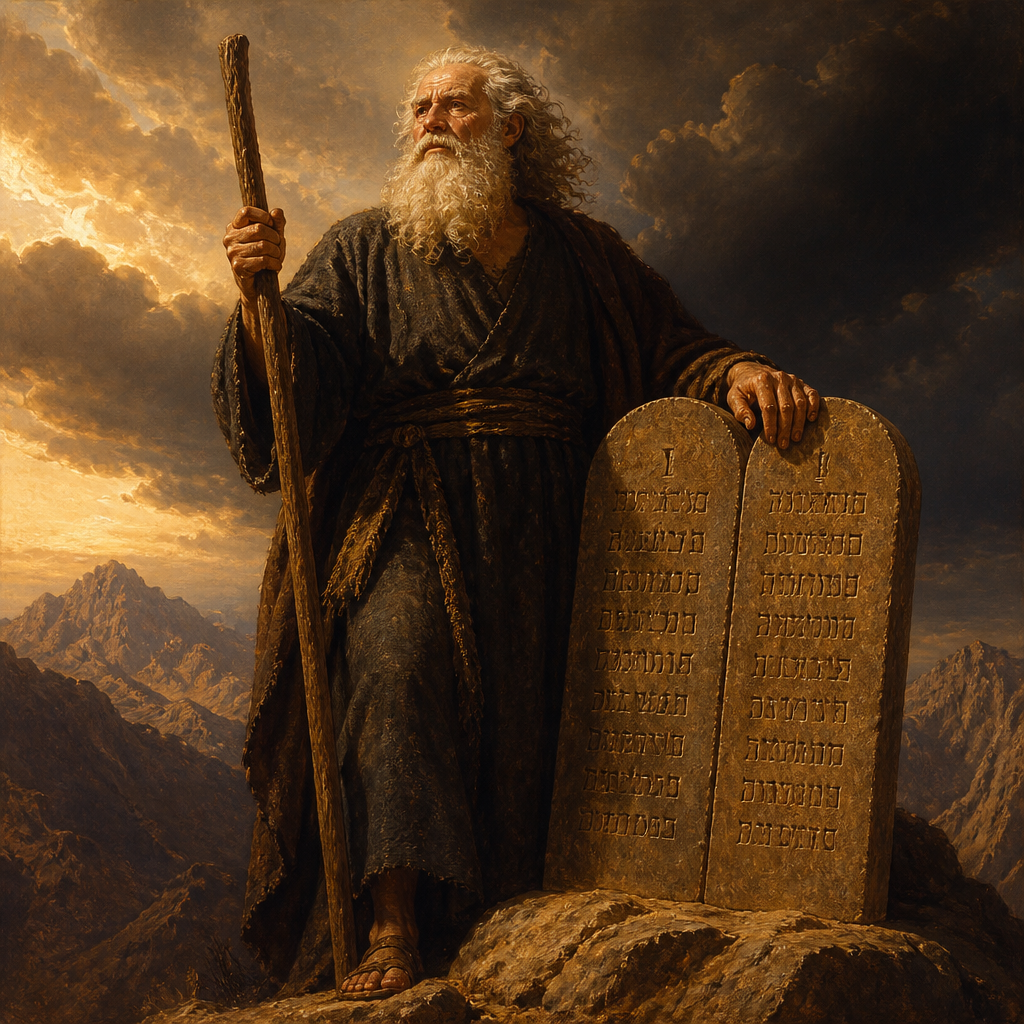
Shebuel was a Levite, the firstborn son of Gershom and a direct grandson of the prophet Moses, who served as a chief treasury official.
Shebuel (also rendered as Shubael) was a prominent member of the tribe of Levi during the era of the Egypt and Wilderness sojourn, extending into the organizational records of the Levites. As the firstborn son of Gershom, he held the distinction of being a direct grandson of Moses, the great deliverer and lawgiver of Israel. His lineage placed him in a position of significant religious and administrative responsibility within the tabernacle framework.
While his life began during the transformative period of the Exodus and the Wilderness wanderings, his historical footprint is preserved primarily in the genealogical and functional records of the Levites. His most notable role was his appointment as a chief officer over the treasuries of the house of God, a position that required immense trust and integrity given the sacred nature of the communal and sacrificial resources.
Background and Family
Shebuel was born into the most prominent family of the Levite tribe. His father was Gershom, the first son of Moses and Zipporah. According to the genealogical records in 1 Chronicles 23:16, Shebuel is identified as the "first" or chief son of Gershom. This lineage is significant because, while the priesthood was specifically reserved for the descendants of Moses' brother Aaron, the descendants of Moses himself—including Shebuel—remained vital leaders within the broader Levite service.
In some manuscripts and translations, specifically in 1 Chronicles 24:20, his name is recorded as "Shubael." Biblical scholars generally agree that Shebuel and Shubael refer to the same individual, representing a common phonetic variation in Hebrew orthography. His primary family contribution continued through his son, Jehdeiah, who is listed as his successor in the paternal line.
Major Life Events
The most definitive historical detail regarding Shebuel’s life is his administrative appointment. 1 Chronicles 26:24 states: "Shebuel, a descendant of Gershom son of Moses, was the officer in charge of the treasuries." This role was not merely clerical; the treasuries of the house of God included the dedicated gifts, the spoils of war consecrated to the Lord, and the silver and gold required for the maintenance of the sanctuary.
His service represents the formalization of the Mosaic legacy within the institutional worship of Israel. While Moses led the nation as a whole, Shebuel served within the structures his grandfather helped establish, ensuring the financial and material stability of the religious system.
Relationship to Other Biblical Figures
Shebuel’s identity is inextricably linked to his grandfather, Moses. The biblical text takes care to mention this connection (1 Chronicles 26:24), likely to emphasize the continuity of faithful service within Moses' direct line. Unlike the sons of Aaron who became priests, Shebuel represents the "Amramite" branch of the Levites who served the sanctuary in administrative and supportive capacities. He also maintained a close working relationship with the broader Levite community, as evidenced by his inclusion in the formal lots and divisions organized to facilitate orderly worship.
Spiritual Significance
The life of Shebuel illustrates the biblical principle of stewardship. By overseeing the treasuries, he was responsible for that which had been set apart (sanctified) for God. His presence in the biblical record serves as a bridge between the charismatic leadership of the Exodus era and the organized liturgical life of the nation. Though he lived in the shadow of a monumental figure like Moses, Shebuel found his own unique sphere of service, demonstrating that faithfulness in administrative "behind-the-scenes" roles is as essential to the community of faith as public leadership.
Spiritual Significance
Shebuel’s significance lies in his preservation of the Mosaic legacy through dedicated service to the tabernacle. As the chief officer of the treasuries, he modeled the integrity required to manage the resources of the covenant community. His inclusion in the Chronicles genealogies reinforces the importance of every Levite sub-clan in the spiritual infrastructure of Israel.
Furthermore, Shebuel represents the fulfillment of the Levite calling to be 'set apart' for the Lord’s work. His life demonstrates that the descendants of Moses remained active and honored participants in Israel's religious life, even as the formal priesthood moved through the line of Aaron.
Frequently Asked Questions
Who was Shebuel’s father?
Shebuel was the son of Gershom, making him the grandson of Moses.
What was Shebuel’s job in the Bible?
He was the officer in charge of the treasuries of the house of God.
Is Shebuel the same person as Shubael?
Yes, in 1 Chronicles 24:20, the name Shubael is used to refer to the same son of Gershom.
Did Shebuel have any children?
Yes, the Bible records that Shebuel had a son named Jehdeiah.
What tribe did Shebuel belong to?
He belonged to the tribe of Levi.
Connected Figures
Categories
Mentions by Book
- 1 Chronicles3
Family & Relationships
Child
1 Chronicles 23:16
Parent
Exodus 2:22
Others Named Shebuel
Shebuel, Son of Heman the Singer1 Chronicles 25:4
A Levite musician and son of Heman who served in the temple choir and led the thirteenth division of singers during the reign of King David.