Jehiel, Descendant of Heman
Who was Jehiel, Descendant of Heman, in the Bible?
A Levite of the clan of Heman who participated in the spiritual cleansing of the Temple during the reign of King Hezekiah.
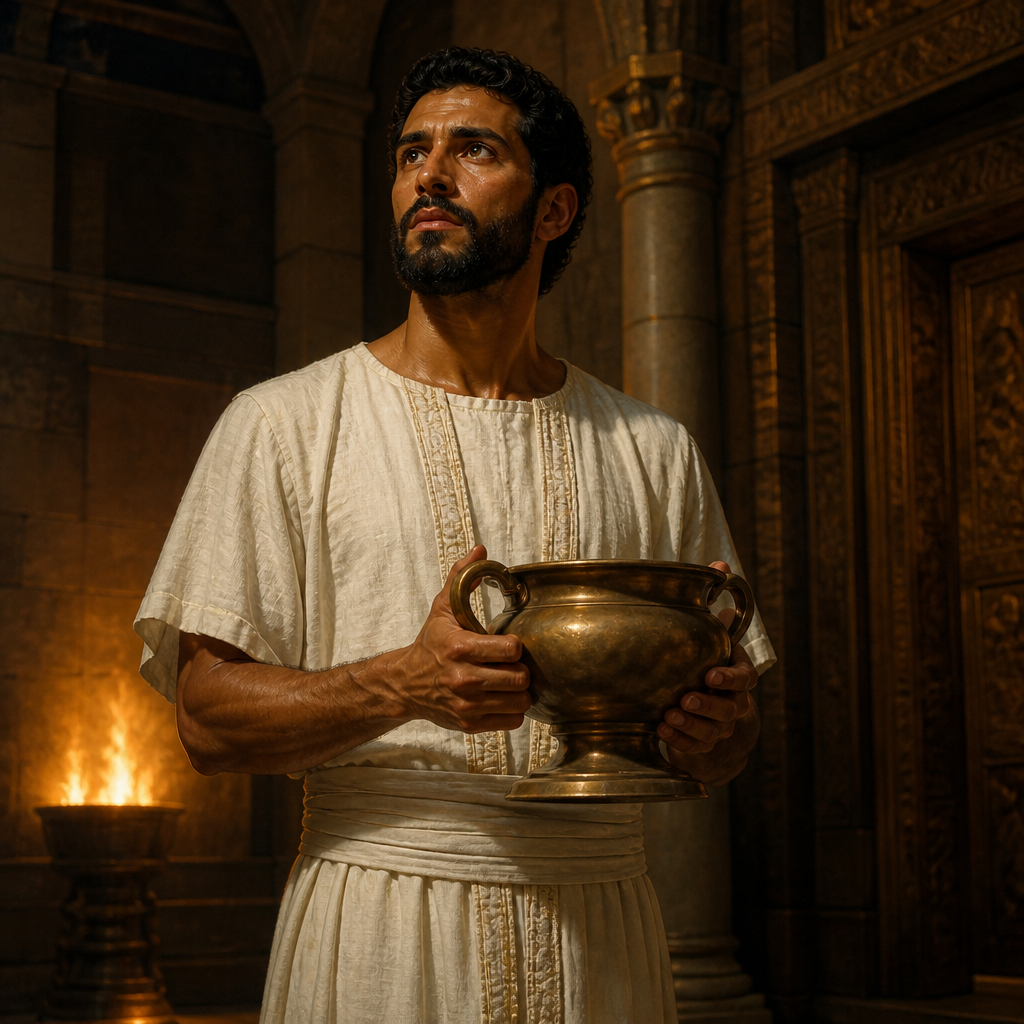
Jehuel (also rendered as Jehiel) was a member of the tribe of Levi during the Divided Monarchy period in the late 8th century BC. He belonged to the family of Heman, one of the three great guilds of singers and musicians established by King David for sanctuary service.
Jehuel is specifically recorded in the biblical narrative for his role in the religious reforms of King Hezekiah of Judah. When Hezekiah ascended the throne and sought to restore the worship of Yahweh after the idolatrous reign of his father Ahaz, Jehuel was among the select group of Levites who answered the royal call to sanctify themselves and the house of the Lord.
Background and Family
Jehuel was a descendant of Heman the singer, a prominent Kohathite Levite known for his wisdom and musical leadership. As a "Hemanite," Jehuel inherited a specific station within the liturgical hierarchy of the Temple. The biblical text identifies him as a brother of Shimei, another Levite involved in the restoration efforts under King Hezekiah. Because the family of Heman was traditionally associated with music and the service of the inner court, Jehuel likely held a hereditary position that combined physical maintenance of the sanctuary with liturgical responsibilities.
Major Life Events
The sole appearance of Jehuel in the biblical record occurs in 2 Chronicles 29:14. Following the death of the apostate King Ahaz, his son Hezekiah initiated a massive undertaking to reopen the doors of the Temple and purge it of the ritual impurities introduced during the previous administration.
Jehuel was one of fourteen Levites specifically named who gathered their brethren to begin the work of sanctification. This process involved two stages: first, the personal ritual purification of the Levites themselves, and second, the physical removal of "uncleanness" from the holy place. According to the text, the Levites carried the ritual debris out to the Kidron Valley. While Jehuel is not cited for individual actions beyond his inclusion in this list, his presence signifies the cooperation of the Hemanite guild in the national revival.
Relationship to Other Biblical Figures
Jehuel’s primary biblical relationships are genealogical and functional. He is the son of Heman (the Singer) and the brother of Shimei. His service occurred under the oversight of King Hezekiah, working alongside other prominent Levites such as Shemaiah and Uzziel of the Jeduthunites. His life is defined by his alignment with the faithful remnant of the tribe of Levi who remained committed to the Mosaic Law during the turbulent years of the Divided Monarchy.
Spiritual Significance
Though his mention is brief, Jehuel represents the vital role of the "nameless" servant in the preservation of biblical faith. His spiritual significance lies in his immediate response to the call for reform. In the context of 2 Chronicles, his participation in the cleansing of the Temple serves as a model of restorative service. He stands as a representative of the Hemanites, ensuring that the legacy of worship established by his ancestors continued into the era of the Hezekian reforms.
Jehuel’s significance is rooted in the restoration of the Temple cultus. By participating in the cleansing of the sanctuary, he helped bridge the gap between a period of national apostasy and a period of spiritual renewal. His inclusion in the genealogical list of 2 Chronicles 29 serves to validate the continuity of the Levitical orders during the Divided Monarchy.
His role illustrates the importance of institutional readiness; when a leader like Hezekiah called for change, men like Jehuel were prepared by their heritage and training to execute the work immediately. He represents the communal effort required to maintain the sanctity of the Jewish faith against the pressures of surrounding idolatry.
Frequently Asked Questions
Who was Jehuel’s father?
Jehuel was the son of Heman the Singer, a leader of the Kohathite Levites.
What tribe did Jehuel belong to?
He belonged to the tribe of Levi.
In what historical period did Jehuel live?
He lived during the Divided Monarchy, specifically during the reign of King Hezekiah of Judah in the late 8th century BC.
What was Jehuel’s primary achievement?
He is recorded as one of the Levites who sanctified themselves to cleanse the Temple of the Lord during Hezekiah’s reforms.
Who was Jehuel's brother?
His brother was Shimei, who also served in the Temple during the same period.
Family & Relationships
Parents
 Heman the SingerFather2 Chronicles 29:14
Inferred
No verse names Heman and Jehuel together; the son link is carried from the surrounding genealogy and is not stated in Scripture.Evidence: 2 Chronicles 29:14
 Jehiel, Descendant of HemanThis page
 Shimei, Hemanite LeviteBrother2 Chronicles 29:14
Inferred
No verse names Jehuel and Shimei together; the brother link is carried from the surrounding genealogy and is not stated in Scripture.Evidence: 2 Chronicles 29:14
Connected Figures
Family
Father · 2 Chronicles 29:14
A prominent Levite singer, musician, and king's seer during the United Monarchy, appointed by David to lead the worship in the house of the LORD.
United MonarchyFirst: 1 Chronicles 6:3311 versesMusician, Singer, King's SeerLevi
Brother · 2 Chronicles 29:14
A Levite of the Hemanite family who participated in the spiritual purification and restoration of the temple during the reign of King Hezekiah.
Divided MonarchyFirst: 2 Chronicles 29:141 versesLevite / Temple OfficialLevi
Categories
Mentions by Book
- 2 Chronicles1
Scripture References
All 1 indexed verse, in canonical order, from the Berean Standard Bible.
2 Chronicles · 1
- 2 Chronicles 29:14
Jehiel and Shimei from the Hemanites; and Shemaiah and Uzziel from the Jeduthunites.