Elah, Father of Hoshea
Who was Elah, Father of Hoshea, in the Bible?
Elah was the father of Hoshea, the final king of the northern kingdom of Israel who led a conspiracy against Pekah.
This is one of 5 people named Elah in the Bible. See all 5 →
Elah is a figure mentioned in the context of the waning years of the Divided Monarchy, specifically within the history of the Northern Kingdom of Israel. While he is not described as holding a royal or prophetic office himself, his identity is preserved in the biblical record as the father of Hoshea, the man who would become the last king of Israel before the Assyrian captivity.
His name appears exclusively in the Second Book of Kings as a genealogical marker. In a period defined by political instability and shifting dynasties, the lineage of the usurper Hoshea serves to ground the narrative in a specific historical and familial context during the late 8th century BC.
Background and Family
The historical record regarding Elah is strictly limited to his role as the father of Hoshea. Unlike many figures in the Divided Monarchy whose tribal affiliations or ancestral lands are detailed, the biblical text does not provide Elah’s tribe or his specific place of origin. He appears in the narrative during a time of extreme upheaval in Samaria.
At the time Elah’s son rose to prominence, the Northern Kingdom was suffering from internal fragmentation and the external pressure of the Neo-Assyrian Empire. The fact that Elah’s son, Hoshea, was able to organize a successful conspiracy against King Pekah suggests that Elah may have belonged to a family of some social standing or military influence, though the scriptures do not explicitly confirm his personal status or occupation.
Major Life Events
Elah does not personally participate in any recorded actions within the biblical text. His primary significance in the narrative of 2 Kings is to identify the origins of Hoshea. In 2 Kings 15:30, it is recorded that "Hoshea son of Elah led a conspiracy against Pekah son of Remaliah." This event took place during the twentieth year of Jotham son of Uzziah, king of Judah (c. 732 BC).
Because the biblical record uses the formula "son of Elah" repeatedly (2 Kings 17:1, 18:1, 18:9), Elah’s name becomes a chronological and genealogical anchor for the final decade of Israel's existence as a sovereign state. He lived to see, or at least provided the lineage for, the man who would oversee the fall of Samaria to Shalmaneser V and Sargon II of Assyria.
Relationship to Other Biblical Figures
Elah is defined entirely by his relationship to his son, Hoshea. Through his son’s reign, Elah is indirectly linked to the major geopolitical players of the era. This includes the Israelite King Pekah, whom Hoshea assassinated, and the Judean kings Ahaz and Hezekiah, whose reigns are used to date the activities of Elah’s son.
Specifically, the text notes that Hoshea son of Elah began his reign in the twelfth year of Ahaz (2 Kings 17:1) and that Hezekiah’s reign began in the third year of Hoshea son of Elah (2 Kings 18:1). These cross-references place Elah at the center of the synchronized history between the Northern and Southern Kingdoms.
Spiritual Significance
While Elah is not credited with specific acts of faith or rebellion, his inclusion in the text underscores the biblical emphasis on lineage and the fulfillment of historical judgment. As the father of the final king of Israel, Elah’s name is associated with the closing chapter of the Northern Kingdom’s history. The repeated mention of his name serves as a formal witness to the end of a dynasty and the end of the nation of Israel as established by Jeroboam I. In the theological framework of 2 Kings, the mention of Elah provides the necessary record-keeping to document the precise moment when God’s patience with the Northern Kingdom reached its end, leading to the Assyrian exile.
Elah’s primary biblical significance is as a genealogical identifier for Hoshea, the last king of the Northern Kingdom of Israel. By providing Elah’s name, the author of 2 Kings ensures a precise historical record of the man who ended the reign of Pekah and ultimately saw the destruction of Samaria.
Theologically, Elah represents the common practice of identifying individuals by their patrilineal descent, maintaining the continuity of the historical narrative even when the individual in question does not perform recorded deeds. He is a silent witness to the final days of the Divided Monarchy.
Frequently Asked Questions
Was Elah a king of Israel?
No, this Elah was not a king. He was the father of Hoshea, who was the final king of the Northern Kingdom of Israel.
Which book of the Bible mentions Elah, the father of Hoshea?
He is mentioned exclusively in the book of 2 Kings, specifically in chapters 15, 17, and 18.
What is the meaning of the name Elah?
In Hebrew, the name Elah (אֵלָה) typically refers to a 'terebinth' or 'oak' tree.
Who was Elah's son?
His son was Hoshea, who led a conspiracy against King Pekah and reigned in Samaria for nine years.
Family & Relationships
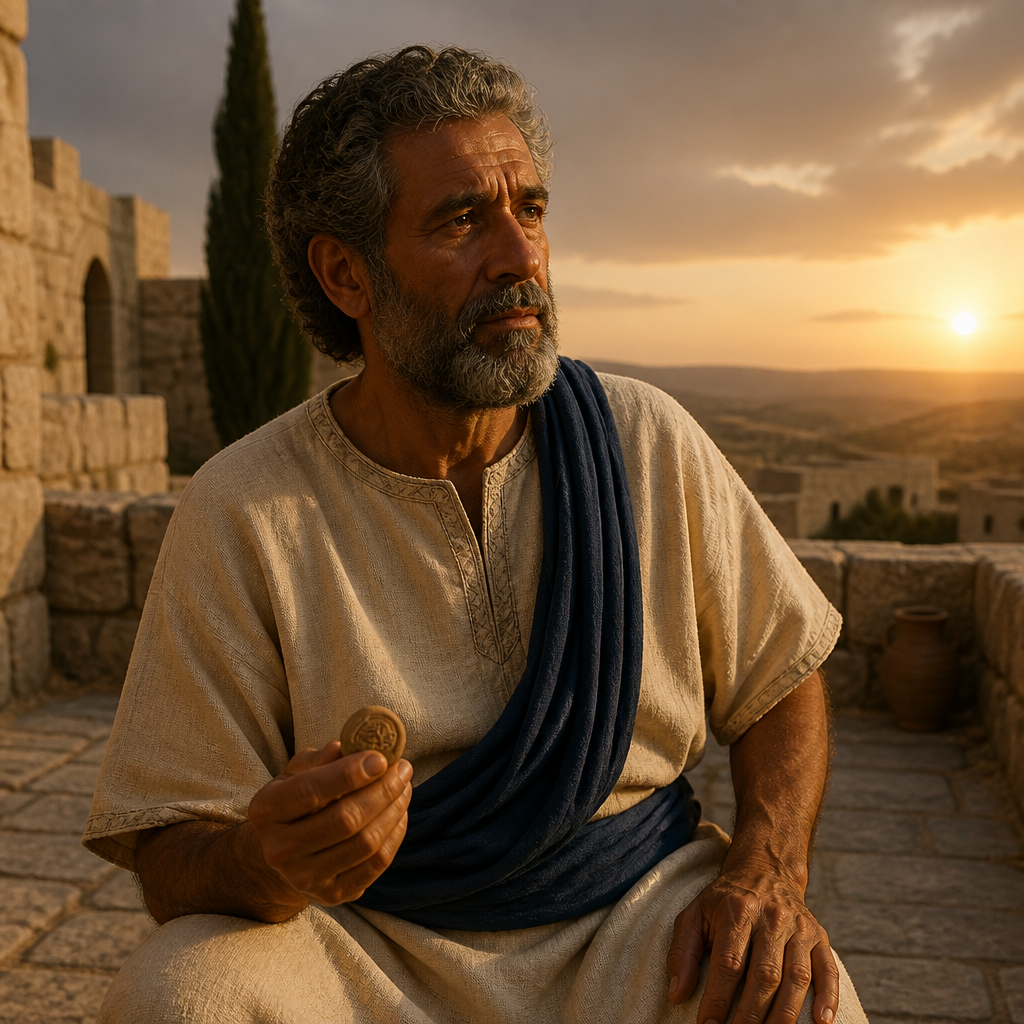 Elah, Father of HosheaThis page
Children
 Hoshea, son of ElahSon2 Kings 15:30Stated
Connected Figures
Family
Son · 2 Kings 15:30
The final king of the Northern Kingdom of Israel who reigned in Samaria before its total destruction and the Assyrian captivity.
Divided MonarchyFirst: 2 Kings 15:308 versesKing of Israel
Categories
Mentions by Book
- 2 Kings4
Scripture References
All 4 indexed verses, in canonical order, from the Berean Standard Bible.
2 Kings · 4
- 2 Kings 15:30
Then Hoshea son of Elah led a conspiracy against Pekah son of Remaliah. In the twentieth year of Jotham son of Uzziah, Hoshea attacked Pekah, killed him, and reigned in his place.
- 2 Kings 17:1
In the twelfth year of the reign of Ahaz over Judah, Hoshea son of Elah became king of Israel, and he reigned in Samaria nine years.
- 2 Kings 18:1
In the third year of the reign of Hoshea son of Elah over Israel, Hezekiah son of Ahaz became king of Judah.
- 2 Kings 18:9
In the fourth year of Hezekiah’s reign, which was the seventh year of the reign of Hoshea son of Elah over Israel, Shalmaneser king of Assyria marched against Samaria and besieged it.
Others Named Elah
Compare all 5 bearers →Elah, Son of Uzzi1 Chronicles 9:8
A Benjaminite head of a household who settled in Jerusalem during the period of the return from the Babylonian exile.
Elah, Son of Caleb1 Chronicles 4:15
A descendant of Judah and son of the famous spy Caleb who established a lineage within the patriarchal structure of Israel.
Elah, Chief of EdomGenesis 36:41
Elah was a clan leader and chief of the Edomites, descended from Esau, who governed a specific territorial region in the land of Seir during the Patriarchal Period.
Elah, Son of Baasha1 Kings 16:6
Elah was the fourth king of the northern kingdom of Israel who reigned for two years before being assassinated by his commander, Zimri, during a drinking bout.