Dodavahu
Who was Dodavahu in the Bible?
The father of the prophet Eliezer, known for his association with the town of Mareshah during the Divided Monarchy.
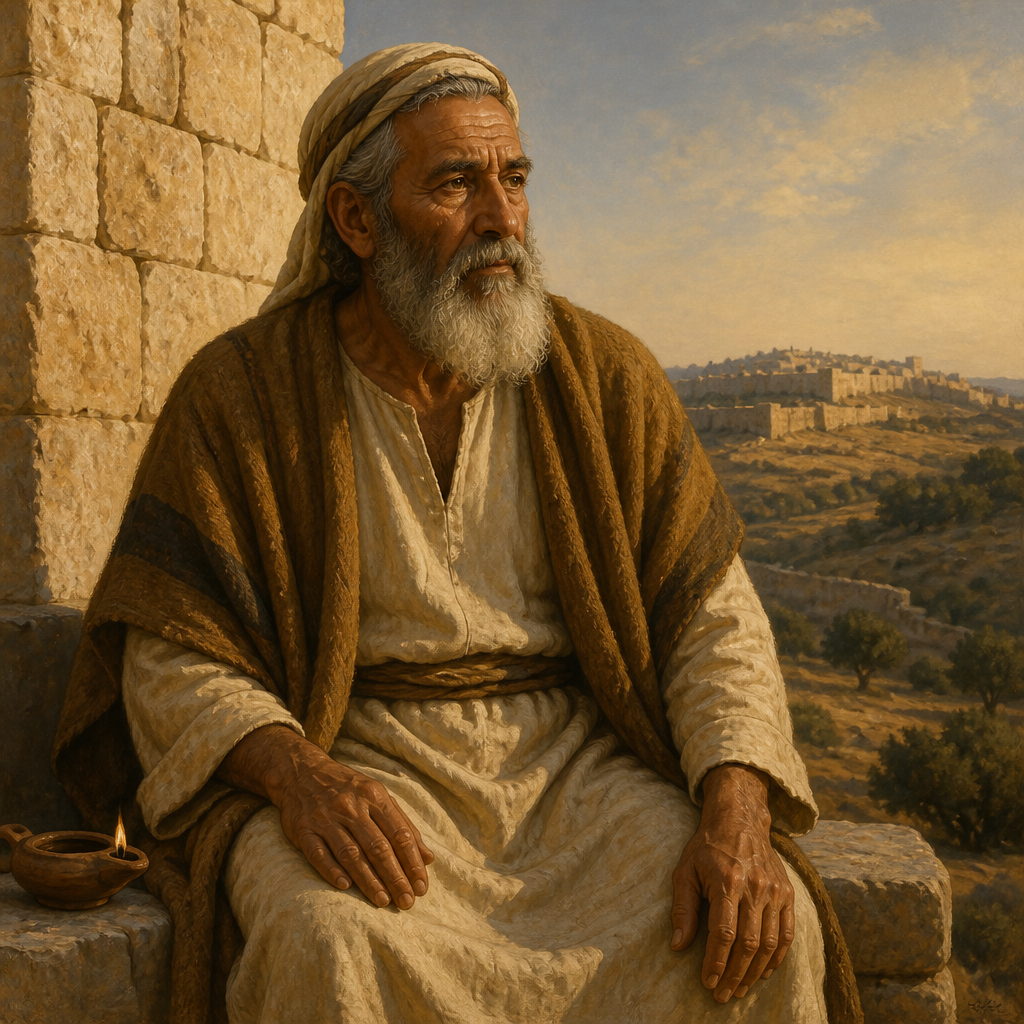
Dodavahu is a minor biblical figure mentioned exclusively in the second book of Chronicles. He lived during the Divided Monarchy, a period characterized by the split of the original United Kingdom of Israel into the Northern Kingdom (Israel) and the Southern Kingdom (Judah). Dodavahu is identified as being from Mareshah, a strategic town located in the Shephelah, or the western foothills of Judah.
While the biblical record provides no details regarding Dodavahu’s personal occupation or specific deeds, his historical significance is preserved through the ministry of his son, Eliezer. During the reign of King Jehoshaphat of Judah (c. 873–848 BC), Dodavahu’s lineage became the vehicle for a divine message concerning the king’s ill-fated maritime alliance with the Northern Kingdom.
Background and Family
Dodavahu is introduced in the biblical text solely as the father of Eliezer of Mareshah. The name Dodavahu is often translated from Hebrew as "beloved of Yahweh" or "love of Jehovah," reflecting a common theophoric naming tradition in ancient Judah. His residence in Mareshah is a detail of geographical importance; Mareshah was one of the fortified cities rebuilt and strengthened by King Rehoboam (2 Chronicles 11:8) and served as a vital defensive outpost against invaders from the coastal plains. The mention of Dodavahu’s specific hometown suggests he may have belonged to a family of some local standing or recognized lineage within the tribe of Judah, though the text does not explicitly name his tribal affiliation.
Major Life Events
The biblical record does not preserve any specific actions performed by Dodavahu himself. His appearance in the text is entirely genealogical, serving to establish the credentials of his son, Eliezer. However, the timing of his life places him during the mid-9th century BC, a tumultuous era defined by the shifting alliances between the two Hebrew kingdoms. Because his son was a prophet active during the end of Jehoshaphat’s reign, Dodavahu likely witnessed the military and economic fluctuations of Judah, including the aftermath of the Battle of Ramoth-gilead.
Relationship to Other Biblical Figures
Dodavahu’s primary relationship recorded in Scripture is his role as the parent of Eliezer. Through his son, Dodavahu is indirectly linked to two major monarchs: King Jehoshaphat of Judah and King Ahaziah of Israel. Eliezer delivered a stinging rebuke to Jehoshaphat for entering into a commercial partnership with the wicked Ahaziah to build a fleet of trading ships in Ezion-geber. As the father of this prophet, Dodavahu’s name is inextricably tied to the divine judgment that resulted in the wrecking of those ships, preventing them from ever reaching Tarshish.
Spiritual Significance
In the context of the Chronicler’s narrative, Dodavahu represents the heritage of the prophetic voice in Judah. While many prophets in the Old Testament are introduced without lineage, the inclusion of Dodavahu’s name lends historical weight and familial legitimacy to Eliezer’s message. He is a reminder that even individuals whose personal lives are not detailed in the canon play a role in the spiritual landscape by raising the next generation of God’s spokesmen. His presence in the text ensures that the prophecy against Jehoshaphat’s compromise is anchored to a specific Judean family and location.
Dodavahu’s significance lies in his role as the progenitor of a prophet. In the Old Testament, the identification of a father often serves to validate the social and religious standing of the son. By recording Dodavahu of Mareshah as the father of Eliezer, the author of Chronicles provides a formal identification for the man who would confront King Jehoshaphat. This highlights the importance of the town of Mareshah as a site of prophetic activity during the Divided Monarchy.
Theologically, Dodavahu is part of the broader narrative concerning the dangers of unholy alliances. Although he is a passive figure in the text, his name is preserved in the context of one of the final lessons of Jehoshaphat's reign: that material success (symbolized by the ships of Tarshish) cannot be achieved through partnership with those who have abandoned the Lord.
Frequently Asked Questions
Who was Dodavahu's son?
Dodavahu's son was Eliezer of Mareshah, a prophet who spoke against King Jehoshaphat.
Where was Dodavahu from?
Dodavahu was from the town of Mareshah in the region of Judah.
In which book of the Bible is Dodavahu mentioned?
Dodavahu is mentioned only in 2 Chronicles 20:37.
What does the name Dodavahu mean?
The name is generally understood to mean 'beloved of Yahweh' or 'love of Jehovah'.
What happened to the work of Dodavahu's son's target?
Because of Eliezer's prophecy regarding the alliance with Ahaziah, the ships King Jehoshaphat built were wrecked and unable to sail.
Family & Relationships
 DodavahuThis page
Children
 Eliezer, Son of DodavahuSon2 Chronicles 20:37Stated
Connected Figures
Family
Son · 2 Chronicles 20:37
A prophet from Mareshah who condemned King Jehoshaphat’s maritime alliance with the wicked King Ahaziah of Israel.
Categories
Mentions by Book
- 2 Chronicles1
Scripture References
All 1 indexed verse, in canonical order, from the Berean Standard Bible.
2 Chronicles · 1
- 2 Chronicles 20:37
Then Eliezer son of Dodavahu of Mareshah prophesied against Jehoshaphat, saying, “Because you have allied yourself with Ahaziah, the LORD has destroyed your works.” So the ships were wrecked and were unable to sail to Tarshish.