Amasai, Father of Mahath
Who was Amasai, Father of Mahath, in the Bible?
A Levite of the Kohathite line whose son, Mahath, participated in the spiritual reforms and temple cleansing under King Hezekiah.
This is one of 4 people named Amasai in the Bible. See all 4 →
Amasai was a member of the tribe of Levi, specifically descending from the Kohathite clan. He lived during the era of the Divided Monarchy in the southern Kingdom of Judah. While the biblical text provides limited personal details about his individual life, his lineage is recorded within the context of the religious restoration spearheaded by King Hezekiah in the late 8th century BC.
He is primarily identified in the historical record as the father of Mahath. His inclusion in the genealogical lists of 2 Chronicles serves to establish the priestly and Levite credentials of those who were authorized to handle the sanctification of the Temple after a period of systemic neglect and idolatry.
Background and Family
Amasai belonged to the Kohathites, one of the three primary divisions of the Levites (alongside the Gershonites and Merarites). The Kohathites were historically assigned the most sacred duties regarding the transport and care of the tabernacle furniture and the most holy objects. During the Divided Monarchy, these family lines remained essential for maintaining the liturgical order of the Jerusalem Temple. Amasai's specific place in the chronology is tethered to the reign of King Hezekiah of Judah (c. 715–686 BC). He is explicitly identified as the father of Mahath, a Levite who rose to prominence during the king's national call to repentance.
Major Life Events
The biblical record mentions Amasai exclusively in the context of Hezekiah’s first year of reign. Following the reign of Ahaz, who had closed the doors of the Temple and promoted pagan worship, Hezekiah sought to reopen and sanctify the House of the Lord. To accomplish this, he summoned the Levites to consecrate themselves and clean the sanctuary.
While the text does not record Amasai performing the physical labor himself—implying he may have been of an older generation or deceased by the time of the actual cleansing—his son Mahath is listed as one of the first to respond to the royal decree. The mention of Amasai in 2 Chronicles 29:12 highlights his role in a specific lineage of faithful Levites who maintained their identity despite the spiritual decline of the preceding years.
Relationship to Other Biblical Figures
Amasai’s primary relationship in the text is with his son, Mahath. Mahath is recorded alongside other Kohathite leaders, such as Joel son of Azariah, indicating that Amasai’s family held a position of recognized status within the Kohathite division. By extension, Amasai’s household was under the authority of King Hezekiah, whose mandate for reform required the participation of specific Levite heads to validate the process of re-sanctifying the altar and the holy vessels.
Spiritual Significance
The significance of Amasai lies in the continuity of the Levite priesthood. In the Chronicler's perspective, genealogies were not merely lists of names but proof of divine order and covenantal faithfulness. By recording Amasai as the father of a reformer, the text emphasizes that even during times of national apostasy (such as under King Ahaz), Levite families preserved their heritage so they could be ready when a time of renewal arrived. Amasai represents the link in a chain of service that enabled the restoration of biblical worship in Judah.
Amasai serves as a genealogical marker for the Kohathite Levites during the Hezekian reforms. His inclusion in the text ensures the legitimacy of his son Mahath's service, confirming that the men leading the Temple's restoration were of the proper bloodline as mandated by the Mosaic Law. In the broader context of 2 Chronicles, he represents the quiet endurance of Levite families who remained distinct even when the Temple they were called to serve was shuttered by a wicked king.
Frequently Asked Questions
Who was Amasai's son?
Amasai's son was Mahath, a Kohathite Levite who helped cleanse the Temple during King Hezekiah's reign.
In which book of the Bible is this Amasai mentioned?
This specific Amasai is mentioned in the book of 2 Chronicles, specifically in chapter 29, verse 12.
What was Amasai's tribe?
Amasai belonged to the tribe of Levi, specifically within the Kohathite clan.
During which king's reign did Amasai's family serve?
His family is recorded serving during the reign of King Hezekiah of Judah in the late 8th century BC.
Did Amasai personally cleanse the Temple?
The Bible does not state that Amasai personally cleansed the Temple; rather, it records that his son, Mahath, was the one who set to work on the task.
Family & Relationships
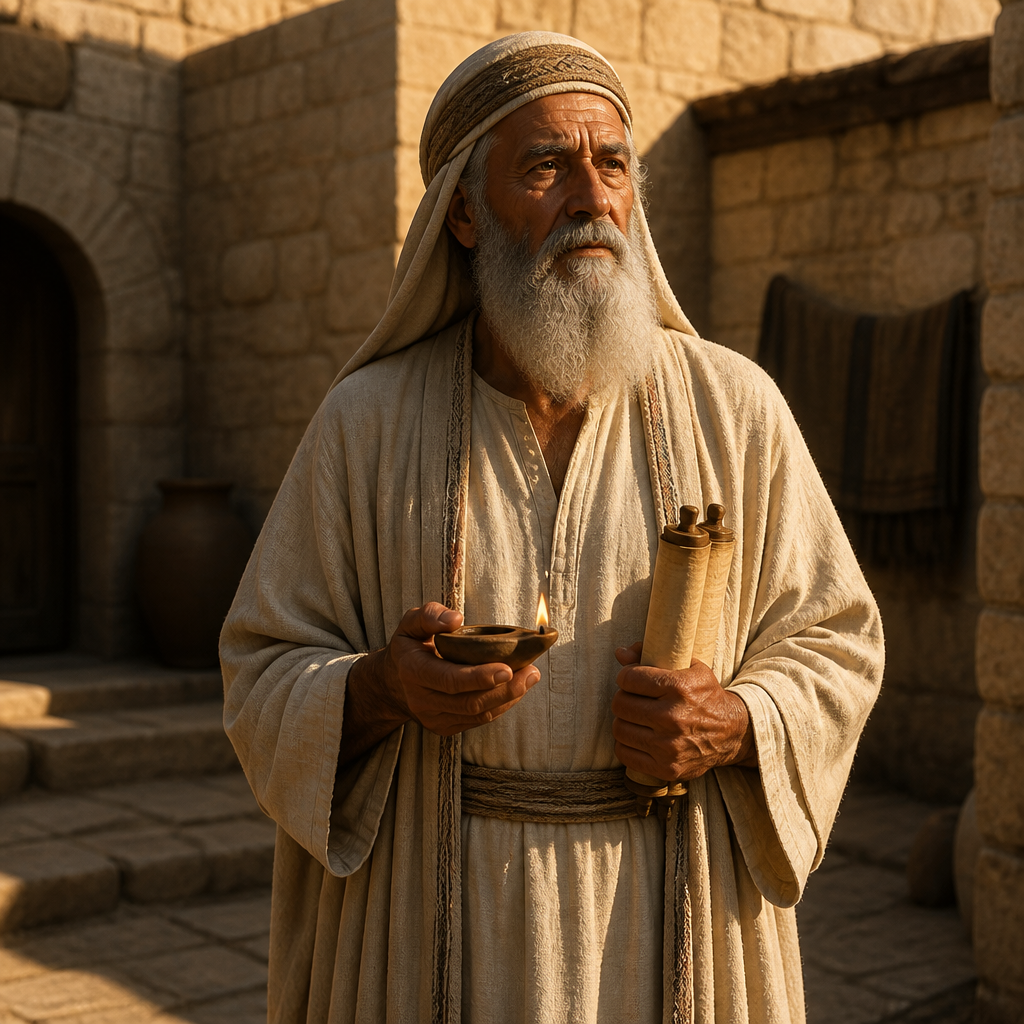 Amasai, Father of MahathThis page
Children
 Mahath, Levite of the Divided MonarchySon2 Chronicles 29:12Stated
Connected Figures
Family
Son · 2 Chronicles 29:12
A Kohathite Levite who participated in the spiritual purification of the temple during the religious reforms of King Hezekiah.
Divided MonarchyFirst: 2 Chronicles 29:121 versesLevite and temple administratorLevi
Categories
Mentions by Book
- 2 Chronicles1
Scripture References
All 1 indexed verse, in canonical order, from the Berean Standard Bible.
2 Chronicles · 1
- 2 Chronicles 29:12
Then the Levites set to work: Mahath son of Amasai and Joel son of Azariah from the Kohathites; Kish son of Abdi and Azariah son of Jehallelel from the Merarites; Joah son of Zimmah and Eden son of Joah from the Gershonites;
Others Named Amasai
Compare all 4 bearers →Amasai, Priest of the United Monarchy1 Chronicles 15:24
Amasai was a Levite priest selected to blow the trumpet before the Ark of the Covenant during its ceremonial transport to Jerusalem during the United Monarchy period.
Amasai, Levite of the Ancestral Line1 Chronicles 6:25
A Levite of the Kohathite line who lived and is recorded in the genealogical registers of the tribe of Levi.
Amasai, Chief of the Thirty1 Chronicles 12:18
A military leader who pledged the loyalty of a band of warriors to David at Ziklag under the inspiration of the Holy Spirit.