Ahimoth
Who was Ahimoth in the Bible?
Ahimoth was a Levite of the Kohathite clan who served in the priestly lineage during the era of the conquest and the judges.
Ahimoth was a member of the Tribe of Levi, specifically descending from the line of Kohath. His presence in the biblical record is found within the genealogical registers of 1 Chronicles, which serve to validate the heritage and legitimacy of those serving in the Temple. As a son of Amasai and a father to Elkanah, Ahimoth occupies a specific link in a long chain of Levites dedicated to the service of God.
While personal details regarding his individual deeds are absent from the text, his inclusion in the chronicler’s record highlights the continuity of the Levitical service through the era of the era of the conquest and the judges. The maintenance of these records ensured that the sacred duties of the sanctuary remained in the hands of the divinely appointed families.
Background and Family
Ahimoth is identified in the Old Testament as a descendant of Kohath, one of the three primary branches of the Tribe of Levi (1 Chronicles 6:25). The Kohathites held a position of high responsibility within the Israelite religious structure, originally tasked with the care and transport of the most sacred elements of the Tabernacle, including the Ark of the Covenant. By the time of the era of the conquest and the judges, the period in which Ahimoth lived, these roles had transitioned into specialized Temple service.
The genealogical record explicitly names Amasai as his father. Ahimoth, in turn, is listed as the father of Elkanah. This lineage is part of a broader effort by the author of Chronicles to trace the ancestry of the singers and ministers who facilitated the worship life of Israel. The repetition of names like Elkanah and Amasai within these lists suggests a strong tradition of naming children after their ancestors, a common practice among the priestly classes to preserve family identity.
Major Life Events
The biblical text provides no narrative accounts of specific events in Ahimoth’s life. Unlike figures such as David or Elijah, who are defined by their actions, Ahimoth is defined by his position. In the context of 1 Chronicles 6, his "event" is his place in the succession of the Levites. The chronicler emphasizes the order of these generations to demonstrate that despite the political upheaval of the era of the conquest and the judges, the spiritual infrastructure of the nation remained intact.
Ahimoth likely lived a life governed by the rhythmic requirements of the Levitical law. This would have included specific times of service at the Temple in Jerusalem, participation in the annual festivals, and the teaching of the Law to the surrounding communities. His life represents the thousands of unnamed but essential workers who maintained the religious life of the people of Judah.
Relationship to Other Biblical Figures
Ahimoth stands in direct relation to his father, Amasai, and his son, Elkanah. The name Amasai appears frequently in Levitical lists, often associated with men of strength or leadership. His son, Elkanah, shares a name with the father of the prophet Samuel, though they are distinct individuals separated by time.
Spiritual Significance
The spiritual significance of Ahimoth lies in the concept of faithful continuity. The Chronicler includes figures like Ahimoth to prove that God’s covenant with Levi (Malachi 2:4-5) was being honored through specific, identifiable men. Even though the Bible records no sermons or miracles attributed to him, his existence is a testimony to the preservation of the sacred line. In the biblical worldview, to be remembered by name in the inspired record is an honor that denotes a life lived in accordance with the divine order of the covenant community.
Ahimoth's significance is primarily genealogical and structural. He serves as a vital link in the Kohathite lineage during the era of the conquest and the judges, ensuring the continuity of the Levitical priesthood. His inclusion in the Book of Chronicles emphasizes the importance of legitimate heritage and the meticulous preservation of the roles assigned to the Tribe of Levi, which were essential for the maintenance of Temple worship and the spiritual life of Israel.
Theologically, Ahimoth represents the 'unsung' faithful. His presence in the scriptures reminds readers that the history of redemption is not only carried by prominent kings and prophets but also by those who quietly fulfilled their ancestral duties in the service of the Lord. He stands as a witness to God's faithfulness in sustaining the priestly line across centuries of national turmoil.
Frequently Asked Questions
Which tribe did Ahimoth belong to?
Ahimoth belonged to the Tribe of Levi, specifically the clan of the Kohathites.
Who was Ahimoth's father?
According to 1 Chronicles 6:25, Ahimoth was the son of Amasai.
In which book of the Bible is Ahimoth mentioned?
Ahimoth is mentioned exclusively in the book of 1 Chronicles, in the genealogical lists of chapter 6.
Did Ahimoth have any children?
Yes, 1 Chronicles 6:25 identifies Ahimoth as the parent of Elkanah.
Family & Relationships
Parents
 Amasai, Levite of the Ancestral LineFather1 Chronicles 6:25
Inferred
1 Chronicles 6:25 lists Amasai and Ahimoth among the descendants of elkanah, but does not say how the two of them are related.Evidence: 1 Chronicles 6:25
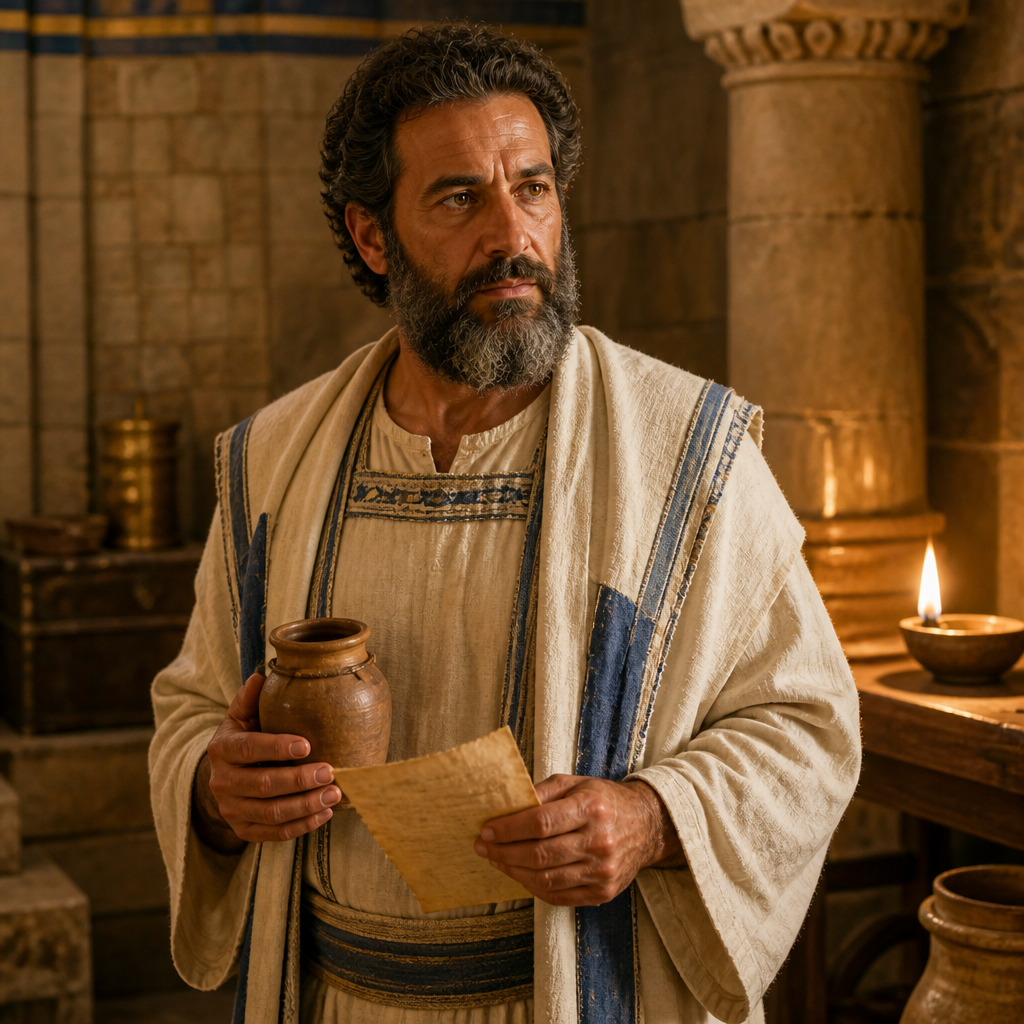 AhimothThis page
Children
 Elkanah, Ancestor of HemanSon1 Chronicles 6:25
Inferred
1 Chronicles 6:25 lists Ahimoth and Elkanah among the descendants of elkanah, but does not say how the two of them are related.Evidence: 1 Chronicles 6:25
Extended family
 KohathAncestorGenesis 46:11
Inferred
No verse names Kohath and Ahimoth together; the descendant link is carried from the surrounding genealogy and is not stated in Scripture.Evidence: Genesis 46:11
Connected Figures
Family
Father · 1 Chronicles 6:25
A Levite of the Kohathite line who lived and is recorded in the genealogical registers of the tribe of Levi.
Conquest and JudgesFirst: 1 Chronicles 6:252 versesLevite of the Kohathite clanLevi
Son · 1 Chronicles 6:25
A Levite of the era of the conquest and the judges who appears in the Kohathite genealogical records as the son of Ahimoth and father of Zuph.
Conquest and JudgesFirst: 1 Chronicles 6:263 versesLeviteLevi
Ancestor · Genesis 46:11
Kohath was the second son of Levi and the patriarchal ancestor of the Kohathites, the Levite clan responsible for transporting the most holy objects of the Tabernacle.
Egypt and WildernessFirst: Genesis 46:1123 versesPatriarch of the Kohathite clanLevi
Mentions by Book
- 1 Chronicles2
Scripture References
All 2 indexed verses, in canonical order, from the Berean Standard Bible.
1 Chronicles · 2
- 1 Chronicles 6:25
The descendants of Elkanah: Amasai, Ahimoth,
- 1 Chronicles 6:35
the son of Zuph, the son of Elkanah, the son of Mahath, the son of Amasai,