
People of 2 John
Every person who appears in the book of 2 John, ordered by how often they are mentioned there.
The People of 2 John are identified within a brief correspondence addressed from an unnamed figure calling himself the elder to an elect lady and her children. The author states that he loves these individuals in truth and that this sentiment is shared by all who have known the truth (2 John 1:1). The text describes the children as walking in truth according to a commandment received from the Father (2 John 1:4). Central to the letter’s theological framework is Jesus, who is identified as the Son of the Father (2 John 1:3). The author emphasizes that grace, mercy, and peace come from both the Father and Jesus (2 John 1:3).
The narrative focuses heavily on the relationship between these followers and those who oppose their teachings. The author warns of many deceivers who have gone out into the world and do not confess the coming of Jesus in the flesh (2 John 1:7). Such a person is labeled as the deceiver and the antichrist (2 John 1:7). The text instructs the recipients not to receive anyone into their house or give them a greeting if they do not bring the specific teaching of Christ (2 John 1:10). To support such a person is described as taking part in their wicked works (2 John 1:11).
The letter concludes with a mention of personal connections and future intentions. The elder expresses a desire to visit the recipients and speak face to face so that their joy may be complete, rather than continuing to write with paper and ink (2 John 1:12). He closes the message by sending greetings from the children of the elect sister of the recipient (2 John 1:13). The text does not say the specific names of the lady, her sister, or the children, nor does it provide the geographical location of the parties involved.
This short document functions as a communal warning regarding the boundaries of hospitality and doctrinal fidelity. By focusing on the identity of Jesus as a physical reality, the text establishes a criteria for fellowship among the early believers. It portrays a network of small communities connected by traveling teachers and shared letters, where the act of welcoming a guest was seen as a direct endorsement of that guest's message. The mention of the elect lady and her sister suggests a parallel structure between different households or congregations within the early Christian movement.
Everyone in this list
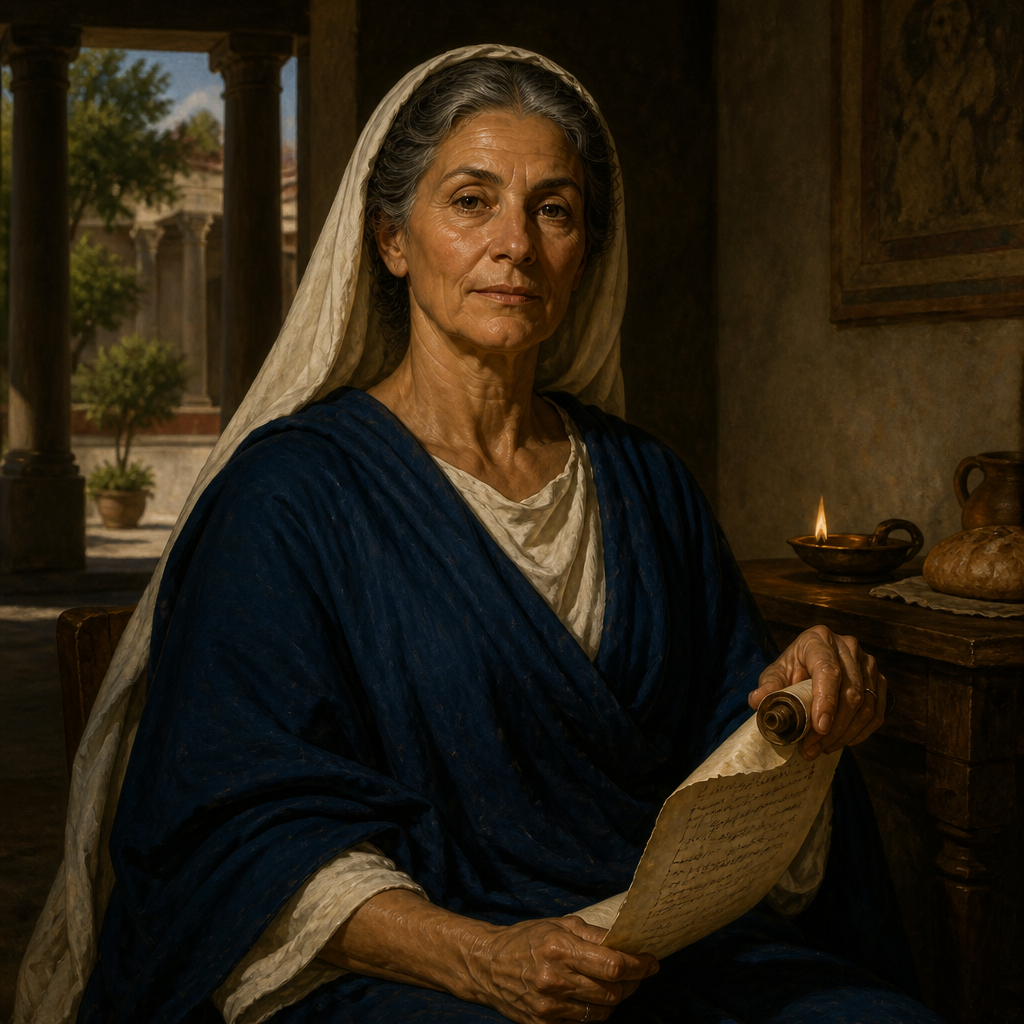
The Elect Lady
Recipient of the Second Epistle of John and guardian of the faith

The Children of the Elect Lady
Early Christian community members commended by the Apostle John for walking in the truth
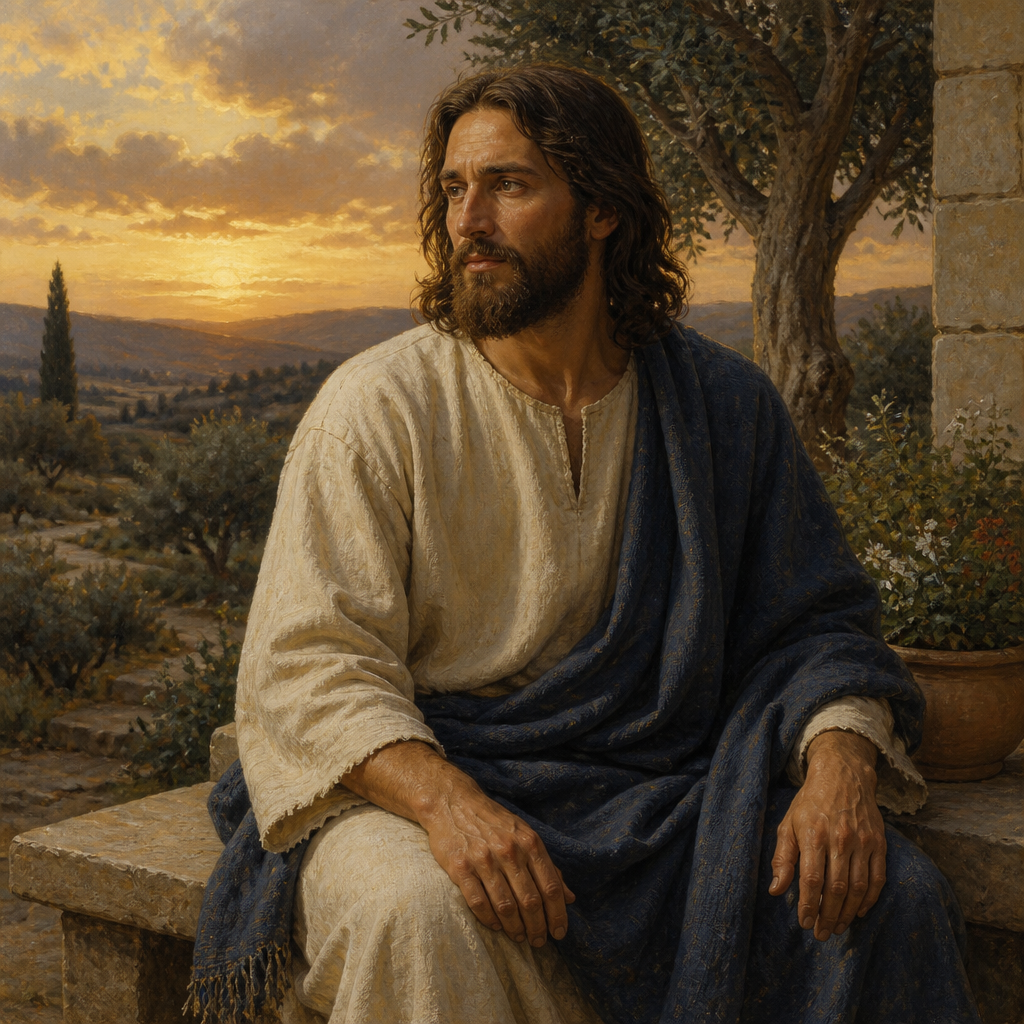
Jesus
Messiah and central figure of the New Testament whose life, death, and resurrection form the basis of the Christian faith

The Elect Lady's Sister
Symmetric figure to the Elect Lady whose children's greetings conclude the Second Epistle of John
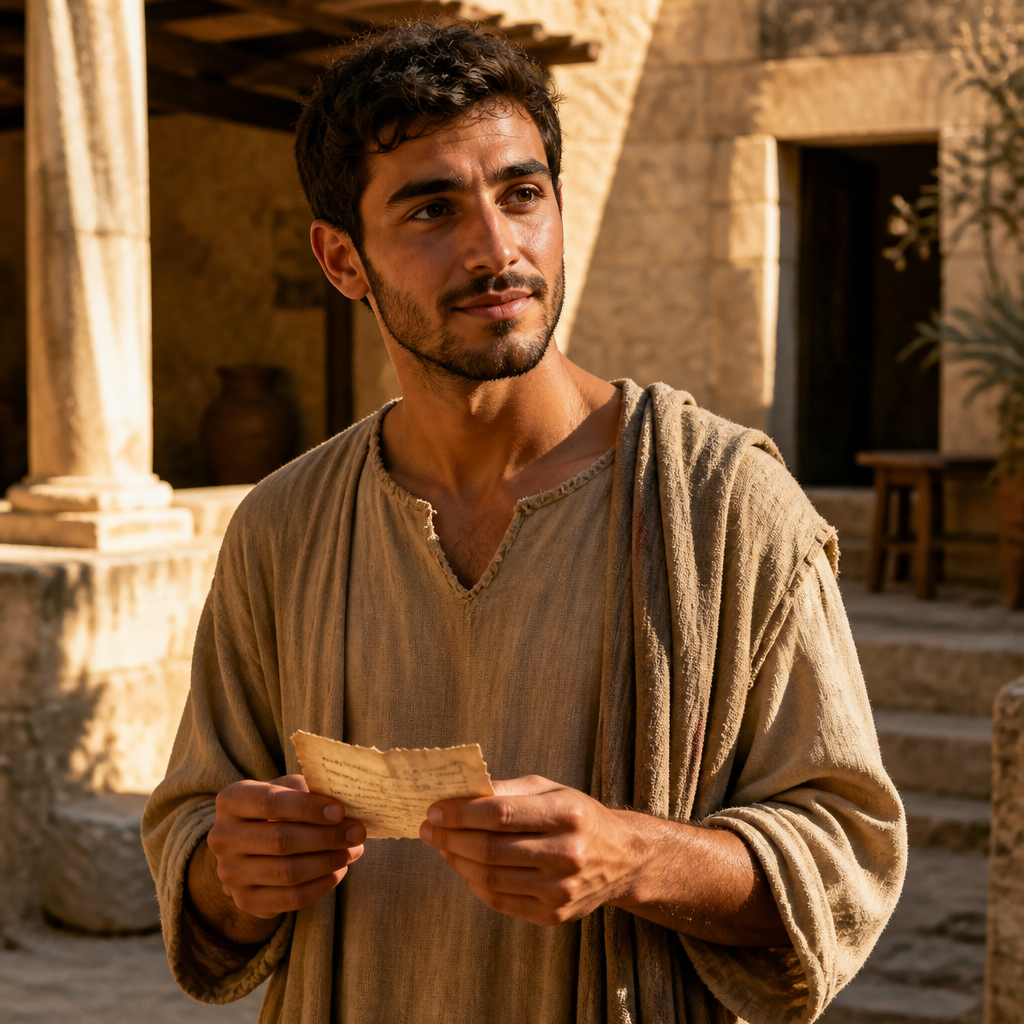
The Children of the Elect Lady's Elect Sister
group of early believers who sent greetings in the Second Epistle of John
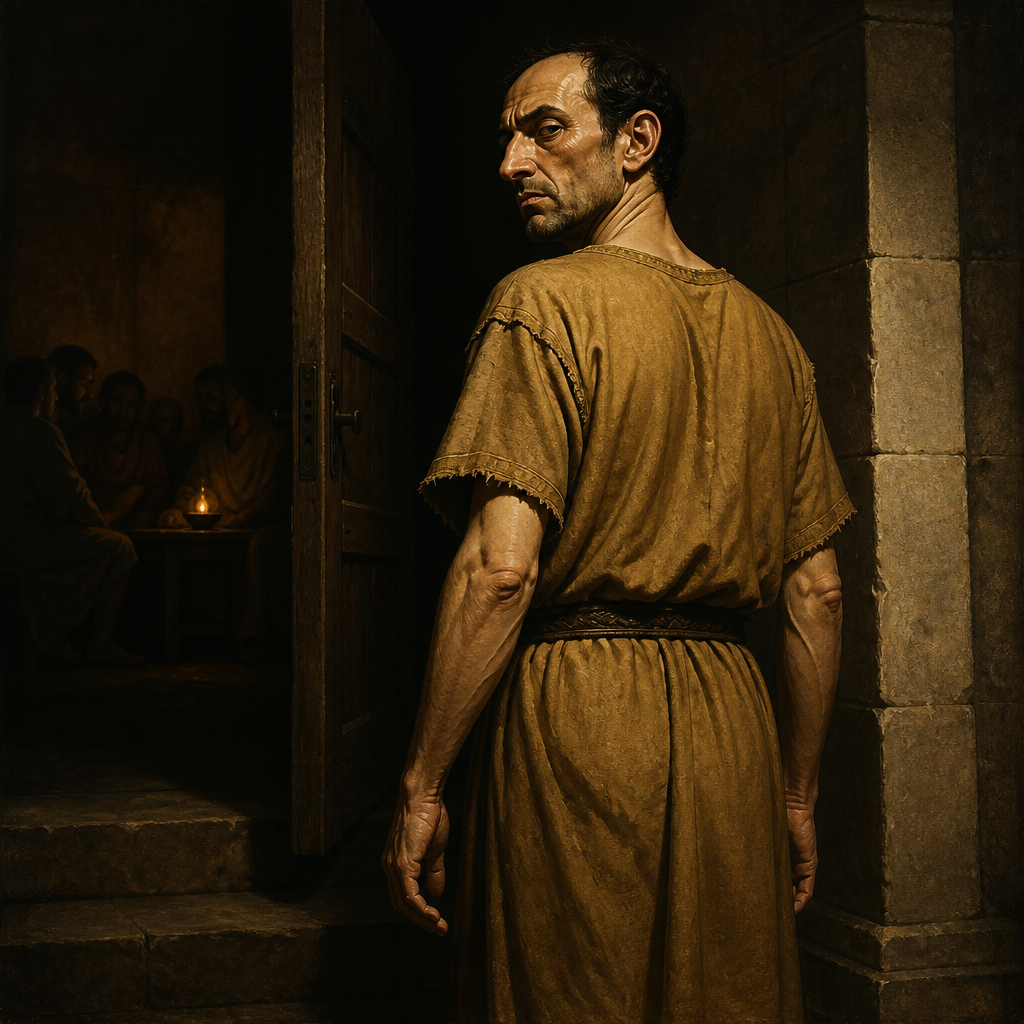
Antichrists
Apostates who abandoned the early church to deny the incarnation of Jesus Christ