
John's Epistle Network
A network of early Christian house churches and individuals connected by the letters and pastoral oversight of John the Presbyter.
The group of individuals and communities known as John's Epistle Network appears in the brief, personal correspondence of the Second and Third Epistles of John. These letters address a specific circle of early believers and house churches under the pastoral oversight of a writer who identifies himself as the Elder. The correspondence focuses on the themes of hospitality, doctrinal integrity, and the practical logistics of supporting traveling ministers within the burgeoning Christian movement.
The network is organized around specific households and traveling representatives who maintain communication between the Elder and his congregations. The Elect Lady is the primary recipient of the second letter, addressed as one chosen by God and exhorted to remain in the teachings of Christ (2 John 1:1–9). The Children of the Elect Lady are members of her community whom the Elder finds walking in the truth (2 John 1:4). The Elect Lady's Sister is mentioned at the conclusion of the letter, and her own children, The Children of the Elect Lady's Elect Sister, send their greetings to the recipient (2 John 1:13). In the third letter, Gaius is commended for his faithfulness and for providing lodging to those who labor for the sake of the name (3 John 1:1–6). Demetrius is a specific individual who carries a good testimony from everyone and from the truth itself, serving as a reliable messenger for the Elder (3 John 1:12).
The internal dynamics of the group rely heavily on the movement of people and the sharing of resources. The Brothers are traveling missionaries who set out for the sake of the name and receive no support from non-believers, making them dependent on the network for their needs (3 John 1:3–7). The Elder encourages Gaius to send these travelers on their journey in a manner worthy of God. Additionally, The Friends (Johannine Network) represent the broader community of believers who exchange greetings through the Elder, signifying a close-knit bond of mutual recognition and support (3 John 1:14).
These letters provide a window into the administrative and relational challenges of the early church. The network functions as a protective barrier against teachers who do not bring the doctrine of Christ, as the Elder instructs the Elect Lady not to receive such people into her house (2 John 1:10–11). By documenting the interactions between Gaius, Demetrius, and the various households, the text illustrates how personal letters served to validate the authority of traveling ministers and maintain theological unity across different geographical locations.
Everyone in this list
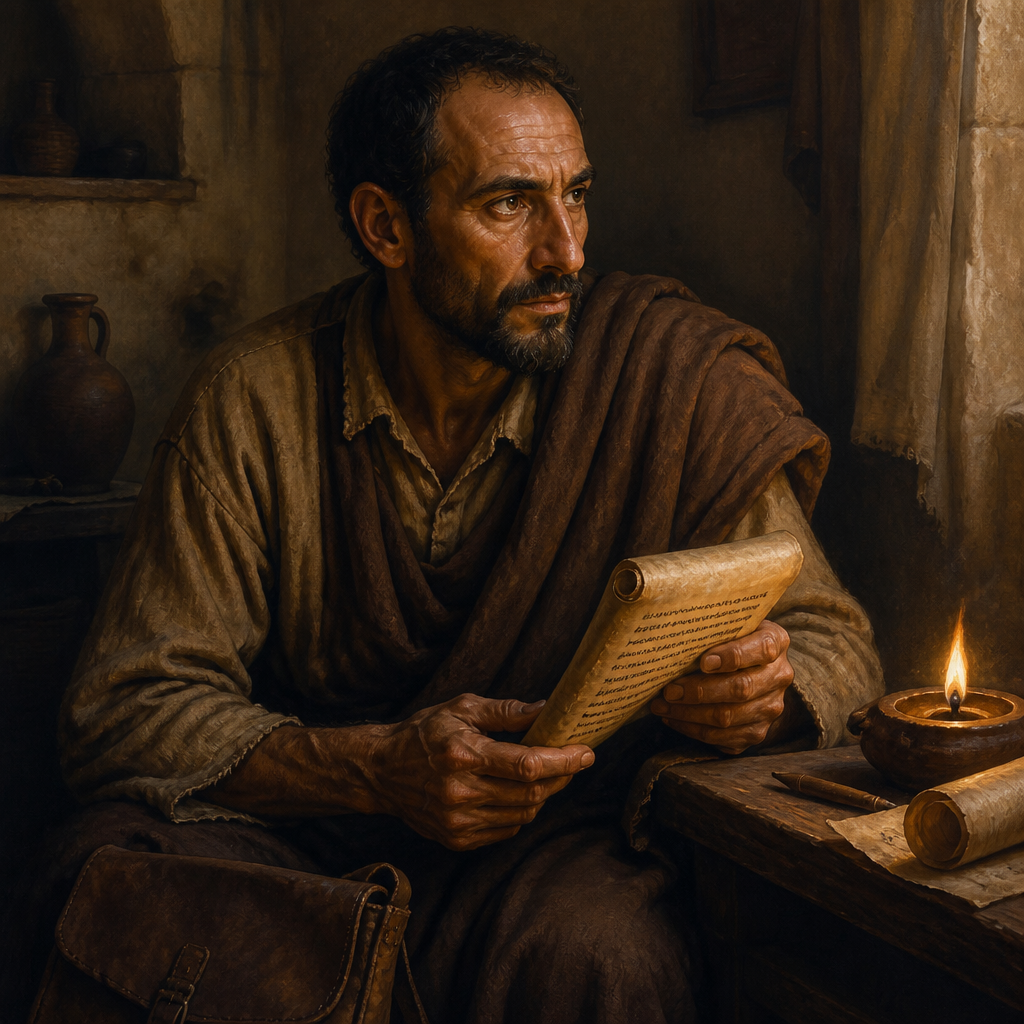
The Brothers
Traveling missionaries associated with the Elder who were given testimony of their faithfulness

The Children of the Elect Lady
Early Christian community members commended by the Apostle John for walking in the truth

The Children of the Elect Lady's Elect Sister
group of early believers who sent greetings in the Second Epistle of John

Demetrius
Christian messenger praised by the Apostle John for his integrity and good report

The Elect Lady
Recipient of the Second Epistle of John and guardian of the faith

The Elect Lady's Sister
Symmetric figure to the Elect Lady whose children's greetings conclude the Second Epistle of John

The Friends (Johannine Network)
Network of early Christians who supported the Apostle John and practiced radical hospitality

Gaius, Recipient of 3 John
Christian host commended by the Apostle John for his hospitality and faithfulness to the truth