Harumaph
Who was Harumaph in the Bible?
The father of Jedaiah, a worker who participated in the reconstruction of Jerusalem's walls under Nehemiah.
Harumaph is a minor figure mentioned in the Old Testament, specifically within the records of the post-exilic return to Jerusalem. He is identified exclusively through the work of his son, Jedaiah, who was among the various families and individuals tasked with rebuilding the city's defenses following the Babylonian captivity.
Though Harumaph's personal history is not detailed in the biblical text, his inclusion in the genealogical records of Nehemiah serves as a historical marker for his family's lineage and their commitment to the restoration of the Jewish community in the 5th century BC. His name appears in the context of the organized labor effort overseen by Nehemiah, the governor of Judah.
Background and Family
Harumaph lived during the Post-Exilic Period, an era defined by the return of Jewish captives from Babylon to Jerusalem under the decrees of Persian kings. His name in Hebrew, Charumaph, is traditionally interpreted by linguists to mean "slit-nosed" or "flat-nosed," though the significance of this meaning—whether it was a literal physical trait or a family name—is not clarified in the text. His specific tribal affiliation is not explicitly stated in the Book of Nehemiah, though his son's placement near the priestly repairs may suggest a connection to the clerical class or the residents of Jerusalem.
Major Life Events
The primary record of Harumaph occurs in Nehemiah 3, a chapter that serves as a meticulous log of the various groups and individuals who repaired specific sections of the wall of Jerusalem. Harumaph is mentioned as the father of Jedaiah.
"Next to him, Jedaiah son of Harumaph made repairs across from his house; and next to him, Hattush son of Hashabneiah made repairs." (Nehemiah 3:10, BSB)
This labor was part of a massive civil project initiated in 444 BC to secure the city against surrounding adversaries. While the text focuses on Jedaiah's physical labor, it utilizes Harumaph's name to establish Jedaiah's identity and social standing within the community.
Relationship to Other Biblical Figures
Harumaph’s only recorded relationship is with his son, Jedaiah. The placement of Jedaiah’s work is significant; he repaired the section "across from his house." This indicates that Harumaph was part of a household that owned property within the city of Jerusalem during the time of Nehemiah's governorship. Harumaph is listed alongside other contemporary builders such as Hattush, son of Hashabneiah, providing a snapshot of the collaborative effort of the returned exiles.
Spiritual Significance
In the context of the Nehemiah narrative, Harumaph represents the generational continuity of the Jewish people. His mention, though brief, contributes to the biblical theme of the "remnant"—those who survived the exile and returned to fulfill the covenantal task of restoring the holy city. By appearing in the list of builders' fathers, he is immortalized as part of the faithful community that prioritized the restoration of Jerusalem's security and the sanctity of the temple environment.
Harumaph's significance lies in his role within the genealogical preservation of the post-exilic community. His name is included in the 'Wall Builders' list, which serves as a theological testament to the importance of every family in the reconstruction of God's city. It underscores the biblical principle that individual families contributed to the corporate health and safety of the nation.
Furthermore, Harumaph is an example of the many individuals who, while not performing the primary recorded action themselves, provided the lineage and household structure that enabled the next generation to serve the needs of the faith community during a critical turning point in Israel's history.
Frequently Asked Questions
What does the name Harumaph mean?
The name Harumaph is derived from Hebrew roots meaning 'slit-nosed' or 'having a mutilated nose.'
In which book of the Bible is Harumaph mentioned?
Harumaph is mentioned only in the Book of Nehemiah, specifically in chapter 3, verse 10.
What was Harumaph's role in the rebuilding of Jerusalem?
Harumaph himself is not credited with the labor; rather, his son Jedaiah performed the repairs on the wall of Jerusalem 'across from his house.'
Who was Harumaph's son?
His son was Jedaiah, one of the workers listed in Nehemiah's record of the wall's reconstruction.
To which tribe did Harumaph belong?
The Bible does not specify Harumaph's tribe, though he was part of the community of returned exiles in Judah.
Family & Relationships
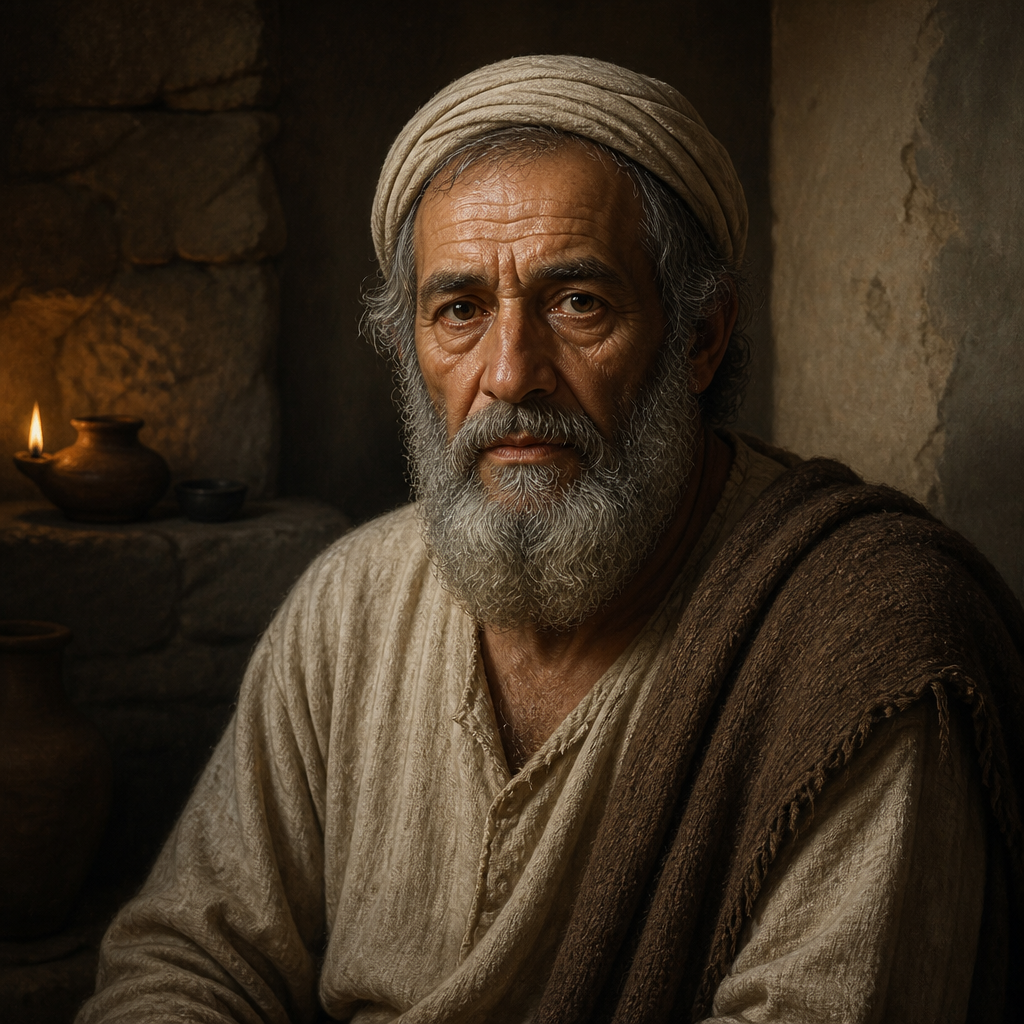 HarumaphThis page
Children
 Jedaiah, Son of HarumaphSonNehemiah 3:10Stated
Connected Figures
Family
Son · Nehemiah 3:10
A participant in the post-exilic restoration of Jerusalem who repaired the section of the city wall directly opposite his own home.
Exile and ReturnFirst: Nehemiah 3:101 versesWall-builder / Resident of Jerusalem
Categories
Mentions by Book
- Nehemiah1
Scripture References
All 1 indexed verse, in canonical order, from the Berean Standard Bible.
Nehemiah · 1
- Nehemiah 3:10
next to him, Jedaiah son of Harumaph made repairs across from his house; and next to him, Hattush son of Hashabneiah made repairs.