Paseah of Judah
Who was Paseah of Judah in the Bible?
A descendant of Judah through the lineage of Chelub, identified as a son of Eshton and a resident of Recah during the Divided Monarchy.
This is one of 3 people named Paseah in the Bible. See all 3 →
Paseah of Judah is a minor figure mentioned in the genealogical records of the Old Testament. He is identified specifically within the lineage of the tribe of Judah, the dominant southern tribe of Israel. His presence in the biblical text is limited to a single verse within the extensive genealogical preambles of the Books of Chronicles.
Chronologically, Paseah is situated during the period of the Divided Monarchy, appearing in a list that documents the families and settlements of Judah. While his individual actions are not recorded, his inclusion serves to validate the ancestral heritage and land claims of specific Judean clans during the reconstruction of Israel’s national identity.
Background and Family
Paseah of Judah is documented in the genealogical records of 1 Chronicles 4, a chapter dedicated to the descendants of Judah. According to the text, Paseah was the son of Eshton. He is listed alongside two brothers: Beth-rapha and Tehinnah. The lineage is traced further back to Chelub (1 Chronicles 4:11), distinguishing this family line from other Judean branches.
The text identifies these individuals as "the men of Recah." While the exact geographical location of Recah remains a subject of archaeological debate, its inclusion signifies that Paseah belonged to a landed family with a specific territorial identity within the tribal allotment of Judah.
Major Life Events
The biblical record does not provide a narrative account of Paseah’s life, deeds, or death. His historical footprint is strictly genealogical. In the context of 1 Chronicles, such figures were included to provide a legal and spiritual bridge for the post-exilic community, ensuring that the families of the Divided Monarchy could trace their lineage back to the patriarchal era. As a son of Eshton, Paseah represents a specific generation of Judean leadership or land-ownership in the region of Recah.
Relationship to Other Biblical Figures
Paseah’s primary relationships are defined by his immediate kin. He is the brother of Beth-rapha and Tehinnah. The text notes that his brother Tehinnah was the "father of Ir-nahash" (the city of Nahash). This suggests that Paseah’s family was influential in the establishment or governance of Judean towns. His father, Eshton, was the son of Mehir, who was the son of Chelub. This clear line of descent places Paseah firmly within the social fabric of the Judean aristocracy or landed gentry of his era.
Spiritual Significance
While Paseah is not a protagonist in a moral or miraculous narrative, his spiritual significance lies in the preservation of the Messianic line and the covenantal faithfulness of God to the tribe of Judah. By recording names like Paseah, the Chronicler emphasizes that every individual within the covenant community held a place in God's sovereign plan for Israel. The mention of his family as the "men of Recah" highlights the importance of place and inheritance in the biblical worldview, affirming that God’s promises were rooted in physical reality and specific families.
Paseah serves as a genealogical marker within the tribe of Judah. His inclusion in 1 Chronicles 4 underscores the meticulous preservation of tribal identities during the Divided Monarchy, which was essential for maintaining the purity of the priestly and royal lines. Practically, his name contributes to the historical record of the settlement of Recah, documenting the expansion and habitation of the Promised Land by specific Judean clans.
Frequently Asked Questions
Which tribe did Paseah belong to?
Paseah belonged to the tribe of Judah, specifically descending from the line of Chelub.
Who was Paseah's father?
Paseah was the son of Eshton, as recorded in 1 Chronicles 4:12.
Did Paseah have any siblings?
Yes, he is listed as a sibling of Beth-rapha and Tehinnah.
Where did Paseah and his family live?
The Bible identifies them as the 'men of Recah,' indicating they were associated with a specific location or settlement of that name in Judah.
What does the name Paseah mean?
The Hebrew name Paseah (פָּסֵחַ) literally translates to 'limping' or 'lame.'
Family & Relationships
Parents
 EshtonFather1 Chronicles 4:12Stated
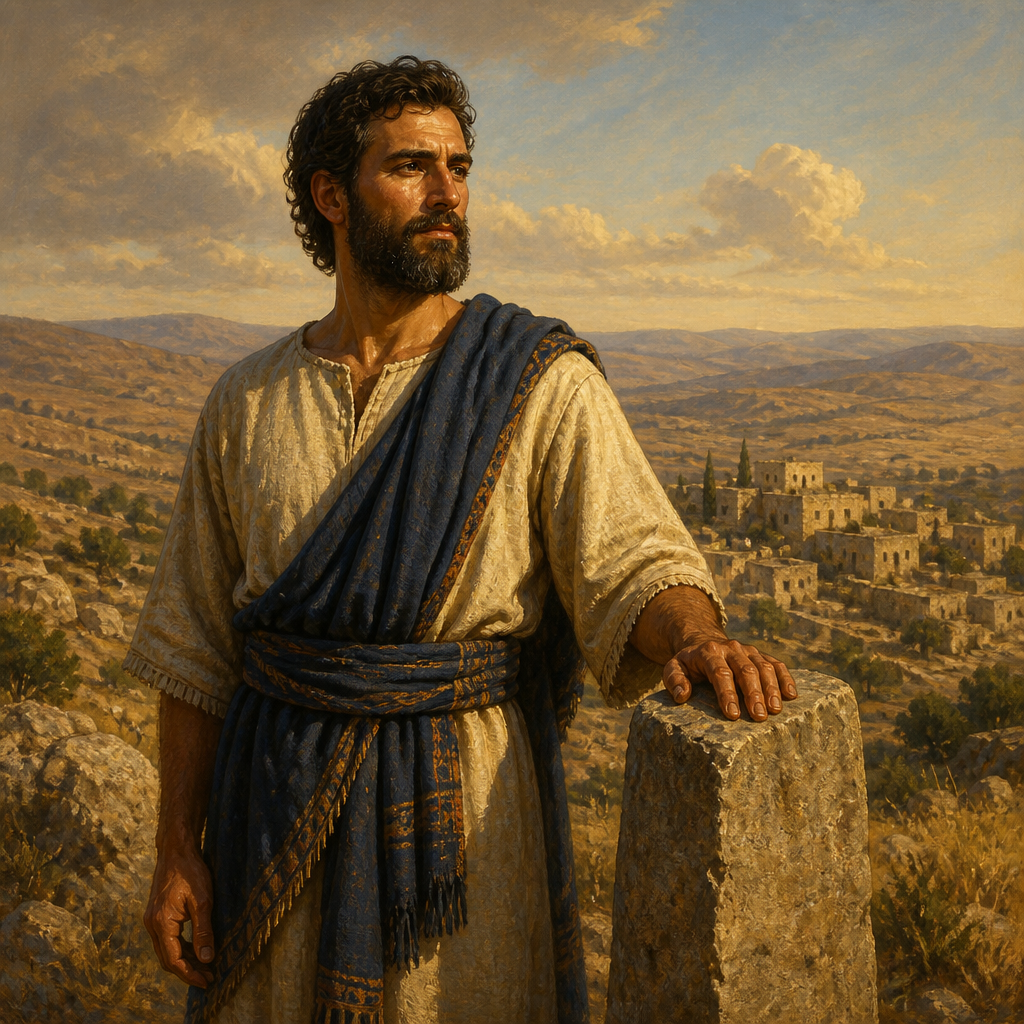 Paseah of JudahThis page
 Beth-raphaBrother1 Chronicles 4:12Stated
 TehinnahBrother1 Chronicles 4:12Stated
Connected Figures
Family
Father · 1 Chronicles 4:12
A descendant of Judah through the lineage of Chelub, identified as the father of Beth-rapha, Paseah, and Tehinnah.
Divided MonarchyFirst: 1 Chronicles 4:112 versesHead of a Judean clanJudah
Brother · 1 Chronicles 4:12
A member of the tribe of Judah and a descendant of Chelub, identified as the son of Eshton within the genealogical records of 1 Chronicles.
Divided MonarchyFirst: 1 Chronicles 4:121 versesTribal leader or landownerJudah
Brother · 1 Chronicles 4:12
Tehinnah was a member of the tribe of Judah, the son of Eshton, and the founder of the city of Ir-nahash.
Divided MonarchyFirst: 1 Chronicles 4:121 versesFounder of Ir-nahashJudah
Categories
Mentions by Book
- 1 Chronicles1
Scripture References
All 1 indexed verse, in canonical order, from the Berean Standard Bible.
1 Chronicles · 1
- 1 Chronicles 4:12
Eshton was the father of Beth-rapha, of Paseah, and of Tehinnah the father of Ir-nahash. These were the men of Recah.
Others Named Paseah of Judah
Compare all 3 bearers →Paseah, Father of JoiadaNehemiah 3:6
Paseah was a man of the Post-Exilic period whose son, Joiada, was a prominent leader in the restoration of Jerusalem's walls under Nehemiah.
Paseah, Progenitor of Returning ExilesEzra 2:49
A patriarch whose descendants were among the Nethinim who returned to Jerusalem from the Babylonian captivity under Zerubbabel.