
The Church at Ephesus
A central hub of early Christianity in Asia Minor, the Ephesian believers were known for their theological rigor and transformation from paganism.
The Church at Ephesus appears throughout the New Testament as a significant community formed through the missionary work of Paul and characterized by a dramatic shift from local occult practices to Christian faith. In the book of Acts, the growth of this community is marked by the Ephesians Who Confessed Their Practices, who openly acknowledged their previous deeds after witnessing the power of the name of Jesus (Acts 19:17–18). This led to a public demonstration by the Ephesians Who Burned Their Magic Books, who calculated the value of their destroyed scrolls at fifty thousand drachmas (Acts 19:19). As the church matured, Paul relied on specific individuals from this region to assist in his wider ministry. Tychicus is identified as a beloved brother and faithful minister from the province of Asia who traveled with Paul and was later sent to Ephesus to bring news and encouragement (Acts 20:4, Ephesians 6:21–22). Another local figure, Trophimus accompanied Paul to Jerusalem, where his presence as a Gentile from Ephesus led to a riot when onlookers wrongly assumed Paul had brought him into the temple (Acts 21:29).
The leadership and support network of the church remained vital during Paul’s later trials and travels. The Ephesian Elders at Miletus were summoned by Paul for a final meeting where they knelt in prayer and wept openly because he told them they would never see his face again (Acts 20:17–38). During Paul’s final imprisonment in Rome, he received special assistance from Onesiphorus, an Ephesian who searched diligently for the apostle until he found him, providing refreshment to Paul when others had turned away (2 Timothy 1:16–18). The text notes that Onesiphorus had also performed many services for the church in Ephesus itself (2 Timothy 1:18).
These individuals and groups represent the establishment of a major Christian center in a city dominated by the temple of Artemis. The transition of the Ephesians Who Burned Their Magic Books signifies the total renunciation of local religious traditions in favor of the new faith. The ongoing loyalty of men like Tychicus and Onesiphorus demonstrates how the church at Ephesus functioned as a source of both local leadership and international support for the early Christian movement. Through these specific members, the biblical narrative depicts a community that was both doctrinally distinct and deeply personal in its internal and external relationships.
Everyone in this list
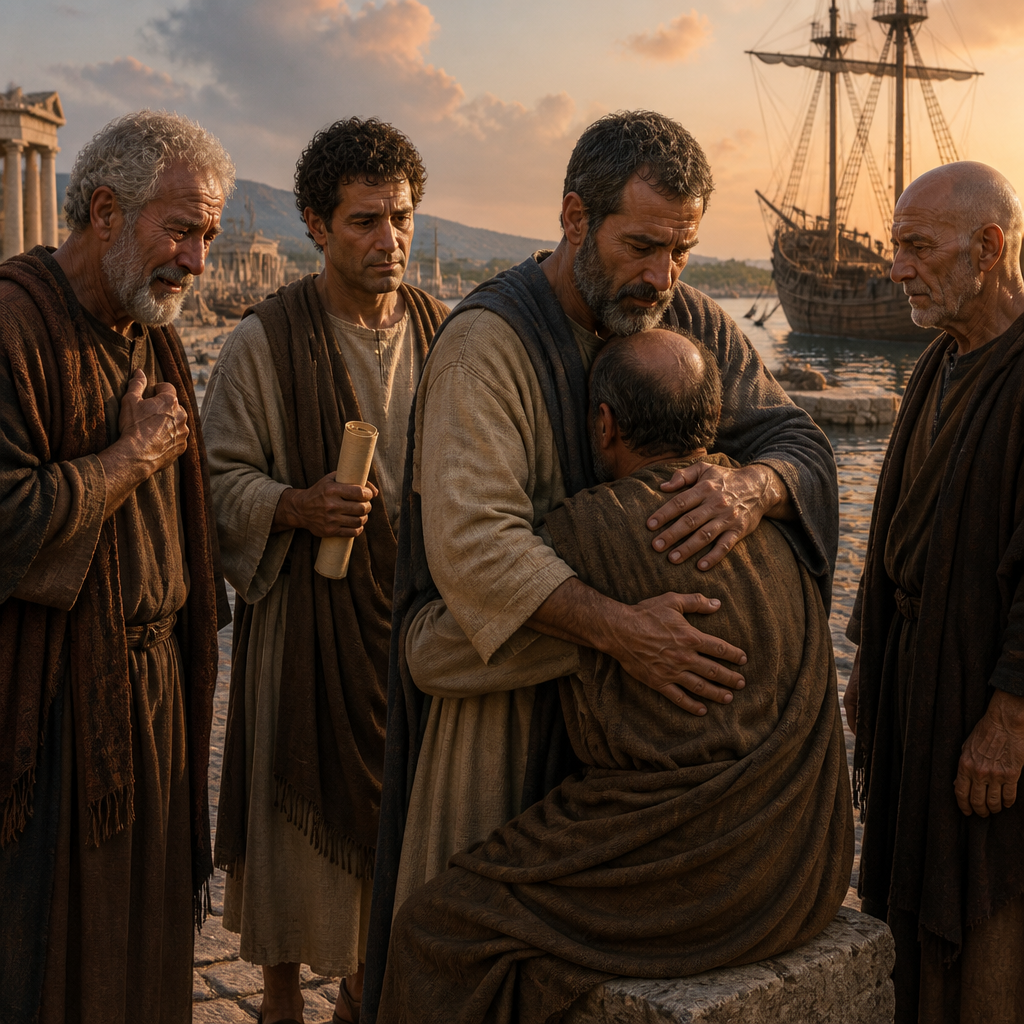
The Ephesian Elders at Miletus
Group of church leaders who wept as they said a final goodbye to the Apostle Paul at the port of Miletus
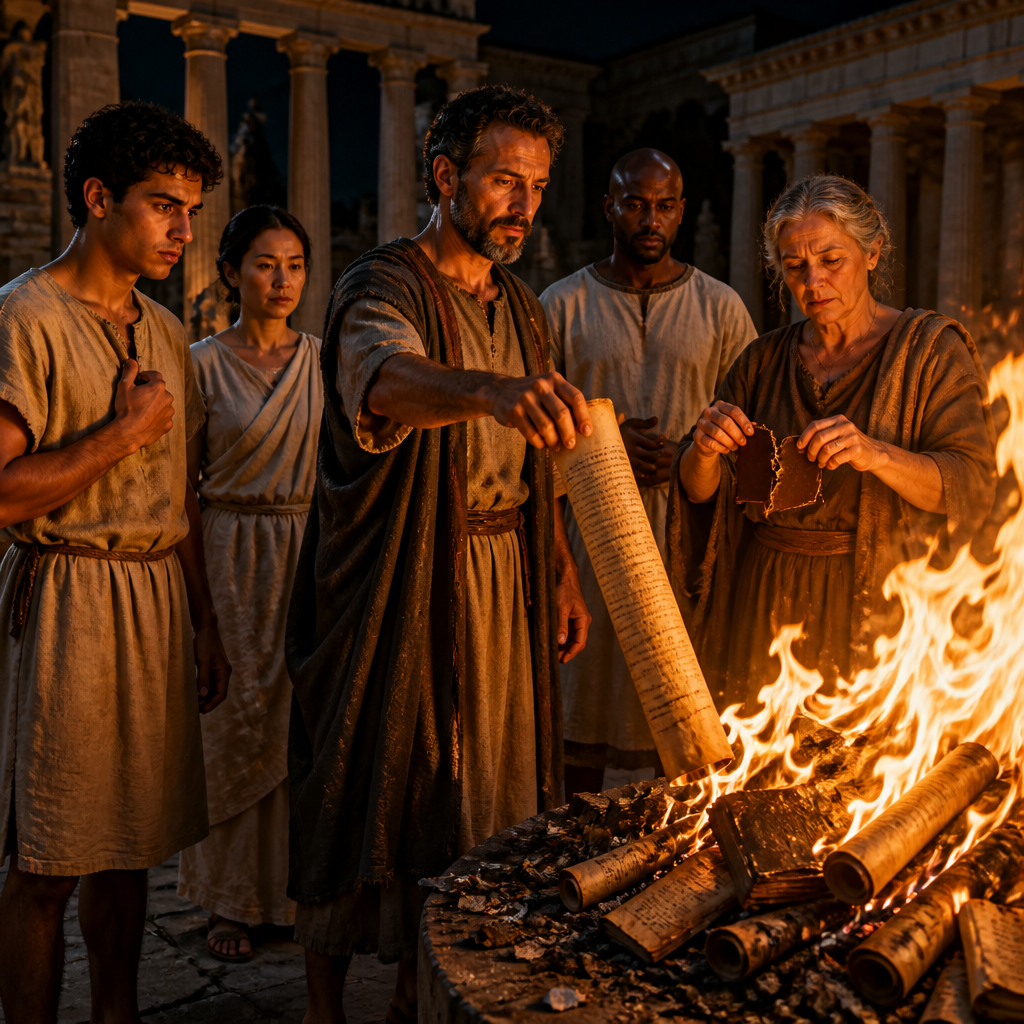
The Ephesians Who Burned Their Magic Books
Former sorcerers who publically burned their expensive occult scrolls worth 50,000 silver pieces
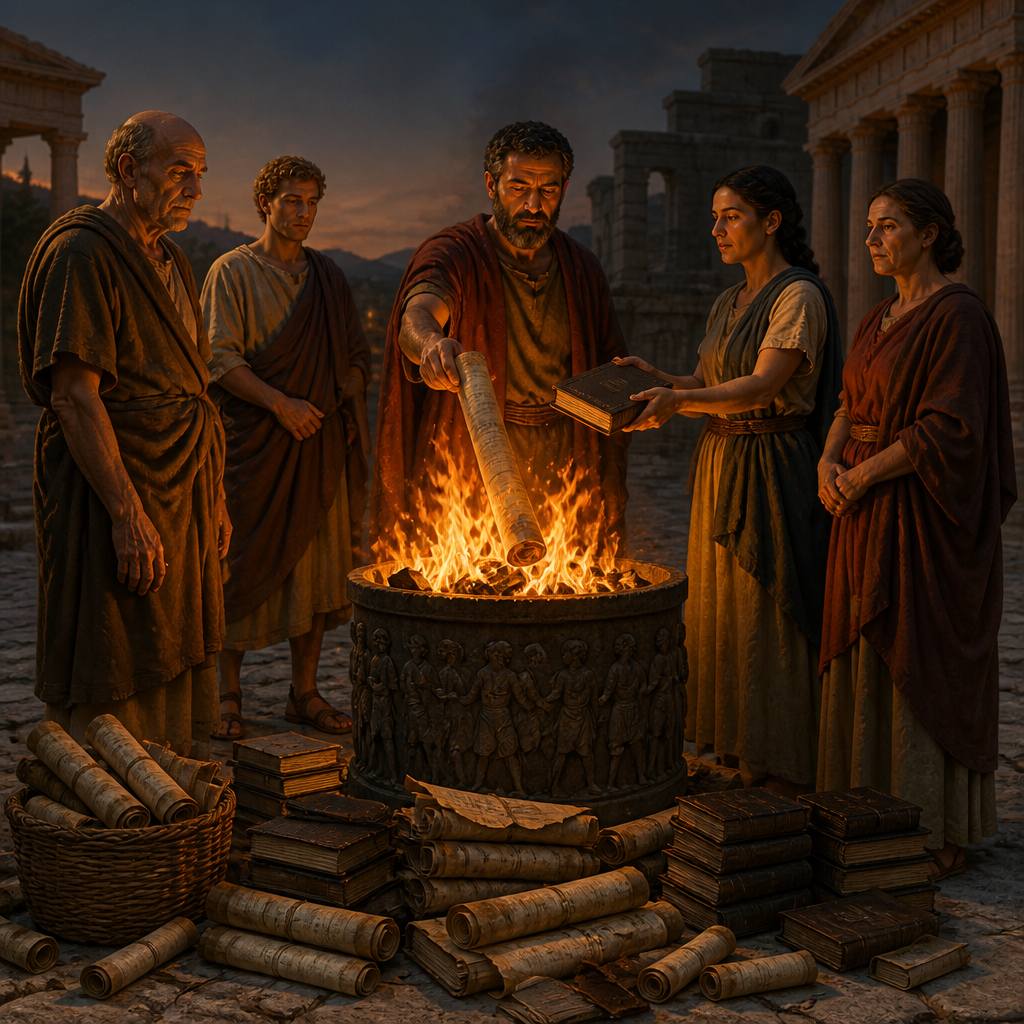
The Ephesians Who Confessed Their Practices
Group of converts who burned their expensive magic books
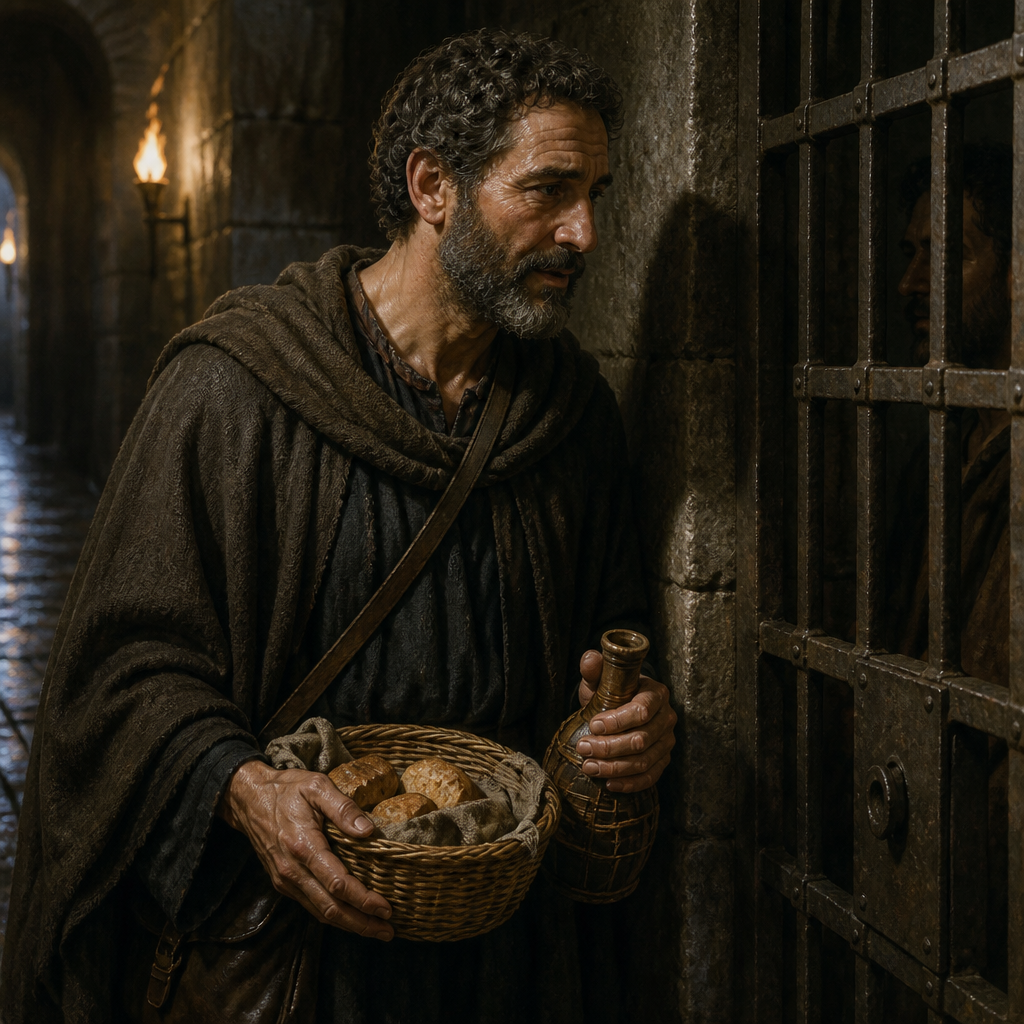
Onesiphorus
Ephesian believer who diligently searched for and refreshed the Apostle Paul during his final Roman imprisonment
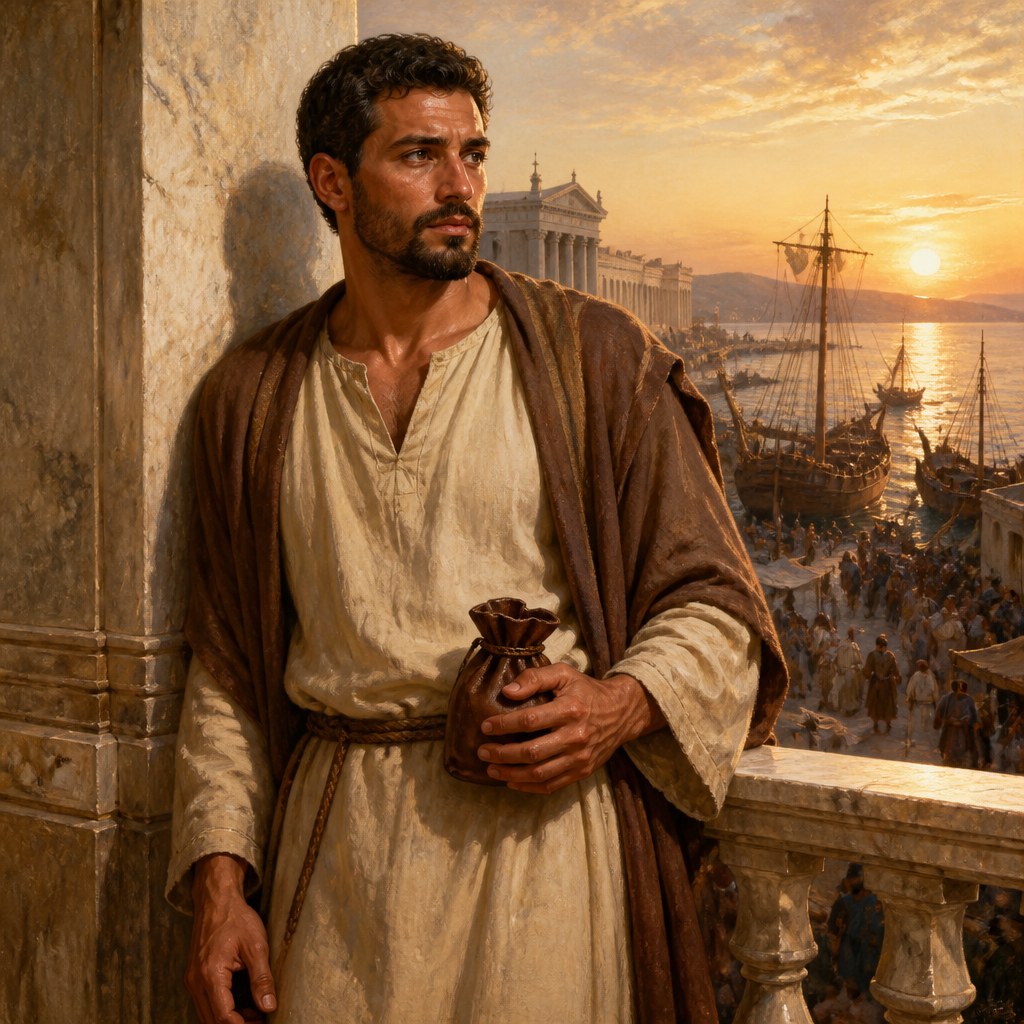
Trophimus
Ephesian companion of Paul whose presence sparked the Jerusalem riot
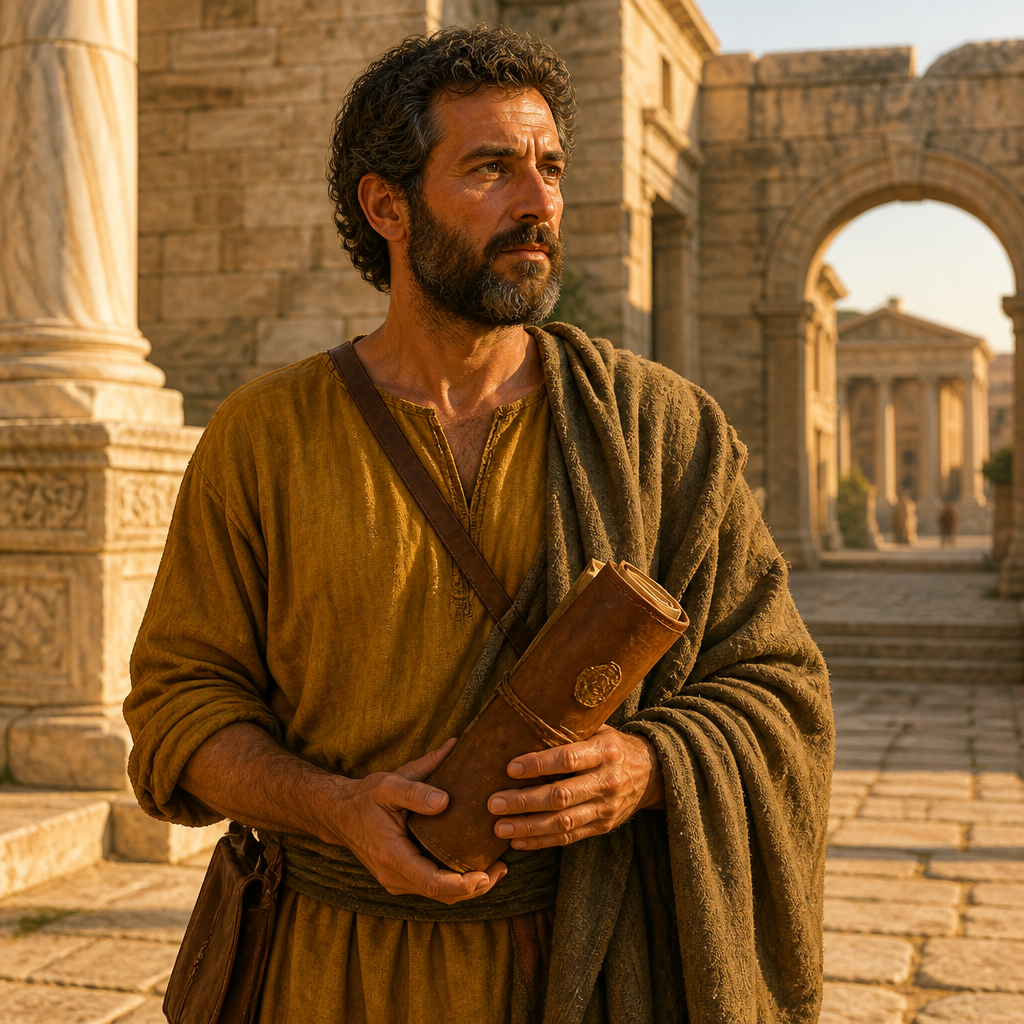
Tychicus
Minister from Asia who delivered Paul's letters to the Ephesians and Colossians