People of Joel
Every person who appears in the book of Joel, ordered by how often they are mentioned there.
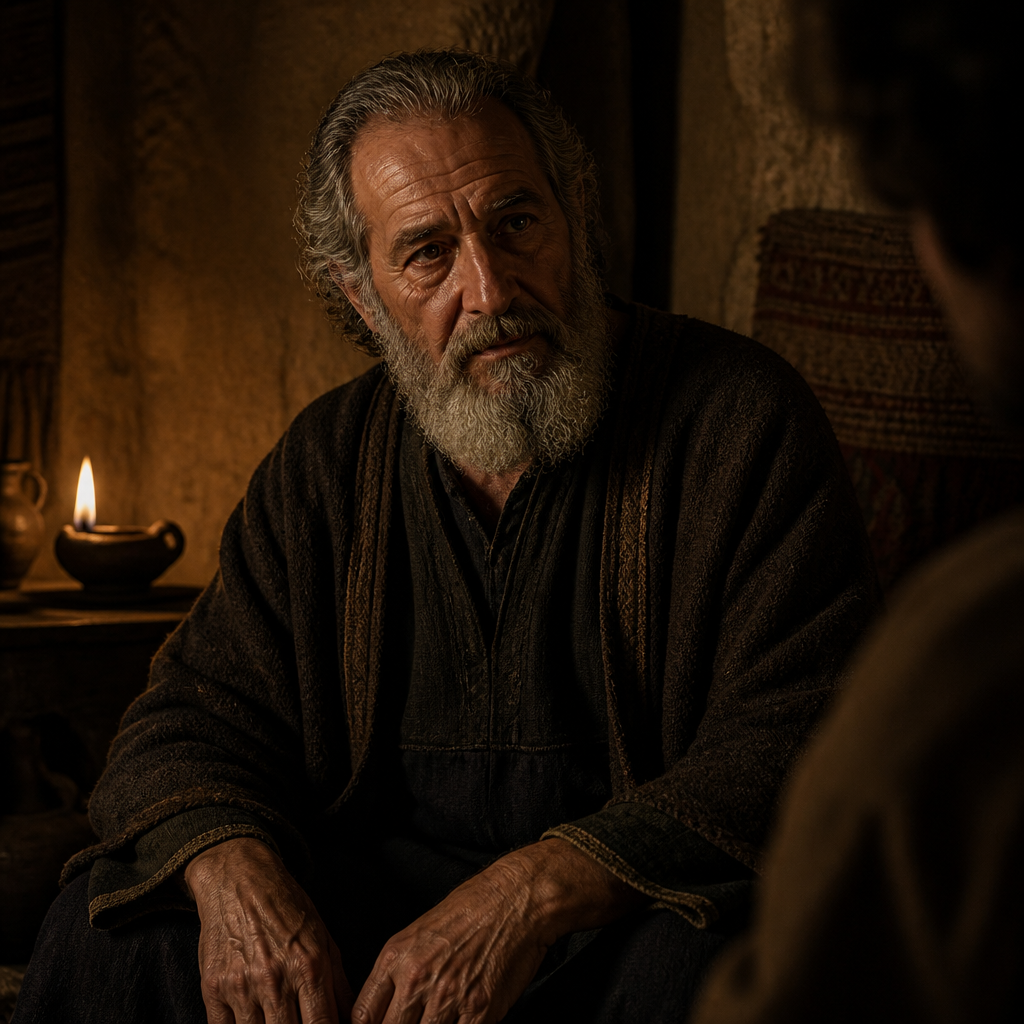
The book of Joel is a prophetic address delivered to the people of Joel, a community facing a devastating locust plague and calling for national repentance. The text identifies the primary speaker as Joel, who receives the word of the Lord and directs it toward the elders and inhabitants of the land (Joel 1:1–2). Pethuel is mentioned exclusively as the father of the prophet to establish his lineage (Joel 1:1). The narrative focuses on the physical and spiritual restoration of the nation, frequently addressing the people collectively through their ancestral names.
The organization of the text centers on the relationship between the divine and the covenant community. Israel is named as the people who belong to God and who shall never again be put to shame after their restoration (Joel 2:26–27). The specific territory and tribal identity of the southern kingdom are represented by Judah, whose land is described as being restored to prosperity with mountains dropping down new wine (Joel 3:18–20). The text also identifies foreign nations involved in the history of the region. Javan is mentioned as a destination for captives, as the people of Tyre and Sidon are accused of selling the children of Jerusalem to the Greeks (Joel 3:6). Conversely, the text describes a reversal of fortune where the enemies of the people will be sold to the Sabeans, the descendants of Sheba (Joel 3:8).
In the larger biblical story, this book functions as a bridge between immediate agricultural disaster and a cosmic future. The text does not say when these events occurred chronologically, but it links the survival of the people to a future outpouring of the Spirit on all flesh (Joel 2:28). The movement of the book shifts from the specific crisis of Joel, to a universal judgment involving all nations in the Valley of Jehoshaphat (Joel 3:12). By concluding with the promise that the Lord dwells in Zion and that Judah shall abide forever, the text establishes a vision of permanent divine presence among the survivors of the day of the Lord (Joel 3:20–21).
Everyone in this list
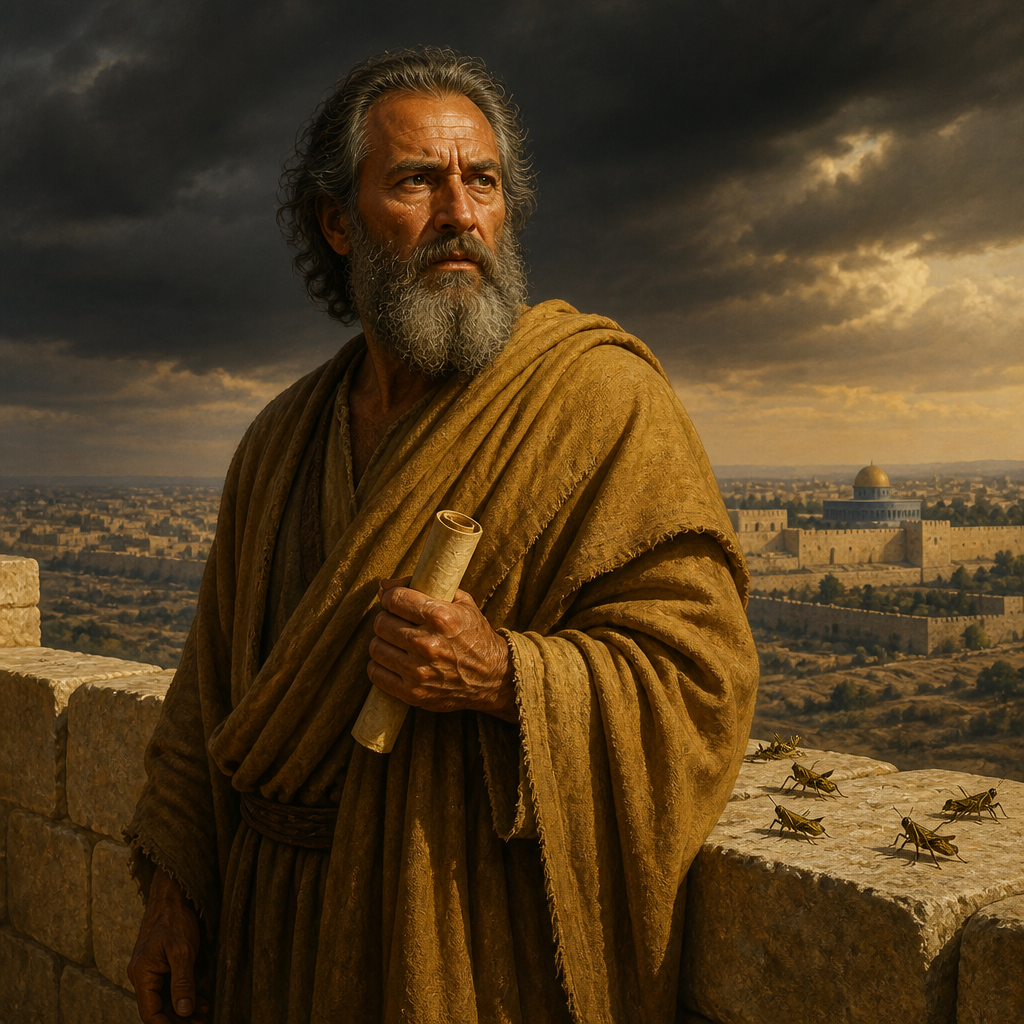
Joel, Son of Pethuel
Prophet who predicted the outpouring of the Holy Spirit and the Day of the LORD

The Holy Spirit
The third person of the Trinity — hovering over the waters at creation, empowering judges, prophets and kings, poured out at Pentecost, indwelling believers