
Insurrectionists
Regional leaders and revolutionary figures who organized armed resistance against Roman occupation and the Herodian dynasty during the first century.
The group known as the Insurrectionists appears in the New Testament as various figures and movements that engaged in armed rebellion and political violence against the ruling authorities. These individuals are identified by their specific acts of sedition or by the size and nature of the followings they commanded. The text describes these figures not as a formal office, but as leaders of revolutionary factions who sought to overthrow the existing order through force.
The organization of these groups varied according to the specific leader and their methods of resistance. Barabbas is described as a notorious prisoner who had been jailed with fellow rebels for committing murder during an insurrection in the city (Mark 15:7). Theudas is identified as a man who rose up claiming to be somebody and attracted a following of about four hundred men, though he was eventually killed and his followers dispersed (Acts 5:36). The Egyptian is noted for leading four thousand men of the Assassins out into the wilderness to initiate a revolt (Acts 21:38). The Assassins themselves are characterized as a militant group associated with these desert uprisings and political instability (Acts 21:38).
The presence of these figures provides a specific political and social backdrop to the ministry of Jesus and the early church. The text indicates that the Roman authorities and the Jewish council were highly sensitive to the threat of such uprisings, often comparing the movements of Jesus or the apostles to these failed revolts. For example, the council member Gamaliel cites the failures of Theudas and other rebels to argue that movements not of divine origin will naturally fail (Acts 5:35–39). Additionally, the release of Barabbas instead of Jesus highlights the choice made by the crowd between a man convicted of violent insurrection and one accused of religious claims (Matthew 27:20–21). The text does not say what the specific long-term political goals of these individuals were beyond the immediate acts of rebellion and gathering followers.
Everyone in this list
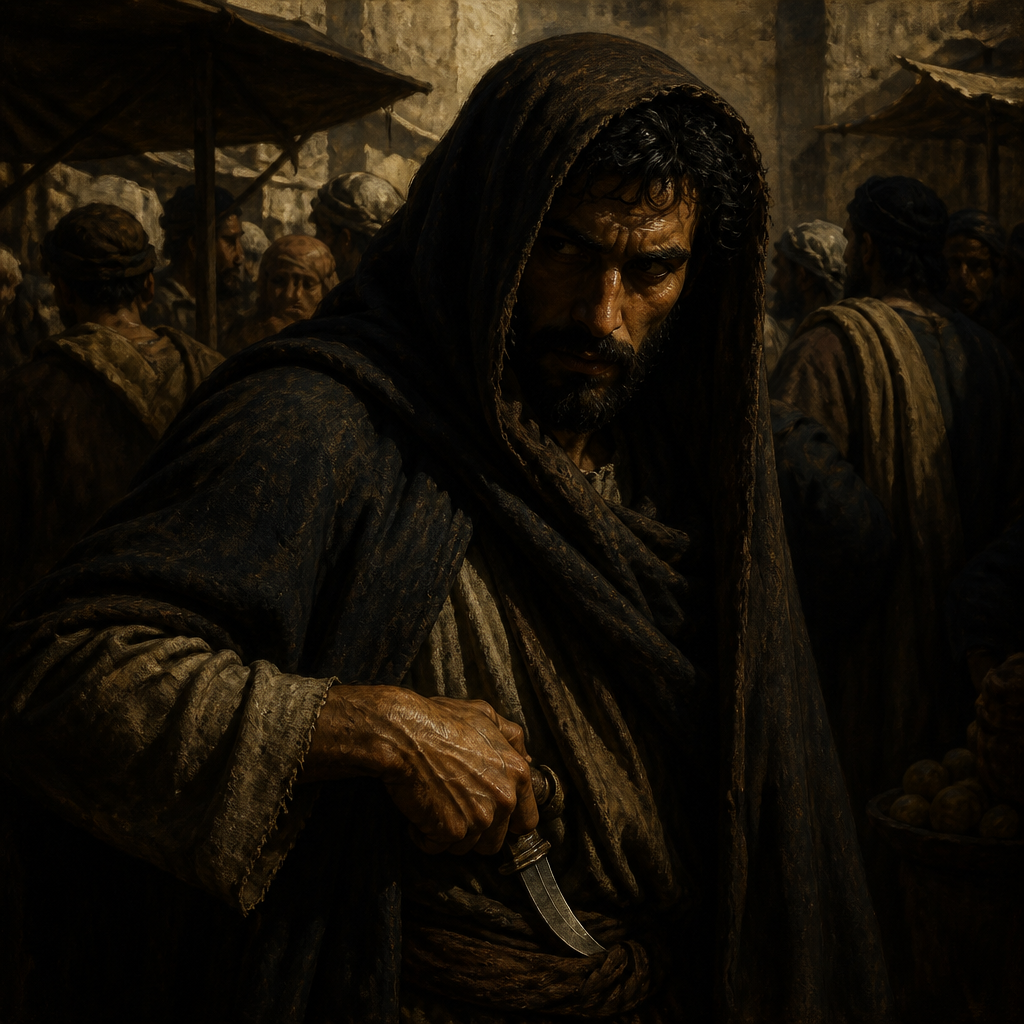
The Assassins
Militant Jewish group that utilized hidden daggers for political assassinations in first-century Judea

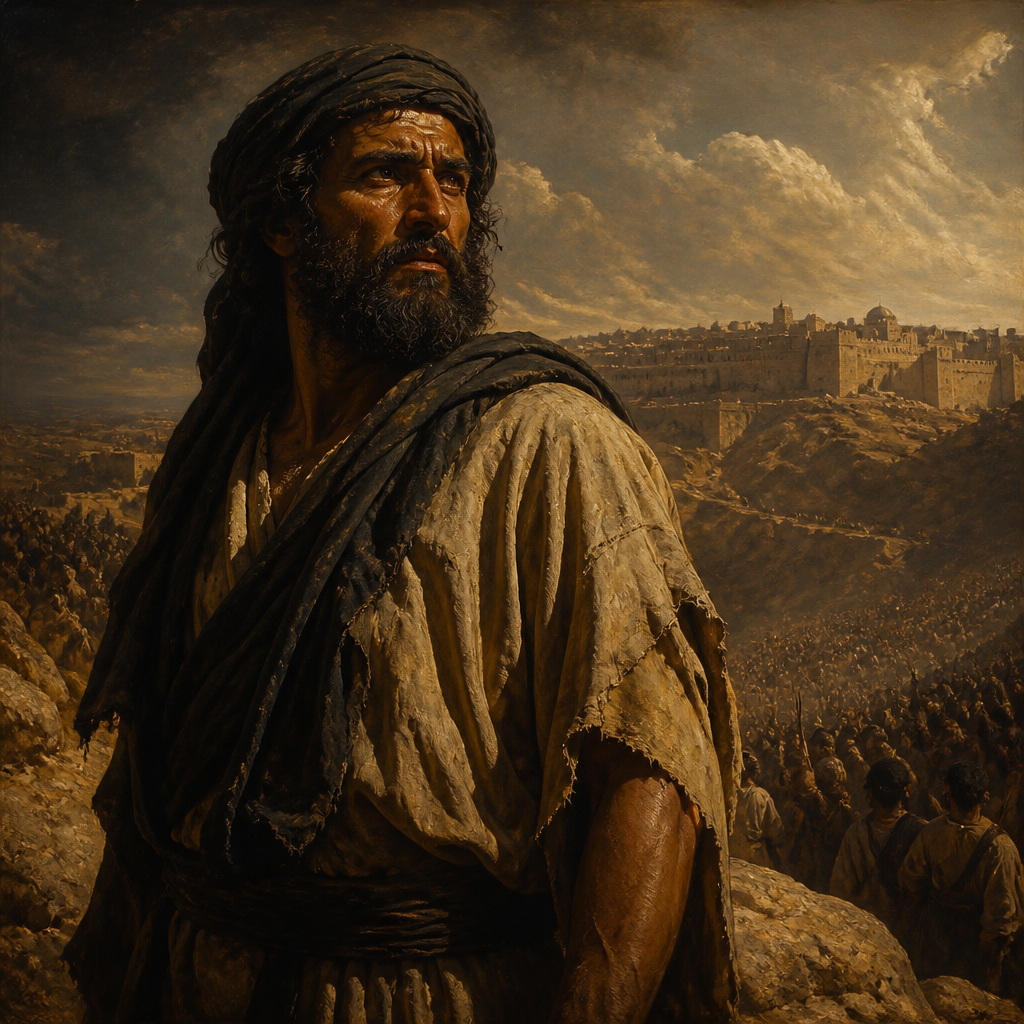
The Egyptian
Insurrectionist who led four thousand assassins into the wilderness to revolt against Rome
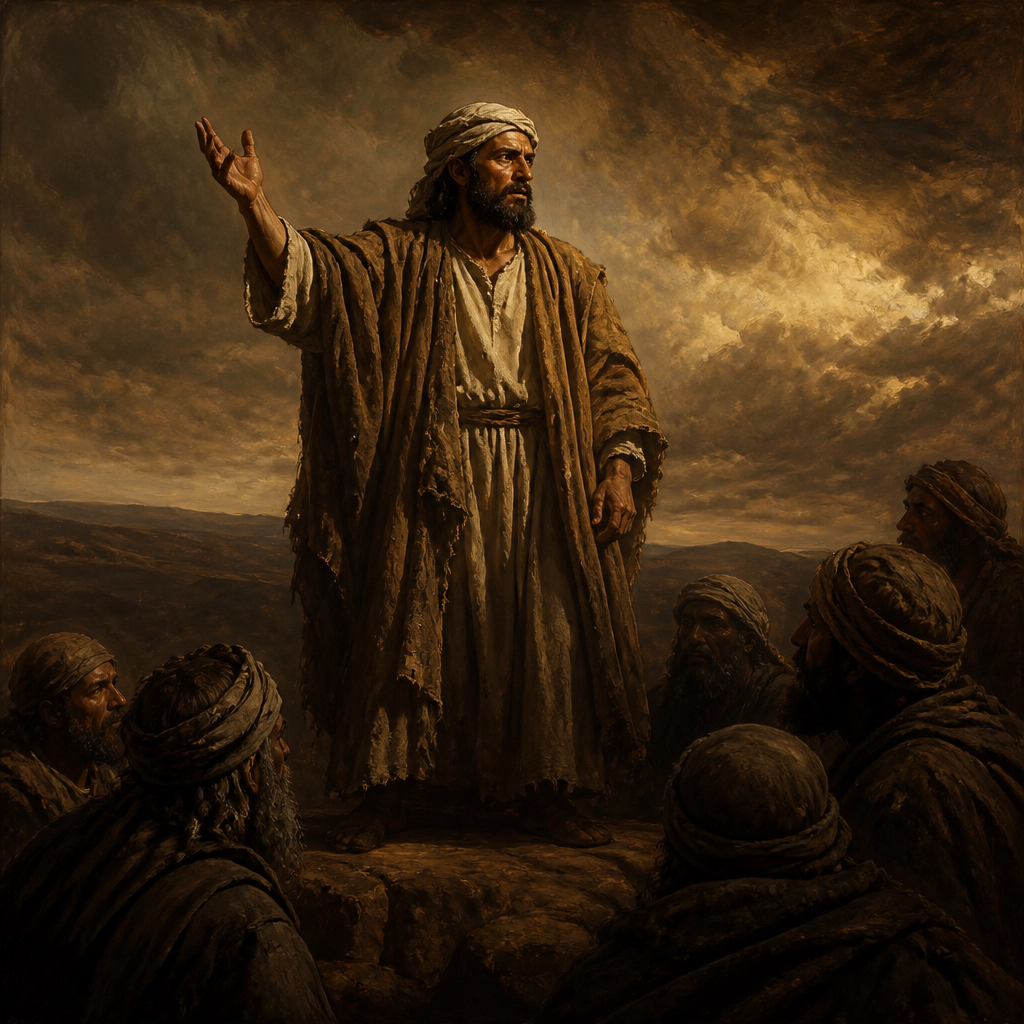
Theudas
Insurrectionist who led a failed revolt of four hundred men before the census of Quirinius