People group
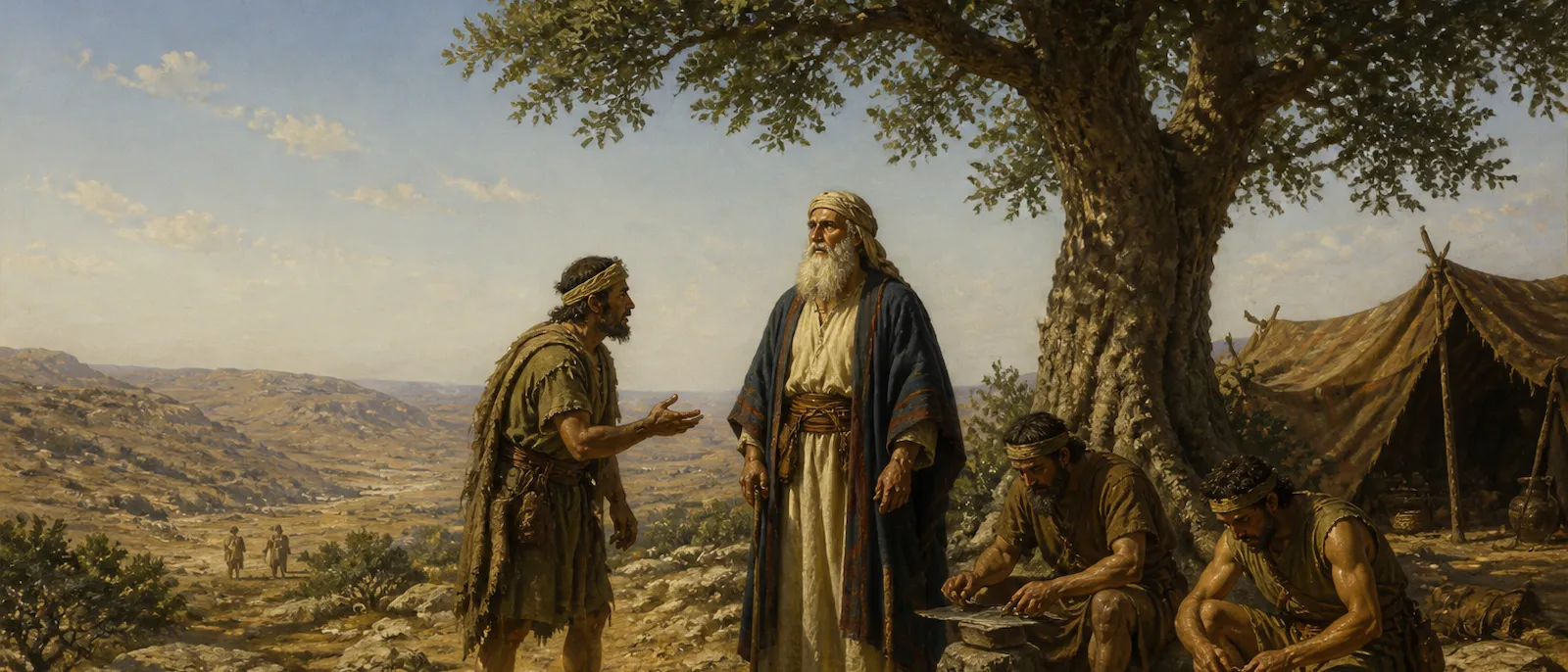
The Hebrews
The people identified as Hebrews from Abram onward, especially when Israelites are described among Egyptians and Philistines.
Scripture traces this people through Eber, Son of Shelah.
The people identified as Hebrews from Abram onward, especially when Israelites are described among Egyptians and Philistines. Scripture first names the group at Genesis 14:13.
The people in Scripture
The name first appears with Abram the Hebrew in Genesis 14:13. Joseph describes Canaan as the land of the Hebrews in Genesis 40:15, and Egyptians use the name in Genesis 39:14 and Exodus 1:15–19 and 2:6. Philistines likewise speak of the Hebrews in 1 Samuel 4:6 and 13:19. Jonah calls himself a Hebrew in Jonah 1:9, and Paul uses the identity in Philippians 3:5.
Descent and identity
The Hebrews are associated with Eber and with the covenant people descended through Abraham. This page concerns that people; the cast of the New Testament letter remains at The Book of Hebrews.
People of Hebrews
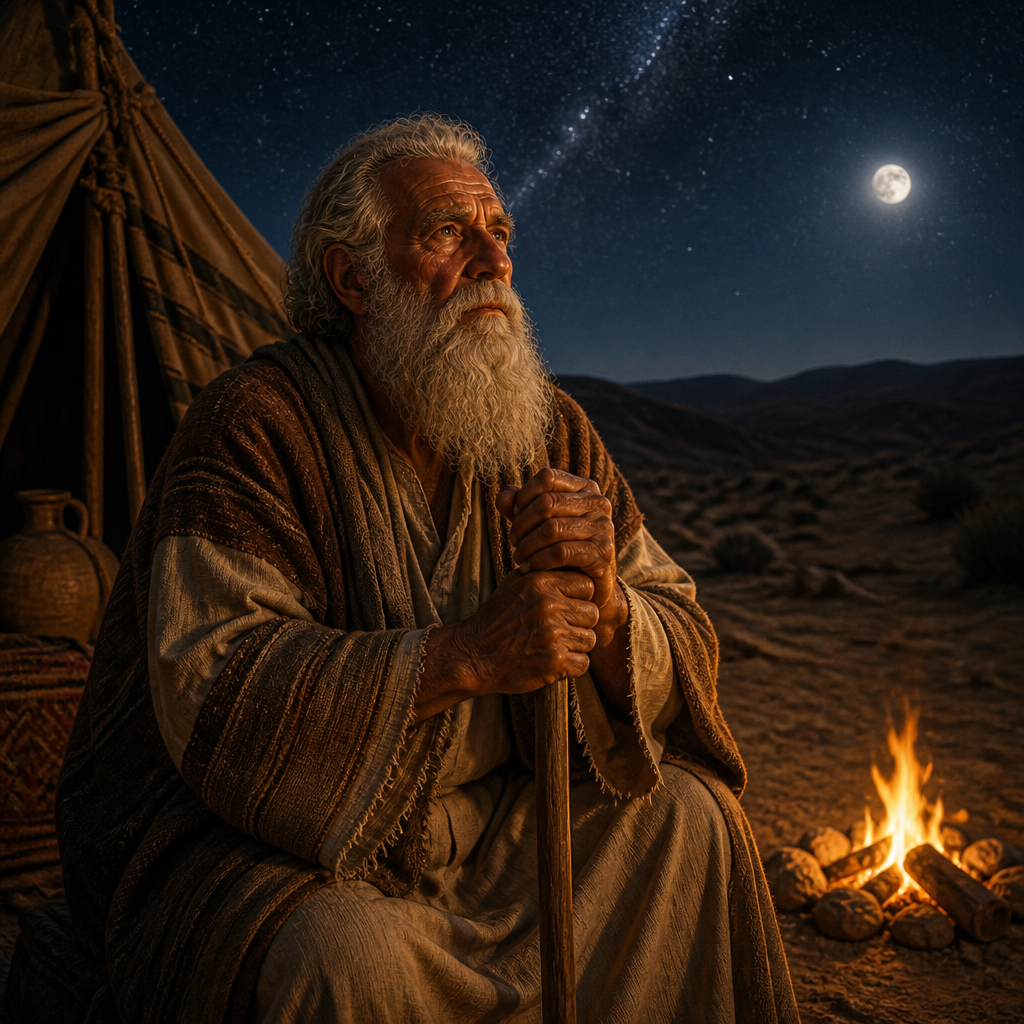
Abraham
Patriarch who is the father of the nation of Israel and an exemplar of faith
The first of the three biblical patriarchs and the father of the nation of Israel, known for his unwavering faith and his covenant relationship with God.
View profile →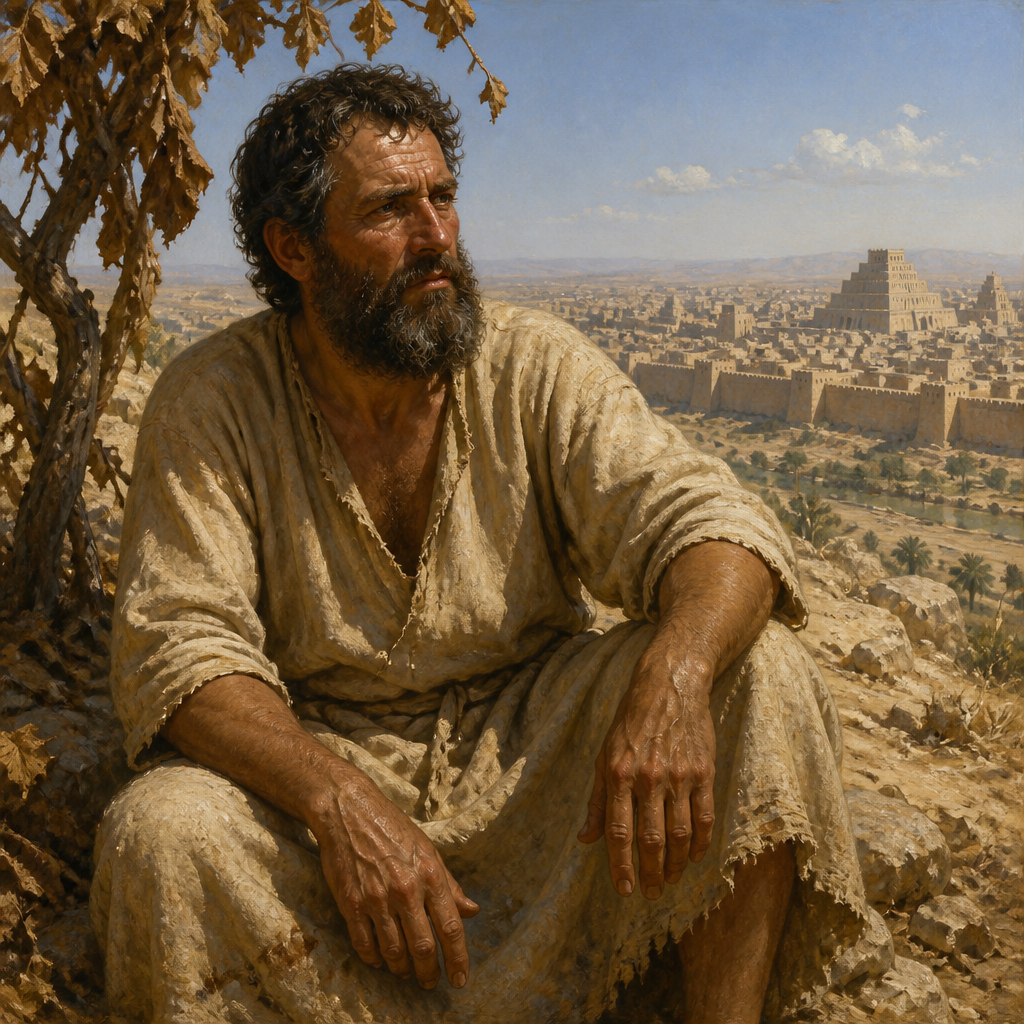
Jonah
Prophet who was swallowed by a great fish after fleeing God's command to preach to Nineveh
A prophet from the northern kingdom of Israel who was commissioned by God to preach repentance to the Assyrian city of Nineveh.
View profile →
Joseph, Son of Jacob
Patriarch who was sold into slavery and rose to become the second most powerful man in Egypt
The favored son of Jacob who, after being sold into slavery by his brothers, rose to become the Grand Vizier of Egypt and preserved the lineage of Israel during a regional famine.
View profile →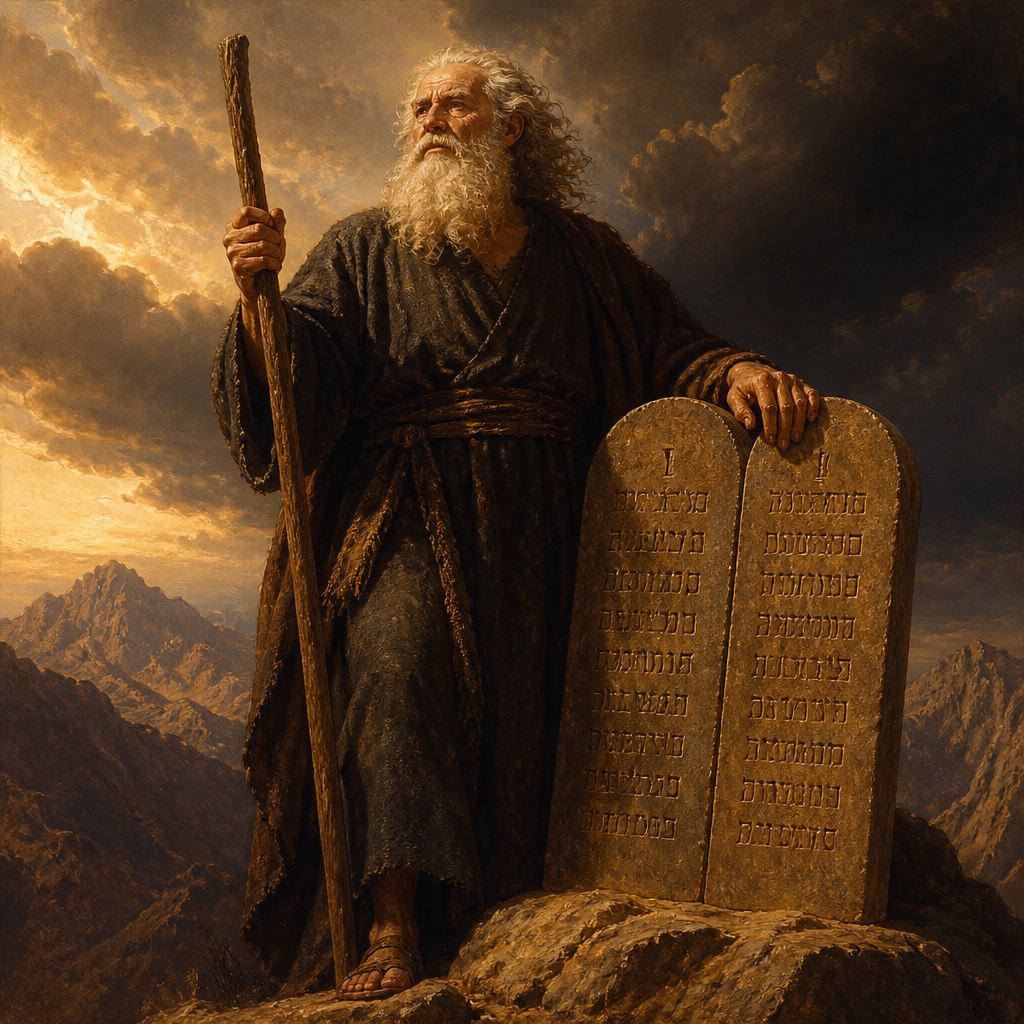
Moses
Prophet who led the Israelites out of Egypt and received the Ten Commandments
The preeminent prophet and lawgiver of Israel who led the Hebrews out of Egyptian bondage and mediated the Covenant at Mount Sinai.
View profile →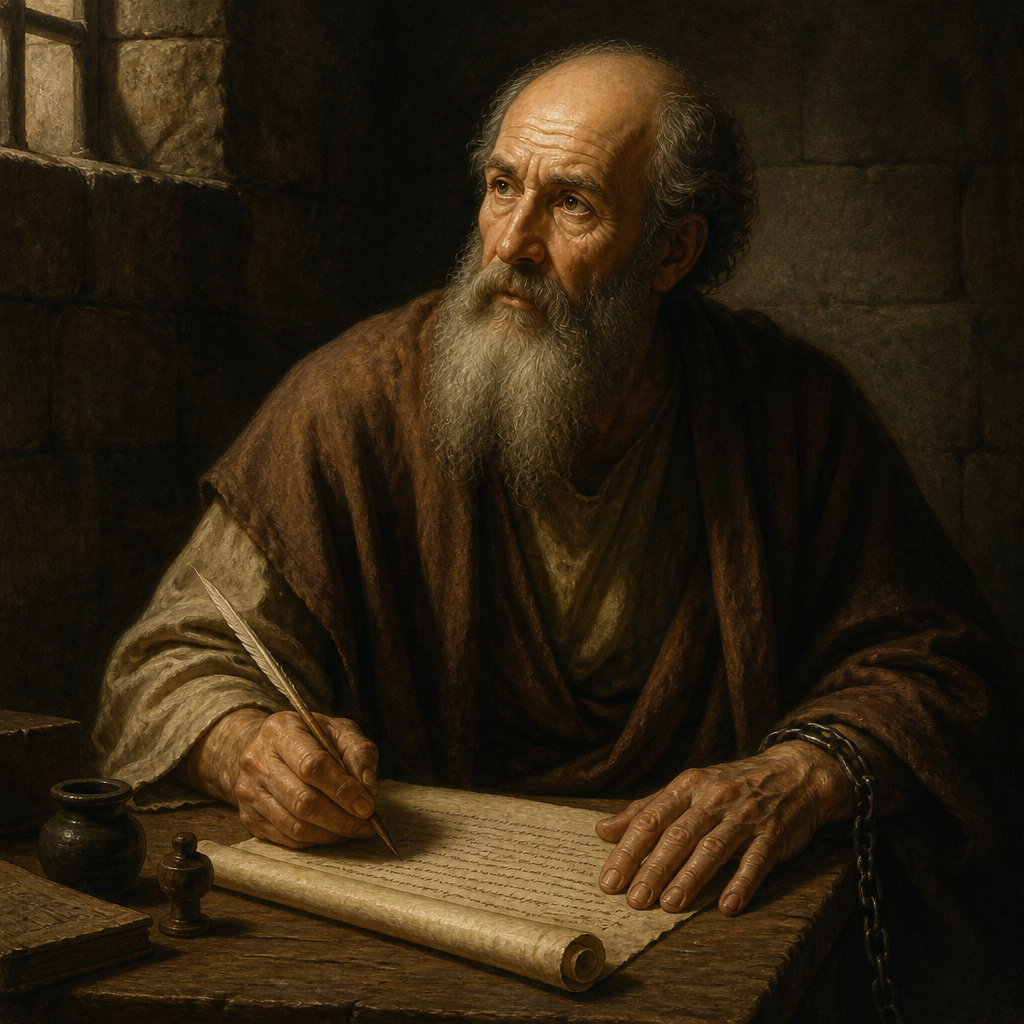
Paul
Apostle to the Gentiles who wrote much of the New Testament
An apostle and missionary who transitioned from a persecutor of the early church to its most prolific evangelist and theologian in the first century AD.
View profile →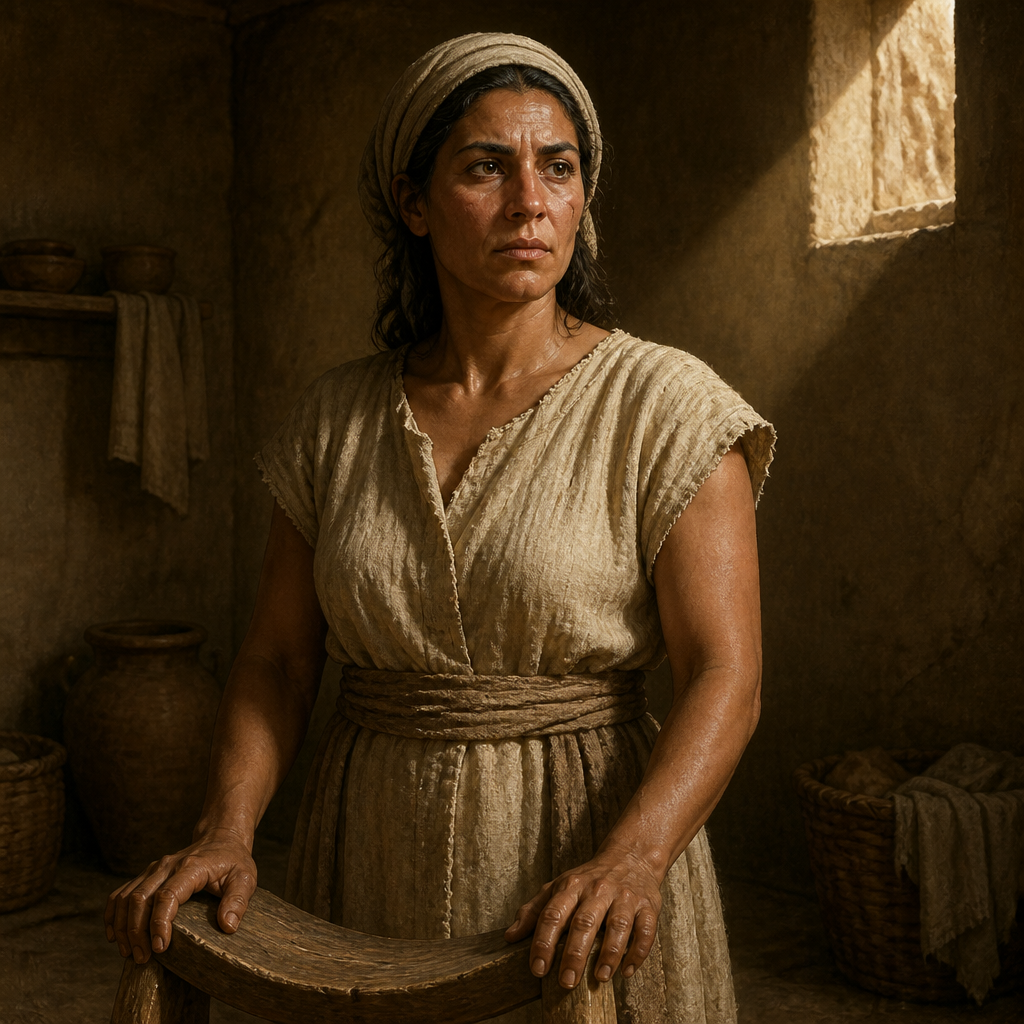
Puah, the Hebrew Midwife
Midwife who defied Pharaoh's order to kill Hebrew infants
One of two Hebrew midwives ordered by Pharaoh to kill newborn Hebrew boys during the Egyptian oppression.
View profile →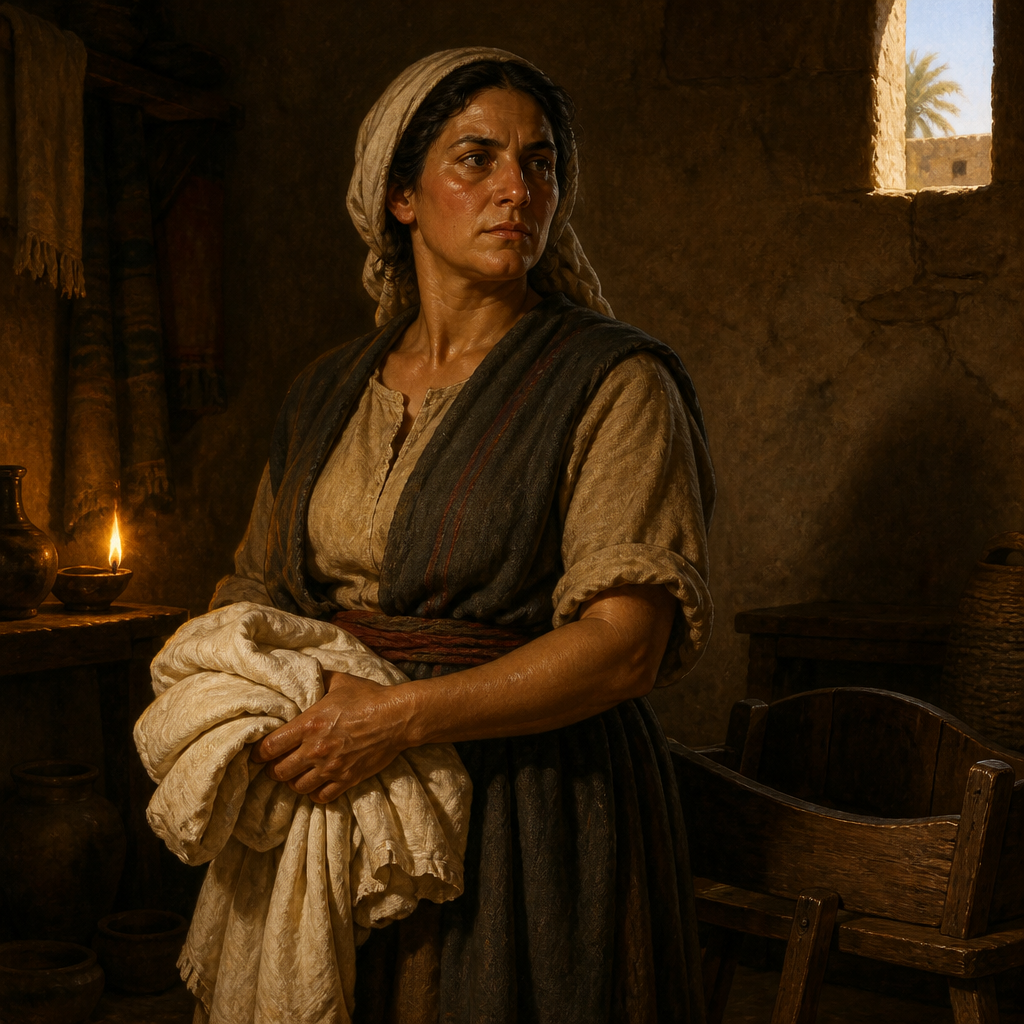
Shiphrah
Midwife who defied Pharaoh's order to kill Hebrew male infants
One of two Hebrew midwives in Egypt who defied Pharaoh's command to kill male infants, demonstrating early civil disobedience rooted in the fear of God.
View profile →