Cain's Line
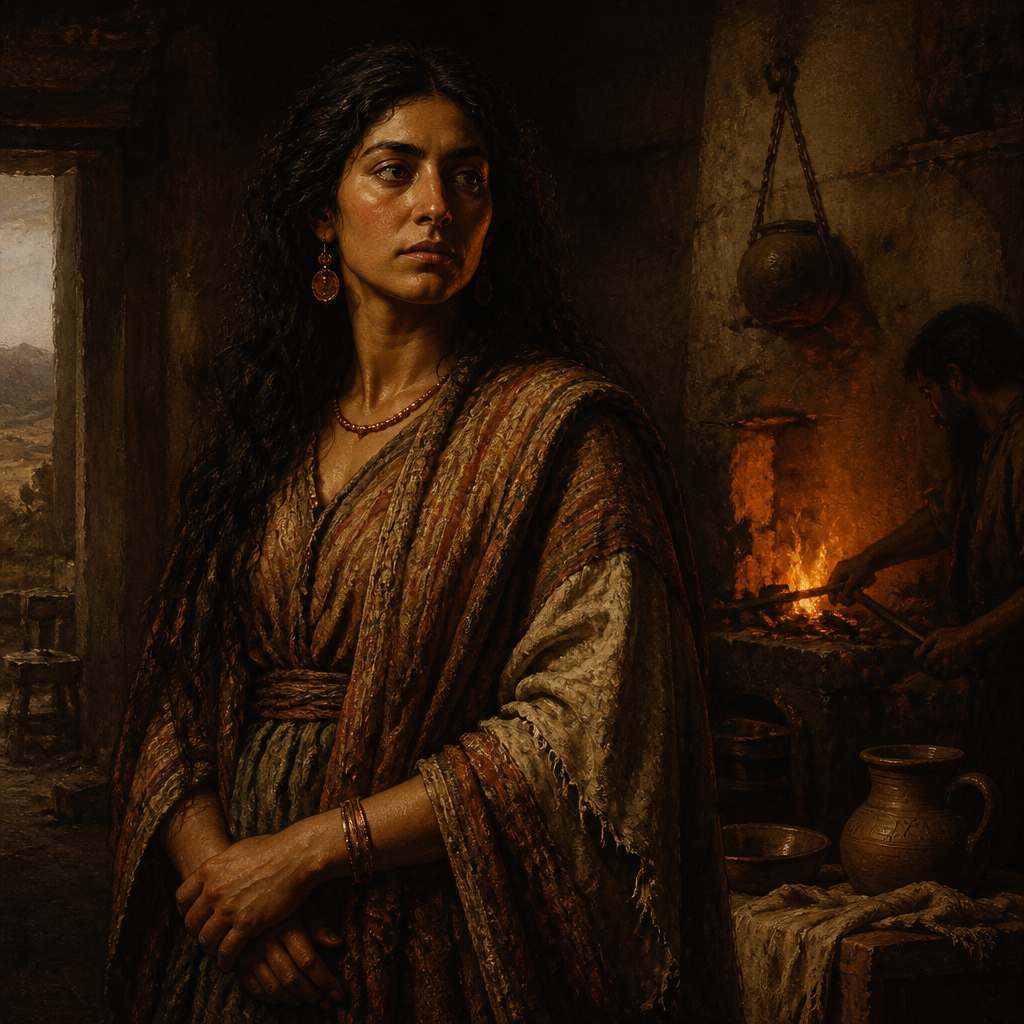
Cain's line in Genesis 4: the sons born to him and to his descendants, together with the wives named in that line — Cain's wife, Adah and Zillah — down to Lamech's children.
The descendants of Cain are recorded in the fourth chapter of Genesis as a lineage that establishes the foundations of human civilization and technology. After Cain is banished for the murder of his brother, the text traces his family through seven generations, beginning when Cain’s Wife conceives and gives birth to a son (Genesis 4:17). Cain builds a city and names it after this son, Enoch (Genesis 4:17). The line continues through Irad, who is the father of Mehujael (Genesis 4:18). Mehujael then fathers Methushael, who in turn becomes the father of Lamech (Genesis 4:18).
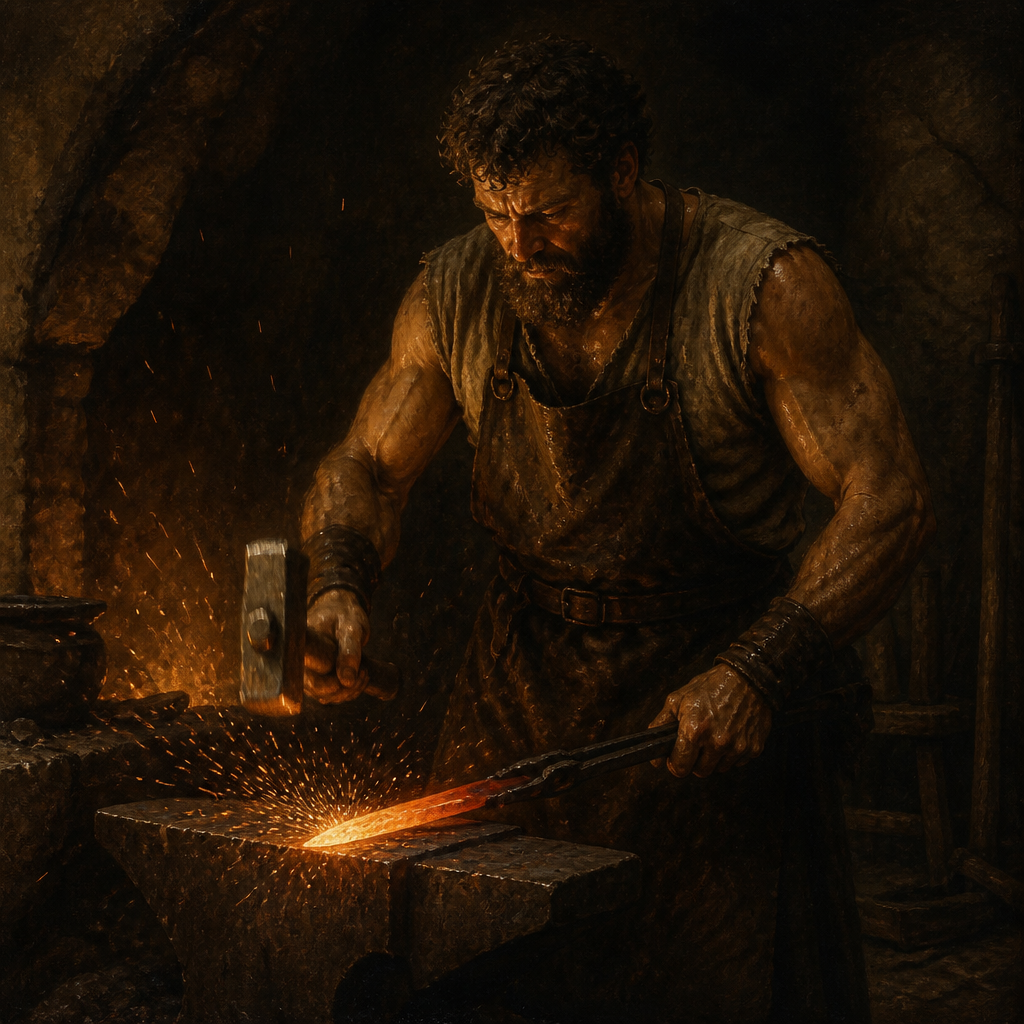
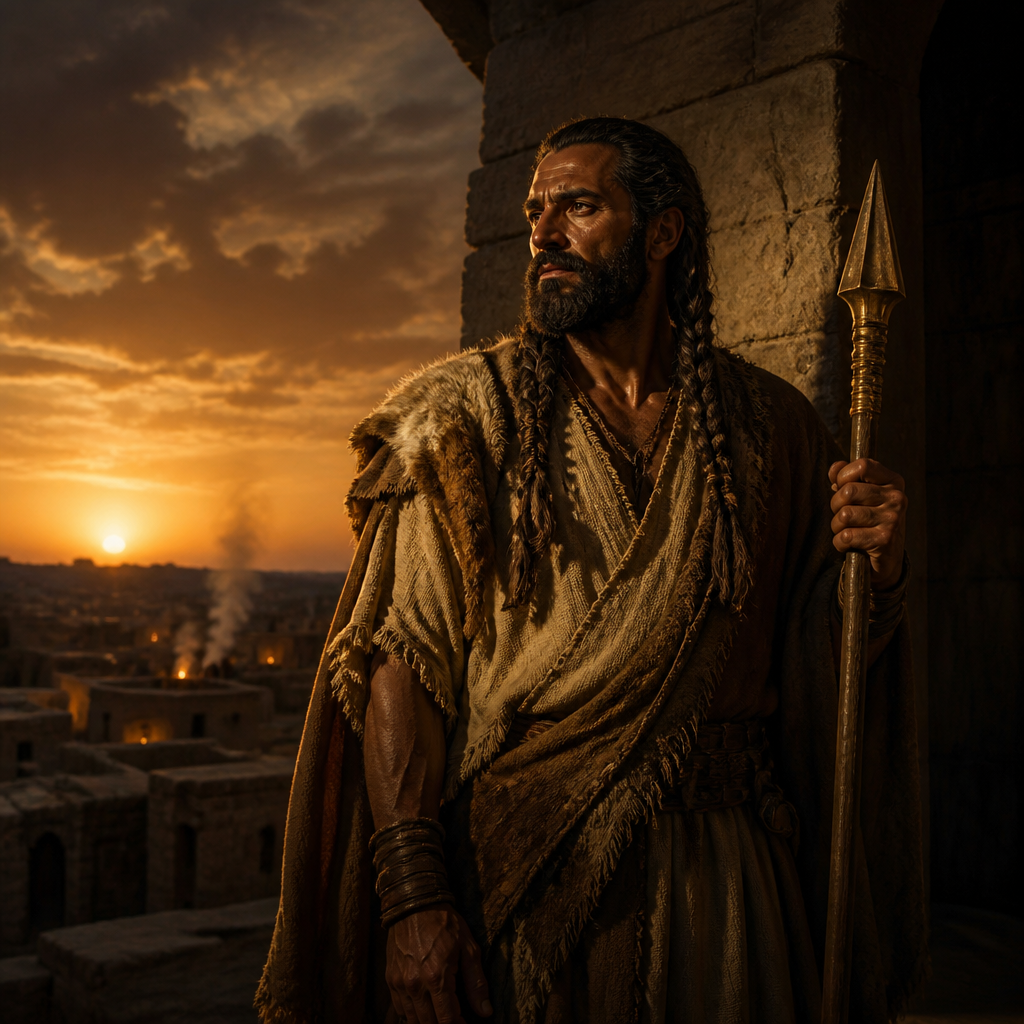
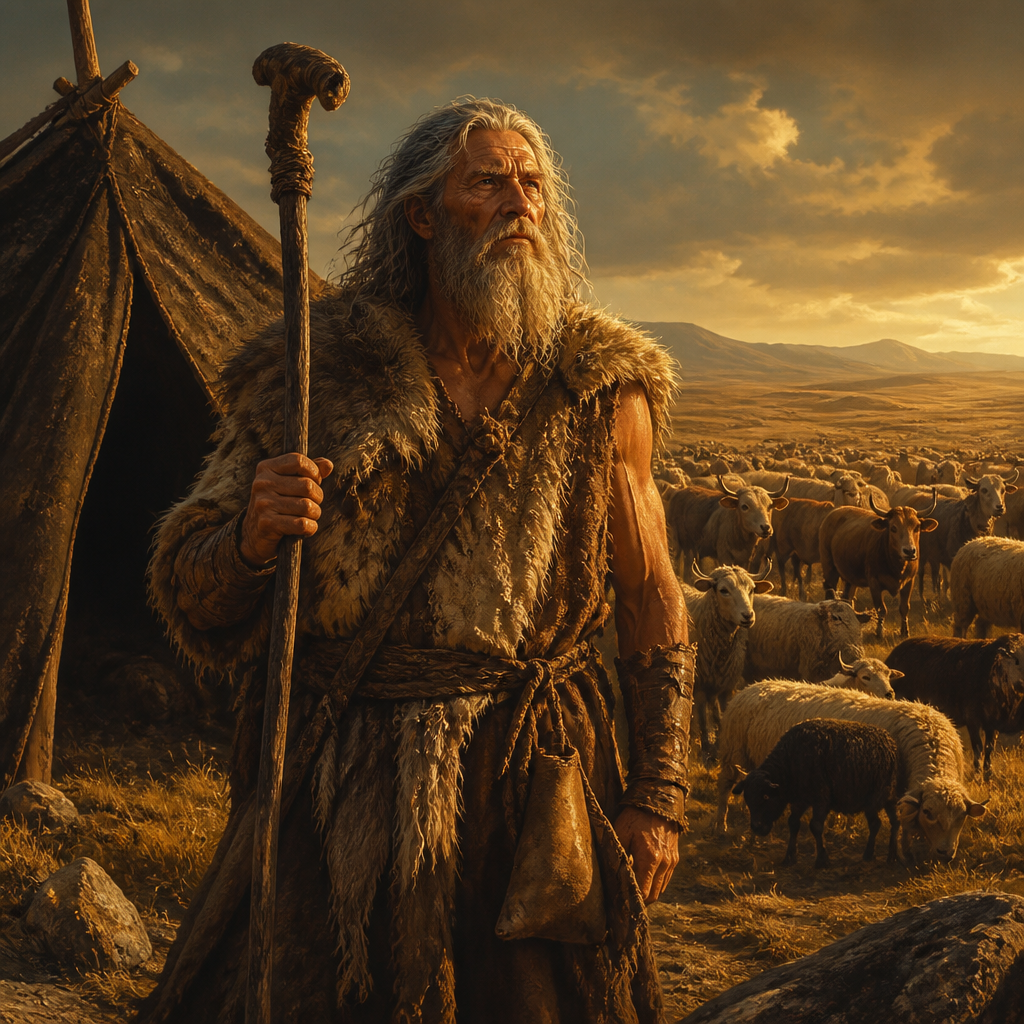
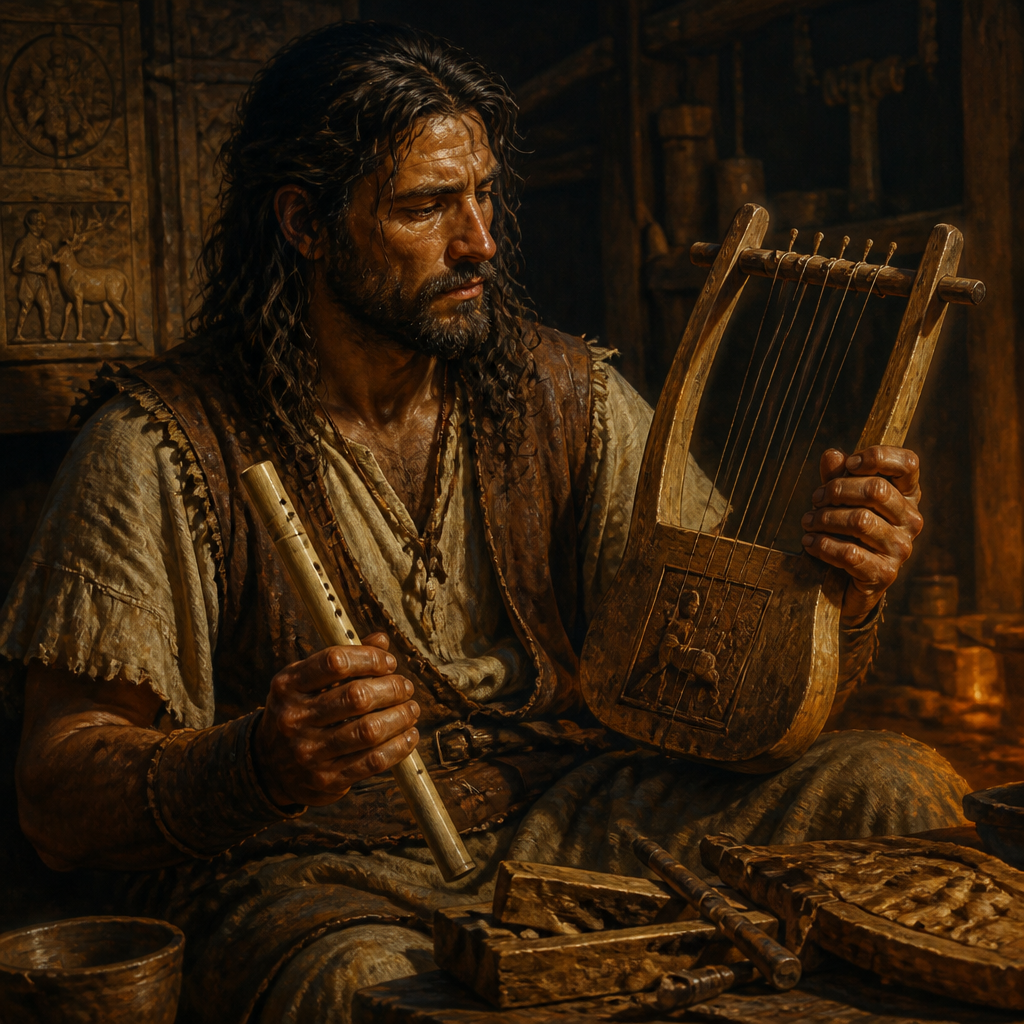
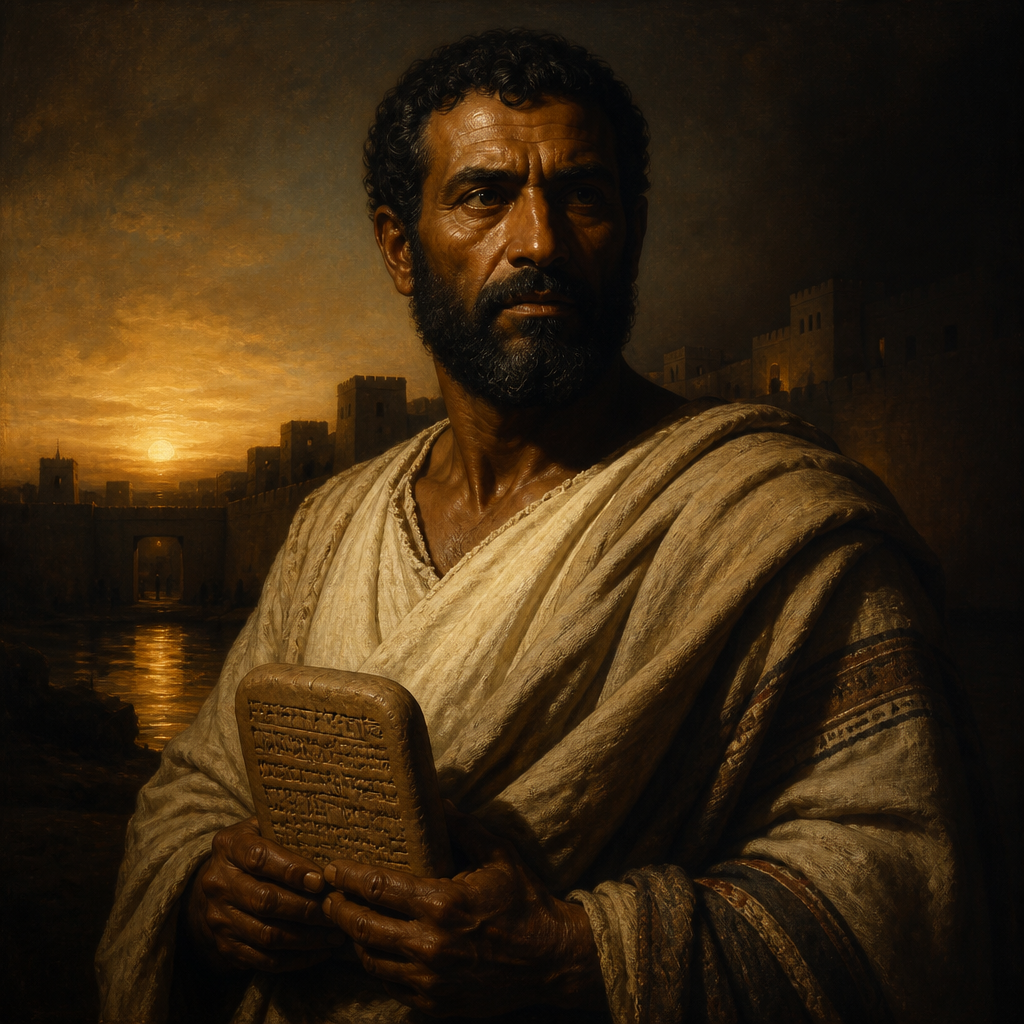
The narrative focuses extensively on the family of Lamech, who is the first man described as having two wives, Adah, and Zillah (Genesis 4:19). The text attributes specific cultural and industrial advancements to the children of these two women. Adah gives birth to Jabal, who is the ancestor of those who live in tents and raise livestock (Genesis 4:20). Her second son is Jubal, who is described as the father of all who play the harp and flute (Genesis 4:21). Zillah gives birth to Tubal-cain, who is the first forger of all instruments of bronze and iron (Genesis 4:22). Zillah also has a daughter named Naamah, though the text does not state her specific occupation or role (Genesis 4:22).
This genealogy serves to document the rapid development of human society outside of the presence of God. While the line begins with a city named for Enoch it culminates in the violent poetry of Lamech, who boasts to his wives about killing a man for wounding him (Genesis 4:23–24). The passage contrasts the technological sophistication of these descendants with their moral trajectory. By recording the origins of nomadism, music, and metallurgy, the text identifies the descendants of Cain as the primary architects of the physical and artistic world that exists prior to the great flood. The text does not say how this lineage ends or if any members survived the later biblical deluge.
Everyone in this list
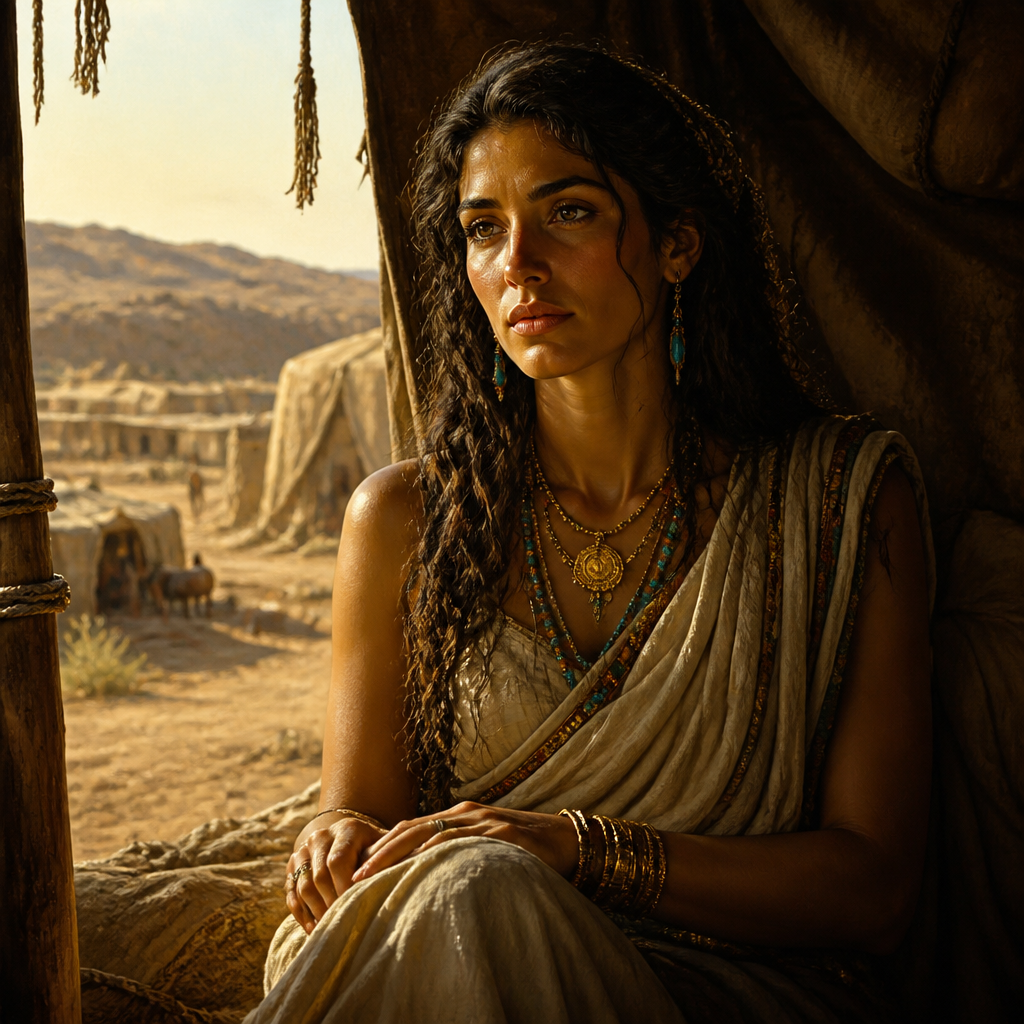
Adah, Wife of Lamech
First woman named after Eve and mother to the founders of nomadism and music
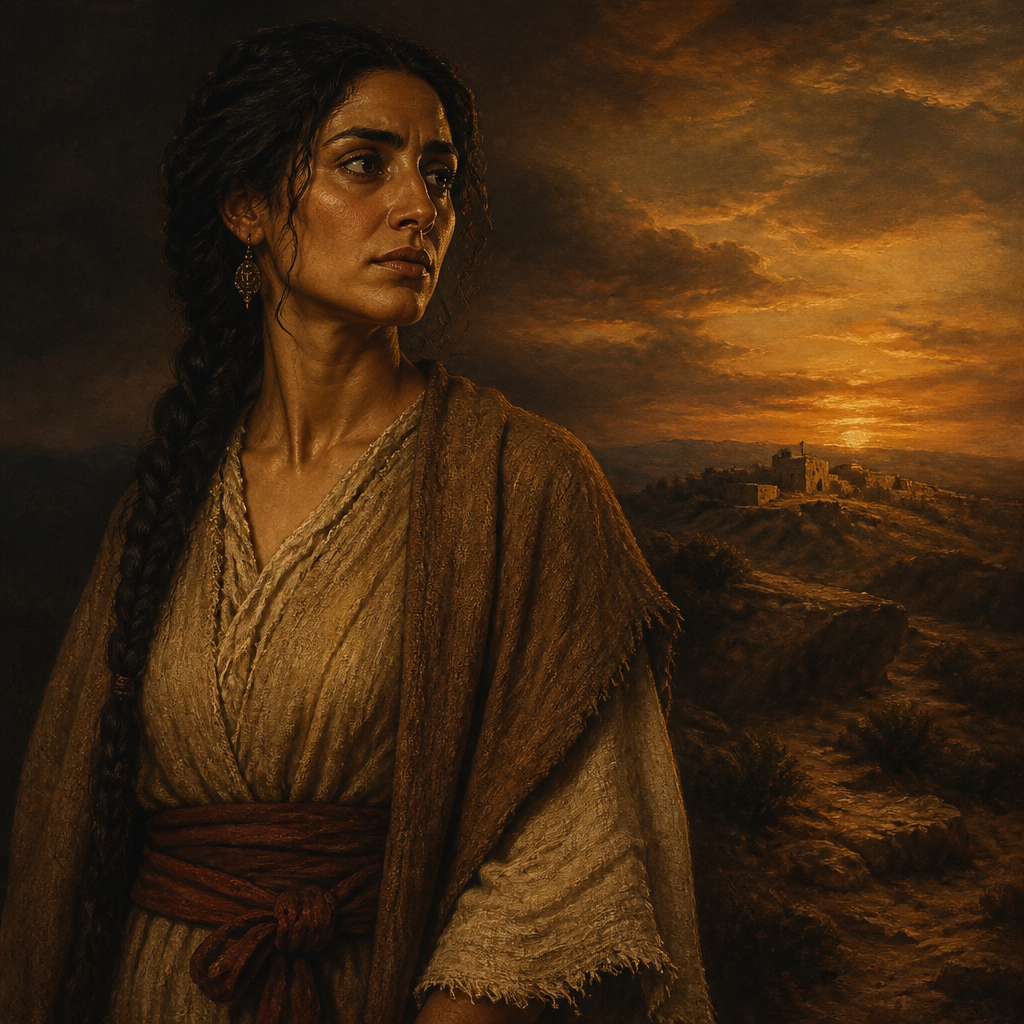


Lamech, Son of Methushael
The first polygamist and author of the Song of the Sword


Naamah, Daughter of Lamech
The daughter of Lamech and sister of Tubal-cain in Cain's lineage