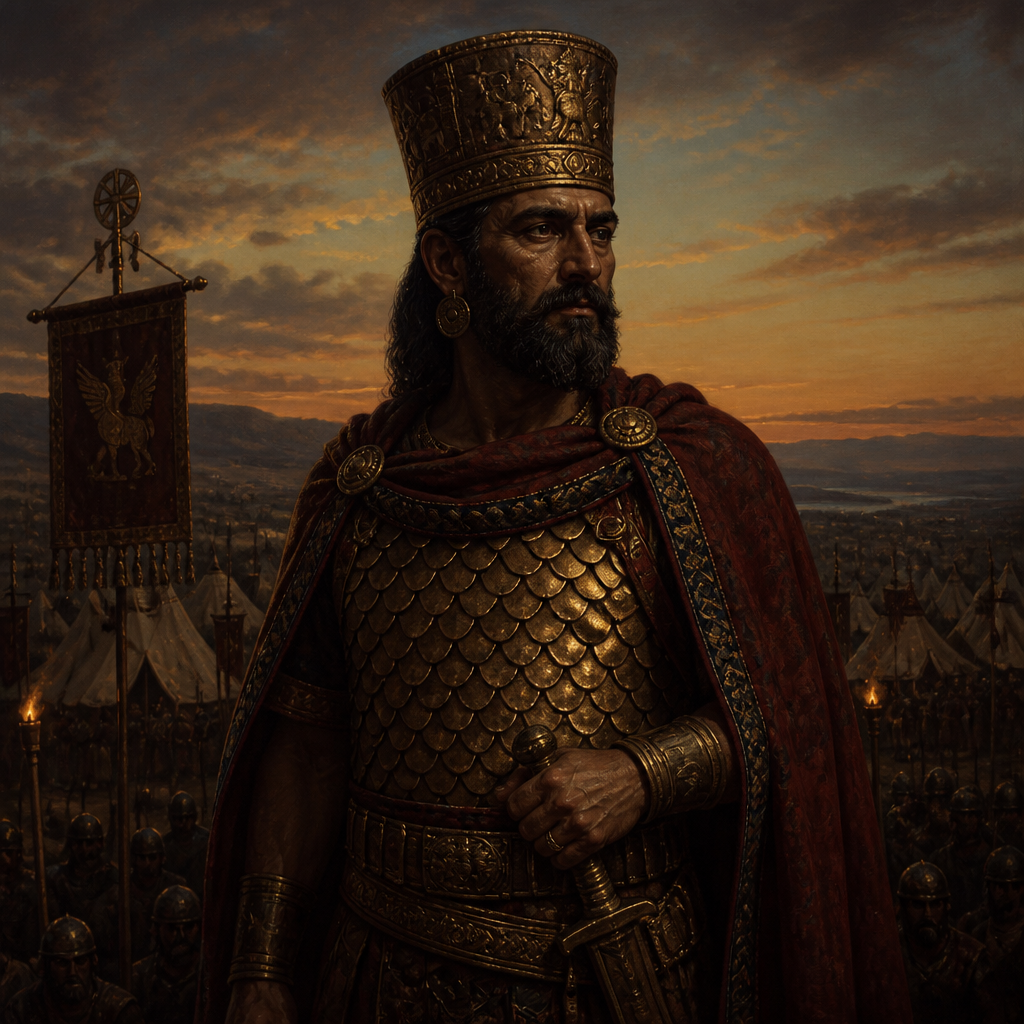
Chedorlaomer's Coalition
The four eastern kings of Genesis 14 whose invasion of the Jordan valley drew Abram into his first act of holy war.
The roster known as Chedorlaomer’s Coalition identifies four eastern monarchs who conducted a military campaign against five rebellious city-states in the region of the Dead Sea. This account is recorded in Genesis 14, which describes a geopolitical conflict that occurred after twelve years of local servitude to a foreign power (Genesis 14:4). The text organizes the coalition by listing the kings and their respective territories before detailing their march through the Transjordan highlands to suppress a revolt.
The coalition is led by Chedorlaomer, who is identified as the King of Elam and the primary authority to whom the local kings had been subject (Genesis 14:4–5). Amraphel is listed as the King of Shinar, representing the region of Babylonia (Genesis 14:1). Arioch joined the campaign as a sovereign ally from a territory located between the other major powers (Genesis 14:1). Tidal is described as the King of Goiim, a term the text uses to denote a ruler of various nations or groups (Genesis 14:1). These four rulers combined their forces to defeat the kings of Sodom and Gomorrah, seizing their goods and taking their people captive (Genesis 14:11–12).
The narrative structure emphasizes the overwhelming power of this alliance to contrast it with the subsequent intervention by Abram. The text records that the coalition successfully defeated several ethnic groups, including the Rephaim and the Zuzim, before engaging the five kings of the valley in the Valley of Siddim (Genesis 14:5–10). The conflict reaches its climax when the coalition captures Lot, the nephew of Abram, which prompts Abram to gather his own trained men to pursue the four kings (Genesis 14:12–14).
Scripture preserves the names of Chedorlaomer’s Coalition to establish the historical and political scale of the crisis that forced Abram into his first recorded military action. By defeating these four established monarchs, Abram rescued Lot and recovered the looted property, an act that led to his encounter with Melchizedek (Genesis 14:16–18). The inclusion of these specific names serves to document a shift from Abram’s life as a wandering pastoralist to a figure capable of engaging in international warfare and diplomacy. The text does not say what happened to these kings after their defeat at Hobah, north of Damascus (Genesis 14:15).
Everyone in this list
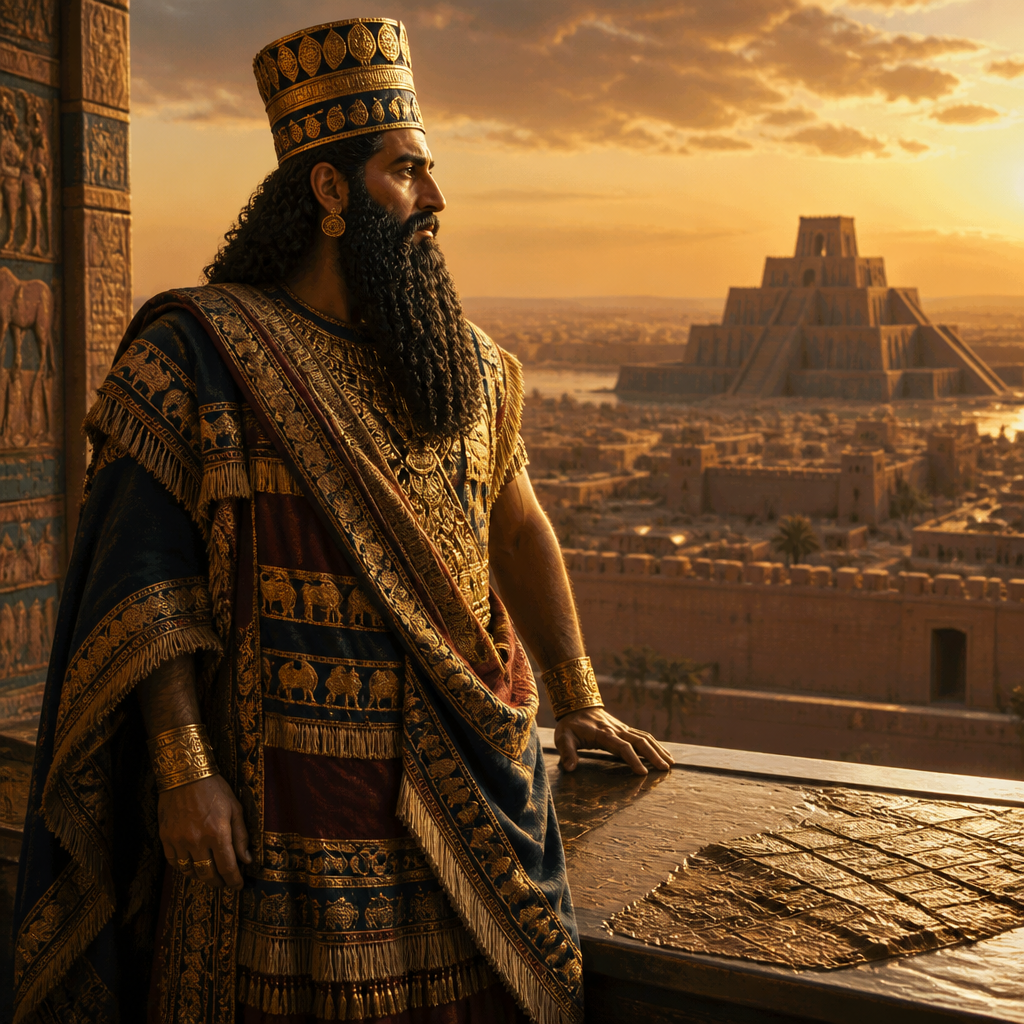
Amraphel
Leader of a Mesopotamian coalition in the Battle of the Siddim Valley
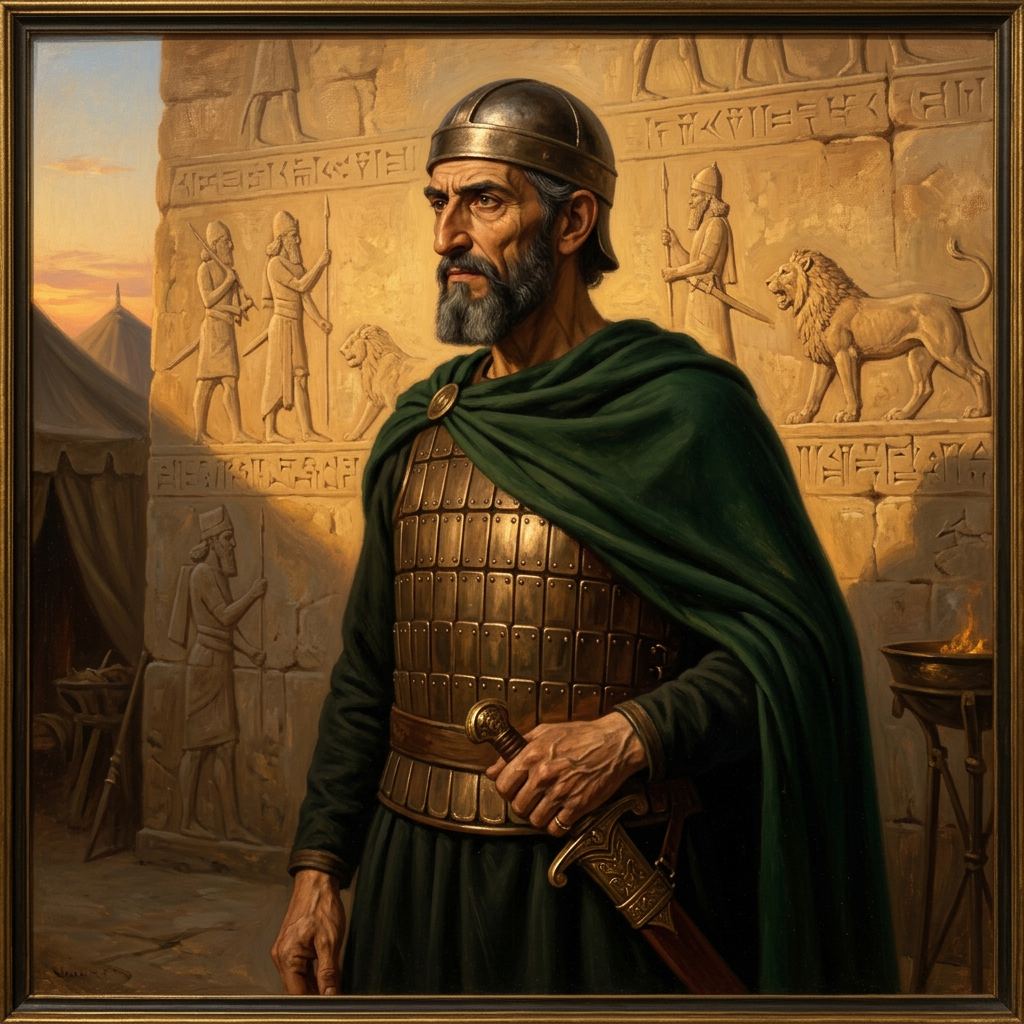
Arioch, King of Ellasar
King of Ellasar and member of Chedorlaomer's coalition defeated by Abraham (Genesis 14)
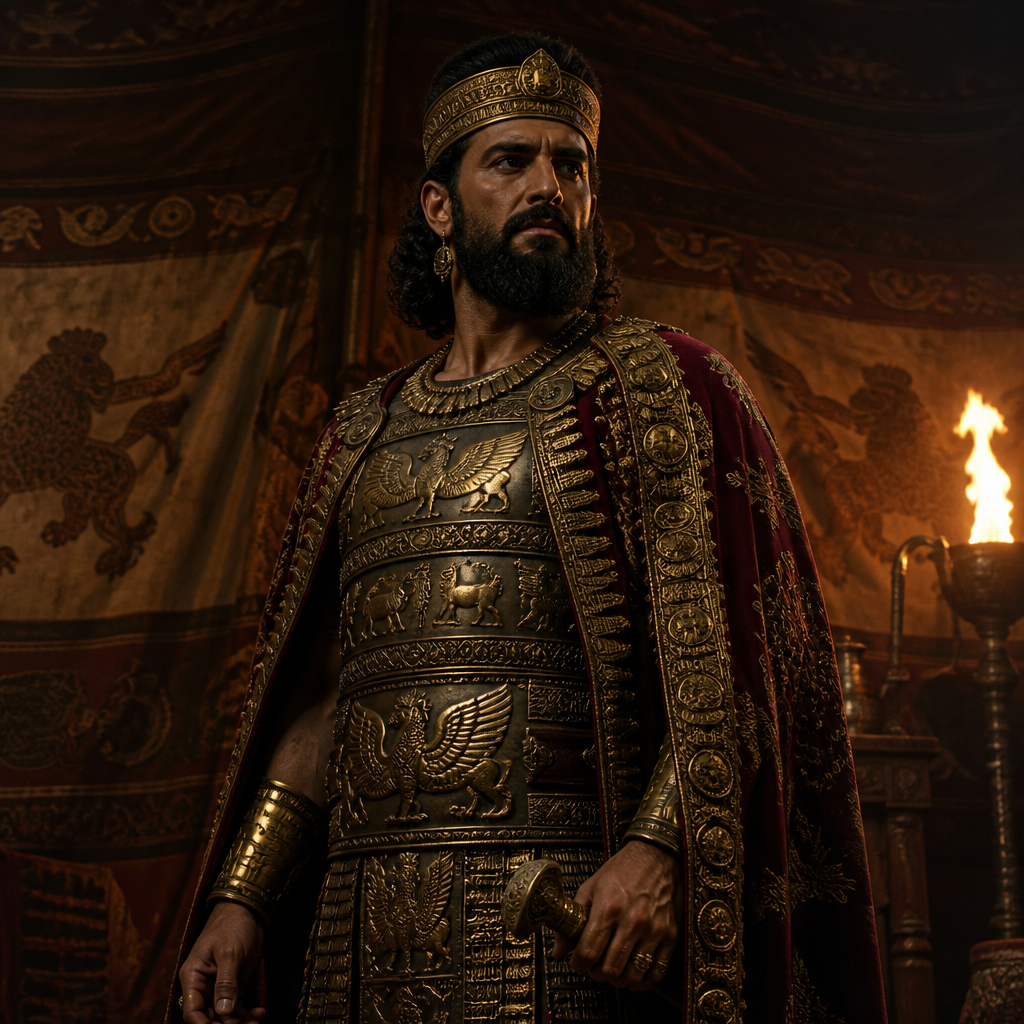
Chedorlaomer
King of Elam who led the four-king coalition that captured Lot and was defeated by Abraham