Ezbai
Who was Ezbai in the Bible?
Ezbai was a man known exclusively as the father of Naarai, one of King David's elite warriors.
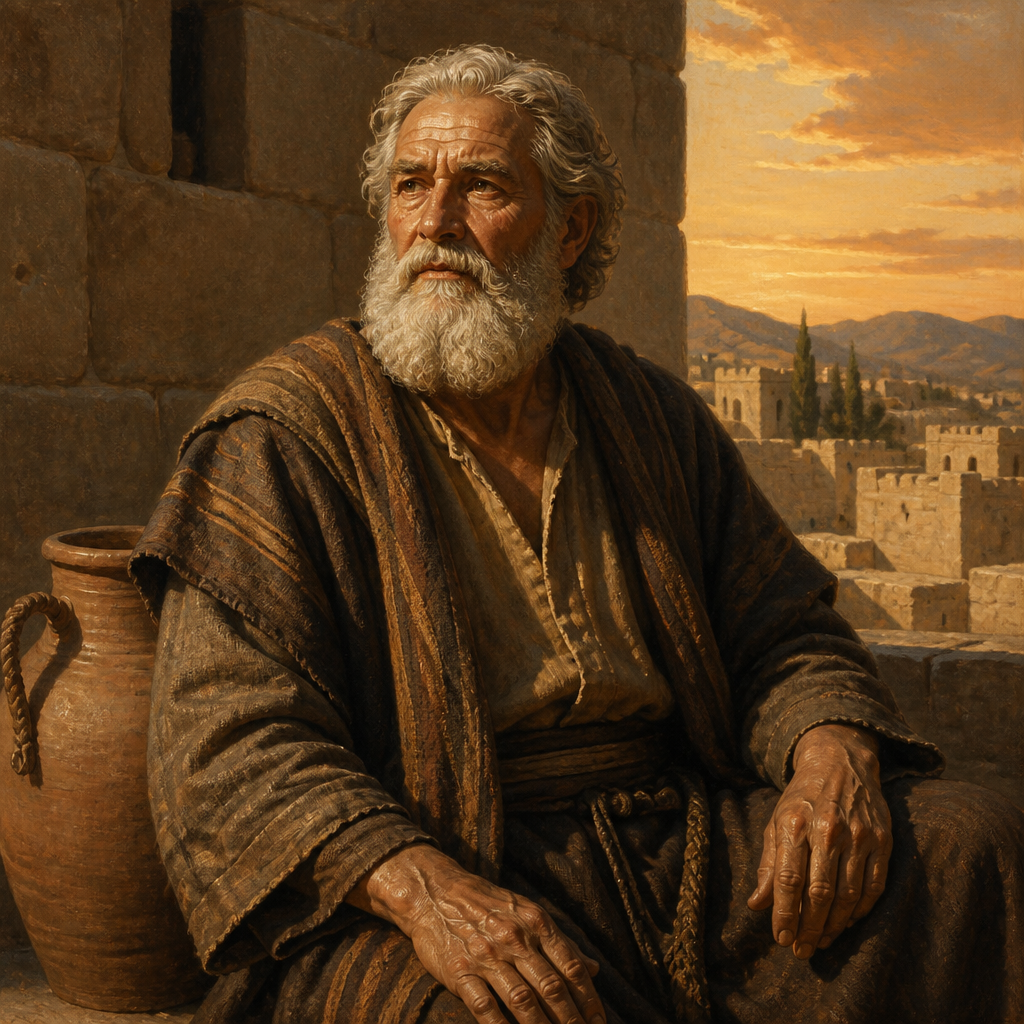
Ezbai is a figure mentioned within the genealogical and military records of the Old Testament. He lived during the United Monarchy, though his specific tribal affiliation is not preserved in the Masoretic Text. His primary historical and biblical identification is defined by his son, Naarai, who achieved high status as one of King David’s mighty men.
While Ezbai himself is not credited with specific military or political deeds, his inclusion in the Chronicles serves as a marker of lineage for a family that contributed to the security and establishment of the Davidic throne. The record of his name highlights the importance of ancestral heritage in the preservation of Israelite history during the monarchical period.
Background and Family
Ezbai appears in the biblical record within the context of the Davidic military lists. According to 1 Chronicles 11:37, Ezbai is the father of Naarai. The timing of this record places Ezbai’s family within the era of the United Monarchy, specifically associated with the rise and consolidation of David's power over all Israel. Because he is identified by his son’s affiliation with David’s "Mighty Men" (the Gibborim), it is understood that Ezbai belonged to a lineage of significant social or military standing.
His tribal origin is not explicitly stated in the text. While other warriors in the same list are identified by their hometowns or tribal territories—such as Hezro the Carmelite, who is mentioned alongside Naarai—Ezbai remains a figure whose primary descriptor is his paternal relationship. This lack of geographic detail suggests that in the contemporary records of the chronicler, the name Ezbai was sufficient to identify the household without further qualification.
Major Life Events
The biblical text does not record any specific events in the life of Ezbai. He is a passive figure in the narrative, serving as a genealogical anchor. In the ancient Near Eastern context, being listed as the father of a distinguished warrior like Naarai implies that Ezbai was the head of a household that supported the Davidic cause. His life would have been shaped by the shifting political landscape as the United Monarchy eventually split, though the chronicler focuses strictly on the military honors of his descendant.
Relationship to Other Biblical Figures
Ezbai’s sole recorded relationship is with his son, Naarai. Naarai is listed among the elite soldiers who served David. In the parallel list found in 2 Samuel 23:35, the figure corresponding to Naarai is called "Paarai the Arbite." This variance in the text has led some scholars to suggest that Ezbai might be linked to the town of Arab, though the text in 1 Chronicles 11 remains the primary witness to the name Ezbai itself.
Spiritual Significance
Though Ezbai is mentioned only once, his presence in the Holy Scriptures underscores the biblical theme of individual recognition within the community of faith. In the Books of Chronicles, genealogies are used to demonstrate God’s continuity with His people. By naming Ezbai, the text affirms that the contributors to the kingdom of God—even those who serve as the quiet foundations for more famous sons—are known and recorded by name. He represents the generation that produced the defenders of the Davidic covenant.
Ezbai represents the vital role of the family unit in the preservation of the Israelite state. As the father of one of David’s mighty men, he symbolizes the domestic background required to produce the leaders and defenders of the nation. His name is preserved as a testament to the fact that every member of the community, whether through direct action or through their legacy, played a part in the divine history of Israel.
In a broader theological sense, Ezbai’s inclusion in the Chronicler’s list demonstrates the meticulous nature of God’s record-keeping. While he may be a minor figure to the reader, his name is etched into the permanent record of the people of God, illustrating that no individual is insignificant in the unfolding of the messianic lineage and the history of the kingdom.
Frequently Asked Questions
Who was Ezbai in the Bible?
Ezbai was the father of Naarai, one of King David’s elite warriors known as the 'Mighty Men.'
Which book of the Bible mentions Ezbai?
Ezbai is mentioned in the book of 1 Chronicles, specifically in chapter 11, verse 37.
What tribe did Ezbai belong to?
The Bible does not specify Ezbai's tribe, though he is listed among families associated with the Davidic military.
Did Ezbai have any other children?
The biblical text only names Naarai as the son of Ezbai; no other children are mentioned.
Family & Relationships
 EzbaiThis page
Children
 NaaraiSon1 Chronicles 11:37Stated
Connected Figures
Family
Son · 1 Chronicles 11:37
Naarai, the son of Ezbai, was a distinguished warrior and member of King David's elite military bodyguard known as the 'Mighty Men' or the Thirty.
United MonarchyFirst: 1 Chronicles 11:371 versesWarrior, Commander of the Thirty
Mentions by Book
- 1 Chronicles1
Scripture References
All 1 indexed verse, in canonical order, from the Berean Standard Bible.
1 Chronicles · 1
- 1 Chronicles 11:37
Hezro the Carmelite, Naarai son of Ezbai,