Ben-hesed
Who was Ben-hesed in the Bible?
One of King Solomon’s twelve district deputies, responsible for the administration and provisioning of the royal court from the region of Arubboth.
Ben-hesed was a high-ranking official during the United Monarchy of Israel, serving under King Solomon. He is specifically identified as one of the twelve governors or deputies (Hebrew: nissabim) appointed by the king to oversee the taxation and provisioning of the royal household. Each deputy was responsible for providing food and supplies for the king and his court for one month of the year, a task that required significant logistical and administrative skill.
His jurisdiction was centered in the town of Arubboth and included the surrounding territories of Socoh and the land of Hepher. As a representative of the crown in these productive agricultural regions, Ben-hesed played a vital role in the centralized economic system that characterized Solomon’s golden age in the 10th century BC. His name, which means "Son of Hesed" (or "Son of Kindness/Mercy"), follows a pattern in the Solomonic lists where several officials are identified by their patronymics.
Background and Family
Ben-hesed appears in the biblical record within the administrative list of King Solomon's cabinet and district governors found in 1 Kings 4. The text identifies him as the "son of Hesed" (Ben-hesed). In the Hebrew administrative lists of this period, it was not uncommon for officials to be referred to by their father’s name, either as a primary identifier or because the full personal name had been lost or eclipsed by the family designation.
While his specific tribe is not explicitly named in the text, his geographic assignment suggests deep ties to the territories originally allocated to the tribes of Judah or Manasseh, depending on the precise boundaries of the Hepher region. He was part of a specialized class of officials who bridged the gap between the local tribal elders and the centralized monarchy in Jerusalem.
Major Life Events
According to 1 Kings 4:10, Ben-hesed was assigned to the district of Arubboth. His territory was expansive and economically significant, encompassing Socoh and the entirety of the land of Hepher. This region was known for its fertility and strategic location. As one of the twelve deputies, Ben-hesed’s primary responsibility was the collection of tribute and agricultural produce.
Ben-hesed in Arubboth (Socoh and all the land of Hepher belonged to him); (1 Kings 4:10, BSB)
This system was essential for maintaining the lavish lifestyle of Solomon’s court and the standing army. Ben-hesed would have managed local granaries, overseen the transport of goods to the capital, and acted as the king’s judicial and civil representative in his assigned district.
Relationship to Other Biblical Figures
Ben-hesed served alongside eleven other deputies, such as Ben-hur, Ben-deker, and Ben-abinadab. He was directly accountable to Azariah the son of Nathan, who was the chief officer over all the deputies (1 Kings 4:5). His service occurred during the height of the United Monarchy, a period of peace and unprecedented prosperity for Israel.
Spiritual Significance
Though Ben-hesed is mentioned only once, his inclusion in the Holy Scripture serves as a testament to the order and divine blessing bestowed upon Israel during Solomon's reign. The organized nature of his office reflects the biblical theme of stewardship and the fulfillment of the promise that Israel would become a great and well-ordered nation. The administrative precision recorded in 1 Kings 4 highlights the transition of Israel from a loose confederation of tribes to a sophisticated, unified state under the Davidic covenant.
Ben-hesed’s significance lies in his role as a pillar of Solomon’s administrative infrastructure. He represents the shift toward a centralized bureaucracy that supported the building of the First Temple and the expansion of Israel's borders. His presence in the text reinforces the historical reliability of the Solomonic records, providing specific geographical details that align with the archaeology of the Iron Age Levant.
Technically, his role illustrates the implementation of royal authority over tribal lands. By dividing the land into twelve administrative districts that did not strictly follow ancient tribal boundaries, Solomon—and by extension his deputies like Ben-hesed—consolidated power and ensured the steady flow of resources necessary for the nation's spiritual and political projects.
Frequently Asked Questions
What does the name Ben-hesed mean?
The name is Hebrew for 'Son of Hesed.' Hesed is a significant biblical word often translated as 'loving-kindness,' 'mercy,' or 'steadfast love.'
Where was Ben-hesed’s district located?
He governed Arubboth, which included Socoh and the land of Hepher, located in the fertile regions of central Israel.
What was Ben-hesed’s main job?
He was a district deputy responsible for providing food and supplies for King Solomon's palace for one month out of every year.
Who was Ben-hesed’s father?
The Bible identifies his father as Hesed, though no further details about Hesed's life are provided.
In which book of the Bible is Ben-hesed mentioned?
He is mentioned only in the book of 1 Kings, specifically in chapter 4, verse 10.
Family & Relationships
Parents
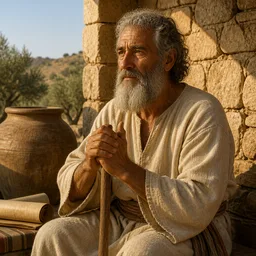 HesedFather1 Kings 4:10
Inferred
No verse names Hesed and Ben-hesed together; the son link is carried from the surrounding genealogy and is not stated in Scripture.Evidence: 1 Kings 4:10
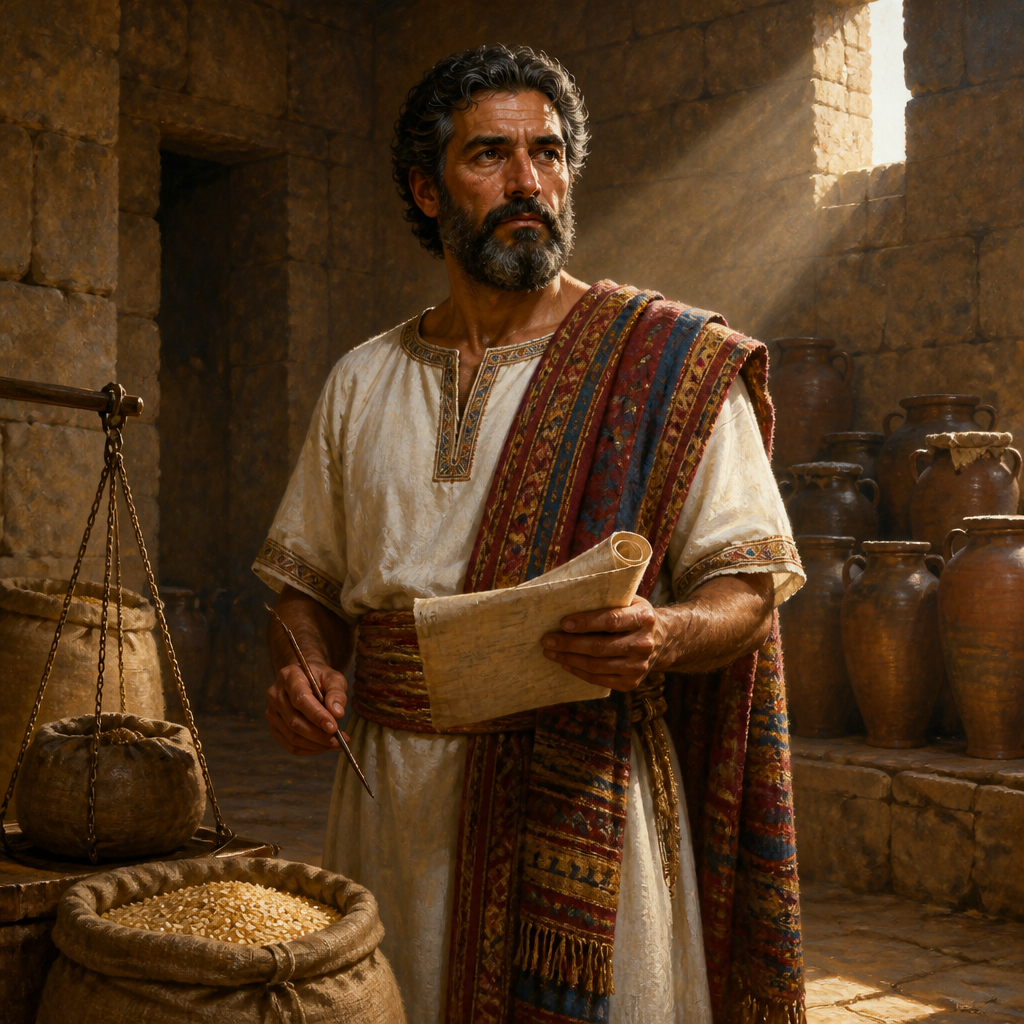 Ben-hesedThis page
Connected Figures
Family
Father · 1 Kings 4:10
A man of the United Monarchy period whose name is preserved in the patronymic of one of King Solomon’s twelve district governors.
United MonarchyFirst: 1 Kings 4:101 versesPatriarch of a prominent family
Categories
Mentions by Book
- 1 Kings1
Scripture References
All 1 indexed verse, in canonical order, from the Berean Standard Bible.
1 Kings · 1
- 1 Kings 4:10
Ben-hesed in Arubboth (Socoh and all the land of Hepher belonged to him);