Bedan
Who was Bedan in the Bible?
A descendant of Manasseh and the son of Ulam, listed within the genealogical records of the Tribe of Manasseh in the book of 1 Chronicles.
Bedan was a member of the Tribe of Manasseh during the Egypt and Wilderness era. He is identified in the biblical record as the son of Ulam and a descendant of Gilead, the son of Machir. His presence in the scriptures is confined to a genealogical list intended to preserve the heritage of the northern tribes of Israel.
While his individual actions are not detailed in the biblical narrative, his lineage connects him to the powerful clan of Machir. This clan was significant for its role in the settlement and defense of the territories east and west of the Jordan River, maintaining a distinct tribal identity during the complex political climate of the Egypt and Wilderness era.
Background and Family
Bedan appears within the genealogical archives of 1 Chronicles 7, a section of Scripture dedicated to documenting the tribal lineages of Israel. According to 1 Chronicles 7:17, Bedan was the son of Ulam. His wider ancestral line traces back through Gilead and Machir to Manasseh, the firstborn son of Joseph. This placement identifies him as part of the Machirite branch of the Tribe of Manasseh, a group noted for its military prowess and territorial holdings.
The son of Ulam: Bedan. These were the sons of Gilead son of Machir, the son of Manasseh. (1 Chronicles 7:17, BSB)
The record does not provide the name of Bedan's mother or any siblings he may have had, nor does it list his own descendants. He is presented strictly within the context of his immediate father, Ulam, and his famous ancestors.
Major Life Events
The biblical text does not record any specific events, speeches, or deeds performed by Bedan. During the Egypt and Wilderness era, the Tribe of Manasseh was split geographically; part of the tribe resided in the northern highlands of Samaria, while the other half occupied the regions of Gilead and Bashan in the Transjordan. As a descendant of Gilead, it is likely that Bedan’s family heritage was rooted in the rugged eastern territories of Israel.
His inclusion in the chronicler's list serves a functional purpose rather than a narrative one. By the time 1 Chronicles was compiled, such genealogies were essential for validating the identity of the Israelites and asserting their historical claim to the land and their tribal heritage following the disruptions of the Assyrian and Babylonian conquests.
Relationship to Other Biblical Figures
Bedan’s primary relationship defined in the text is his filiation to Ulam. Through Ulam, he is linked to the broader Machirite line. Machir, his great-great-grandfather, was a prominent figure who received land in Gilead due to his reputation as a man of war (Joshua 17:1). Bedan represents the continuation of this lineage into the Egypt and Wilderness era, illustrating the persistence of the Manassite families through successive generations.
Spiritual Significance
The spiritual significance of Bedan lies in the biblical theme of divine remembrance. Though he is mentioned only once and his life remains obscure to modern readers, his name is preserved in the inspired record of Israel. In the context of the Egypt and Wilderness era, a time often characterized by spiritual apostasy in the northern tribes, the preservation of specific family names like Bedan’s highlights the ongoing importance of the covenant community and the individual members who comprised the tribes of God's people.
Bedan serves as a link in the genealogical chain of the Tribe of Manasseh. His mention underscores the biblical emphasis on heritage and the meticulous preservation of tribal identity during the Egypt and Wilderness era. It demonstrates that even individuals who did not achieve national fame were considered integral parts of the historical and covenantal fabric of Israel.
From a theological perspective, Bedan represents the 'unnamed' multitude of the faithful or the common people of Israel whose names are nevertheless recorded in the sacred text. His inclusion in the Chronicles ensures that the lineage of Joseph, through Manasseh, is fully accounted for in the biblical record.
Frequently Asked Questions
Who was Bedan's father?
Bedan was the son of Ulam, as recorded in 1 Chronicles 7:17.
Which tribe did Bedan belong to?
Bedan belonged to the Tribe of Manasseh, specifically the branch descended from Gilead and Machir.
What actions is Bedan known for?
The Bible does not record any specific actions or deeds performed by Bedan; he is known only through his inclusion in a genealogical list.
How many times is this Bedan mentioned in the Bible?
This specific Bedan is mentioned only once, in 1 Chronicles 7:17.
Family & Relationships
Parents
 Ulam, descendant of ManassehFather1 Chronicles 7:17Stated
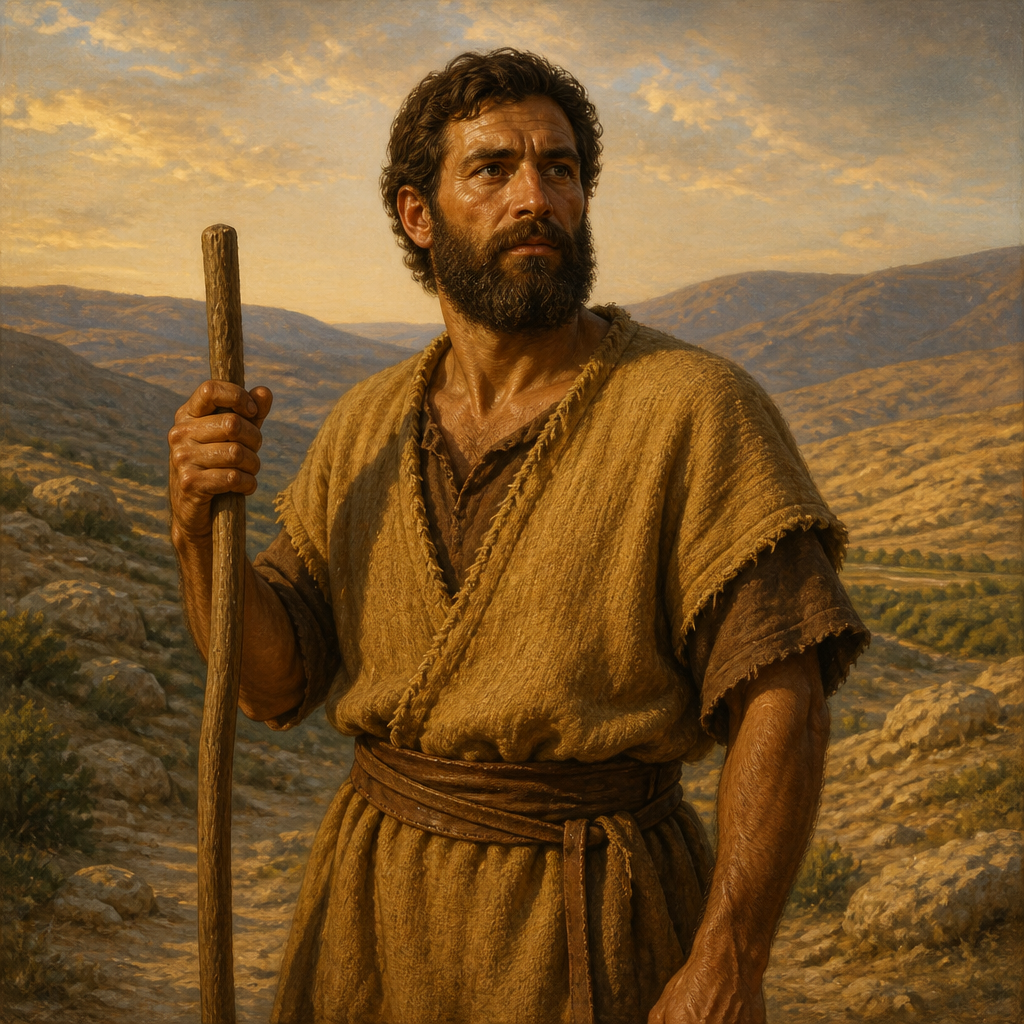 BedanThis page
Connected Figures
Family
Father · 1 Chronicles 7:17
Ulam was a descendant of the patriarch Manasseh through the lineage of Gilead, recorded in the genealogies of 1 Chronicles.
Egypt and WildernessFirst: 1 Chronicles 7:162 versesManasseh
Mentions by Book
- 1 Chronicles1
Scripture References
All 1 indexed verse, in canonical order, from the Berean Standard Bible.
1 Chronicles · 1
- 1 Chronicles 7:17
The son of Ulam: Bedan. These were the sons of Gilead son of Machir, the son of Manasseh.