Iphdeiah
Who was Iphdeiah in the Bible?
Iphdeiah was a prominent member of the tribe of Benjamin and a son of Shashak, listed among the heads of families residing in Jerusalem.
Iphdeiah is a minor biblical figure mentioned exclusively in the genealogical records of the tribe of Benjamin. His name, derived from Hebrew roots, roughly translates to "Yahweh redeems" or "may Yahweh set free," reflecting the theocentric naming conventions prevalent during the Divided Monarchy. He is identified as one of the numerous sons of Shashak, a leader within the Benjamite hierarchy.
While biographical details regarding his personal life and specific deeds are absent from the biblical text, his inclusion in the chronicler’s record serves a vital structural purpose. Iphdeiah represents the preservation of the Benjamite lineage following the relocation of certain clans to Jerusalem. His placement in the text highlights the social and political reorganization of Israel's tribes during the mid-to-late monarchial period.
Background and Family
Iphdeiah is situated within the complex genealogical framework of the Tribe of Benjamin, as recorded in 1 Chronicles 8. He is explicitly identified as a son of Shashak. The text lists Iphdeiah alongside a large cohort of brothers, including Ishpan, Eber, Eliel, Abdon, Zichri, Hanan, Hananiah, Elam, Anthothijah, and Penuel.
This specific branch of the Benjamite tree is noted for its transition to Jerusalem. According to the chronicler, these individuals were "heads of the fathers' houses" and "chief men" who dwelt in Jerusalem (1 Chronicles 8:28). This suggests that Iphdeiah belonged to a class of tribal nobility or landed gentry who held significant social standing within the holy city during the Divided Monarchy.
Major Life Events
The biblical record does not preserve any specific events, speeches, or actions attributed to Iphdeiah. His "life" in the text is purely genealogical. However, his presence in the list indicates that he survived the various tribal shifts and settled in the capital. The era of the Divided Monarchy was characterized by tension between the Northern Kingdom of Israel and the Southern Kingdom of Judah; the Tribe of Benjamin, situated on the border, often found its members integrated into the Judean administrative and religious center of Jerusalem. Iphdeiah’s inclusion confirms the continued vitality of the Benjamite identity within the southern political sphere.
Relationship to Other Biblical Figures
Iphdeiah’s primary relationships are defined by his siblings and his father, Shashak. He is one of eleven named brothers. The repetition of names in the Chronicler's lists (such as Abdon and Eliel appearing in nearby verses) emphasizes the density of the Shashak family line. As a "chief man" (Hebrew: rosh), Iphdeiah would have shared authority with his brothers in governing their specific ancestral house within the urban environment of Jerusalem.
Spiritual Significance
The significance of Iphdeiah lies in the meaning of his name and his role in the post-exilic memory of the Divided Monarchy. The name Iphdeiah (meaning "Yahweh redeems") serves as a linguistic testament to the faith of his parents and the enduring hope of the Benjamite tribe. In a broader theological context, Iphdeiah represents the "remnant" of the tribes that remained faithful to the Davidic center in Jerusalem. For the readers of 1 Chronicles, Iphdeiah was a link in the chain of continuity that proved God had not forgotten the smaller tribes of Israel, even amidst the political upheavals of the Divided Monarchy.
Iphdeiah's inclusion in the Book of Chronicles emphasizes the meticulous preservation of Israelite heritage. As a head of a father's house in Jerusalem, he represents the administrative stability of the Tribe of Benjamin during the Divided Monarchy. His name also underscores the redemptive themes central to the Chronicler's theology.
His role is primarily as a representative of the urbanized Benjamite leadership. By documenting figures like Iphdeiah, the biblical text asserts that every family unit had a designated place and recognition within the covenant community, regardless of how many personal exploits were recorded.
Frequently Asked Questions
What does the name Iphdeiah mean?
The name Iphdeiah is Hebrew for 'Yahweh redeems' or 'The Lord sets free.'
Which tribe did Iphdeiah belong to?
Iphdeiah was a member of the Tribe of Benjamin.
Where did Iphdeiah live?
According to 1 Chronicles 8:28, he was among the chief men who lived in Jerusalem.
Who was Iphdeiah's father?
His father was Shashak, a leader in the tribe of Benjamin.
How many times is Iphdeiah mentioned in the Bible?
Iphdeiah is mentioned only once, in 1 Chronicles 8:25.
Family & Relationships
Parents
 ShashakFather1 Chronicles 8:25Stated
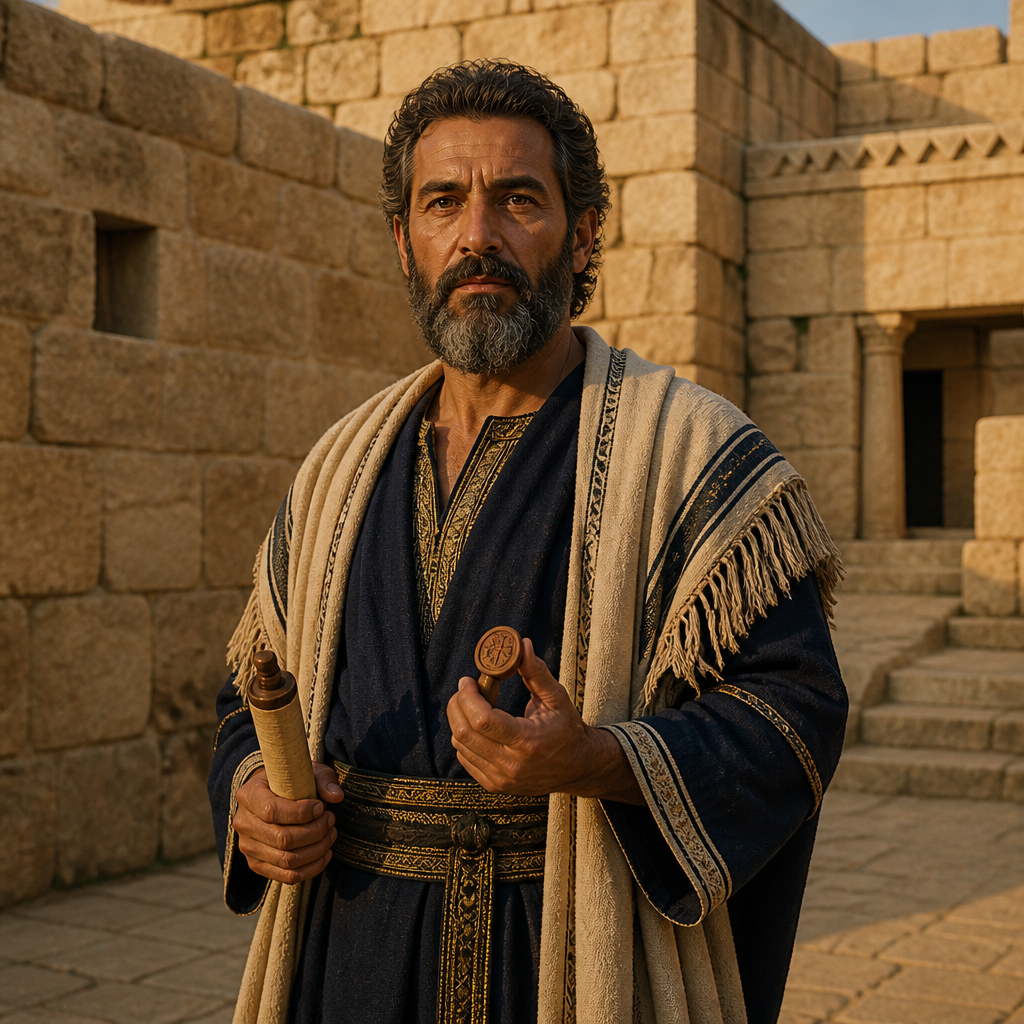 IphdeiahThis page
 Abdon, Son of ShashakBrother1 Chronicles 8:23–25Stated
 AnthothijahBrother1 Chronicles 8:24–25Stated
 Eber, Son of ShashakBrother1 Chronicles 8:22–25Stated
 Elam, Son of ShashakBrother1 Chronicles 8:24–25Stated
 Eliel, Son of ShashakBrother1 Chronicles 8:22–25Stated
 Hanan, Son of ShashakBrother1 Chronicles 8:23–25Stated
 Hananiah, Son of ShashakBrother1 Chronicles 8:24–25Stated
 IshpanBrother1 Chronicles 8:22–25Stated
 Penuel, Son of ShashakBrother1 Chronicles 8:25Stated
 Zichri, Son of ShashakBrother1 Chronicles 8:23–25Stated
Connected Figures
Family
Father · 1 Chronicles 8:25
A prominent Benjamite leader and son of Beriah who headed a significant ancestral house during the late Egyptian sojourn and early wilderness period.
Brother · 1 Chronicles 8:23–25
A Benjaminite leader and son of Shashak listed in the genealogical records of the Divided Monarchy period.
Brother · 1 Chronicles 8:24–25
A Benjaminite leader and son of Shashak, recorded in the genealogical records of the Divided Monarchy period.
Brother · 1 Chronicles 8:22–25
A Benjamite leader during the Divided Monarchy and one of the eleven sons of Shashak recorded in the genealogical registers of 1 Chronicles.
Brother · 1 Chronicles 8:24–25
A Benjamite leader and son of Shashak listed in the genealogies of the Divided Monarchy period.
Brother · 1 Chronicles 8:22–25
A tribal leader of the tribe of Benjamin and son of Shashak, recorded in the genealogies of the Divided Monarchy period.
Brother · 1 Chronicles 8:23–25
Hanan was a member of the Tribe of Benjamin and a son of Shashak, listed in the genealogical records of the Divided Monarchy.
Brother · 1 Chronicles 8:24–25
A Benjamite leader and son of Shashak listed among the heads of households dwelling in Jerusalem during the Divided Monarchy.
Brother · 1 Chronicles 8:22–25
A Benjamite leader and son of Shashak listed in the genealogical records of the Divided Monarchy.
Brother · 1 Chronicles 8:25
Penuel was a Benjamite head of a household and the son of Shashak during the Divided Monarchy period.
Divided MonarchyFirst: 1 Chronicles 8:254 versesHead of ancestral houseBenjamin
Brother · 1 Chronicles 8:23–25
A head of a household within the tribe of Benjamin and a son of Shashak, recorded in the genealogies of the Divided Monarchy period.
Categories
Mentions by Book
- 1 Chronicles4
Scripture References
All 4 indexed verses, in canonical order, from the Berean Standard Bible.
1 Chronicles · 4
- 1 Chronicles 8:22Partial
Ishpan, Eber, Eliel,
Cited as evidence on a family card; added so References, Key Verses and Mentions by Book share one index.
- 1 Chronicles 8:23Partial
Abdon, Zichri, Hanan,
Cited as evidence on a family card; added so References, Key Verses and Mentions by Book share one index.
- 1 Chronicles 8:24Partial
Hananiah, Elam, Anthothijah,
Cited as evidence on a family card; added so References, Key Verses and Mentions by Book share one index.
- 1 Chronicles 8:25
Iphdeiah, and Penuel were the sons of Shashak.