
Visitors of the Christ Child
Two very different visits to Jesus in Bethlehem: the shepherds at the manger the night He was born, and the wise men at a house some time later.
The roster of the Visitors of the Christ Child identifies the specific groups who traveled to Bethlehem to witness the newborn Jesus as recorded in the gospels of Matthew and Luke. The text describes two distinct events occurring at different times and locations within the town. The first group to arrive consists of The Shepherds, who are watching their flocks in the fields when an angel announces the birth of a Savior (Luke 2:8–11). These men travel immediately to Bethlehem to find the baby lying in a manger as a sign of the angelic message (Luke 2:12–16). The second group is identified as Wise Men from the East, who observe a star and travel to Jerusalem to inquire about the one born king of the Jews (Matthew 2:1–2). Unlike the first group, these travelers arrive at a house to find the child with his mother (Matthew 2:11).
The organization of these visitors in the biblical narrative highlights their different social statuses and origins. The Shepherds represent a local, humble class who receive a direct celestial invitation while performing their nightly labor (Luke 2:8–9). After seeing the child, they spread the word concerning what had been told them about him (Luke 2:17). In contrast, the Wise Men from the East represent foreign dignity and wealth, bringing specific gifts of gold, frankincense, and myrrh (Matthew 2:11). They utilize natural observation and consultation with religious experts to locate the child (Matthew 2:2–6). The text does not say how many wise men there were, nor does it provide the names of the individual shepherds.
These visits serve to establish the identity of Jesus to both local and international audiences early in the narrative. The presence of The Shepherds confirms the fulfillment of the angelic prophecy to the common people of Israel (Luke 2:20). The arrival of the Wise Men from the East demonstrates that the birth has significance beyond the borders of Judea, drawing observers from distant lands (Matthew 2:1–2). By recording these two specific groups, the scriptures present a range of witnesses who acknowledge the child’s birth through both divine revelation and the study of signs. The accounts conclude with the visitors departing; the shepherds return to their fields praising God, while the wise men return to their country by a different route to avoid a local ruler (Luke 2:20, Matthew 2:12).
Everyone in this list
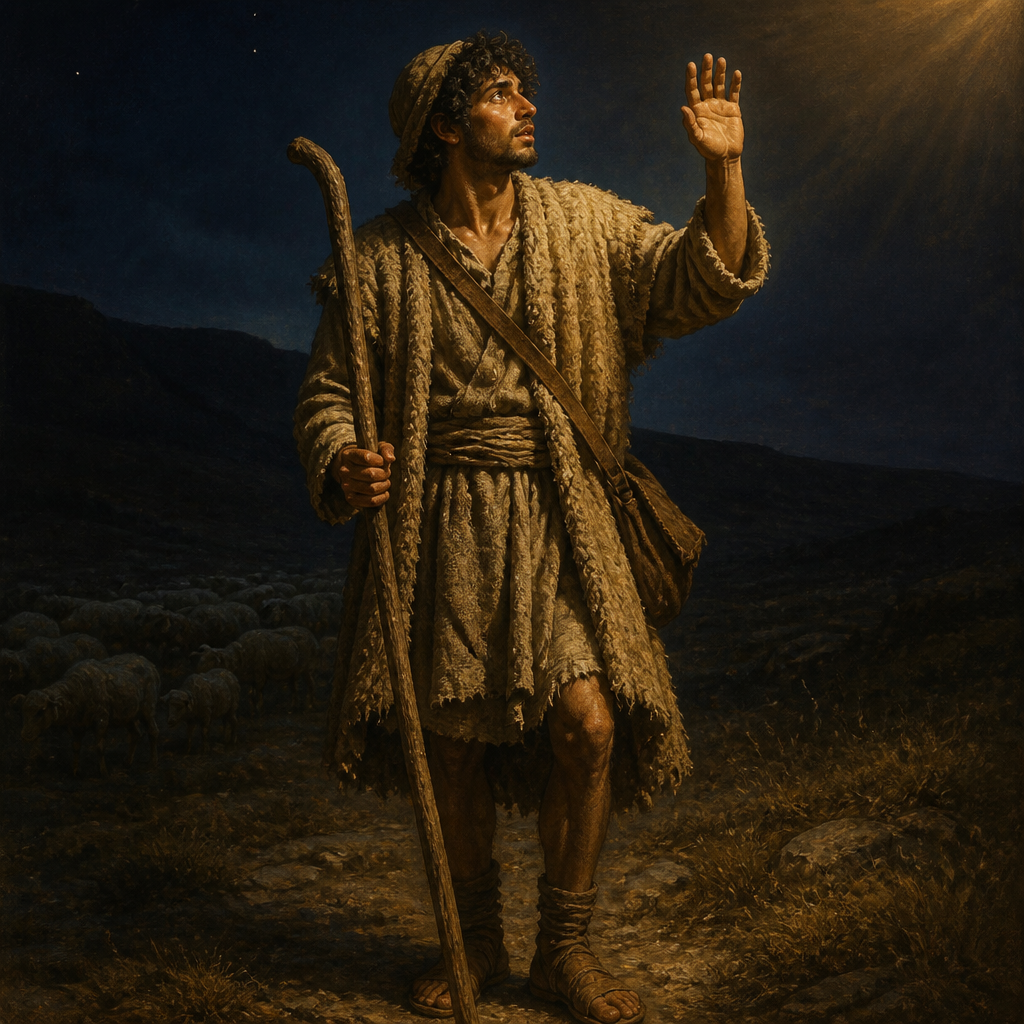
The Shepherds
The first human witnesses to the newborn Christ, visiting Him at the manger on the night of His birth
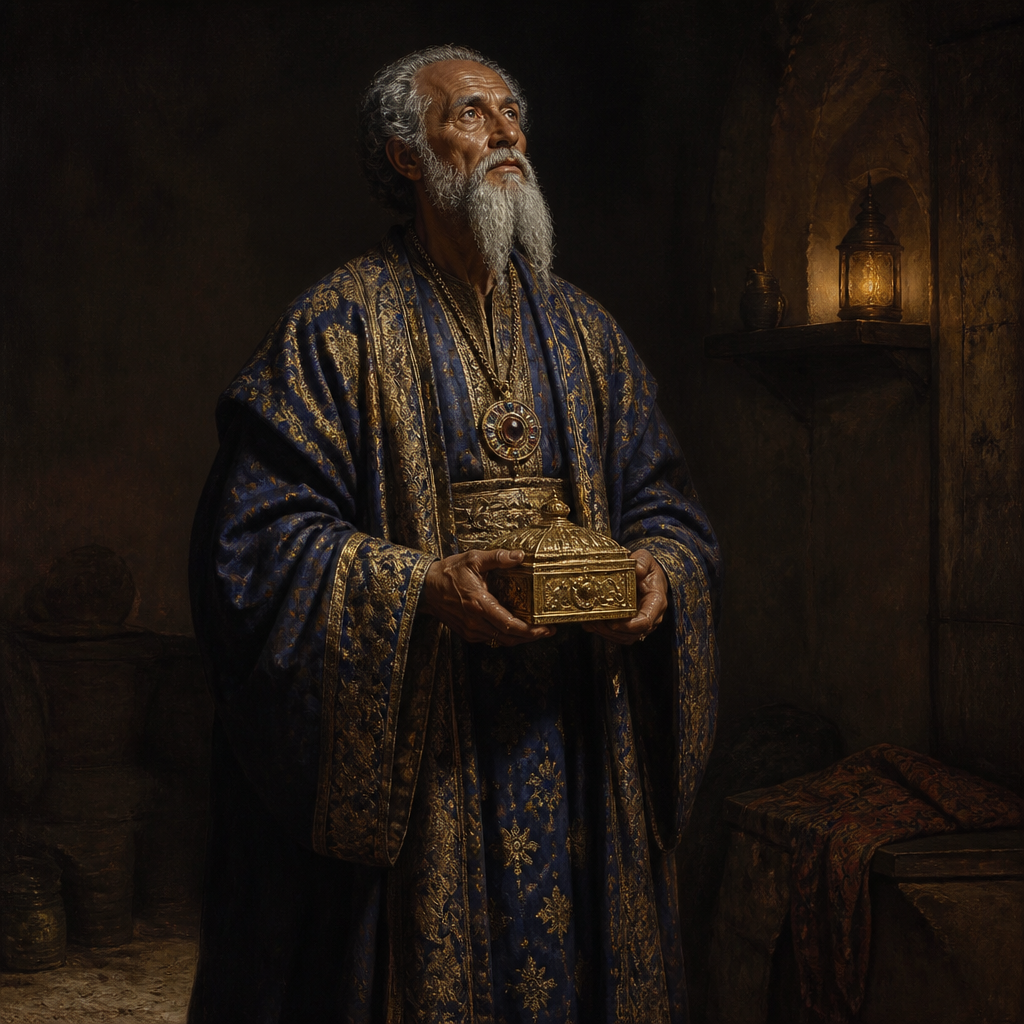
The Wise Men from the East
Following a star to worship the young Jesus at a house in Bethlehem, arriving well after the night of His birth